How Do I Build a Car and Make It Street-Legal? Guide
Learn the process of building a car and making it street-legal, from obtaining a title and registration to meeting safety requirements for public roads.
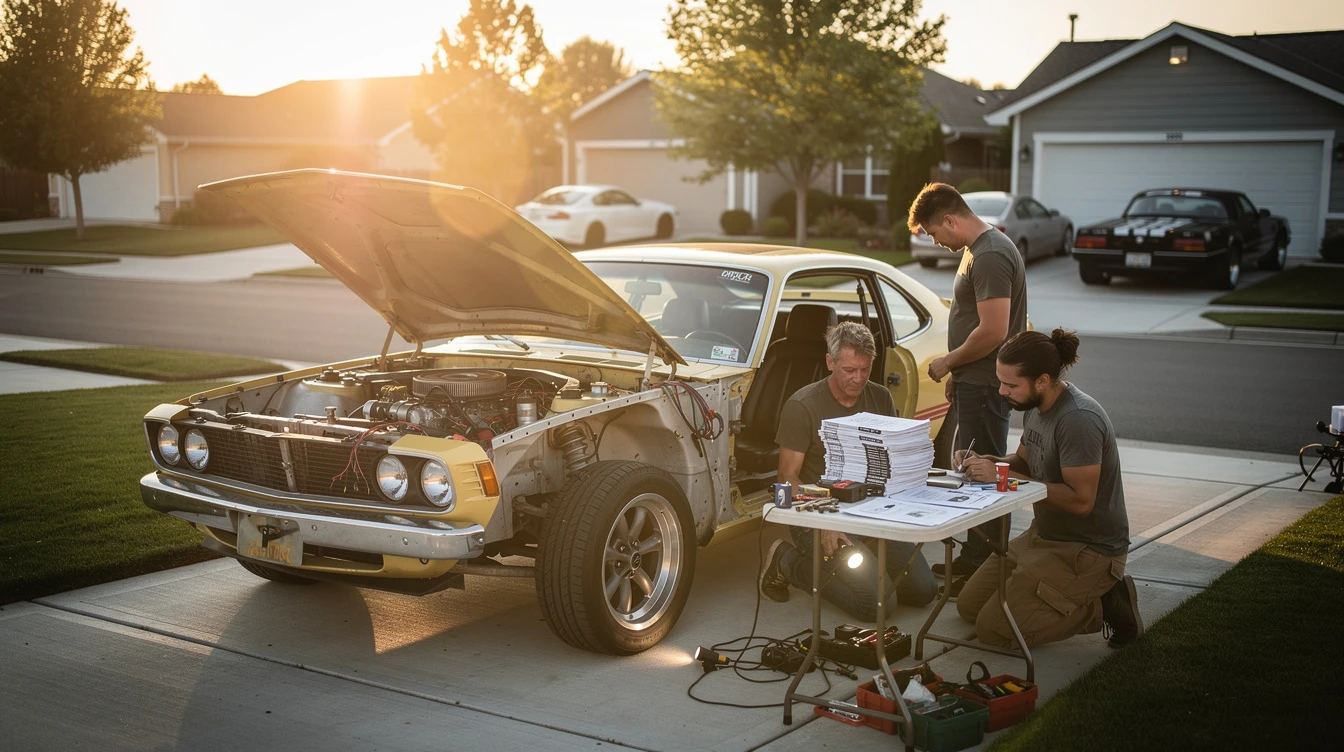
You make a car street-legal by obtaining a state-issued VIN through a bonded title or custom-built vehicle registration process, ensuring the chassis and components meet minimum safety standards for public road use. Most states require a physical inspection, proof of ownership for major parts like the engine and frame, and adherence to specific equipment requirements such as lighting, mirrors, and safety glass.
How to Make a Car You Built Yourself Street-Legal
Building a car from scratch or assembling a kit is a rewarding project, but the road to getting it registered for the street requires specific attention to detail. Before you turn a single bolt, you should understand that state laws regarding homemade vehicles vary significantly. Some states offer straightforward routes for specialty construction vehicles, while others may require rigorous mechanical inspections.
Establishing Ownership of Your Build
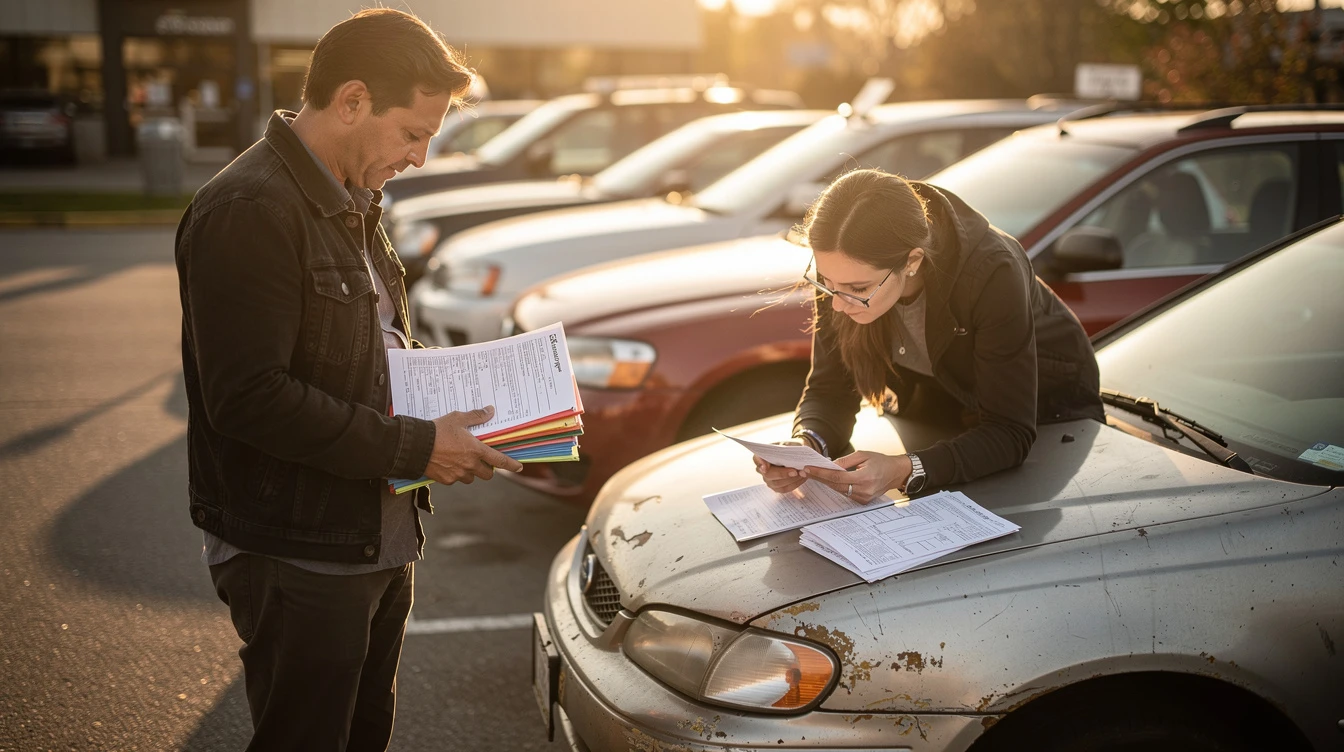
To register your vehicle, you must prove you own the parts used to build it. Save every receipt for the frame, engine, transmission, and body components. If you bought a kit, the Manufacturer's Statement of Origin (MSO) is your most important document. Without an MSO or a solid paper trail of bills of sale for major parts, you may find yourself needing a bonded title to establish ownership in the eyes of the state.
Meeting Minimum Safety Standards
Every state has a checklist of equipment that must be present for a vehicle to be considered street-legal. While these requirements differ by jurisdiction, you will almost always need functional headlights, taillights, brake lights, turn signals, mirrors, a horn, and windshield wipers. Additionally, tires must be Department of Transportation (DOT) approved, and the glass must meet safety standards for impact resistance.
What Is the Process for Making a Self-Built Car Street-Legal?
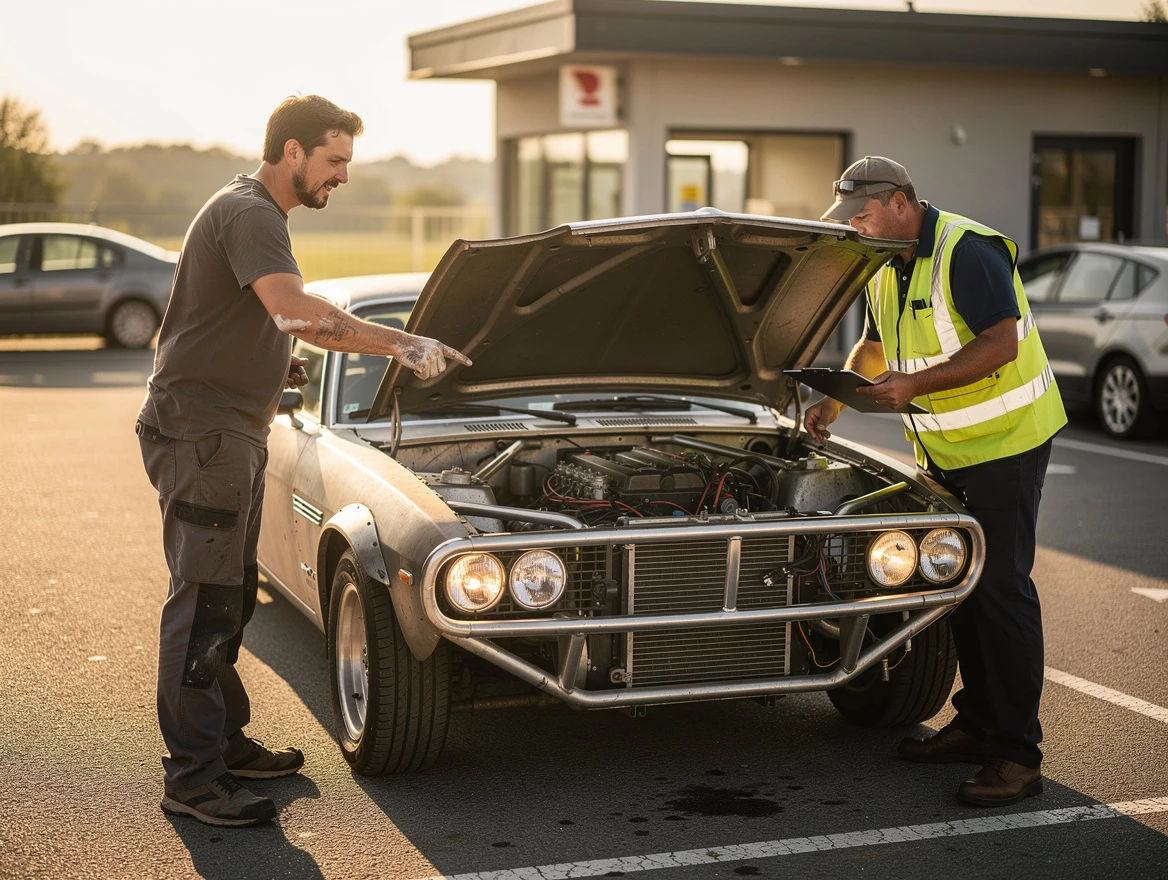
The process generally follows a standardized sequence: documenting your build, passing a safety inspection, obtaining a VIN, and completing the registration paperwork. It can feel like a long road, but organized documentation is your best friend during this process. If you find the local DMV process confusing, you might find our street-legal registration services helpful for navigating the filing requirements.
Ready to register your vehicle?
Join thousands of vehicle owners who use Dirt Legal to handle their registration quickly.
The Role of State-Mandated Inspections
Many states require a physical inspection performed by a state trooper or an authorized DMV official. They will look for your VIN, confirm the presence of required safety equipment, and verify that the vehicle is not composed of stolen parts. Make sure your paperwork clearly identifies the components, as inspectors look for legitimate serial numbers on major parts like the engine block.
Obtaining a New VIN
If your build does not have a manufacturer VIN, the state will assign you a new one. This is a crucial step that transforms a pile of parts into a recognized motor vehicle. Once the state issues this VIN plate, you can proceed with standard title and registration procedures.
How to Title and Register a Homemade Car for Street Use
Titling a custom build is the foundation of your project. If you cannot provide a title or MSO, you may need a bonded title. This process involves purchasing a surety bond to protect the state against future claims of ownership on the parts you used. Once the bond is processed, you are typically issued a title for a 'Specially Constructed' or 'Custom' vehicle.
Dirt Legal has helped 80,000+ vehicle orders to date (internal data, lifetime through current month, n=6,058).
| Requirement | Purpose | Status |
|---|---|---|
| Bills of Sale | Proof of component ownership | Mandatory |
| Safety Inspection | Verifying road-worthiness | State Dependent |
| VIN Assignment | Unique vehicle identification | Mandatory |
| Insurance | Financial responsibility | Mandatory |
See How We Can Help With Your Registration →
How to Register a Custom-Built or Kit Car for Street Use
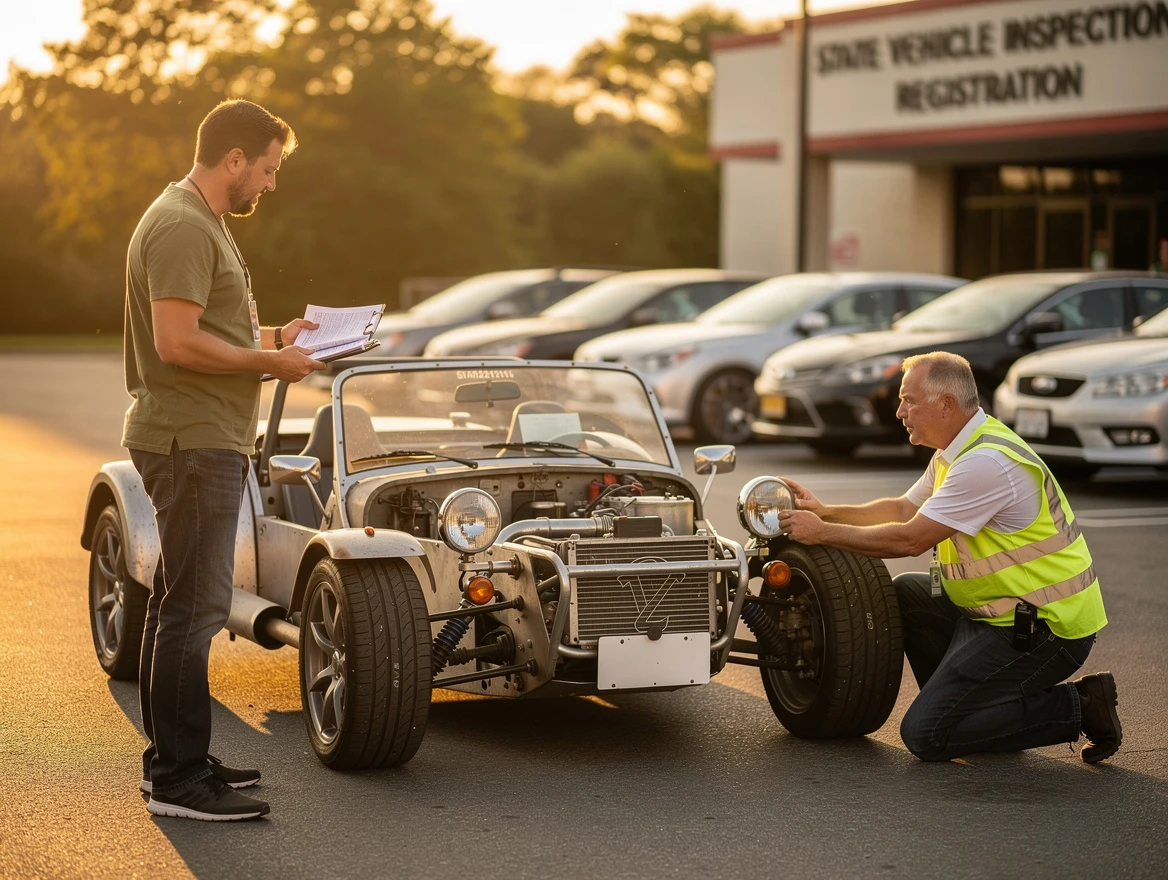
Kit cars often come with a head start because the manufacturer provides an MSO. However, you must still make sure the final assembly meets state regulations. If you are struggling with the process, you may want to look into Montana LLC services to see if your build qualifies for registration through an entity.
Choosing the Right Registration Jurisdiction
Not every state makes it simplified to register custom builds. Many builders choose to register in states with specialty vehicle laws. This can avoid the headaches of dealing with local officials who may not be familiar with the registration process for custom or kit-built automobiles.
Annual Renewal and Compliance
Once registered, remember that your car is now subject to the same annual renewal requirements as any other vehicle. Keep your registration card current and make sure your license plates are visible at all times. If you move or your status changes, notify the department of motor vehicles in your state of residence immediately to prevent registration suspension.
Street-Legal Requirements for a Self-Built Car
While the mechanical build is the fun part, the regulatory requirements for street use are the gatekeepers. You must adhere to the Federal Motor Vehicle Safety Standards where applicable. Focus your efforts on the following items, as they are the most common points of failure during inspection:
- Brake efficiency: Your brakes must be able to stop the vehicle within a specific distance.
- Lighting: You need high and low beams, red tail lights, and clearly visible turn indicators.
- Exhaust: The system must meet noise ordinances for your area.
- Visibility: You need effective rearview mirrors, usually one inside and one on the driver side.
- Glass: Windshields must be safety glass and not obstruct vision.
FAQ: Common Questions on Street-Legal Builds
Can I register a car built from multiple donor vehicles? Yes, but you must provide bills of sale for each major component to prove they were not stolen. This is often called a 'specially constructed vehicle' title.
Do I need emissions testing for a homemade car? This depends entirely on your state of registration. Some states exempt custom-built vehicles from emissions, while others require them to meet the standards of the year the engine was manufactured or the year the car was titled.
Is a title required if the car is only for track use? You generally do not need a title to drive on private tracks, but you will need one if you ever want to drive on public roads or sell the vehicle as a street-legal unit. If you need help with a missing title, look at Have a Motorcycle With No Title? Here’s How to Get One for insight into the recovery process.
How much does registration usually cost? Costs vary by state, with some charging flat fees and others basing the price on the declared value of the vehicle. Researching your state's specific fee schedule is necessary before starting the paperwork.
What if my state refuses to register my car? If your home state has overly restrictive laws, you may look into registering the asset through a process that supports custom or specialty vehicle classifications. Consulting with a specialist can help identify if there are alternative paths forward for your build.
Start Your Registration Today, No Hidden Fees
Building a car is a path toward automotive freedom. While the documentation and regulatory hoops can be challenging, having a custom vehicle that is registered for public roads is a major milestone for any gearhead. Focus on keeping your paperwork orderly from day one, and you will have a much smoother experience when it comes time to hit the road. If you need professional support with your paperwork, the team at Dirt Legal is ready to provide assistance.