Can You Make a Kit Car Street Legal? Essential Guide
Wondering can you make a kit car street legal? Learn the steps for registration, titling, and documentation to get your custom build on the road.
You can certainly make a kit car street legal, provided your vehicle meets the specific safety and equipment requirements set by your local jurisdiction or the state where you register the asset. Because most kit cars are built from aftermarket components rather than factory-assembled parts, they often require a specialized title process and a formal inspection to verify that all functional components like lights, mirrors, and safety glass are properly installed.
Get Started With Your Registration →
How to Make a Kit Car Street-Legal Through Proper Titling
The biggest hurdle in getting a kit car on the road is often the paper trail rather than the mechanical build itself. Many builders find themselves with a pile of receipts but no clear evidence of ownership for the chassis or the engine. To get a street-legal title, you must prove ownership of all major components and present a clear bill of sale for the kit itself.
Defining Your Kit Car's Full Compliance Identity
States vary wildly in how they classify home-built vehicles. Some recognize them as assembled vehicles, while others may require them to meet the safety standards of the model year they replicate. You need to consult your local DMV or use a private registration assistance service to determine whether your build qualifies for a specific assembled vehicle title.
Securing Ownership Documentation
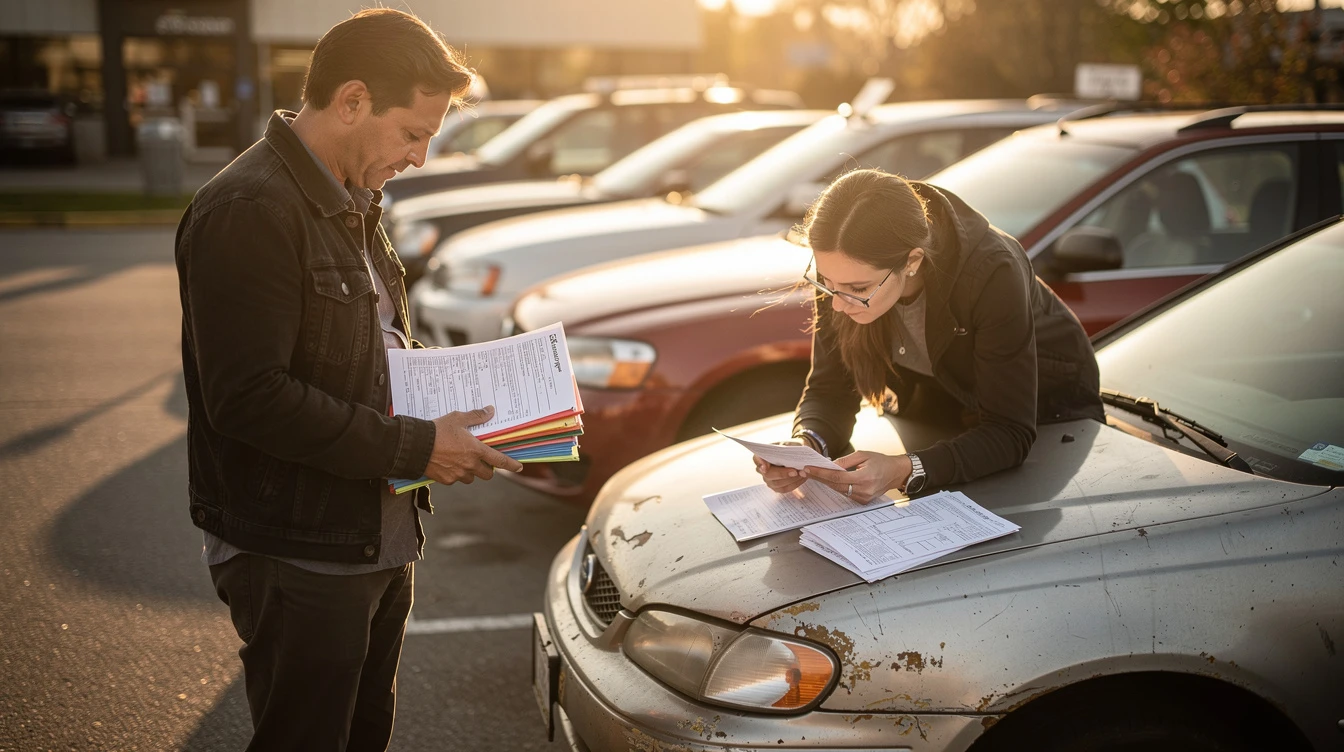
Without a valid bill of sale for your donor parts and the kit manufacturer's Statement of Origin, the titling process will likely stall. Always keep a detailed binder of every invoice, shipping manifest, and payment record associated with your build. Dirt Legal has helped 80,000+ vehicle orders to date, and we frequently see how organized paperwork makes the difference between a smooth registration and a long-term headache.
Vehicle Equipment Requirements for Street-Legal Status
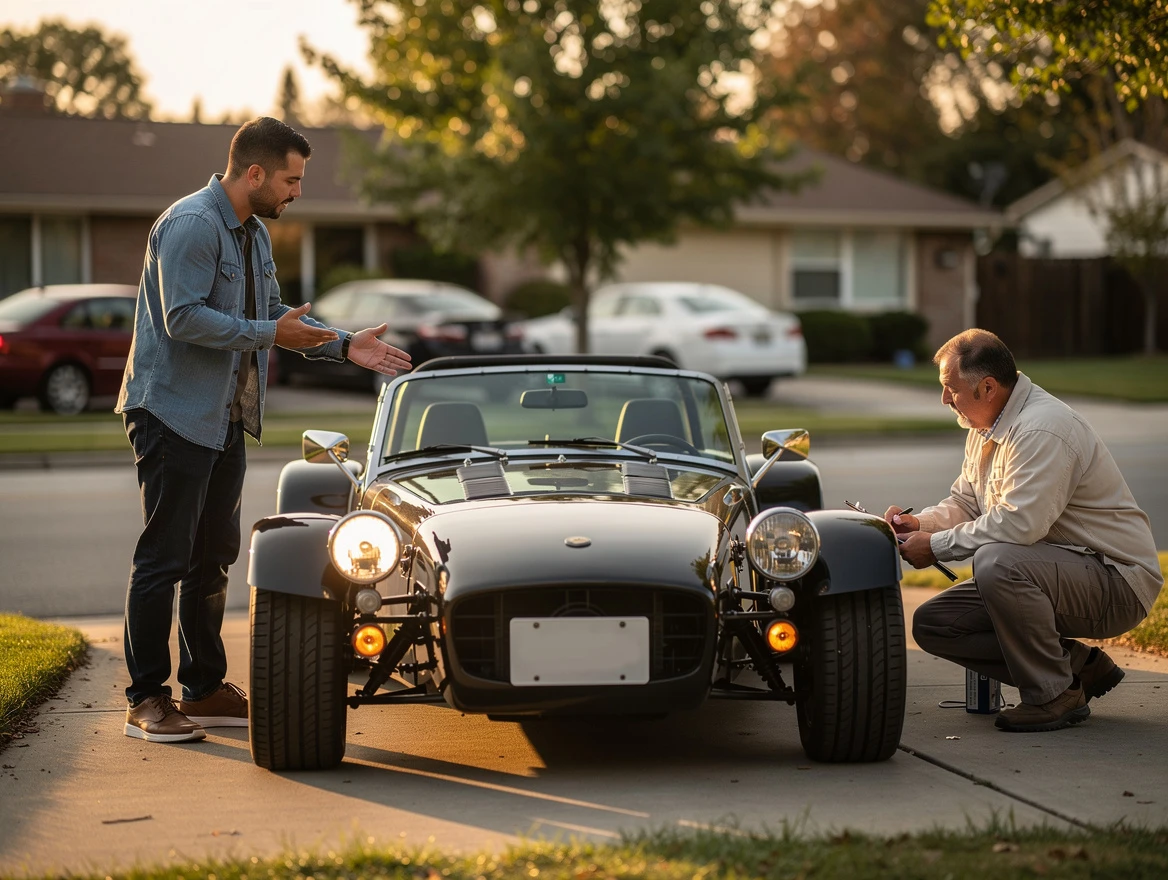
Before any inspector approves your application, the vehicle must be equipped for public road use. This generally means verifying the presence of specific safety features that many track-oriented kit cars lack. A common oversight involves the placement of turn signals and high-visibility markers.
Ready to register your vehicle?
Join thousands of vehicle owners who use Dirt Legal to handle their registration quickly.
Mandatory Safety Features
In almost every state, you must install functional headlights (high and low beam), taillights, brake lights, front and rear turn signals, and side-view mirrors. Windshield wipers and a defroster system may also be required depending on the climate and local laws. These parts must meet Department of Transportation (DOT) standards, so avoid using off-road or decorative lighting if you want to pass an inspection.
The Inspection Process
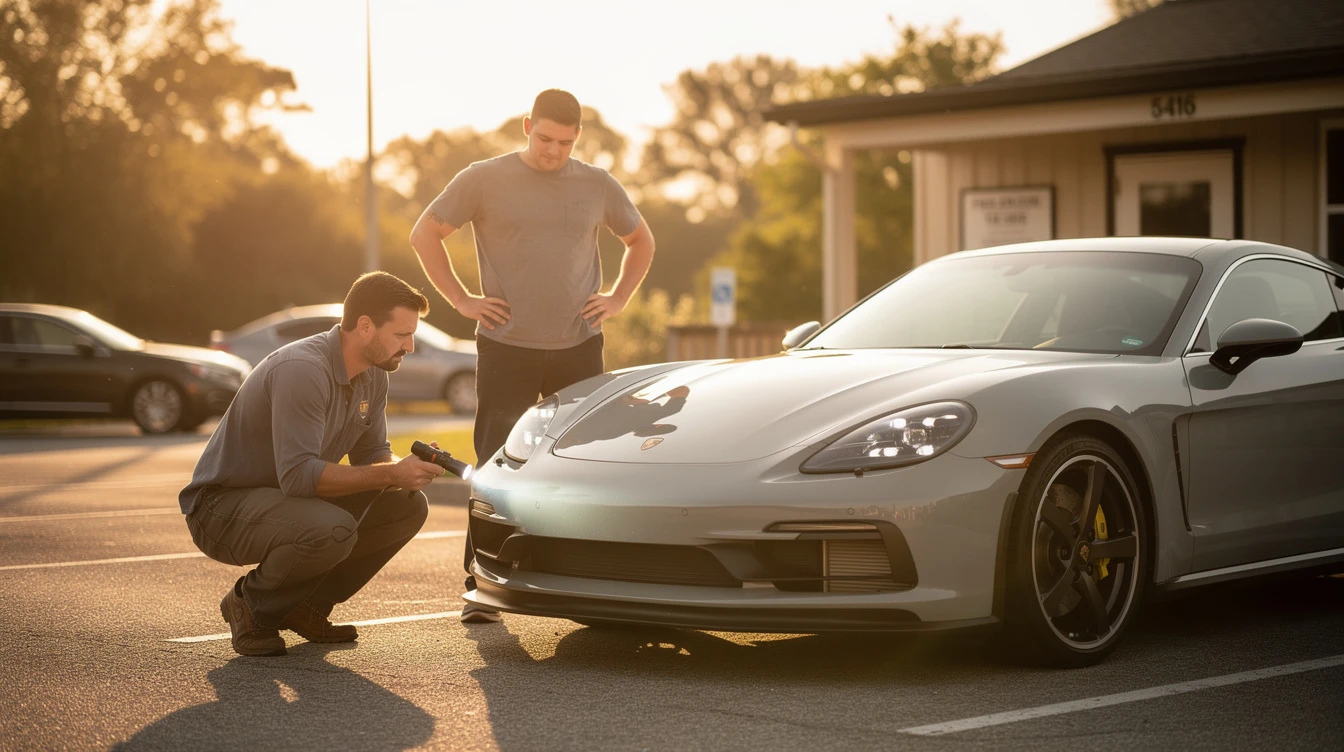
Once the car is built and equipped, a state official or a certified inspector will verify that it matches the descriptions on your application. They look at the VIN assigned to your build (or the donor chassis) and make sure the vehicle is safe for travel. The most frequent reason documents come back for correction is VIN accuracy (internal data, rolling last 90 days, n=33), so double-check every character on your frame before you head to the appointment.
Options for Streamlined Kit Car Registration
Some states make it exceptionally difficult to register custom or kit vehicles due to stringent emissions or crash-test requirements. Many builders choose to move their registration to a friendlier jurisdiction to avoid the bureaucratic gridlock. If you are struggling with a local office, consider our Montana LLC Vehicle Registration. By registering through a Montana LLC, you can manage the paperwork in a state with clear, established processes for unique and custom vehicles.
| Requirement | Standard Vehicle | Kit Car |
|---|---|---|
| Ownership Proof | Title/MSO | Receipts/MSO/Bills of Sale |
| Safety Inspection | Annual | Initial Build Inspection |
| VIN Assignment | Manufacturer | State-Issued/Assigned |
| Insurance | Standard Policy | Specialized Collector Policy |
See How We Can Help With Your Registration →
Addressing Common Hurdles for Builders
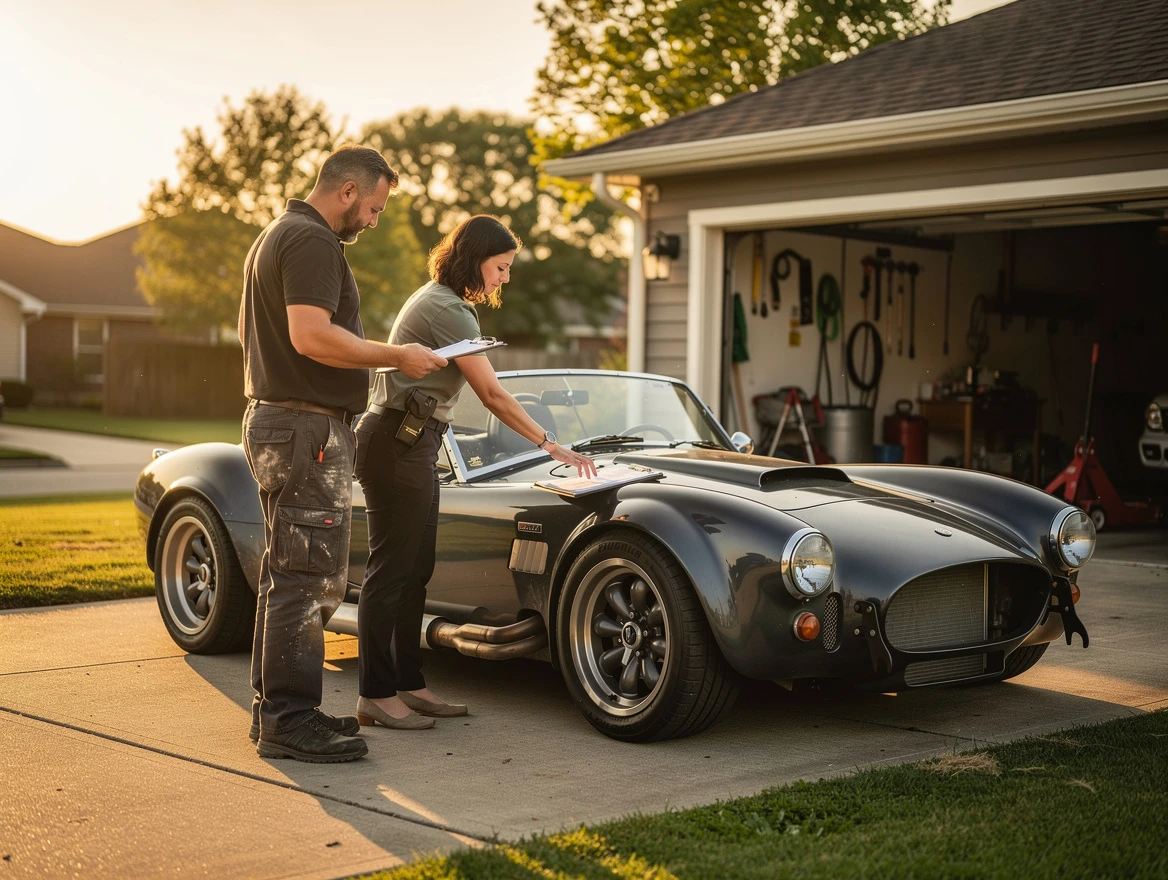
Even if you build a perfect car, the registration process can present surprises. Understanding how to work through the specific title requirements of your state is key.
Avoiding Title Jumping
A common mistake is engaging in title jumping, which happens when a previous owner of a donor vehicle doesn't sign the title over to you correctly. If you have questions about this, our article on Title Jumping is More Illegal Than Jumping a Car provides crucial context. Keeping your title history clean is essential for ensuring your kit car remains valid.
Frequently Asked Questions About Street-Legal Kit Cars
Do all states allow kit cars to be registered?
Yes, all 50 states have pathways for registering custom or assembled vehicles, but the difficulty level varies. Some states have dedicated processes for replicas, while others classify them as standard passenger vehicles after they pass a safety inspection. Research your specific state's MVD guidelines to determine if they require a brake and lamp certificate or an engine check.
Does a kit car need an emissions test?
This depends on the engine and the state of registration. Many kit cars are registered under a "year of manufacture" status for the body, which might exempt them from modern emissions testing if they are titled as classic or vintage replicas. However, if your state requires emissions testing for all vehicles, you must make sure your engine is compliant with the standards of the year the engine was built.
Can I register a kit car with an engine from a salvaged vehicle?
Yes, but you will need the title or a bill of sale for that specific donor engine. The DMV needs to confirm that the engine is not reported as stolen. Keeping detailed records of your donor vehicle's VIN is a standard requirement for registering these builds.
What should I do if my local DMV rejects my application?
Do not get discouraged if your first attempt at registration is rejected. Most rejections are based on missing signatures or incomplete paperwork rather than a problem with the car itself. Verify your documentation against the checklist provided by your local agency and consider reaching out to a professional registration service if you need help organizing your filings.
Is a kit car expensive to insure?
Kit car insurance is often surprisingly affordable because these vehicles are typically treated as hobbyist cars, not daily commuters. Many providers offer policies that limit annual mileage in exchange for lower premiums. Because these cars are rarely used in daily traffic, they are statistically involved in fewer accidents than standard passenger cars.
Start Your Registration Today, No Hidden Fees
Making a kit car street-legal is a project that requires patience and meticulous record-keeping. By gathering your documentation early and understanding your state's specific requirements, you can move from the garage to the open road efficiently. Whether you choose to work through your local DMV or use our professional assistance, the goal of enjoying your custom build on the road is well within your reach.