I Lost My Vehicle Registration. What Do I Do? Guide
Wondering what to do after losing your vehicle registration? Learn replacement steps, driving rules, fees, and duplicate document options in this guide.
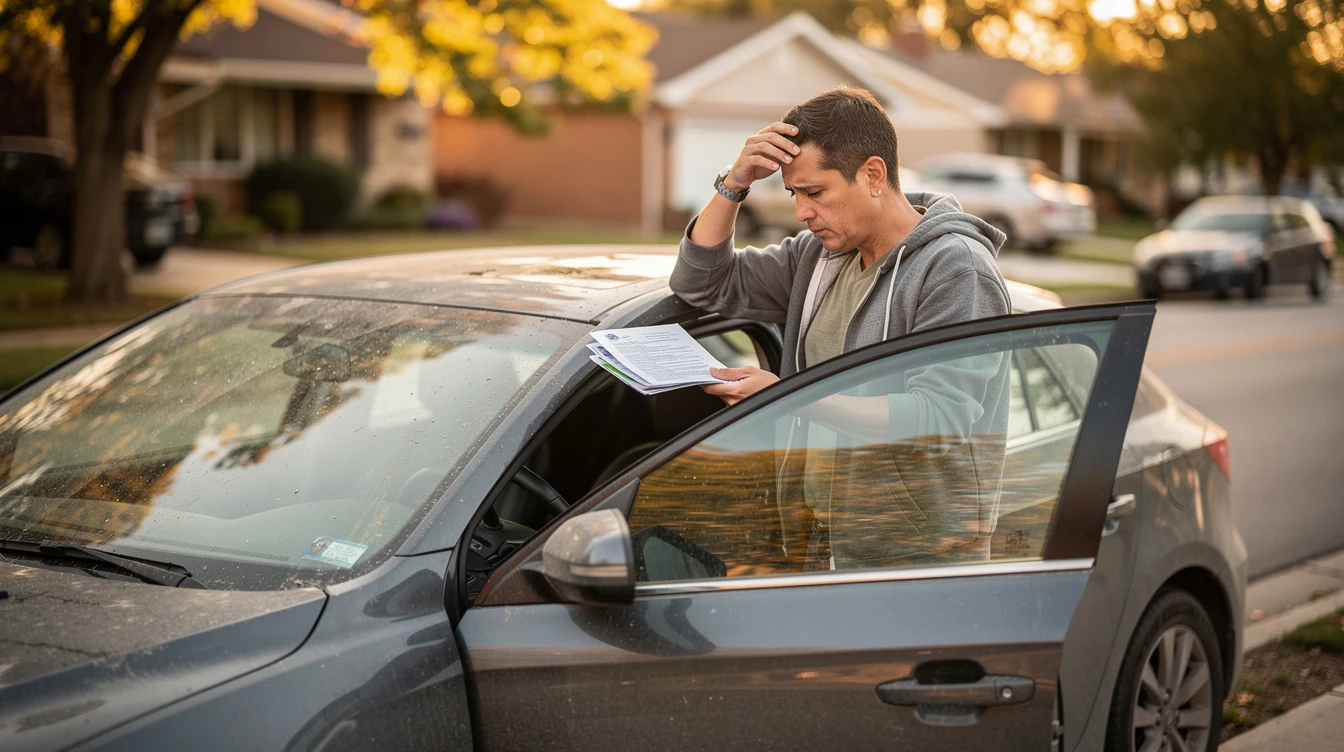
You open your glove compartment to grab your paperwork, sift through service records, and reality hits: I lost my vehicle registration. What do I do? Misplacing this small slip of paper causes immediate anxiety, especially when you consider flashing red and blue lights in your rearview mirror. A lost registration document is a common headache, but it does not mean your vehicle is suddenly unregistered.
Driving without physical proof of registration can result in traffic citations, court dates, and fix-it tickets depending on your jurisdiction. Fortunately, getting a replacement document is a standardized administrative task in every state, whether you request a duplicate online, submit an application by mail, or work through out-of-state registration options when your paperwork history is messy.
This guide explains your immediate risks, the step-by-step process to secure a duplicate registration card, how to handle the situation if your title is also missing, and how to protect yourself on the road while you wait for your new document.
I lost my vehicle registration. What do I do first?
Updated on October 21, 2026
State motor vehicle codes uniformly require drivers to carry physical proof of valid registration inside the vehicle whenever it operates on public roadways. When you realize your document is gone, the first move is to verify that your actual vehicle registration status remains active and in good standing with your state licensing division. Losing the registration certificate does not cancel your record in the state computer system, but it leaves you vulnerable during routine traffic stops.
Immediate Risks of Operating Without Paperwork
Operating a vehicle on public roads without having proof of registration on hand is an infraction in almost all fifty states. If an officer pulls you over for speeding or a broken taillight and you cannot produce the card, you will likely receive a citation for failure to display registration. In states like California, this often takes the form of a correctable violation, commonly called a fix-it ticket, which carries a small administrative dismissal fee once you show valid paperwork to the court. Other jurisdictions levy outright fines ranging from twenty-five dollars to over two hundred dollars, depending on local municipal codes.
An active registration record in the state database protects you from vehicle impoundment in most basic traffic stop scenarios. However, if your registration expired months ago and you simply forgot because the card disappeared, law enforcement officers possess the authority to tow and impound the vehicle immediately. Verifying your status through your state motor vehicle portal protects you against unexpected impound fees, storage costs, and administrative penalties.
How Law Enforcement Verifies Active Registration
Modern patrol vehicles use automated license plate readers and direct cellular links to the National Crime Information Center and state databases. When an officer types your license plate number into their mobile data terminal, the screen shows your vehicle make, model, VIN, and current registration status within seconds. This technological safety net proves to the officer that the vehicle is not stolen and that property taxes or registration fees are paid.
Despite this real-time digital access, state statutes still mandate that drivers produce the physical registration receipt upon demand. The physical document confirms that you, the operator, have legitimate access to the vehicle and matches the name on your driver's license or reflects an authorized permissive user. Do not assume digital squad car lookups excuse you from your statutory duty to carry physical paperwork.
What Documents Protect You During a Stop
While waiting for a replacement registration certificate to arrive in the mail, gather secondary paperwork to show an inquiring officer. Keeping your active proof of auto insurance in the glove box is non-negotiable because driving without insurance carries far harsher criminal penalties than a missing registration slip. You can also print your recent digital renewal confirmation receipt, showing the transaction date, plate number, and payment verification from your state agency website.
If you are wondering what else belongs in your vehicle storage compartments, our detailed guide on What Should I Always Keep In My Car For Emergencies breaks down the essential documents and safety tools every driver should carry. Having a clean folder with your insurance card, digital renewal printout, and emergency contacts demonstrates good faith to any patrol officer who stops you.
I lost my vehicle registration. What do I do to replace it?
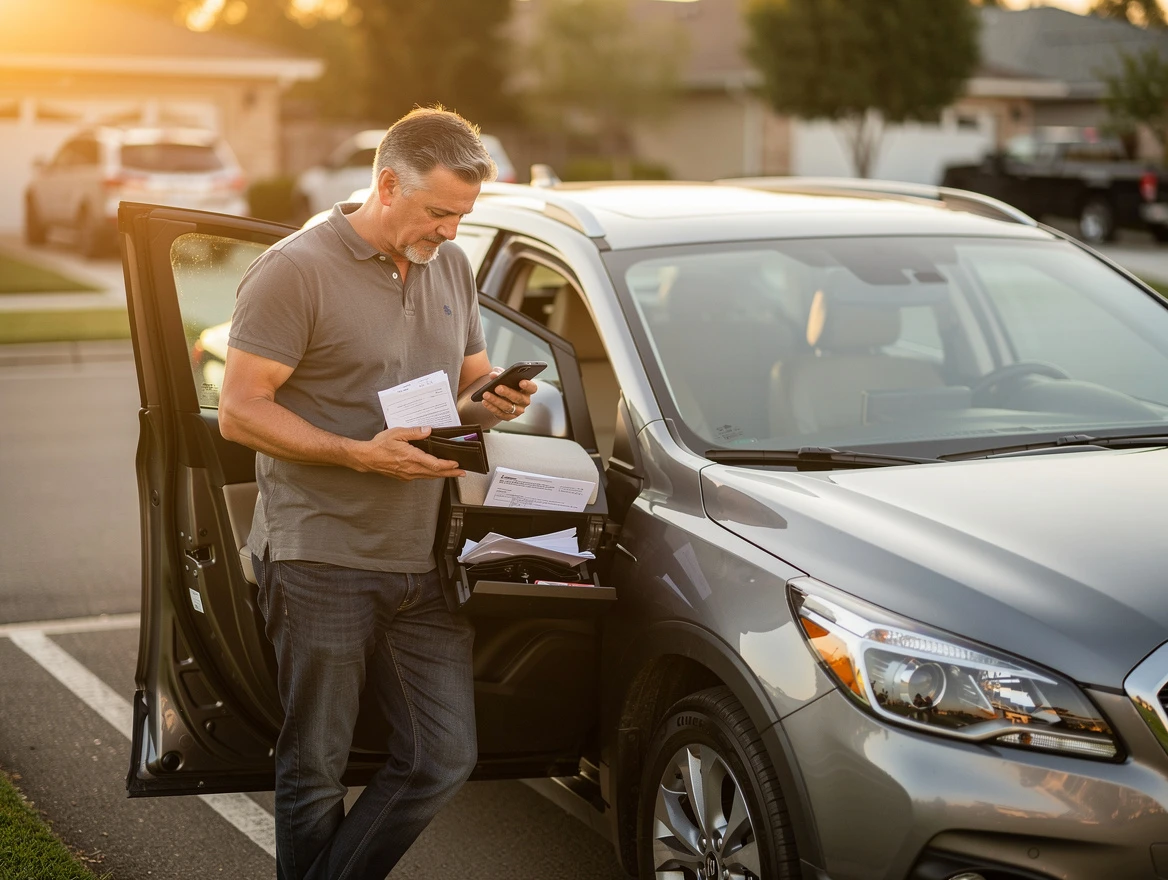
Replacing a lost vehicle registration certificate is an administrative procedure handled directly by your jurisdiction or through private registration specialists who assist with document filings. Depending on your state of residence, you can order a duplicate card through an online web portal, by mailing a specific application form with a check, or by scheduling an in-person appointment. If your paperwork problems extend beyond a simple lost card, reviewing Common Vehicle Registration Mistakes and How to Avoid Them can keep you from wasting time on improper filings.
Ready to register your vehicle?
Join thousands of vehicle owners who use Dirt Legal to handle their registration quickly.
Step-by-Step State Replacement Procedures
Every state maintains an established workflow for duplicate credentials. For example, drivers working through a Can I register an out-of-state vehicle in Texas? process or standard in-state renewals must use form VTR-275 to apply for a replacement registration receipt. You begin by navigating to your state licensing agency website, finding the vehicle services tab, and selecting the option for duplicate registration or replacement cab card.
If applying by mail or in person, you must download your state duplicate registration form, print it, and complete every required field accurately. Double-check your vehicle identification number, registered owner name, street address, and license plate number against your title or bill of sale before signing. Submitting an application with a single mistyped character in the seventeen-digit VIN guarantees document rejection and extended delays.
Required Identification and Vehicle Details
State agencies require strict verification to prevent unauthorized individuals from ordering duplicate credentials for vehicles they do not own. To complete your duplicate request, you typically need to present or upload specific identifying credentials:
- A valid government-issued photo ID, such as a state driver's license or passport
- The full Vehicle Identification Number (VIN), which you can locate on your vehicle dashboard or door jamb
- The current license plate number assigned to the vehicle
- The registered owner's legal name and residential address matching state records
- A nominal duplicate credential fee paid via credit card, check, or money order
If you are registering or replacing paperwork for a family member or business asset, you may need written authorization. Reviewing Do I Need a POA to Register My Car? State Rules Explained will clarify when a limited POA document is legally required before a state clerk will issue paperwork to an agent.
Typical Processing Timelines and Temporary Permits
Online duplicate registration requests are processed most efficiently, with state servers generating an immediate temporary digital document in PDF format that you can print and place in your glove compartment. The hard-copy registration card and replacement stickers (if ordered simultaneously) typically arrive at your mailing address within seven to fourteen business days. In-person counter service yields an immediate physical document, though it demands hours spent waiting in government lobbies.
Mail-in requests take significantly longer, often requiring three to six weeks depending on state agency staffing levels and backlogs. If your registration is completely expired alongside being lost, ordering a duplicate will not suffice; you must complete a full renewal transaction, paying back taxes, county fees, and emissions compliance fees where applicable.
Proof of ownership, authorization form, vehicle specs
Proof of ownership, authorization form, vehicle specs
| Replacement Method | Typical Processing Time | Required Documentation | Best Suited For |
|---|---|---|---|
| Online State Portal | Immediate PDF printout, 5-10 days for mail delivery | Driver license number, plate number, last 4 of VIN | Standard vehicles with active, unexpired registration records |
| In-Person State Office | Same day at the counter | State photo ID, vehicle title or VIN, payment method | Drivers needing immediate hard copies without access to a printer |
| Mail-In Application | 3 to 6 weeks processing window | Completed state duplicate form, copy of ID, check or money order | Out-of-area owners or those without web portal access |
| Private Registration Specialists | Variable based on state filings | Proof of ownership, authorization form, vehicle specs | Complex title situations, out-of-state assets, or missing paperwork |
See How We Can Help With Your Registration →
I lost my vehicle registration. What do I do if my title is missing too?
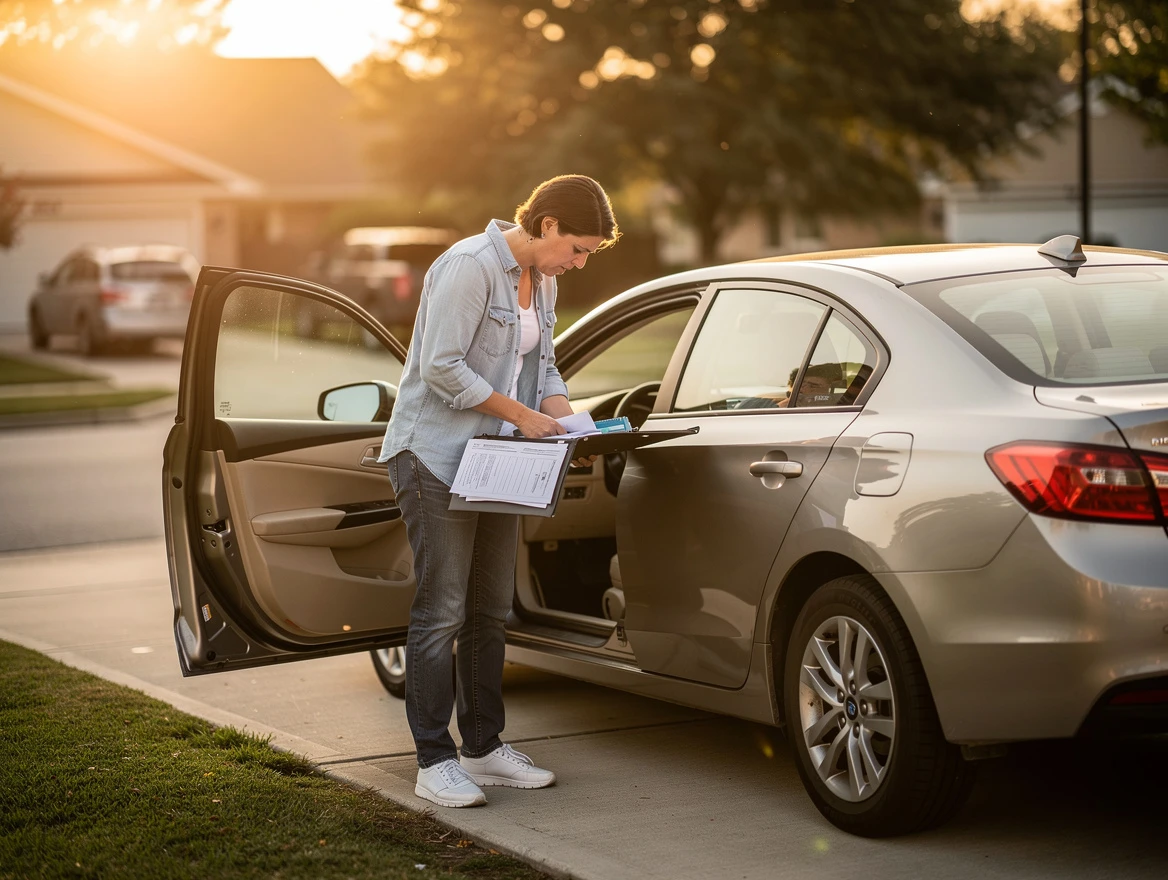
Losing a registration card is an inconvenience, but misplacing both your registration card and your vehicle certificate of title creates a substantial administrative barrier. The title establishes legal ownership of the asset, while the registration authorizes the vehicle to operate on public tarmac. When both records disappear, you cannot sell the vehicle, transfer plates, or prove ownership to an insurer in the event of a total loss without taking corrective action.
Duplicate Registration vs. Replacement Title
A duplicate registration simply reissues the temporary operating credential that states it renews annually or biennially. In contrast, an application for a duplicate certificate of title replaces the primary legal ownership document issued by the state registrar. If you purchased a vehicle and never received the title from the prior owner, you cannot simply request a duplicate registration in your name; the state still considers the previous seller to be the owner.
When an owner purchases an untitled vehicle from an auction, private party, or barn find, standard replacement channels hit a dead end. Reading our guide on can you buy a car without a title? What you should know first provides an honest assessment of the risks associated with bill-of-sale purchases. Similarly, the sister brand analysis I Have a Car With No Title. Is It Worth Trying to Get One? outlines the exact financial costs of surety bonds versus state-level administrative remedies.
Resolving Complex Paperwork and Out-of-State Transfers
When you move to a new state and find your paperwork is missing, local clerks will refuse to issue new plates without seeing an existing physical title or a valid out-of-state registration card showing unencumbered ownership. If you financed the vehicle, the lending institution holds the title, meaning you must request that your lender send an electronic verification or certified paper copy directly to your new county licensing division.
For owners who purchased vehicles through private sales without proper title transfers, the issue can trigger legal complications like illegal title jumping. You can check the legal framework with the NHTSA VIN Lookup tool to confirm the historical identification markers of your chassis before initiating state filings. If you are stuck between states with no title, no registration, and unresponsive prior owners, standard local offices rarely offer clear solutions.
How Montana LLC Registration Provides an Alternative Path
For elevated vehicles, motorhomes, custom conversions, and out-of-state assets facing bureaucratic gridlock, establishing ownership through an out-of-state corporate structure provides an efficient legal remedy. Under Montana law, an LLC formed in the state can purchase, hold title to, and register motor vehicles without requiring local residency from the business member. You can inspect the statutory baseline directly on the Montana Motor Vehicle Division portal.
Dirt Legal provides end-to-end paperwork assistance by forming your custom Montana company and managing the multi-step title filings. If you want to study the framework, our montana llc dirt Montana registration guide and the article register a car in montana: the complete guide explain how asset holding companies operate. Partner services like Montana Registration Services also assist with commercial fleets and corporate assets. We handle the required legal filings to register assets through your newly formed Montana LLC, eliminating the frustration of dealing with uncooperative local motor vehicle offices.
Dirt Legal has completed over 6,000 customer orders to date (lifetime through current month, n=6,411), providing remote paperwork support for drivers who need clean titles, street-legal credentials, and reliable registrations across the United States. We handle the out-of-state paperwork so you can get back to driving without stress.
Frequently Asked Questions About Lost Vehicle Documents
Here are direct, factual answers to common questions regarding missing vehicle documents, duplicate requests, and state registration expenses.
What is vehicle registration?
A vehicle registration is an official certificate issued by a state that connects a specific motor vehicle to its registered owner and confirms that the vehicle is authorized to operate on public roadways. This document lists critical identification details, including the vehicle identification number (VIN), license plate number, vehicle make, model, year, and the registered owner's residential address. While a vehicle title proves legal ownership of property, the registration proves that the owner has satisfied state requirements such as safety inspections, emissions compliance, minimum liability insurance, and payment of statutory highway use taxes. Registrations must be renewed periodically, typically every twelve to twenty-four months, depending on the jurisdiction.
What to do if you lost your registration?
If you have lost your vehicle registration, your first step is to confirm whether the registration record is still active in your state database. If it is active, you can obtain a replacement by submitting a duplicate registration application through your state motor vehicle agency online portal, by mail, or in person at a local licensing office. Online requests usually provide an immediate downloadable PDF receipt that serves as temporary legal proof of registration while the permanent card is printed and mailed. You will need to provide your driver's license number, license plate number, full VIN, and pay a replacement document fee. If your registration is expired, you must complete a full renewal rather than ordering a simple duplicate.
How much does it cost to get a title and registration for a vehicle with a lost title?
The total cost to obtain a replacement title and registration varies widely based on individual vehicle value, state jurisdiction, and whether a surety bond is required. A straightforward replacement title application submitted by the recorded owner involves basic administrative filing fees, duplicate certificate fees, and standard annual registration fees. However, if the vehicle was purchased without a title from a third party, the buyer must typically purchase a bonded title, requiring a surety bond calculated at one and a half to two times the appraised value of the vehicle, alongside inspection fees and transfer taxes. Working with private registration specialists to reconstruct ownership paperwork involves additional document preparation and compliance fees tailored to the specific vehicle situation.
How to find the registration number of a vehicle?
You can locate your vehicle registration number by reviewing past vehicle-related documents or logging into your state motor vehicle portal. In many states, the registration number is identical to the license plate number displayed on the rear bumper of your vehicle. In other states, a separate document number or customer identification number is printed at the top of previous registration receipts, renewal notices, and state vehicle property tax bills. If you do not have paper records, check your automobile insurance policy declaration page, your digital account with your auto insurance carrier, or your vehicle loan statements, which routinely list your license plate number and VIN for state record matching.
Why is my vehicle registration renewal so high?
Vehicle registration renewal fees are composed of multiple state, county, and municipal assessments rather than a single flat fee. While the baseline state registration fee might be modest, many states assess ad valorem vehicle property taxes, local transportation improvement district surcharges, highway bridge maintenance fees, and mandatory clean-air emissions program charges. Heavy vehicles, electric vehicles, and late-model elevated trucks often face supplemental fees designed to offset lost gasoline tax revenue or increased road wear. In states with high vehicle personal property taxes, a significant portion of your annual renewal bill reflects the depreciated market value of the vehicle rather than an administrative document charge.
Why is vehicle registration so expensive in California?
California vehicle registration fees are among the highest in the country because the state calculates total registration charges using multiple progressive components. Beyond the base vehicle registration fee, California imposes a Vehicle License Fee (VLF), which is an ad valorem tax assessed at 0.65 percent of the purchase price or current market value of the vehicle. Additionally, the state levies a transportation improvement fee tied directly to the vehicle cash value bracket, county air quality management surcharges, highway patrol support fees, and local district taxes. Electric vehicles in California are also subject to an annual road improvement fee to compensate for fuel tax exemptions, significantly raising the final renewal bill for modern automobiles.
Can you drive legally while waiting for your duplicate registration?
Operating a vehicle on public roads while waiting for a replacement registration is legally permissible if you carry valid secondary documentation. In most states, when you order a duplicate registration online, the system issues a temporary digital operating receipt containing an authorization barcode, expiration date, and transaction number. Printing this confirmation receipt and keeping it in your vehicle alongside current proof of insurance satisfies state statutory requirements during a traffic stop. If you ordered paperwork by mail and do not possess a digital receipt, an officer can verify your active registration status via their in-vehicle computer, though you remain technically liable for a correctable citation until the physical document is presented.
Start Your Registration Today, No Hidden Fees
When you find yourself saying, I lost my vehicle registration. What do I do? Remember that administrative solutions exist for every type of vehicle document dilemma. Whether you need a quick duplicate card from your local registry, a replacement title for an inherited vehicle, or specialized paperwork assistance through out-of-state corporate registration, taking immediate action protects you from costly fines and impound headaches. Keep your insurance current, request your replacement credentials promptly, and maintain a clear digital trail of your ownership records.