How to Register or Reclaim a Salvaged Vehicle
Learn how to register or reclaim a salvaged or abandoned vehicle. Step-by-step guidance on title recovery, bond filings, and state rules.
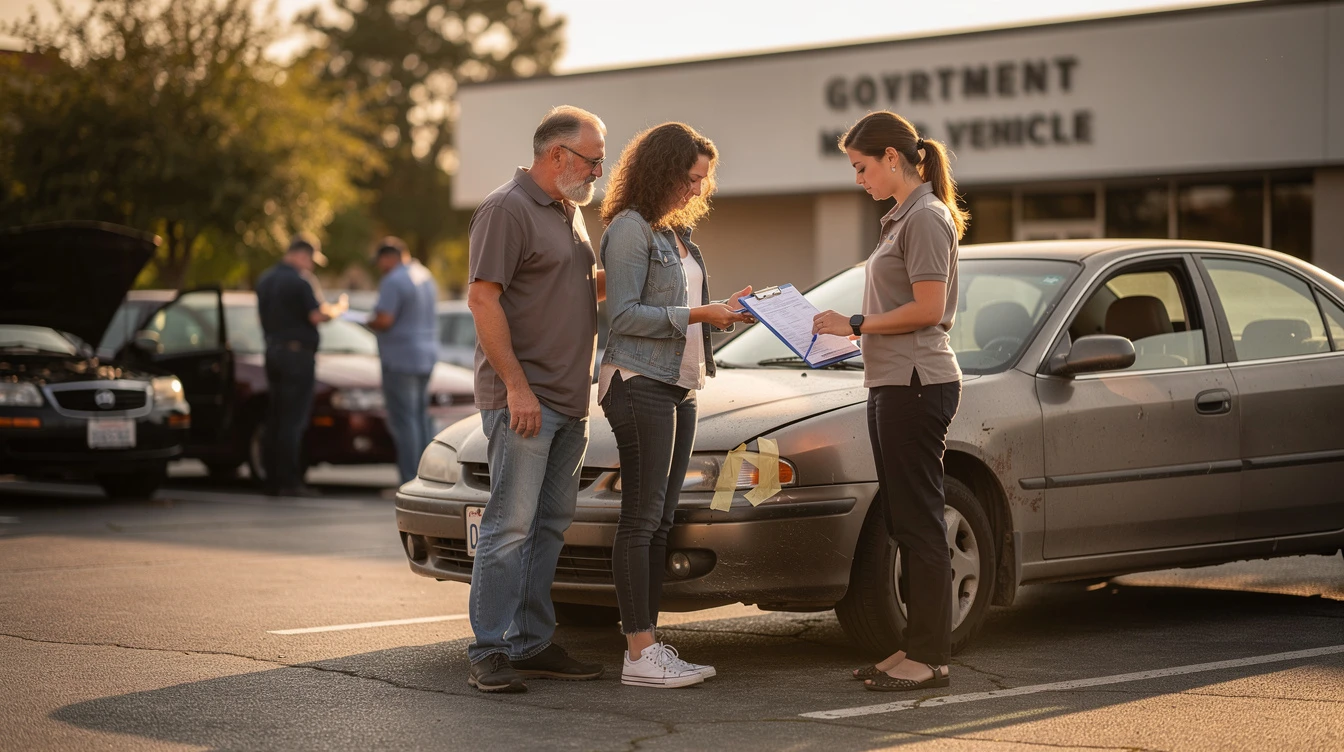
Understanding how to register or reclaim a salvaged or abandoned vehicle starts with determining whether the asset carries an active claim, an insurance branding, or total record loss. A abandoned car left on private land or a project car bought from an auction presents unique title paperwork challenges. You need to know the clear path to establish undisputed ownership before spending money on parts or road fees.
State motor vehicle agencies enforce strict rules when transferring property lacking a pristine certificate of title. Missing paperwork stops standard DMV transactions in their tracks. Fortunately, mechanisms exist across several jurisdictions to help motorists restore road status to these vehicles.
This walkthrough covers the distinctions, required documentation, safety inspections, and alternative registration options available nationwide. You will gain a thorough roadmap to take your vehicle from an unpapered project to a road-ready machine.
Understanding Salvaged vs. Abandoned Property
Updated on October 5, 2026
State motor vehicle codes define salvaged and abandoned property through separate standards. A salvage vehicle carries an explicit designation assigned by an insurance entity or a state titling bureau after sustaining damage exceeding a specific ratio of its fair market value. In contrast, an abandoned vehicle represents property deserted on public or private land without active owner involvement or updated registration documents.
What Classifies a Vehicle as Salvaged?
A salvage brand indicates that an insurance carrier settled a total loss claim on the vehicle. Most states set a damage threshold between 70% and 90% of the vehicle actual cash value before mandating a salvage brand. When an insurance company settles with an owner, the original title gets surrendered and replaced with a salvage title certificate. This document prevents the chassis from operating on public tarmac until verified repairs and official safety inspections take place. Be cautious of irreversible classifications, as detailed in our guide on what is a certificate of destruction for a junk car?, which permanently bars a chassis from being rebuilt or retitled.
What Classifies a Vehicle as Abandoned?
An abandoned vehicle involves property intentionally left unattended on public roadways or private real estate for an extended statutory window. Statutory timeframes vary by region, ranging from 48 hours on municipal roads to 30 or 90 days on private parcels. Landowners cannot simply assume ownership of a car left on their acreage. Property holders must follow a detailed administrative process involving certified mailings, local law enforcement checks, and public lien auctions before claiming title. For a deeper breakdown of jurisdiction differences, review Abandoned Vehicles: The 50 State Guide To Obtaining A Vehicle Title.
The Risks of Missing Paperwork
Operating or storing a vehicle without proper paperwork carries exposure. Unresolved titles often hide active mechanic liens, past-due tax penalties, or disputed ownership claims. If you buy a project car on a handwritten receipt alone, you risk losing the investment if the prior recorded owner demands repossession. Learn about these hazards in our review of 5 Big Risks You Take by Buying a Car Without a Title.
How to Register or Reclaim a Salvaged Vehicle via Rebuilt Title
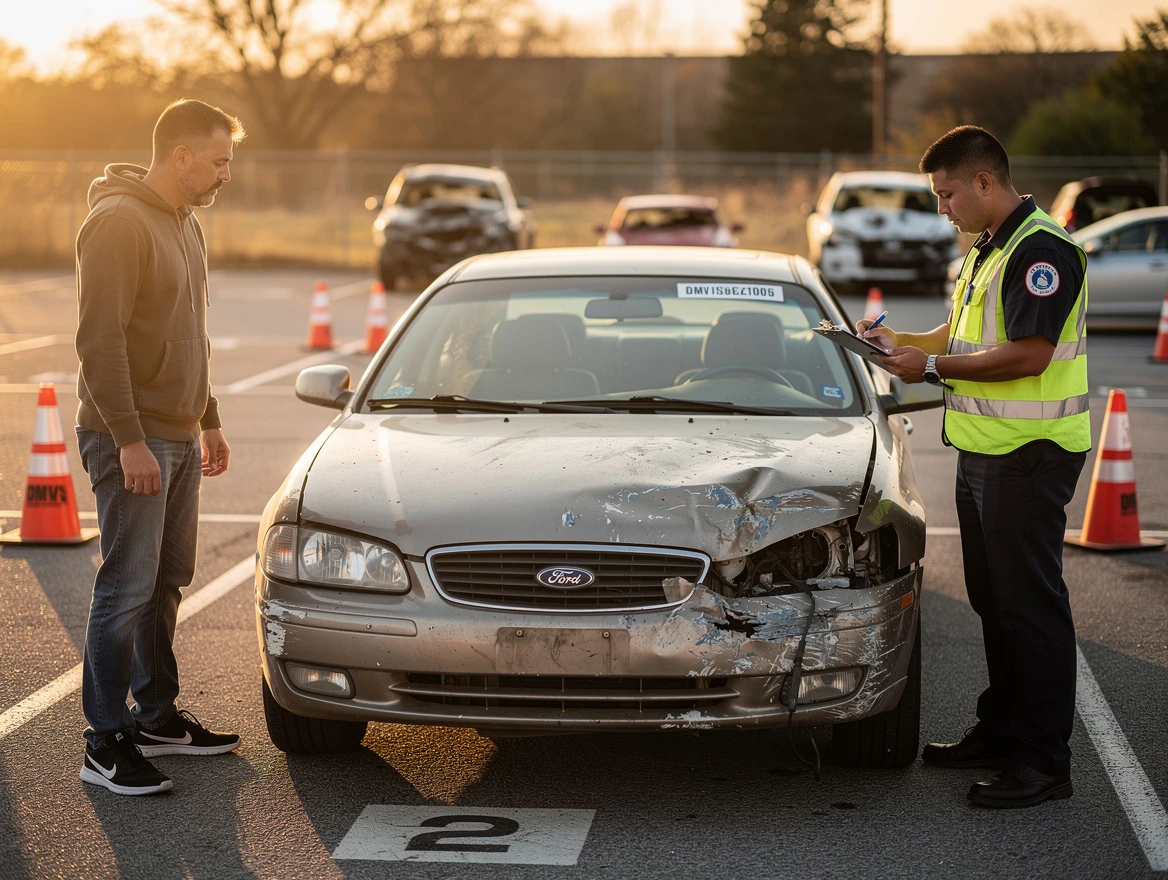
Reclaiming road eligibility for a salvaged vehicle requires converting the salvage certificate into a rebuilt brand. This process requires structural restoration, photo documentation of component exchanges, and state vehicle identification checks. Once granted, a rebuilt title lets you purchase license plates and secure standard road insurance.
Ready to register your vehicle?
Join thousands of vehicle owners who use Dirt Legal to handle their registration quickly.
Documenting the Structural Rebuild
State inspectors demand clear proof that all replacement components were acquired. Keep detailed purchase invoices for every replacement panel, air bag module, frame rail, and drivetrain part. Invoices must show the donor vehicle Identification Number (VIN) to confirm parts were not stripped from stolen property. Running a serial lookup before buying donor pieces is essential; you can cross-check vehicle records via the NHTSA VIN Decoder to verify safety recalls and factory specs.
Passing the State Highway Patrol Inspection
Following mechanical repairs, you must present the rebuilt car for physical examination by designated state inspectors, typically highway patrol officers or certified salvage evaluators. The examiner inspects structural alignment, emissions hardware, safety components, and stamped VIN plates. If the examiner detects component tampering or missing receipts, your vehicle title application will stall. To understand the verification process, check out our guide on Too Good To Be True: Beware of Vehicle Cloning.
Securing a Rebuilt Title Certificate
Upon passing the examination, the inspector provides an approval certificate. You then submit this documentation alongside the salvage title and payment for title fees to the motor vehicle agency. The state will issue a fresh registration document marked with a permanent 'Rebuilt Salvage' brand, permitting standard registration.
How to Register or Reclaim an Abandoned Vehicle Through Proper Procedures
Reclaiming an abandoned vehicle requires completing a binding notification sequence to protect the constitutional due process rights of prior owners. State laws protect lienholders and titleholders by requiring documented attempts at contact before transferring property title. Attempting to bypass these requirements can subject you to civil liability or conversion charges.
Locating Registered Owners and Lienholders
The first task involves conducting an inquiry through state motor vehicle registries or local law enforcement. You must send certified letters with return receipt requested to all known parties, including lending institutions holding active security interests. The notice must detail the vehicle year, make, model, VIN, and location, providing a statutory window, usually 30 days, for the owner to satisfy impound expenses and reclaim the unit. When state computer systems drop old files, follow our directions for when a vehicle no longer in dmv records to find archived records.
Publishing Public Notice
If certified mail attempts return undelivered, most jurisdictions require publishing a notice in a county-approved print newspaper. The notice must run once a week for consecutive weeks, outlining your intention to claim an abandoned title or an auction. This notice serves as warning to creditors and prior operators.
Filing for Landowner Liens or Bonded Titles
If nobody claims the vehicle following the notification window, you may petition the county clerk or civil court for an ownership award. Alternatively, many owners establish ownership using a surety bond. A bonded title requires purchasing a three-year security bond based on 1.5 to 2 times the appraised vehicle value. For alternative approaches to lost paperwork, read How to Title a Vehicle Without a Title: Compliance Options.
See How We Can Help With Your Registration →
Pathways for Titling Salvaged vs. Abandoned Vehicles
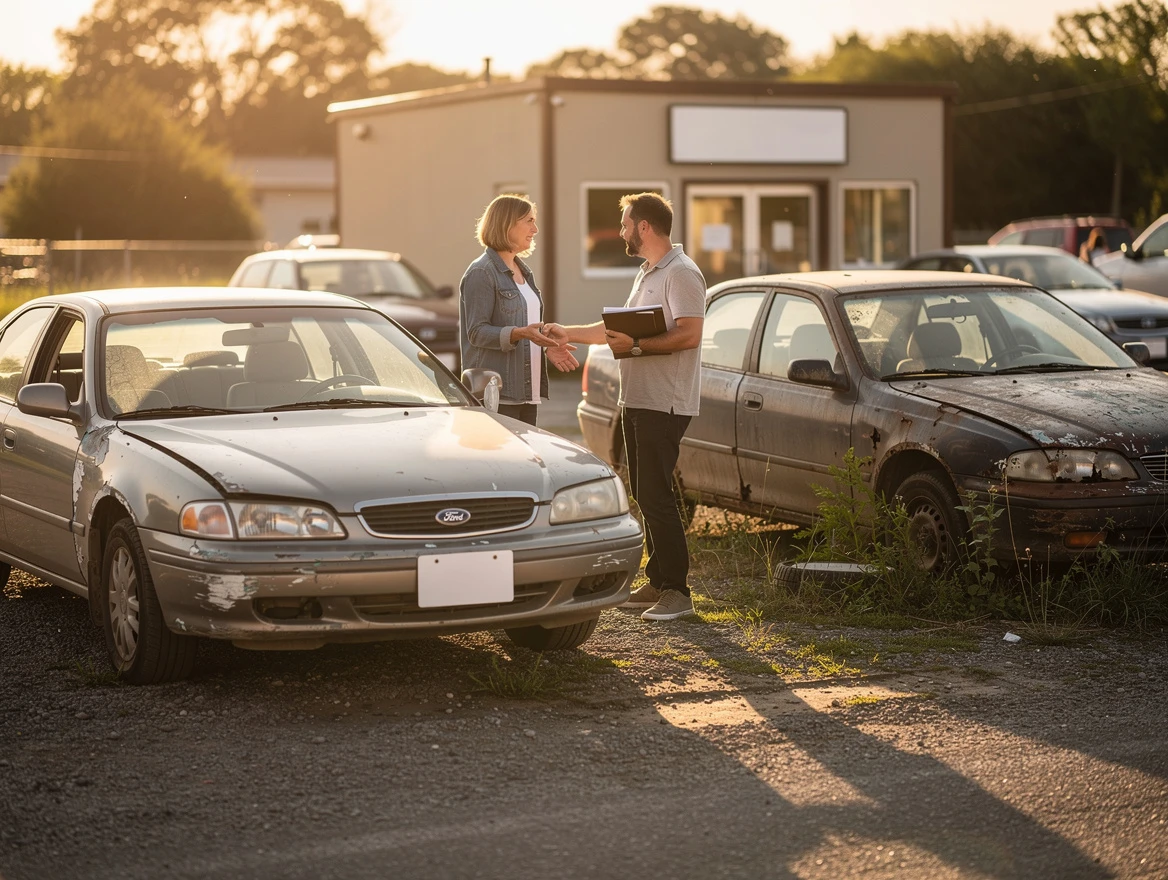
Comparing paperwork pathways helps clarify timelines, inspection standards, and common hurdles across vehicle categories. Review the requirements below before choosing how to pursue road readiness.
| Category | Primary Challenge | Mandatory Inspection | Title Brand Result | Typical Timeline |
|---|---|---|---|---|
| Salvaged Vehicle | Proof of street-legal parts purchase | Yes (State Highway Patrol / Salvage) | Rebuilt Salvage | 4 to 12 Weeks |
| Abandoned (Private Land) | Locating previous titleholder | Yes (VIN Physical Verification) | Clean or Bonded | 6 to 16 Weeks |
| Barn Find / Bill of Sale | Lack of formal chain of title | Occasionally (VIN verification) | Bonded or Out-of-State Clean | 3 to 8 Weeks |
| Total Loss / Water Damage | Complex flood damage branding | Yes (Safety and Electrical) | Flood Salvage / Rebuilt | 8 to 20 Weeks |
Alternative Titling Paths: Out-of-State Solutions for Problem Titles
Owners dealing with stubborn local DMV rules often look at out-of-state filing options to secure paperwork for their vehicles. Certain jurisdictions offer clearer, accessible titling frameworks for older machines, vehicles bought on an automotive bill of sale, and reconstructed vehicles.
Using Montana Registration for Reconstructed Vehicles
Montana permits vehicle owners across the United States to establish ownership through business entities. By setting up an LLC, your company can hold title to motor vehicles, trailers, and powersport equipment. Montana does not assess general sales taxes on vehicle purchases, making it a popular choice for restoring road eligibility to unique projects. You can review requirements for Montana LLC services to see if your build qualifies. When titling through this route, verify statutory requirements on the official Montana Motor Vehicle Division portal.
For owners managing high-value rebuilds or specialty machines, establishing business entity ownership provides an organized structure. Many collectors also appreciate the option for permanent vehicle registration montana offers on vehicles eleven years old and older, which removes the need for annual sticker renewals.
South Dakota Non-Resident Paperwork Pathways
South Dakota represents another flexible path for titling challenges. The state allows out-of-state residents to register vehicles without visiting local government counters in person, provided all property taxes and paperwork requirements are met. This makes it practical for reclaiming road status on classic barn finds or vehicles transferred without a full chain of title documents. Dirt Legal has completed over 6,000 customer orders to date (lifetime through current month, n=6,285), guiding vehicle owners nationwide through out-of-state processes.
If you encounter bureaucratic roadblocks locally, consider working with title recovery services: how to get a vehicle title in your name to untangle missing ownership links.
Frequently Asked Questions
Do you register vehicles with a salvaged title?
Yes, vehicles with a salvage title can be processed once they meet necessary rebuild requirements and safety verifications. A vehicle cannot be operated on public roadways while holding an active salvage title; it must first be transitioned into a rebuilt salvage title. Our team provides paperwork support to help coordinate the documentation, out-of-state titling files, and administrative steps required to bring these vehicles back into street-legal standing.
What is the cost to register a vehicle?
The cost to register a vehicle varies based on your chosen state, vehicle age, weight classification, and declared purchase value. Standard expenses include initial application filing charges, title production fees, county administrative fees, and required license plate manufacturing costs. If using business structures or specialty processes, agent service fees and corporate annual filing fees may apply. Contact our team to receive an exact quote based on your specific vehicle and paperwork history.
What documents are needed to register a vehicle?
Registering a vehicle typically requires the active title or assigned salvage certificate, a valid bill of sale automotive document, government identification, and proof of active insurance coverage. When processing abandoned or rebuilt assets, you also need physical VIN verification documents, mechanical component receipts, inspection clearance reports, and copies of any public notices or certified mail receipts sent to prior titleholders.
What are the eligibility requirements to register a vehicle?
Eligibility requires demonstrating undisputed ownership, providing verified identification, and confirming the VIN is free from active theft reports or non-repairable junk certificates. The vehicle must comply with state mechanical safety standards, including operational lighting, brakes, and street equipment, while remaining free of unsatisfied tax or mechanic liens.
Can an LLC be used to register a vehicle?
Yes, an LLC can hold title to and register motor vehicles, trailers, and powersport equipment. You first form a limited liability company, typically in a business-friendly jurisdiction like Montana. The LLC serves as the owner of the asset, and the state issues the title and registration documents directly in the company name. This provides corporate asset separation while allowing multi-state asset use.
How long does it take to get a rebuilt title?
Converting a salvage document into a rebuilt title generally takes between 4 and 12 weeks. The timeline depends on repair completion, scheduling availability for state highway patrol or law enforcement inspections, and the processing speed of the state motor vehicle agency reviewing your application packet.
Start Your Registration Today →
Learning how to register or reclaim a salvaged or abandoned vehicle empowers you to take control of stalled project cars and barn finds. Follow established administrative procedures, document repairs thoroughly, and verify VIN records to protect your automotive investments and get your ride back where it belongs, cruising the open road.