California Driving Laws: A Complete Guide for Drivers
Master California driving laws: a complete guide covering speed limits, hands-free rules, registration mandates, transfers, and smog compliance.
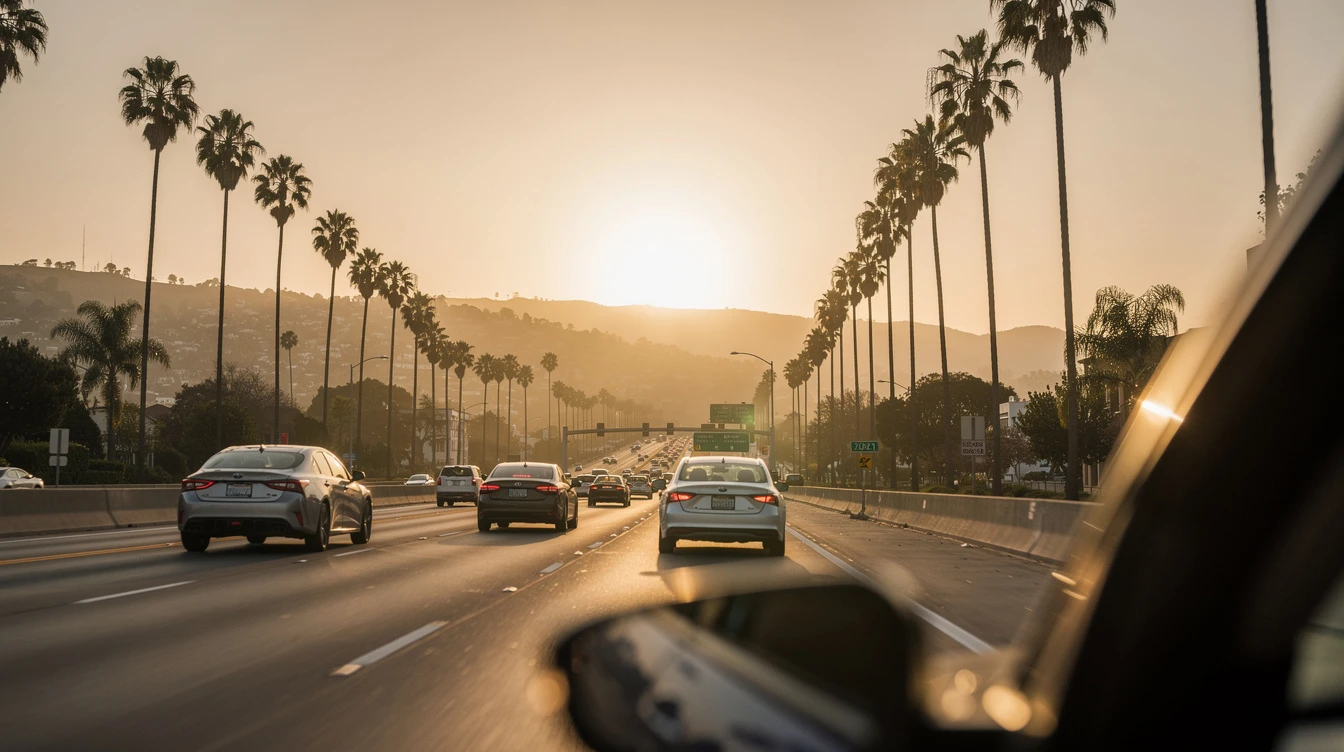
California driving laws: a complete guide is essential reading for anyone operating a motor vehicle on the Golden State's highways, rural routes, or crowded metropolitan streets. California enforces some of the strictest roadway regulations and automotive mandates in the nation, governing everything from cellphone usage behind the wheel to emissions testing and title transfers. You will learn the exact operational rules of the road, equipment compliance mandates, strict registration timelines, and how out-of-state paperwork affects your status on California pavement.
Driving across California requires understanding both basic traffic safety codes and complex ownership documentation. Getting caught unprepared by local law enforcement or the state Highway Patrol can lead to expensive citations, license points, or impoundment. We walk through the core statutory frameworks so you can keep your vehicle fully compliant without costly headaches.
California highways present unique statutory obligations that differ significantly from other states. Taking time to review these statutes prevents surprise fines and keeps your driving privileges intact.
Core Traffic Regulations in California Driving Laws: A Complete Guide
Updated on October 5, 2026
California Vehicle Code (CVC) establishes strict behavioral standards for all drivers sharing public roads. Law enforcement agencies throughout California monitor adherence to basic speed rules, lane positioning, and right-of-way protocols with zero tolerance for dangerous driving behaviors.
Basic Speed Law and Maximum Limits
California operates under the Basic Speed Law defined in CVC Section 22350, which dictates that no person shall drive at a speed greater than is reasonable or prudent having due regard for weather, visibility, traffic, and road surface conditions. Even if a posted sign reads 65 mph, driving 50 mph through dense tule fog or heavy rain can result in a valid citation if deemed unsafe. The default maximum speed limit on California multi-lane freeways is 65 mph, though select rural corridors allow up to 70 mph when explicitly posted. Two-lane undivided highways carry a default maximum speed limit of 55 mph unless signs indicate otherwise. School zones with children present, blind intersections, and alleyways enforce a strict 25 mph or 15 mph ceiling depending on local signage.
Hands-Free Electronic Device Mandates
CVC Section 23123.5 prohibits handheld wireless telephone use while operating a motor vehicle on any public roadway. A driver cannot hold a smartphone, tap multiple navigation buttons, or read text messages while sitting behind the wheel, even when paused at a red light or stopped in traffic. Handheld voice calls are strictly banned unless using an earpiece or an integrated hands-free dash setup. Drivers under the age of 18 cannot use a cell phone in any manner, including voice-activated or Bluetooth connections, except during genuine emergency calls to first responders. Mounting a smartphone to your windshield or dashboard is allowed only if placed in a 7-inch square in the lower corner of the windshield or a 5-inch square in the lower corner on the driver side.
Lane Splitting and Carpool Lane Compliance
California remains notable for formally street-legalizing motorcycle lane splitting under California Vehicle Code Section 21658.1. Motorcyclists can travel between lanes of stopped or slow-moving traffic provided they do so at a safe, prudent speed relative to surrounding vehicles. High-Occupancy Vehicle (HOV) lanes require two or more occupants in most regions, although specific Bay Area express lanes enforce three-occupant minimums during peak commuting windows. Crossing double solid yellow or white lines to enter or exit an HOV lane is strictly prohibited and carries significant monetary fines. Drivers must wait for designated dashed openings before merging across carpool lane boundaries.
Vehicle Equipment Mandates Under California Driving Laws: A Complete Guide
California enforces detailed mechanical standards regarding visibility, lighting, sound levels, and modifications before any automobile can travel on state roadways. Equipping your vehicle according to statutory minimums keeps you safe and helps avoid equipment fix-it tickets from local patrol officers.
Ready to register your vehicle?
Join thousands of vehicle owners who use Dirt Legal to handle their registration quickly.
Window Tint and Visibility Regulations
California Vehicle Code Section 26708 regulates aftermarket window tinting to make sure clear driver visibility and officer safety during traffic stops. The windshield may only have non-reflective tint applied along the top four inches. The front driver side and front passenger side windows must allow at least 70 percent light transmittance when paired with factory glass. Rear side windows and the rear window have no darkness limitation, provided the vehicle is equipped with dual side mirrors that provide at least 200 feet of rearward visibility. Metallic or reflective tint materials that create mirror-like glare are not compliance in all vehicle glass surfaces.
Exhaust Sound and Noise Thresholds
California Vehicle Code Section 27151 outlaws any exhaust modification that amplifies or increases motor vehicle noise beyond specific decibel limits. Passenger cars and trucks weighing under 6,000 pounds gross vehicle weight must not emit sound exceeding 95 decibels when tested under Society of Automotive Engineers standard J1169 procedures. Law enforcement officers equipped with field sound meters can issue mandatory citations requiring certified referee inspection testing. Using an exhaust cutout, bypass, or straight pipe on California public streets violates emissions and noise statutes, generating steep court fees and mandatory correction paperwork.
Headlight and Auxiliary Lighting Equipment
California law requires operational headlights from a half-hour after sunset to a half-hour before sunrise, or whenever visibility drops below 1,000 feet. CVC Section 24400 also mandates that headlights must be switched on whenever weather conditions require continuous wiper operation. Off-road light bars, auxiliary LED pods, and aftermarket fog lights must be capped or kept off while driving on public highways unless they are mounted below 42 inches and meet specific Department of Transportation beam aim criteria. Driving with neon underglow or non-compliant colored forward lighting such as red or blue bulbs is an immediate infraction.
Registration, Smog, and Titling Mandates in California Driving Laws: A Complete Guide
Securing valid ownership papers and registration tags represents a critical component of California road compliance. Missing paperwork, expired decals, or skipped emissions checks create severe financial liabilities and complications.
Smog Check Rules and Emissions Exemptions
The California Bureau of Automotive Repair oversees the Smog Check Program across designated inspection areas. Gasoline-powered cars manufactured in 1976 or newer must pass a biennial emissions inspection to renew their annual license decals. Diesel-powered passenger vehicles model year 1998 and newer with a gross weight rating under 14,000 pounds face identical biennial testing. Electric vehicles and gasoline models aged eight model years or newer are exempt from standard biennial smog checks, though new cars incur an annual smog abatement fee. If a vehicle fails an emissions inspection, the owner must complete necessary repairs through a licensed test-and-repair station to finalize registration.
New Resident 20-Day Registration Window
Under CVC Section 4000.4, a vehicle based in California or primarily using California highways must be registered with the state. New residents establishing domicile or accepting gainful employment inside California have exactly 20 days to complete registration with the California Department of Motor Vehicles. Failing to complete this process within statutory timeframes results in escalating penalty fees. Drivers often struggle with out-of-state paperwork during this window, especially when dealing with missing titles, lien releases, or out-of-state transfers. If your original paperwork is missing, learning how to register your vehicle through remote documentation paths can help establish valid ownership records before problems arise.
Title Transfers and Automotive Bill of Sale Requirements
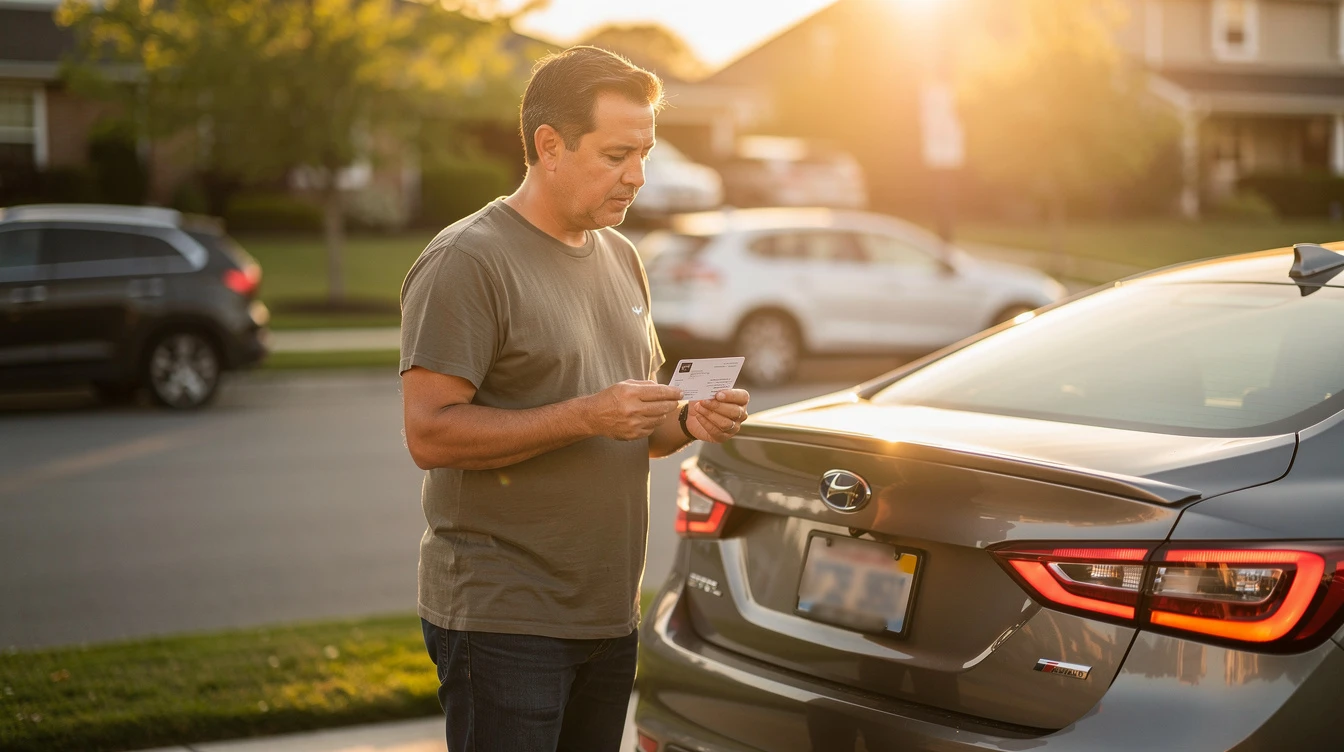
When buying or selling a used vehicle inside California, both parties must record the transaction accurately. The seller must submit a Notice of Transfer and Release of Liability within five days of sale to avoid future toll or parking citations. The buyer must finalize a dmv title transfer within 10 days of purchase. A compliant bill of sale automotive document must detail the full purchase price, date of sale, accurate odometer disclosure, and full signatures of all parties. If the title is misplaced during a transaction, an auto title replacement process is necessary to prove chain of custody. For buyers stuck with incomplete records, our guide on 5 Big Risks You Take by Buying a Car Without a Title highlights why resolving paperwork errors quickly protects your investment.
See How We Can Help With Your Paperwork →
Out-of-State Ownership and Corporate Registrations in California
California actively investigates out-of-state registrations used by state residents to sidestep local fees and environmental tests. Operating an out-of-state vehicle inside California requires an understanding of residency rules, taxation, and valid interstate commerce laws.
The California Highway Patrol CHEEP Program
The California Highway Patrol operates the California Foreign License Plate Registration Program, commonly known as CHEEP. This program encourages citizens and local authorities to report California residents who maintain out-of-state license plates on vehicles garaged inside the state. If an individual lives in California, works in California, sends children to California schools, or registers to vote in the state, the state considers them a resident. Operating a passenger car under out-of-state plates while meeting residency criteria can trigger tax audits from the California Department of Tax and Fee Administration, along with back fees and penalties. Investigating whether Register Under Montana LLC But Live In California: Insurance Guide applies to your specific vehicle profile helps prevent costly compliance mistakes.
Corporate Entity Holding and Interstate Fleets
Corporate entities often hold vehicle assets across state borders for genuine operational reasons. Many businesses manage vehicles through a Montana LLC Vehicle Registration for operational flexibility, commercial asset protection, and streamlined administrative processing. Montana does not assess statewide vehicle sales tax, making it a popular choice for nationwide equipment holding, as outlined in our review of how Montana Department of Revenue, Vehicle Taxes operate. However, if a vehicle registered under Montana car plates is permanently garaged in Los Angeles or San Francisco, California authorities expect local registration. Those using corporate registrations must maintain legitimate entity filings with the Montana Secretary of State, Business Entity Search and understand state laws governing where the asset physically operates.
Recreational Vehicles, Powersports, and Specialty Titles
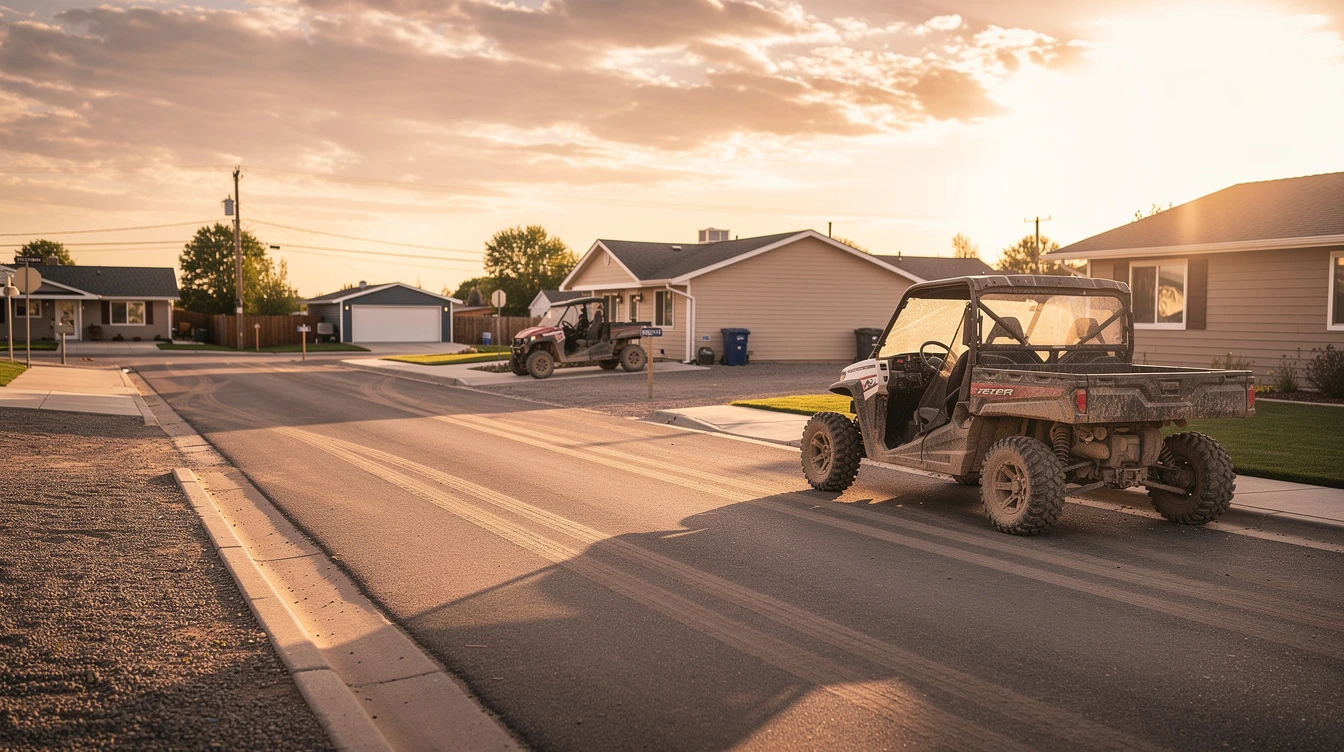
Specialty vehicles like off-road buggies, dirt bikes, and custom conversions face strict air quality barriers under the California Air Resources Board (CARB). Many dirt-focused machines lack the necessary Federal Motor Vehicle Safety Standards labels or emissions equipment required for California highway tags. Owners often seek alternative out-of-state titling for recreational mobility. You can review how the process works to understand how different states manage street-legal conversions for non-traditional machinery. Understanding How to Title a Vehicle Without a Title: Compliance Options provides clarity when dealing with older barn-find machines or abandoned specialty builds.
| Law / Regulation | California Statutory Rule | Penalties for Non-Compliance |
|---|---|---|
| Hands-Free Driving (CVC 23123.5) | Zero handheld phone use while driving | Base fine $20 (first), $50 (repeat), plus court fees |
| Basic Speed Law (CVC 22350) | Speed must match current conditions safely | Moving violation citation and 1 license point |
| Window Tint (CVC 26708) | Front side glass must allow 70% light transmission | Correctable fix-it ticket or monetary citation |
| Smog Inspection (BAR Program) | Biennial check for 1976+ gas vehicles | Renewal denial and inability to operate legally |
| Resident Registration (CVC 4000.4) | Must register vehicle within 20 days of moving | Back registration fees, penalties, and tax audits |
| Exhaust Noise (CVC 27151) | 95 dB limit for passenger cars under 6,000 lbs | Non-correctable fine and mandatory referee inspection |
Complying with these statutory regulations keeps your driving record clean and protects you from sudden administrative impounds. Knowing what paperwork is needed beforehand saves hours of frustration.
Insurance, DUI Penalties, and Driver Licensing Mandates
California imposes severe criminal and civil penalties for driving without financial responsibility or operating a vehicle while impaired. Keeping adequate insurance limits and an active driver license protects your driving status across all fifty states.
Mandatory Minimum Liability Coverage
California drivers must carry active automobile liability insurance under California Insurance Code Section 11580.1b. California raised its mandatory statutory minimums to maintain pace with modern collision costs. Drivers must carry minimum bodily injury coverage of $30,000 per person and $60,000 per accident involving multiple people, alongside $15,000 in property damage protection. Failing to produce proof of insurance during a traffic stop results in fines and potential registration suspension. Electronic proof of insurance on a smartphone screen is fully accepted by California law enforcement officers during roadside stops.
DUI Laws and Blood Alcohol Concentration Limits
California enforces zero tolerance for impaired driving under California Vehicle Code Section 23152. It is unlawful for any person with a Blood Alcohol Concentration (BAC) of 0.08 percent or higher to operate a motor vehicle. Commercial vehicle operators face a stricter limit of 0.04 percent, while drivers under the age of 21 face immediate administrative suspension for a BAC of 0.01 percent or greater under zero-tolerance rules. First-offense DUI penalties include up to six months in jail, license suspension for up to ten months, mandatory DUI educational programs, and mandatory ignition interlock device (IID) installation to retain restricted driving privileges.
Automated Enforcement and Red-Light Cameras
Many California municipalities use automated red-light photo enforcement cameras at busy intersections. Under CVC Section 21455.5, clear photo evidence capturing both the vehicle license plate and the driver's face is required to issue a valid notice to appear. Turning right on red without coming to a complete stop before the limit line remains an infraction frequently caught by camera systems. If you receive a photo enforcement citation, inspect the photographic evidence to confirm the operating driver matches your identity before proceeding with court options.
Dirt Legal has completed over 6,000 customer orders to date (lifetime through current month, n=6,285), helping drivers nationwide resolve complicated title gaps and out-of-state paperwork challenges. When dealing with difficult vehicle paperwork, having reliable support prevents endless delays and wasted administrative trips.
Frequently Asked Questions About California Driving Laws
Can I drive in California with an out-of-state driver's license?
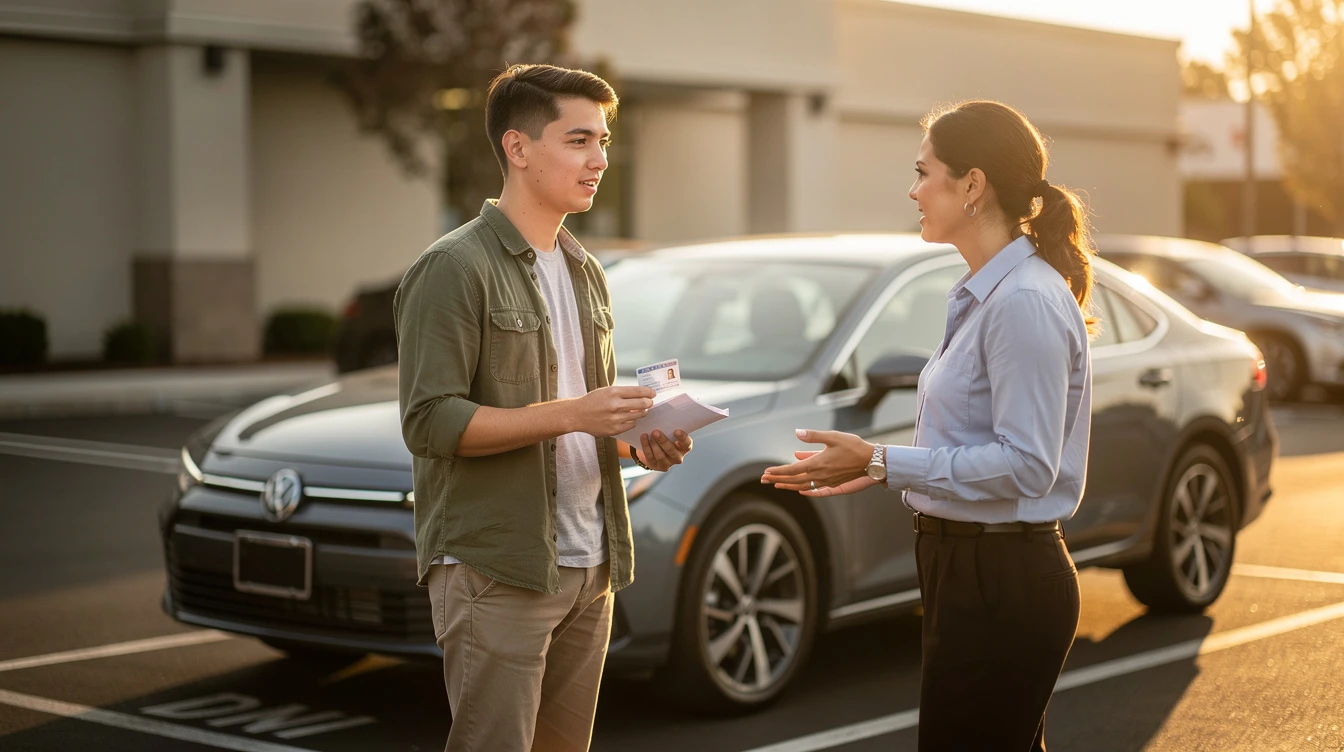
Yes, non-residents who are at least 18 years old can drive in California using a valid driver license issued by their home state or country. However, once you establish permanent residency or accept employment in California, state law requires you to obtain a California driver license within 10 days.
Is lane splitting allowed for motorcycles on California freeways?
Yes, motorcycle lane splitting is compliant under California Vehicle Code Section 21658.1. Motorcyclists can ride between occupied lanes of traffic moving in the same direction, provided they ride at a safe speed relative to surrounding traffic conditions. Impeding or blocking a motorcycle lane splitter is not compliant for automobile drivers.
What is California's move-over law?
California Vehicle Code Section 21809 requires drivers approaching stationary emergency vehicles, tow trucks, or California Department of Transportation highway maintenance vehicles with flashing amber or emergency lights to move over one lane when safe to do so. If lane changing is unsafe or impossible, the driver must slow down to a prudent speed.
How long do I have to register my vehicle after moving to California?
You have exactly 20 days to register your vehicle with the California DMV after establishing residency or accepting employment within the state. Failing to register within this period triggers penalty fees that escalate based on the total time past the 20-day limit.
Are digital license plates street-legal to use in California?
Yes, digital license plates manufactured by approved vendors are street-legal for road use in California under state pilot program authorizations. The digital plate must be mounted on the rear of the vehicle, remain legible, and display active registration status.
Can I turn right on a red arrow in California?
No, you cannot turn right on a solid red arrow under California Vehicle Code Section 21453. You must remain stopped behind the limit line until a green arrow or green signal light appears. A right turn on a traditional solid circular red light is permissible after coming to a complete stop and yielding to oncoming traffic and pedestrians, unless a sign states otherwise.
Start Your Registration Today, Effortless Paperwork Support →
Understanding California driving laws: a complete guide provides you with the knowledge needed to handle the state's roadways safely and avoid expensive citations. Whether addressing equipment standards, basic speed safety, or title and registration requirements, staying proactive ensures your vehicle remains compliant across every mile.