What Does MSO Stand For in Automotive? Complete Guide
MSO stands for Manufacturer's Statement of Origin in automotive. Learn what it is, why it matters, and how it differs from a title.

MSO stands for Manufacturer's Statement of Origin, a critical document that serves as proof a vehicle's manufacturer built it and originally owned it before shipping it to dealers or distributors.
When you buy a brand-new vehicle directly from a dealership, the MSO is what the manufacturer provides to establish the initial chain of ownership. It's the first document in a vehicle's official history, and it's essential for getting your vehicle's title transferred into your name.
In This Guide
- What Is an MSO and Why Does It Matter?
- How Does an MSO Differ From a Vehicle Title?
- What Happens to the MSO When You Buy a New Vehicle?
- Can You Register a Vehicle With Just an MSO?
- What If Your MSO Is Lost or Damaged?
- Frequently Asked Questions
What Is an MSO and Why Does It Matter?
An MSO is a document issued by the vehicle manufacturer (such as Ford, Honda, Toyota, or BMW) to certify that they built the vehicle and originally held ownership before it left the factory.
The MSO contains critical information: the vehicle's VIN (Vehicle Identification Number), the manufacturing date, the owner's name (usually the dealer), and details about the vehicle itself. It acts as the foundation of your vehicle's ownership chain.
The MSO matters because every new vehicle needs one to establish ownership. Without it, you cannot obtain a registered title in your name, and you cannot drive the vehicle on public roads. State DMVs use the MSO to confirm the vehicle exists and that the manufacturer authorizes its transfer to civilian ownership.
When you buy a new car from a dealer, the dealership handling the sale receives the MSO from the manufacturer. The dealer then processes it through the state DMV as part of your registration and title transfer paperwork. This is typically handled automatically as part of the sale process, though you should always verify that the dealership has submitted your MSO to avoid delays.
How Does an MSO Differ From a Vehicle Title?
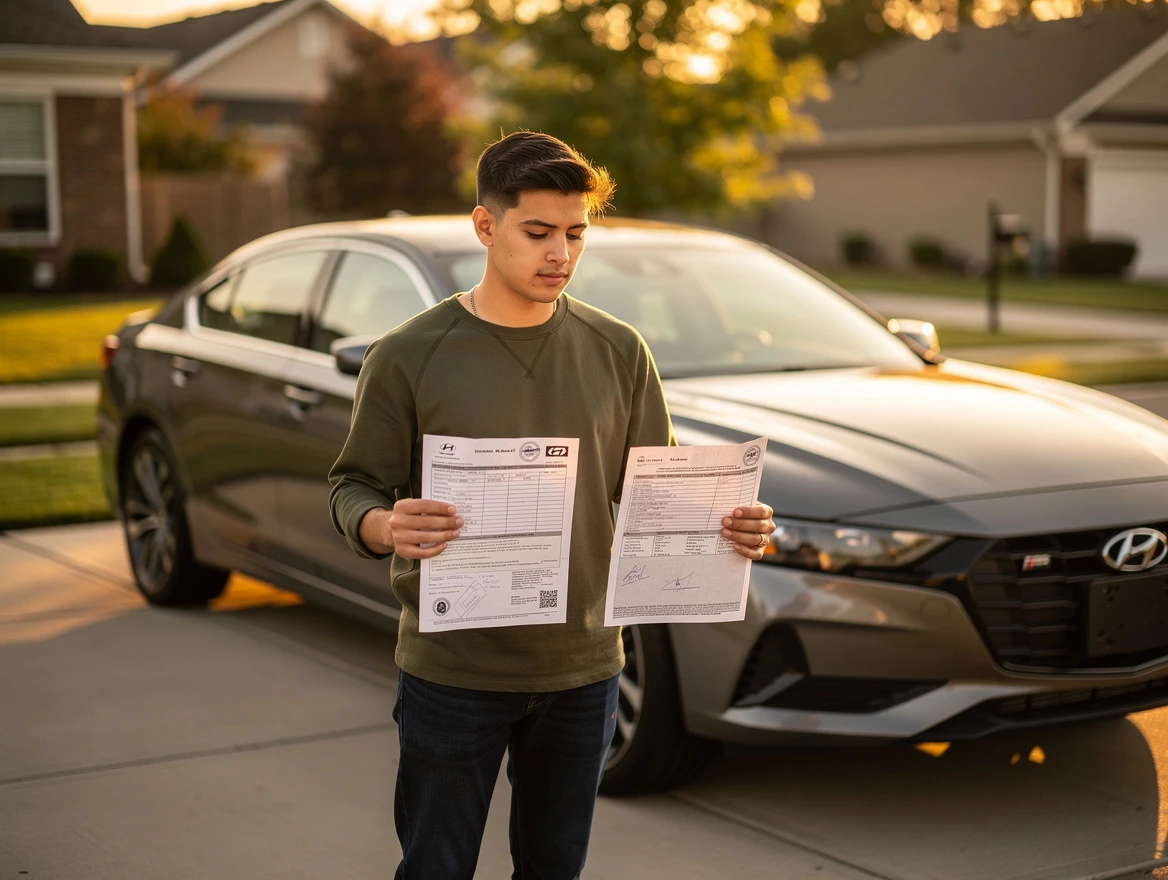
The MSO and vehicle title are two separate documents that serve different purposes in the ownership chain. Many people confuse them because they both relate to ownership, but they're not interchangeable.
Ready to register your vehicle?
Join thousands of vehicle owners who use Dirt Legal to handle their registration quickly.
An MSO is issued by the manufacturer and proves the vehicle was built by them. A title is issued by your state's DMV and proves you own the vehicle. The MSO is a one-time document that starts the process, while a title is what you'll renew annually (or as required by your state).
| Aspect | MSO (Manufacturer's Statement of Origin) | Vehicle Title |
|---|---|---|
| Issued By | Vehicle manufacturer | State DMV |
| Proves | Vehicle was built by manufacturer | You are the owner |
| Timing | Created at factory, used once during initial sale | Created after MSO is submitted to DMV |
| Renewed | No, it's a one-time document | Yes, annually or per state requirement |
| Contains VIN | Yes | Yes |
| Shows Owner Name | Initially shows manufacturer or dealer | Shows registered owner's name |
Think of it this way: the MSO is the vehicle's birth certificate from the factory. The title is your ownership proof from the government. You can't drive or own a vehicle with just an MSO, but without one, you can't get a title in the first place.
What Happens to the MSO When You Buy a New Vehicle?
The MSO is transferred through a standard process that starts at the factory and ends at your state's DMV.
Here's how the typical flow works:
- The manufacturer creates the MSO at the factory. When the vehicle rolls off the production line, the manufacturer issues the MSO with the VIN, build date, and other vehicle specifications.
- MSO is sent to the dealer. The dealership receives the vehicle along with the MSO document as proof they now hold temporary ownership (as part of dealer inventory).
- You purchase the vehicle from the dealer. When you buy the car, the dealer signs over the MSO to transfer their interest to you.
- The dealer submits the MSO to your state DMV. The dealership typically handles this paperwork submission. They send the original MSO along with a registration application and your bill of sale to the DMV.
- DMV processes the MSO and issues your title. The state DMV reviews the MSO, confirms the VIN matches their records, and issues a new title in your name. The MSO is then filed away in the DMV's records.
- You receive your title and registration documents. These become your proof of ownership going forward.
In most cases, this entire process is handled by the dealership, and you won't directly interact with the MSO. However, if you're buying from an out-of-state dealer or handling a private sale of a recently manufactured vehicle, you may need to submit the MSO yourself.
Can You Register a Vehicle With Just an MSO?
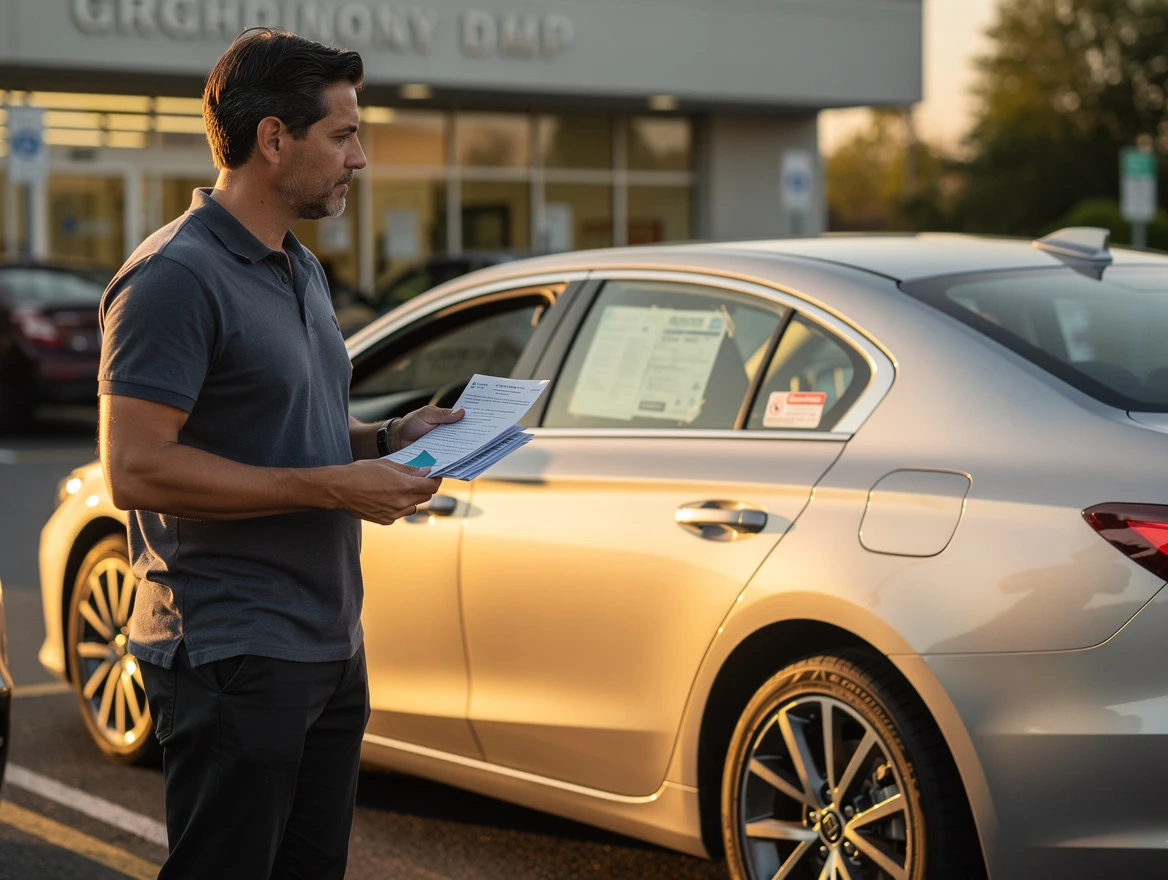
You cannot register a vehicle with only an MSO. Your state DMV requires the MSO as one of several documents, but not the only one.
To register and title a new vehicle, you typically need:
- The original MSO
- A completed registration application (varies by state)
- Proof of purchase (bill of sale or purchase agreement)
- Proof of insurance (most states require this)
- Identification (driver's license or government-issued ID)
- Proof of address (utility bill, lease, or similar)
- Payment for title and registration fees
The MSO is the foundation, but the DMV also needs to verify who you are, that you bought the vehicle legitimately, and that you have adequate insurance coverage. Without the MSO, you can't complete the process, but the MSO alone is not enough.
If you're registering a vehicle in a different state than where you purchased it, the out-of-state process may add extra steps. For example, some states require an inspection or additional emissions testing. If you're using a service like Street Montana Registration Assistance, specialists can guide you through what your specific state requires and make sure all documents are submitted correctly.
What If Your MSO Is Lost or Damaged?
If you lose or damage your MSO before it's submitted to the DMV, you'll need a replacement. The process for getting a replacement MSO varies depending on when you lost it and your state's rules.
If the MSO is lost before DMV submission (immediately after purchase):
- Contact the dealership that sold you the vehicle.
- The dealer may have a duplicate copy or be able to request one from the manufacturer.
- Some manufacturers can issue a replacement MSO if you provide proof of purchase and the VIN.
- This typically takes a few days to a couple of weeks.
If the MSO is lost after the DMV has already processed it:
- You don't need the original MSO anymore, since the DMV has your title.
- The MSO was filed with the DMV, so it's part of your vehicle's permanent record.
- You can contact your state DMV to request a certified copy if needed.
If your physical MSO document is damaged but still legible:
- Submit it with a cover letter explaining the damage.
- Include a copy of the VIN from your registration documents.
- Most DMVs will still accept it if the critical information (VIN, date, manufacturer name, signatures) is readable.
To avoid this headache, store your MSO safely from the moment you receive it until the dealer submits it to the DMV. Once the DMV issues your title, the MSO's role is complete, and you can store it with your other vehicle records.
Skip the Paperwork, Let Us Handle It ->
Frequently Asked Questions
What Does MSO Stand For in Automotive?
MSO stands for Manufacturer's Statement of Origin. It's a document issued by a vehicle's manufacturer to prove they built the vehicle and originally held ownership. The MSO contains the VIN, build date, and vehicle specifications, and it's required by state DMVs to process new vehicle title transfers and registrations.
What Does MSO Stand For in Cars?
In the context of cars and vehicles, MSO stands for Manufacturer's Statement of Origin. It's the same document used for all vehicle types (cars, trucks, SUVs, motorcycles, and RVs) to establish the initial ownership chain. Every new vehicle from a dealership comes with an MSO as part of the registration process.
What Does MSO Stand For on a Title?
On a vehicle title, MSO stands for Manufacturer's Statement of Origin. The MSO is not printed on your title itself, but rather it's submitted to the DMV before your title is issued. Your state title document will reference the MSO in the registration records, and the original MSO is filed with the DMV's records for that vehicle.
What Does MSO Stand For in Business?
Outside of automotive, MSO can stand for different things depending on the industry (such as Managed Service Organization in healthcare or business contexts). However, in automotive specifically, MSO always stands for Manufacturer's Statement of Origin. If you encounter "MSO" in a non-vehicle business context, verify the meaning with your document provider.
What Is an MSO?
An MSO is a document that serves as proof a vehicle was manufactured by a specific company and originally belonged to them before sale. It's the starting point of your vehicle's ownership history and is required to obtain a vehicle title from your state DMV. Without an MSO, you cannot register and own a new vehicle. The document includes the VIN, manufacturer name, build date, and initial owner information (typically the dealer).
What Does HMMWV Stand For?
HMMWV stands for High Mobility Multipurpose Wheeled Vehicle, commonly known as the Humvee or Hummer. The HMMWV is a military vehicle originally manufactured by AM General for the U.S. Armed Forces. Some HMMWVs have been sold to civilians through military surplus auctions. Each HMMWV has its own MSO (Manufacturer's Statement of Origin) for title and registration purposes, just like any other vehicle.