How to Apply for an Abandoned Vehicle Title
Learn how to apply for an abandoned vehicle title. Step-by-step guide covering title transfer, bonded titles, and state-specific requirements.
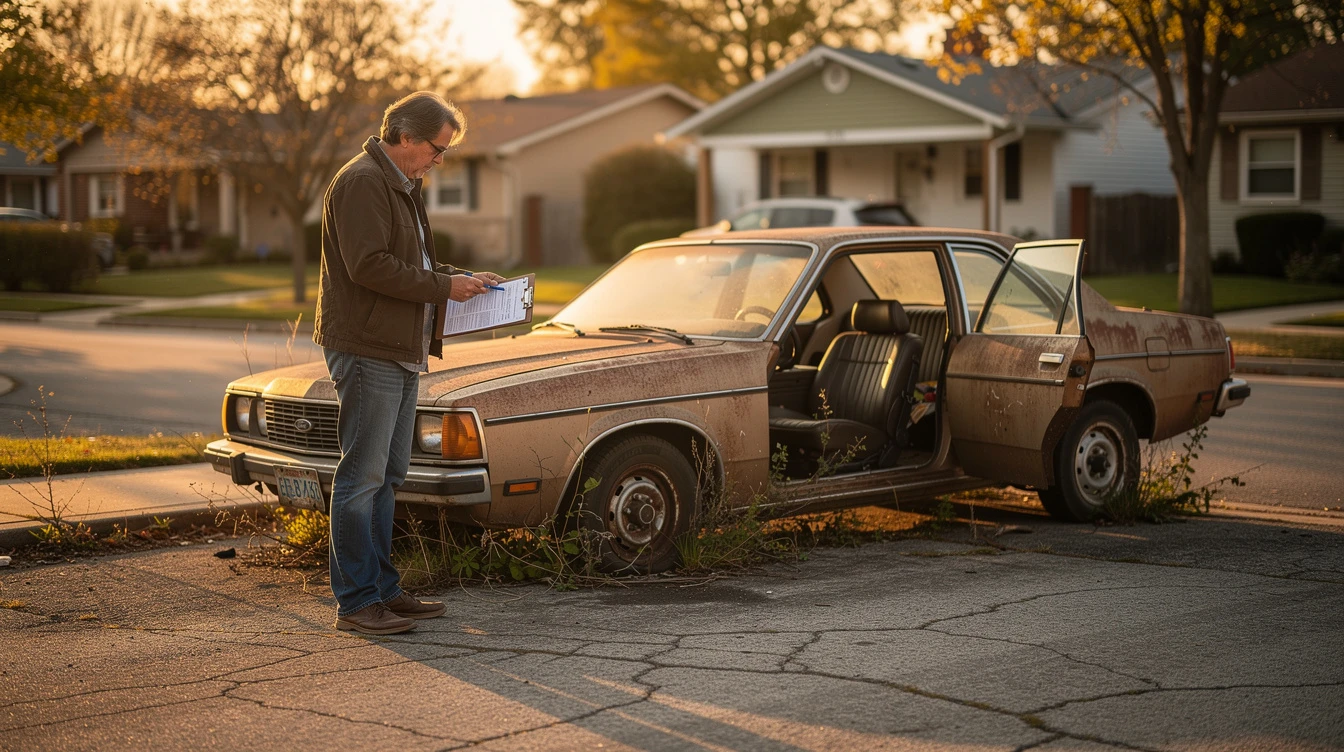
An abandoned vehicle title is typically obtained through a bonded title process or state-specific DMV procedures when the original title is unavailable or lost. The exact process depends on your state's requirements, how long the vehicle has been abandoned, and whether it still exists on a lienholder's records.
Check My Options ->
In This Guide
- What Is an Abandoned Vehicle Title?
- When Is a Vehicle Considered Abandoned?
- How to Get a Bonded Title for an Abandoned Vehicle
- Title Transfer Requirements by State
- Can You Register a Vehicle Without a Title?
- Frequently Asked Questions
What Is an Abandoned Vehicle Title?
An abandoned vehicle title is a certificate of ownership issued by a state's motor vehicle department for a vehicle that has no traceable original title document. This situation arises when a car was never titled in the current owner's name, the title was lost, or the vehicle was left behind for so long that standard title ownership records no longer apply.
States recognize that legitimate vehicle owners sometimes lack the original title paperwork. An abandoned title is a mechanism to establish ownership when normal documentation cannot be found. It's not a special class of title; it's simply a title issued under different evidentiary rules than a standard title transfer.
When Is a Vehicle Considered Abandoned?
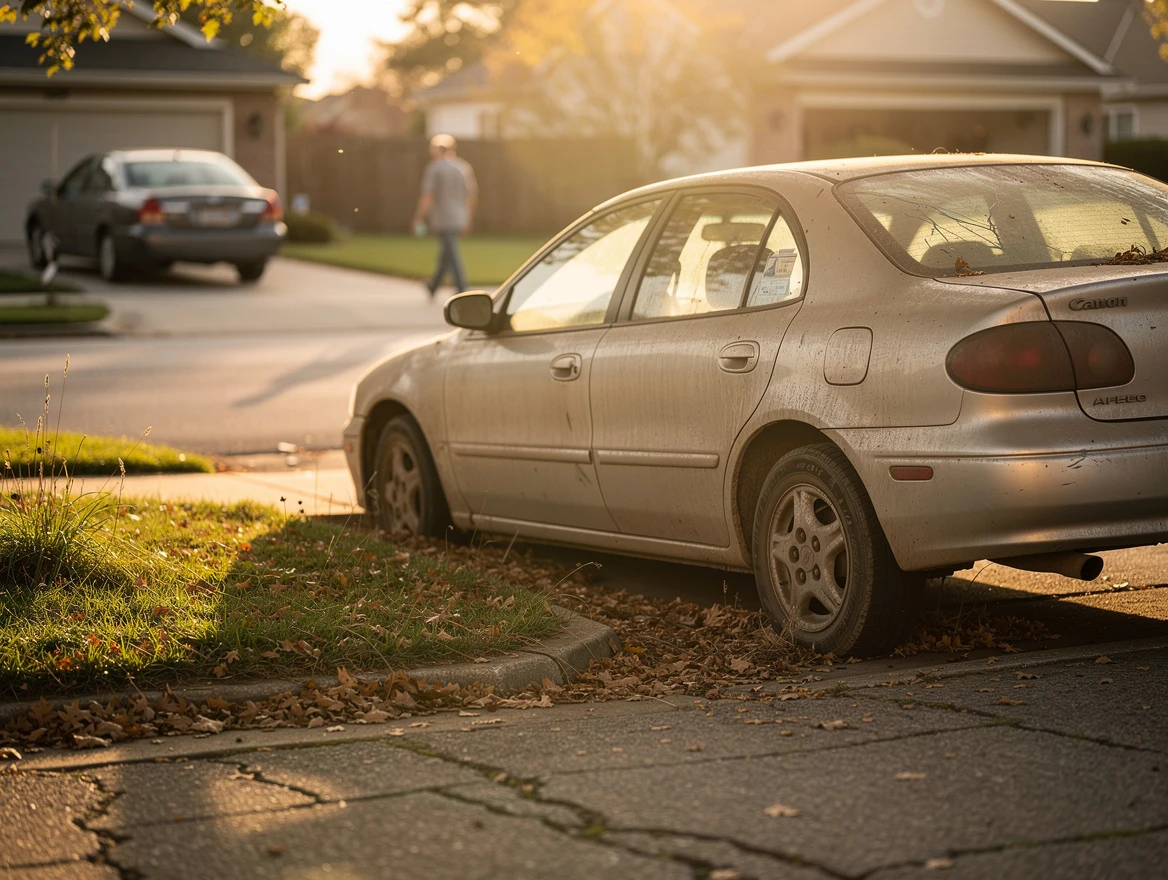
Vehicle abandonment definitions vary significantly by state. In most jurisdictions, a vehicle is considered abandoned when it has been left unattended on public or private property for a specified period without valid registration or plates. Common timeframes range from 10 to 90 days, though some states use different criteria.
Ready to register your vehicle?
Join thousands of vehicle owners who use Dirt Legal to handle their registration quickly.
- No active registration for 12+ months, common in many states
- Left on public property or roadside for 24-48 hours in some states
- No proof of ownership and no registered owner contact information available
- Lien status resolved, meaning any financial interest (bank, loan company) has been satisfied or released
- Vehicle sits on private property without the owner's consent for extended periods
Once a vehicle meets your state's abandonment criteria, the property owner or the state can initiate a formal abandonment process. This typically involves a notice period where the registered owner (if any) is given time to claim the vehicle. Only after that waiting period expires can a new owner apply for an abandoned vehicle title.
How to Get a Bonded Title for an Abandoned Vehicle
A bonded title is one of the most common paths to obtaining ownership of an abandoned vehicle. This process requires you to post a bond (a type of insurance) that protects previous owners or lienholders in case they later claim ownership. The bond amount is typically set by your state's DMV and is based on the vehicle's estimated value.
Bonded Title Step-by-Step Process
- Verify vehicle identification: Obtain the VIN from the vehicle. Use NHTSA's VIN decoder to verify the vehicle's history and confirm it matches the abandoned vehicle you're claiming.
- Contact your state's DMV: Request bonded title requirements and forms specific to your state. Each state has different documentation needs and bond amounts.
- Obtain proof of possession: Gather documentation showing you have rightful control of the vehicle (property owner's statement, photos, bill of sale from previous possessor if available).
- Get a surety bond: Contact an insurance agent or bonding company licensed in your state. They will issue a bond for the vehicle's estimated value. Typical bond costs range from 1, 10% of the vehicle's value, though this varies by state and company.
- Complete the abandoned title application: Fill out your state's title application form (often labeled "Application for Bonded Title" or "Application for Title Without Current Owner").
- Submit documentation to DMV: Mail or file online (if available) the completed application, surety bond, proof of possession, and any state-specific forms. Include the application fee (amounts vary by state).
- Wait for DMV processing: Bonded titles typically take 4, 12 weeks to process, though some states are faster.
- Receive bonded title: Once approved, the DMV issues your bonded title. The bond remains in effect for a set period (commonly 3, 5 years) during which the state guarantees you against ownership claims.
Title Transfer Requirements by State
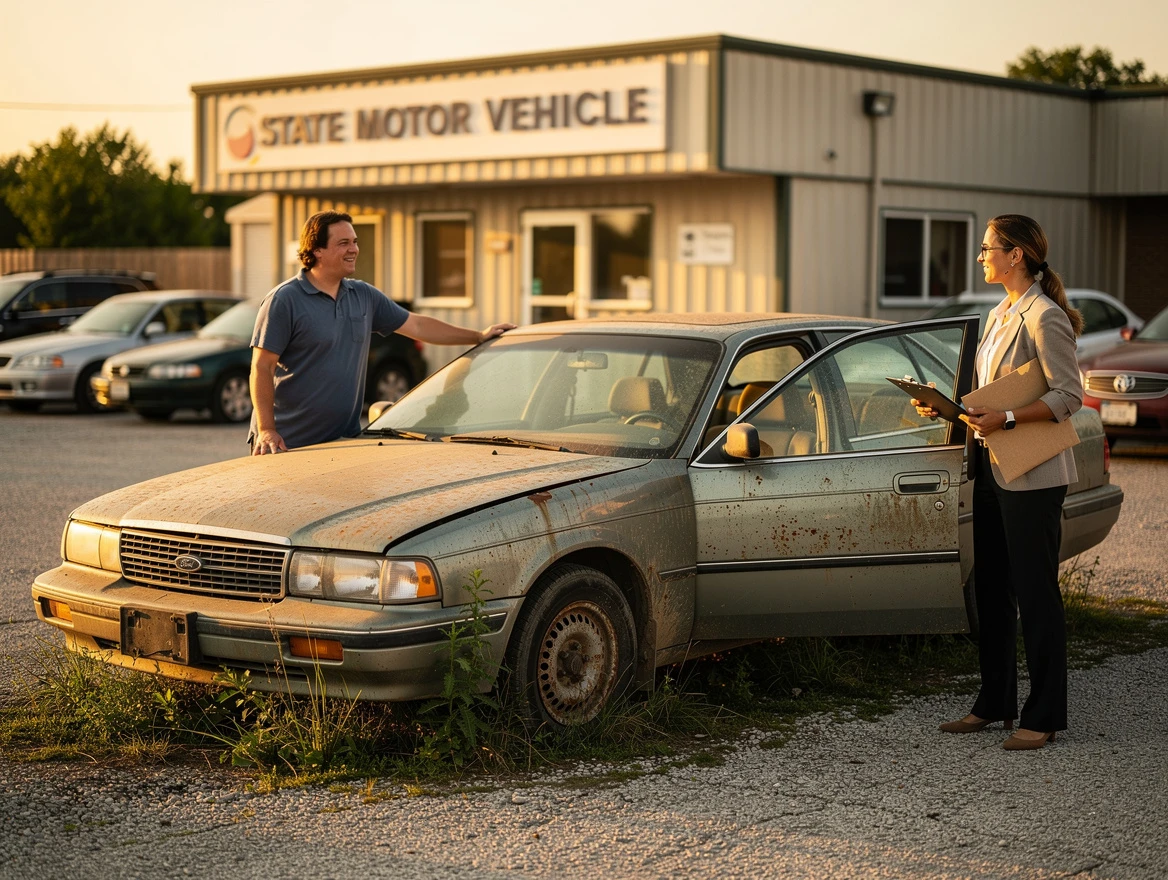
Getting an abandoned vehicle title is not uniform across the United States. Each state has distinct rules about abandoned vehicle titling, bonded title eligibility, and documentation requirements. The table below summarizes key differences in popular registration states.
| State | Bonded Title Available | Typical Processing Time | Key Requirements |
|---|---|---|---|
| Montana | Yes | 4, 8 weeks | Proof of possession, surety bond, bill of sale, VIN verification |
| South Dakota | Yes | 6, 10 weeks | Surety bond, affidavit of ownership, lien search proof |
| Colorado | Yes | 8, 12 weeks | Bill of sale, bonded title form, vehicle inspection may be required |
| Texas | Yes (with restrictions) | 4, 6 weeks | Proof of recent possession, surety bond, photo documentation |
| Florida | Yes | 6, 10 weeks | Application, bond, proof of possession, lien search |
| California | Limited (non-owner titles) | 8, 12 weeks | Requires heirship or succession documentation; bonded titles harder to obtain |
If you're registering an abandoned vehicle outside your state of residence, consider working through a registration specialist. Street legal vehicle registration assistance services can guide you through state-specific bonded title requirements and handle much of the paperwork with our paperwork support.
Can You Register a Vehicle Without a Title?
In most states, you cannot register a vehicle without a title document, even if you own it outright. The title is the proof of ownership that the DMV requires before issuing registration plates. However, states do offer alternative pathways when the title is missing.
- Bonded title: The most direct path for abandoned vehicles. Once issued, it functions like any other title.
- Bill of sale only: Some states allow registration with a notarized bill of sale if the vehicle is old enough or the previous owner verifies the sale in writing. This is less common than bonded titles.
- Affidavit of ownership: A sworn statement declaring you own the vehicle. Requires notarization and often backup documentation (photos, proof of purchase, maintenance records).
- Court order or judgment: If you've inherited the vehicle or won it in a proceeding, a court document may serve as proof of ownership pending title issuance.
- Lien release letter: If the previous owner has already paid off a vehicle loan, the lender's letter releasing the lien can sometimes substitute for a title during the application process.
Dirt Legal has helped over 6,000 customers work through vehicle registration paperwork, including many facing abandoned vehicle or no-title scenarios (internal data, lifetime through current month, n=6,669). The bonded title route remains the most reliable and fastest option for establishing clear ownership of an abandoned vehicle.
If you find yourself in a no-title situation, don't assume you're stuck. Many states have formal processes to resolve this, and working through all our services ensures you're following the correct path for your specific state and vehicle history.
Skip the Paperwork, Let Us Help ->
Frequently Asked Questions
How do I apply for an abandoned vehicle title?
Start by gathering proof of possession (photos, bill of sale, property owner's statement) and your vehicle's VIN. Contact your state's motor vehicle department and request the bonded title application. Obtain a surety bond from a licensed bonding company for the vehicle's estimated value. Complete the application, submit it with the bond and supporting documents, pay the filing fee, and wait for DMV approval, typically 4, 12 weeks depending on your state.
How do you get a title for a vehicle that has no title?
The primary method is a bonded title, which requires a surety bond guaranteeing the vehicle's ownership against future claims. Alternative methods include providing an affidavit of ownership (a sworn, notarized statement), a bill of sale with lien release documentation, or a court judgment. Each path requires different supporting evidence. Bonded titles are most reliable because they create a record your state stands behind for a set period (typically 3, 5 years).
What is a vehicle title?
A vehicle title is a certificate of ownership issued by a state's motor vehicle department. It proves you own the vehicle and have the right to register, sell, or transfer it. The title includes the vehicle's VIN, description, current owner's name, and any recorded liens or claims against the vehicle. Without a title, you cannot register a vehicle for road use in most states.
What is an abandoned title?
An abandoned title to a title document issued for a vehicle whose original ownership documentation is lost or unattainable. It's obtained through a bonded title process or similar state-specific procedure when the previous title has vanished. The vehicle itself must meet your state's definition of "abandoned," typically meaning it's been left unattended without active registration for a specified period. The resulting title is a standard ownership document, not a special class.
Can you register a vehicle without a title?
In most cases, no. The title is the proof of ownership that the DMV requires before issuing registration plates. However, states do allow alternatives: a bonded title, bill of sale with supporting documents, notarized affidavit of ownership, or court orders can sometimes substitute temporarily or permanently, depending on your state. The bonded title is the most straightforward alternative and results in a full title document recognized nationwide.
What documents do I need to apply for a bonded title on an abandoned vehicle?
Typical required documents include: (1) proof of possession (photos, bills of sale, property owner's statement), (2) vehicle identification (VIN confirmation, photos of vehicle condition), (3) a surety bond issued by a licensed bonding company, (4) completed bonded title application form from your state's DMV, (5) lien search proof showing no outstanding claims, and (6) payment for the application fee. Some states also require an affidavit of ownership or police report if the vehicle was found abandoned on public property.