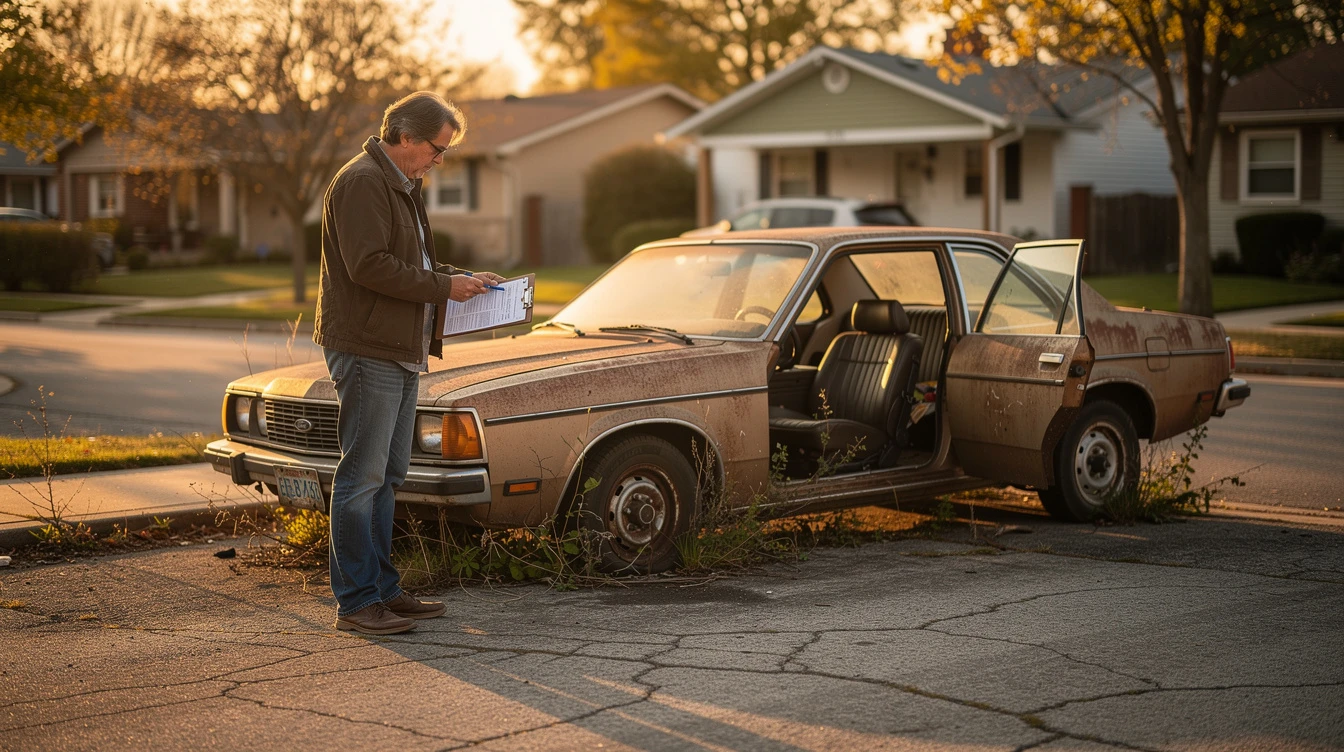
UTV Law Help: How to Make Your Side-by-Side Street-Legal
Need UTV law help? Ryan Hayes explains state side-by-side regulations, required street-legal equipment, out-of-state titling, and Montana LLC registration.
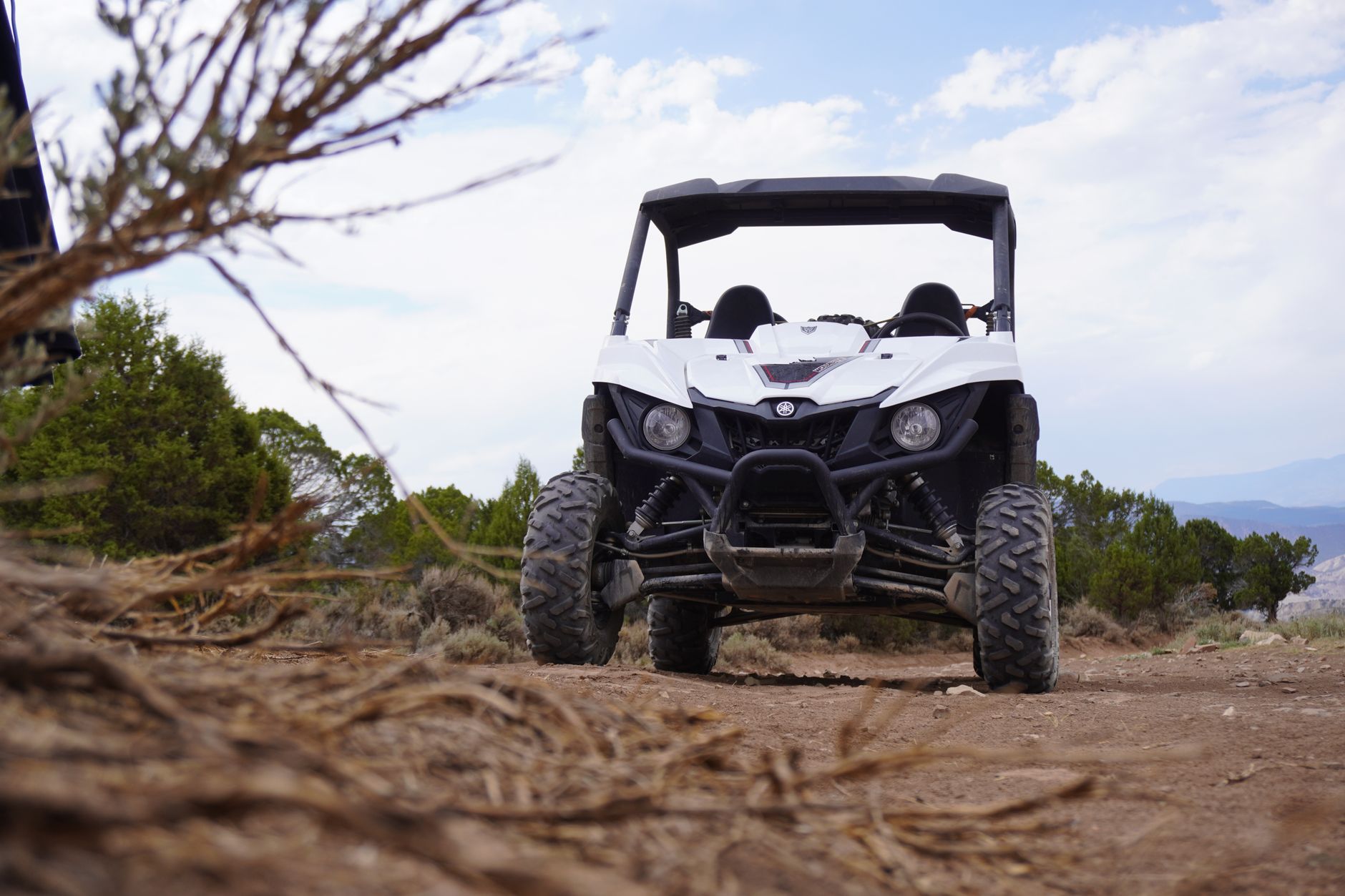
Getting proper UTV law help comes down to understanding that side-by-side on-road regulations depend entirely on your state classification, mechanical equipment, and registration status. While many local statutes restrict off-road utility vehicles to designated trails or agricultural use, you can register and title a utility task vehicle for public highway use through out-of-state programs like a Montana LLC. Our team provides paperwork support that equips your rig with compliant license plates and road registration without unnecessary local red tape.
Before joining Dirt Legal, I spent over a decade working as a mechanic in North Georgia turning wrenches on side-by-sides, dirt bikes, and mini trucks. Time after time, owners would bring their machines into my shop fully outfitted with mirrors, lights, and turn signals, only to hit a brick wall when attempting to register them locally. In this guide, you will learn how statutory classifications differ across state lines, the mechanical equipment required to meet federal safety thresholds, and how out-of-state registration lets you operate on public roads compliantly.
UTV Law Help Requires Understanding How States Classify Off-Road Vehicles
State motor vehicle codes define utility task vehicles through distinct weight, width, and engine displacement boundaries rather than standard passenger automobile categories. A utility task vehicle, also known as a UTV or side-by-side, is a motorized off-highway machine designed with side-by-side bucket seating, non-straddle seating controls, a steering wheel, and a factory rollover protective structure. Under federal guidance from the Consumer Product Safety Commission, these machines typically feature engine displacements under 1,000cc and top speeds exceeding 30 miles per hour, placing them squarely outside passenger automobile definitions.
Because these machines occupy a distinct category, each state DMV treats them differently. Some jurisdictions permit municipal road access under strict local ordinances, while others ban off-highway machines from pavement entirely regardless of aftermarket upgrades. A clear breakdown of state-level statutes is available in How to make a UTV street legal by state, which outlines the patchwork of regional statutes across the country.
Why Local DMVs Reject Standard Street Titles for Utility Task Vehicles
Local clerks routinely deny on-road plates because the original Manufacturer's Certificate of Origin states the machine is for off-highway use only. A Manufacturer's Certificate of Origin, also known as an MCO, is the base ownership document generated by the vehicle maker prior to initial titling. When a state agency scans that designation, its computer systems automatically reject standard passenger car registration codes.
Overcoming this roadblock requires reclassifying the vehicle under an administrative framework that permits multi-use or special mobile machine status. Jurisdictions such as Montana and South Dakota maintain administrative statutes that issue unrestricted passenger or street plates to machines holding an MCO or off-road title. We help with your registration paperwork to bridge that exact bureaucratic gap.
What Separates Side-by-Side and ATV Road Statutes Under the Law?
All-terrain vehicles feature straddle seating and handlebar steering, whereas utility task vehicles incorporate bucket seats, a steering wheel, and occupant roll cages. An all-terrain vehicle, also known as an ATV, is defined by the American National Standards Institute as an off-highway vehicle equipped with low-pressure tires and a seat designed to be straddled by an operator. Law enforcement officers evaluate these structural differences when monitoring street compliance.
Because side-by-sides provide built-in passenger restraints, rollover protection structures, and a standard track width exceeding 50 inches, several state legislatures grant them broader street privileges than four-wheelers. Even so, running an ATV or side-by-side on public asphalt requires matching every line of state code to your machine's physical hardware setup.
UTV Law Help Demands Installing Specific Street-Legal Safety Components
Street-legal road conversion kits must satisfy National Highway Traffic Safety Administration visibility, signaling, and occupant containment benchmarks. Converting an off-road utility rig into a street-compliant machine involves far more than simply bolting on a license plate bracket. You need dedicated electrical circuits, proper lighting lenses, and DOT-certified hardware that law enforcement officers expect to see on public routes.
Ready to register your vehicle?
Join thousands of vehicle owners who use Dirt Legal to handle their registration quickly.
During my wrenching years, riders regularly asked me what parts they could skip to save cash. Skipping parts never works out well on the road. A single missing reflector or mirror gives local officers reasonable suspicion to initiate a traffic stop. Outfitting your rig properly right from the start protects your safety and helps keep your operations fully compliant. If you need a complete component inventory, review the specific guidance in parts and equipment.
What Equipment Is Mandatory for On-Road Street-Legal Operation?
Every road-going utility machine requires high and low beam headlights, functioning brake lamps, turn signals, an amber clarifyd horn, and a lighted rear license plate bracket. Federal Motor Vehicle Safety Standards specify that lighting equipment must be visible from a distance of at least 500 feet under normal daytime atmospheric conditions. Your horn must project an audible tone at a minimum distance of 200 feet.
Rearview visibility is another critical checklist item. You need an adjustable driver-side exterior mirror paired with either a wide-angle center rear mirror or a passenger-side exterior mirror. DOT-stamped radial tires are also mandatory in several states to make sure adequate traction on damp asphalt surfaces where knobby off-road mud tires risk losing grip.
How Do Exhaust Decibel Caps and Noise Regulations Affect Street-Legal Status?
Most state vehicular statutes cap aftermarket exhaust noise between 82 and 86 decibels measured at a distance of 50 feet. An arrestor spark screen, also known as a spark arrestor, is a physical mesh exhaust insert designed to prevent carbon sparks from escaping the tailpipe and causing wildfires. Removing your spark arrestor or installing a straight-pipe race exhaust will quickly void your street compliance during municipal operation.
Keeping your stock muffler or installing a baffled, quiet-core aftermarket system keeps decibel levels compliant with residential noise ordinances. Maintaining compliant sound emissions prevents noise complaints while keeping your street plate privileges completely intact.
UTV Law Help Through Montana LLC Titling Protects Your Road Privileges
Montana LLC registration provides an out-of-state titling pathway that permits side-by-sides to obtain unrestricted street plates compliantly. A limited liability company, also known as an LLC, is a state-registered business entity that holds independent title to physical property and assets. Under Montana code, your newly formed Montana LLC owns the side-by-side, allowing the machine to be registered through the Montana Motor Vehicle Division without requiring you to establish local personal residency.
This registration avenue delivers major structural advantages. Montana levies zero percent state sales tax on vehicle purchases, and the state does not require annual emissions inspections or mechanical safety testing. We manage the out-of-state paperwork with our paperwork support, so you skip frustrating bureaucratic counter lines and receive your Montana title and registration tags directly. If you want to dive deeper into this vehicle framework, look at our Montana LLC supports.
How Does Montana LLC Asset Ownership Work Under State Law?
The state of Montana permits non-resident individuals to create an entity that holds title to motor vehicles, trailers, and powersports assets. As documented by the Montana Department of Revenue, Vehicle Taxes, Montana charges no state retail sales tax on vehicles titled through in-state entities. You maintain complete control of your limited liability company while your utility machine carries permanent or standard Montana license plates.
You can verify company formation and maintain your corporate filings easily through the Montana Secretary of State's Business Entity Search. To understand how other recreational vehicles work through this exact titling structure, see Montana LLC for motorhomes: costs, title process, and compliance.
Does Driver License and Registration Reciprocity Protect Out-of-State Plates?
The United States Constitution mandates that individual states recognize vehicle registrations and ownership titles issued by sister jurisdictions. Driver License Agreement compacts and registration reciprocity policies allow validly registered out-of-state vehicles to operate through public roadway networks compliantly. As long as your machine carries active out-of-state plates, up-to-date insurance, and meets local equipment safety statutes, you can ride on designated roads.
You still must obey local road bans, speed caps, and highway restrictions. For example, some jurisdictions bar non-traditional vehicles from controlled-access interstate highways while permitting them on secondary roads and two-lane rural corridors. Checking municipal rules before you ride keeps your journey smooth and Effortless.
| Registration Pathway | Typical State Sales Tax | Emissions Testing Required | Title Type Issued | Processing Approach |
|---|---|---|---|---|
| Montana LLC Program | 0% Flat Rate | No Testing Required | Standard Clean On-Road Title | Paperwork managed out-of-state |
| South Dakota Out-of-State | 4% Motor Vehicle Tax | No Testing Required | Street-Legal Vehicle Title | Non-resident paper processing |
| Local Home State DMV | 4% to 9.5% Local Rate | Varies by County | Often restricted to Off-Highway | Requires in-person counter visits |
See How We Can Help With Your UTV Law Help Registration →
UTV Law Help Resolves Missing Titles and Bill of Sale Ownership Obstacles
Acquiring clean ownership documentation for used powersports equipment requires navigating bonded titles or certified paperwork correction procedures. Off-road side-by-sides and farm utility vehicles change hands frequently without formal title transfers, leaving subsequent buyers with only a handwritten receipt. A bill of sale, also known as a proof of purchase receipt, is a signed document transferring property rights between a seller and a buyer without formal title documentation. Attempting to title a machine using a handwritten bill of sale solely frequently results in instant DMV rejection.
Dirt Legal has completed over 6,000 customer orders to date (lifetime through current month, n=6,225), resolving challenging registration and ownership puzzles for enthusiasts across all fifty states. Our team understands how to correct flawed paperwork trails, replace missing titles, and bring your machine into complete administrative compliance. If you are dealing with broken documentation chains, you can learn more in How to title a vehicle without a title: legitimate options and documents needed.
How Do Surety Bonds Establish Legal Side-by-Side Ownership?
A surety title bond guarantees indemnity protection against third-party ownership claims on a registered vehicle for three to five years. When you purchase an off-road machine lacking a clear title trail, posting a surety bond through your state motor vehicle agency lets them issue an official bonded title. Once the statutory bonding period expires without outside financial contest, the state converts the bonded record into a clean, standard vehicle title.
Obtaining a bonded title requires a certified VIN verification, formal price appraisal, and purchase of a surety bond equal to 1.5 times the machine's appraised value. While effective, the bonding procedure requires extensive paperwork and weeks of back-and-forth filings. Our remote paperwork support provides an efficient route that bypasses these burdensome requirements.
Can You Register a Machine If the Previous Buyer Never Transferred the Title?
Title jumping occurs when a purchaser takes possession of a signed vehicle title but sells the machine to a third party without titling it in their own name first. This practice creates an unresolved gap in the chain of ownership that leaves local DMV clerks unable to process your application. Before submitting your paperwork, you must verify that every seller signature matches the recorded names on file.
Confirming vehicle records and checking for outstanding lien holds protects your investment. You can verify lien statuses and historical records through NHTSA VIN Lookup. To understand the distinction between holding physical paperwork and holding actual ownership rights, read Title Isn't Always Ownership: The Reality Most People Miss.
Frequently Asked Questions About UTV Law Help and Street-Legal Rules
Are UTVs street-legal?
UTVs are not street-legal right out of the factory. Standard production side-by-sides are built, marketed, and badged specifically as off-highway vehicles. To make a UTV street-legal, an owner must install mandatory safety equipment like DOT-compliant radial tires, turn signals, mirrors, a horn, and a lighted license plate bracket. The vehicle must be titled and registered under an administrative motor vehicle code that issues road license plates. Several states prohibit local road registration outright, which is why thousands of utility owners use out-of-state registration assistance programs through Montana or South Dakota.
How to register a UTV in Texas?
To register a UTV in Texas, the vehicle must hold an Off-Highway Vehicle decal to access designated public lands, but standard state DMV branches will not issue general-purpose passenger car license plates for off-highway vehicles. Under the Texas Transportation Code, side-by-sides can operate on public roads only within master-planned communities, on agricultural properties, or along rural roadways within 25 miles of working agricultural acreage with a slow-moving vehicle emblem. Owners wanting unrestricted roadway access across the state typically register their machine through an out-of-state entity, utilizing reciprocity rules to operate on public tarmac.
wisconsin'>How to register a UTV in Wisconsin?
To register a UTV in Wisconsin, you must submit an application through the Wisconsin Department of Natural Resources for off-road trail decals or commercial farm registration. Wisconsin does not issue street plates for utility terrain vehicles at the Department of Transportation level. Street operation is strictly limited to local town or county roads specifically designated as ATV and UTV routes by municipal ordinance. Operators must abide by local speed limits, use headlights, and carry valid helmets if under 18 years of age. For state-specific trail regulations, review our dedicated Wisconsin guide.
Can you help me get a title for a Humvee?
Yes, we can provide titling assistance for surplus military vehicles, including AM General Humvees. Surplus military machines are commonly sold at government auctions with Form SF-97 rather than a standard commercial title. Form SF-97 certifies ownership transfer from the federal government, but local DMV clerks often refuse to process these documents for on-road use due to strict military classifications. Our team guides you through the exact filings required to turn your military documentation into a clean, street-compliant vehicle title through our specialized registration programs.
Can you help with jumped titles?
Yes, our specialized title recovery programs assist owners facing jumped or skipped title problems. A jumped title occurs when an intermediate purchaser acquires a signed-over title but sells the vehicle to you without ever titling or registering it in their own name. This skips the tax line and breaks the chain of title, causing immediate rejection at your municipal counter. We help resolve these documentation breaks by using bonded title procedures or administrative out-of-state paperwork solutions that establish legitimate ownership in your name.
Can you drive a UTV on the road in Michigan?
You can drive a UTV on designated public roadways in Michigan if the machine complies with Public Act 288 or meets the Michigan Secretary of State assembled vehicle equipment requirements. Under Act 288, specific northern counties and townships open designated secondary road shoulders to off-road vehicles carrying DNR trail stickers. However, to operate on standard surface streets without township-by-township restrictions, your machine must be modified with glass windshields, windshield wipers, DOT tires, and turn signals, followed by a formal safety inspection to obtain a green assembled vehicle title. Review our complete Michigan guide for local compliance breakdowns.
What insurance coverage is required for a street-legal UTV?
A street-legal side-by-side operating on public roadways requires an active auto liability insurance policy meeting your state minimum financial responsibility limits. Standard off-road collision policies designed solely for trail parks do not satisfy public highway financial responsibility laws. You need an endorsement or specialty street-use policy that covers bodily injury and property damage liability while driving on public pavement. Major carriers write these policies when provided with a valid vehicle identification number and active out-of-state title registration.
Can you drive a street-legal side-by-side on interstate highways?
Most states strictly prohibit utility task vehicles and low-speed conversions from accessing controlled-access interstate highways regardless of their registration status. Interstate expressways maintain minimum speed regulations and federal crash-test standards that lightweight off-highway vehicles cannot meet. Keep your street-legal utility machine on secondary state roads, county routes, and municipal streets where lower speed zones and local traffic patterns accommodate specialized off-highway conversions safely.
Start Your Registration Today, No Hidden Fees →
Getting reliable UTV law help is the key to changing your off-road machine into a fully functional, street-compliant side-by-side without endless trips to the DMV. With the right equipment installed and proper out-of-state title paperwork in place, you can skip the paperwork headache and hit the open road with complete confidence. Let Dirt Legal do the heavy lifting so you can enjoy your ride wherever the pavement takes you.