Off-Road Vehicles: Rules, Registration & Street-Legal Guide
Learn off-road vehicle rules, registration requirements, and when UTVs & ATVs can be street-legal. State-by-state guide for powersports registration.
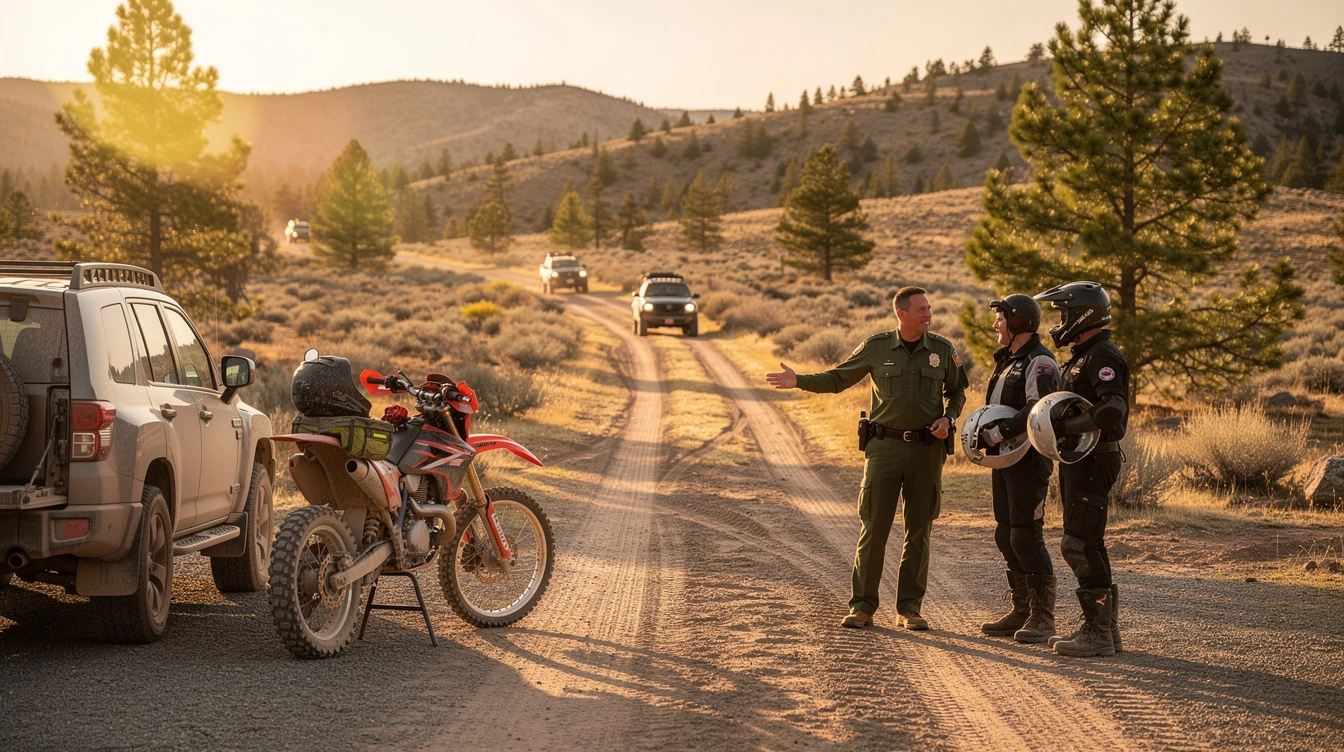
Off-road vehicles like ATVs, UTVs, and dirt bikes are subject to different registration, licensing, and operation rules depending on where you live and how you plan to use them. Some states allow certain off-road vehicles to be registered for street use with the right modifications, while others strictly limit their use to private property or designated trails.
In This Guide
- What Defines an Off-Road Vehicle?
- Do Off-Road Vehicles Need to Be Registered?
- Can Off-Road Vehicles Be Made Street-Legal?
- What Are State-Specific Off-Road Vehicle Rules?
- Which Off-Road Vehicles Are Best for Everyday Driving Too?
- Which AWD Vehicles Are Best for Occasional Off-Road Use?
- Frequently Asked Questions
What Defines an Off-Road Vehicle?
An off-road vehicle (also called an off-highway vehicle or OHV) is any motorized machine designed or equipped to operate on unpaved terrain, trails, dunes, or wilderness areas. This category includes ATVs (all-terrain vehicles), UTVs (utility terrain vehicles or side-by-sides), dirt bikes, quads, and recreational off-road trucks.
The definition varies by state. Some define off-road vehicles by their frame type, engine size, or intended use, while others classify them by whether they're originally manufactured as street vehicles or purpose-built for off-road only. Understanding your vehicle's classification is critical for registration and liability.
- ATVs: Smaller, single-rider machines with four wheels, typically 50cc to 700cc engines
- UTVs/Side-by-Sides: Larger, multi-passenger vehicles with steering wheels and bench seating
- Dirt Bikes: Lightweight motorcycles with knobby tires and high ground clearance for trail riding
- OHVs: Broad category covering any off-highway recreational vehicle, from small quads to full-size trucks modified for extreme terrain
An off-highway vehicle is a formal term used in state regulations to refer to any vehicle designed primarily for off-road recreation rather than street transportation. The distinction matters, because OHVs are typically exempt from many street-legal requirements like emissions testing and safety inspections.
Do Off-Road Vehicles Need to Be Registered?
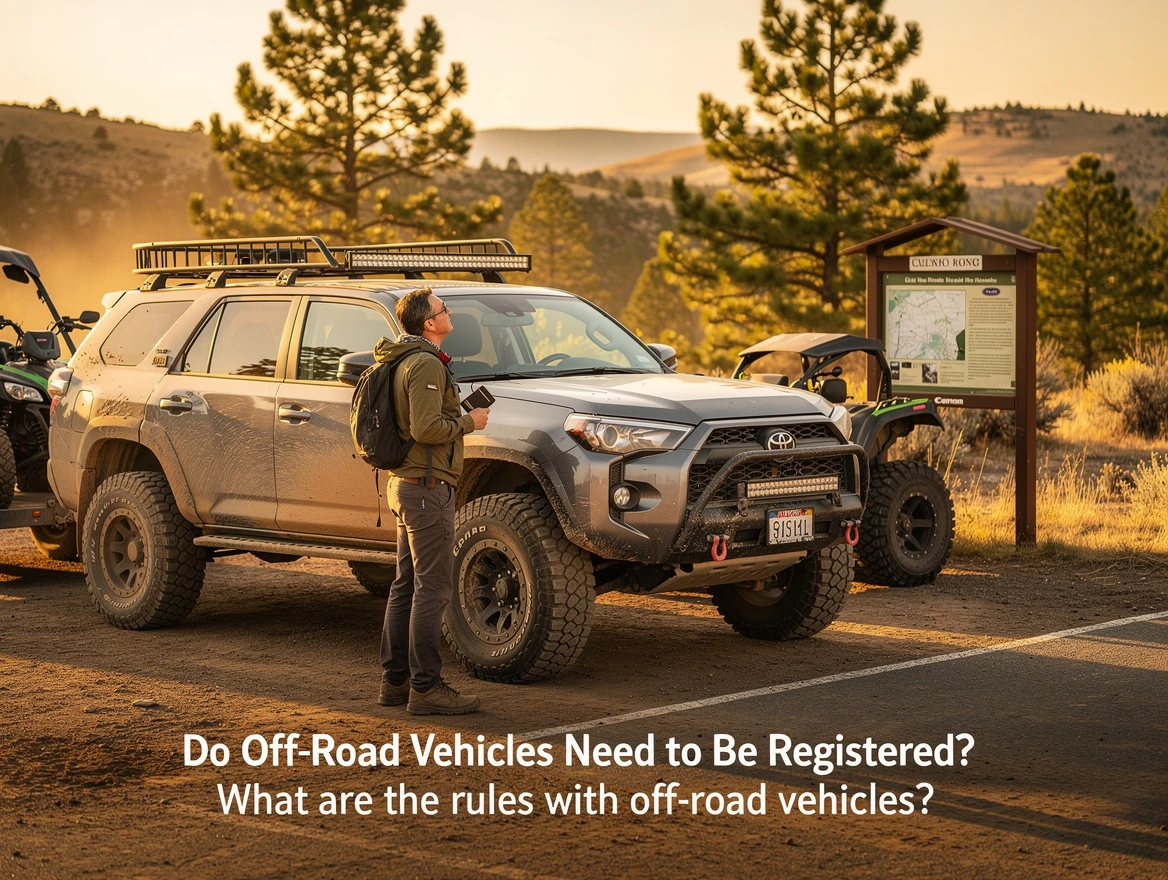
Whether an off-road vehicle needs registration depends on where and how you use it. If you operate it exclusively on private property, most states don't require registration. However, if you use it on public lands, state forests, or designated OHV trails, nearly every state requires registration and a valid OHV sticker.
Ready to register your vehicle?
Join thousands of vehicle owners who use Dirt Legal to handle their registration quickly.
Registration for off-road-only vehicles is typically simpler and cheaper than street-legal vehicle registration, but it's still mandatory in most states. Failure to register can result in fines, vehicle impoundment, and liability if you're involved in an accident.
Many states offer tiered registration levels based on vehicle type and intended use. Some charge an annual fee, while others use a one-time registration valid for multiple years. Dirt Legal has completed over 6,000 customer orders to date, many of them involving powersport vehicles and recreational off-road machines requiring state compliance (internal data, lifetime through current month, n=6,663).
- Public land use almost always requires registration and an OHV sticker
- Private property use in most states does not require registration
- Some states require titles for UTVs and larger off-road vehicles
- OHV registration fees range widely; check your state's motor vehicle division for exact costs
- Age restrictions and safety certifications may be tied to registration
If you use your off-road vehicle on state trails or public lands in Montana, South Dakota, or other popular OHV states, you must carry proof of registration. Local rangers and trail monitors do check.
Can Off-Road Vehicles Be Made Street-Legal?
Yes, in many states you can make an off-road vehicle street-legal, but it's not simple and rules vary dramatically by state. Some states like Montana and Tennessee allow certain UTVs to be registered for street use with specific modifications, while others prohibit it entirely.
Making a vehicle street-legal typically requires meeting DOT safety standards, adding required equipment, passing safety inspections, and sometimes undergoing emissions testing. The cost and complexity depend on your vehicle's design and your state's rules.
- Not all off-road vehicles can be made street-legal, even with modifications
- Common modifications include adding mirrors, lights, turn signals, windshields, and bumpers
- Some states require a safety inspection before street-legal registration is approved
- Emissions testing may be required in certain states, though many OHVs are exempt
- Insurance requirements often differ for street-legal vs. off-road-only vehicles
Several states have published guides on how to make specific vehicles street-legal. For example, Tennessee allows side-by-sides to be registered for street use under specific conditions. California has stricter rules but does permit some UTVs on streets under limited circumstances.
Related resource: Can You Make a UTV Street Legal in Tennessee? What You Need to Know provides state-specific details on the registration process and requirements.
What Are State-Specific Off-Road Vehicle Rules?
Off-road vehicle rules differ significantly across states. Some are very permissive about street-legal conversion and registration, while others enforce strict rules limiting off-road vehicles to dedicated trails or private land.
| State | Registration Required for Public Land Use? | Can UTVs Be Street-Legal? | Helmet Requirements | Age Restrictions |
|---|---|---|---|---|
| Montana | Yes, OHV sticker required | Yes, with modifications | Required for riders under 18 | Age 12+ with safety cert |
| South Dakota | Yes, registration required | Yes, with approval | Strongly recommended | Age 16+ for street use |
| California | Yes, sticker or permit | Limited circumstances only | Mandatory for all riders | Age 14+ for trail riding |
| Colorado | Yes, registration or permit | No, off-road only | Required under age 18 | Age 12+ with training |
| Wyoming | Yes, sticker or registration | Limited approval available | Recommended for all | Age 10+ with cert |
| Florida | Yes, registration required | Yes, with modifications | Mandatory for all | Age 16+ for street use |
Many states maintain detailed guides on their motor vehicle division websites. Montana's Motor Vehicle Division offers specific OHV registration and titling rules. Always check your state's official rules before assuming you can register or operate an off-road vehicle.
Some states like Tennessee and Montana have become increasingly popular for off-road vehicle registration because they offer flexible registration options and lower fees. If you're considering registering an off-road vehicle, understanding these state differences can save you time and money.
Which Off-Road Vehicles Are Best for Everyday Driving Too?
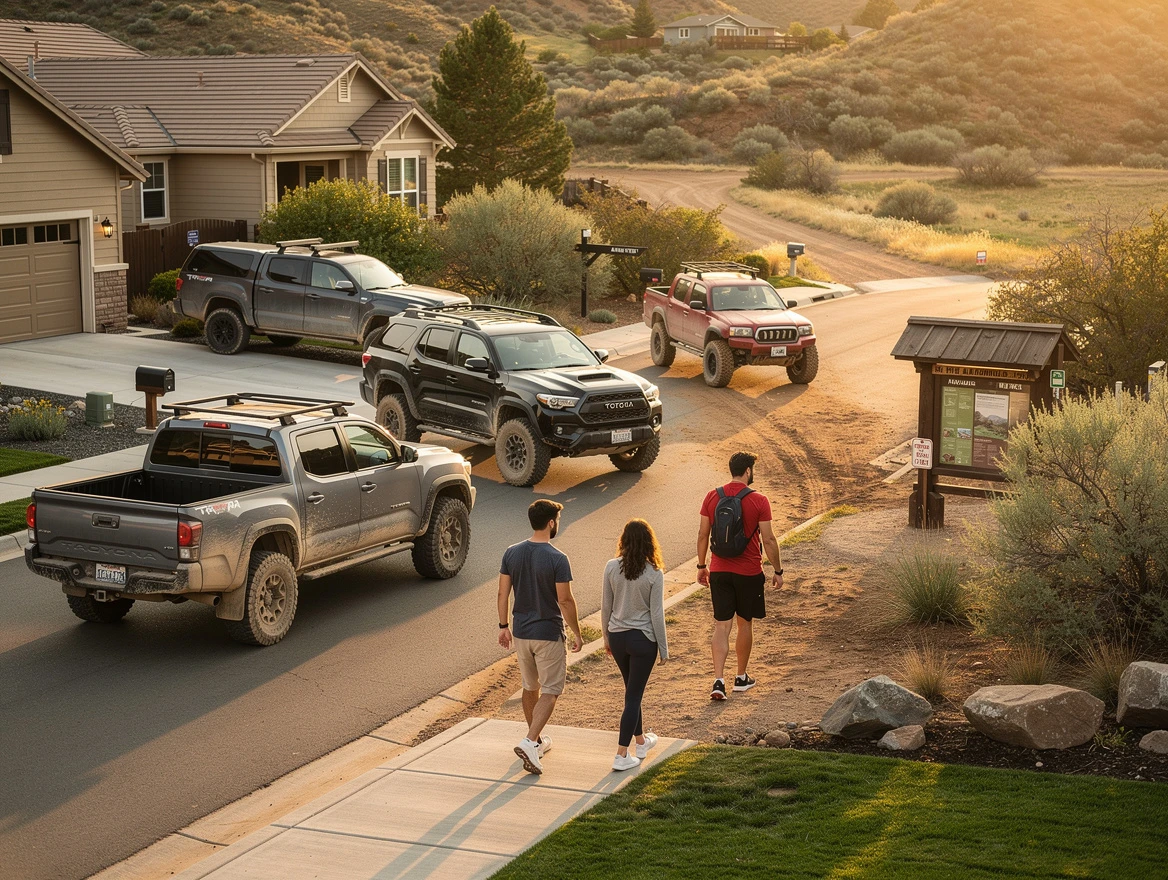
Not all off-road vehicles are practical for daily street use, but some designs work well as dual-purpose machines. Side-by-sides (UTVs) with street-legal packages are more practical for everyday driving than smaller ATVs, while some light-duty off-road trucks can transition between weekend trails and weekday commuting.
- Side-by-Sides (UTVs): Best for dual-purpose use, with cargo space, passenger capacity, and weather protection
- Truck-Based Platforms: Full-size or mid-size trucks modified with lifted suspensions handle both trails and streets naturally
- Crossover SUVs: AWD crossovers like Toyota RAV4 or Honda CR-V offer genuine off-road capability for light trails plus excellent street comfort
- Smaller ATVs: Generally too uncomfortable and unsafe for regular street use despite street-legal registration
- Dirt Bikes: Possible to street-legal register, but riding experience and insurance are significant factors
If your goal is a vehicle that works both off-road and on pavement regularly, a small SUV or crossover designed for dual use is typically more reliable, safer, and practical than converting a pure off-road machine. However, if you want a sport or utility side-by-side, newer models with street-legal packages are becoming increasingly viable in many states.
Related resource: Can You Make a UTV Street Legal in California? explores California's specific rules and practical considerations for street-legal UTVs.
Which AWD Vehicles Are Best for Occasional Off-Road Use?
If you want a vehicle that handles occasional off-road adventures without sacrificing daily comfort and practicality, all-wheel-drive (AWD) or four-wheel-drive (4WD) vehicles designed for street use are your best option. These machines are registered and insured as normal vehicles while offering genuine off-road capability.
- Subaru Outback / Crosstrek: Excellent ground clearance, capable AWD system, comfortable for long drives, strong reliability
- Toyota RAV4 / 4Runner: Legendary durability, proven off-road performance, good resale value
- Honda CR-V / Ridgeline: Practical cargo space, strong AWD systems, excellent fuel economy
- Jeep Wrangler / Grand Cherokee: Purpose-built for off-road use, strong aftermarket support, recognizable capability
- Ford Explorer / Edge: Good ground clearance, modern tech, capable 4WD systems available
- Rivian R1S: Electric adventure vehicle with triple-motor AWD and genuine off-road electronics
These vehicles are registered through normal DMV channels, don't require special off-road registration stickers, and can be insured as standard passenger vehicles. They're the practical choice if you want to drive to work Monday through Friday and look at trails on the weekend.
The key difference from pure off-road machines is registration simplicity, insurance affordability, and street comfort. You sacrifice some extreme off-road performance, but you gain reliability, clarity, and daily usability.
Frequently Asked Questions
What is the best off-road vehicle?
The best off-road vehicle depends on your use case. For pure recreational trail riding, purpose-built ATVs and dirt bikes excel. For utility and cargo hauling, UTVs (side-by-sides) are superior. For occasional off-road use combined with daily street driving, AWD crossovers like the Toyota RAV4 are more practical. Budget, terrain type, and whether you need street-legal registration all factor into the decision. Reliability matters too, so brands like Honda, Yamaha, and Toyota have strong track records across all categories.
Are off-road vehicles street-legal?
Some off-road vehicles can be made street-legal, but most are not by default. Pure-bred off-road machines like ATVs and dirt bikes are designed for trails and designated OHV areas, not public roads. However, in many states, including Montana, Tennessee, and Florida, you can modify a UTV or ATV with street-legal equipment (lights, mirrors, turn signals, DOT safety gear) and obtain street-legal registration. Rules vary significantly by state, so always check your state's motor vehicle division before attempting registration.
Do off-road vehicles need to be registered?
If you use your off-road vehicle only on private property you own or have permission to use, registration is typically not required. However, if you operate it on public lands, state forests, trails, or any public area, nearly every state requires OHV registration and a sticker. Some states also require titles for larger off-road vehicles like UTVs. Private trail systems may have their own registration requirements too. It's your responsibility to check local rules before operating.
Which off-road vehicles are best for everyday driving too?
UTVs (side-by-sides) with street-legal modifications are the most practical off-road vehicles for dual-purpose use, offering passenger capacity, cargo space, and weather protection. Light-duty trucks lifted for off-road capability also transition well between trails and streets. For the most reliable everyday-plus-weekend capability, standard AWD SUVs and crossovers designed for dual use are easier to register, insure, and maintain than modified off-road machines. Consider your specific needs, local registration rules, and insurance costs when choosing.
What is an off-highway vehicle?
An off-highway vehicle (OHV) is a formal term for any motorized machine designed or equipped primarily for operation on unpaved terrain, trails, dunes, or wilderness areas rather than paved streets. This includes ATVs, UTVs, dirt bikes, quads, and modified trucks. States define OHVs in their motor vehicle codes to establish registration requirements, age restrictions, safety rules, and where you're allowed to operate them. The OHV designation is important because it exempts certain vehicles from emissions testing and may allow lower registration fees.
Which AWD vehicles are best for occasional off-road use?
Toyota RAV4, Subaru Outback, Honda CR-V, Jeep Wrangler, and Ford Explorer are top choices for occasional off-road capability combined with daily practicality. These vehicles come street-legal, properly registered, and insured through normal DMV channels. They offer genuine ground clearance, capable all-wheel or four-wheel drive systems, comfortable interiors for long drives, and strong reliability records. Unlike pure off-road machines, you don't need special registration, off-road-specific insurance, or modification kits. They're the practical solution for weekend adventurers who also commute to work.