How Reliable Is a Land Rover Defender? Real World Guide
Wondering how reliable is a Land Rover Defender? We examine modern vs classic models, repair costs, common mechanical issues, and ownership facts.

A modern Land Rover Defender typically scores below average on consumer reliability indexes, while classic Defenders offer durable mechanical setups paired with frequent maintenance needs. Real world dependability depends largely on the generation you buy, strict adherence to fluid intervals, and how promptly you tackle electrical glitches.
In This Guide
- What Is the Overall Reliability Rating of a Land Rover Defender?
- How Does the New Defender Compare to the Classic Model?
- What Are the Most Common Problems With a Land Rover Defender?
- How Much Does Annual Maintenance Cost on a Defender?
- How Do You Manage Out of State Registration Costs for an Elevated Defender?
- Frequently Asked Questions
What Is the Overall Reliability Rating of a Land Rover Defender?
Major automotive assessment outlets such as J.D. Power and Consumer Reports regularly position Land Rover near the bottom third of industry brand rankings. The modern Defender L663 platform, launched for the 2020 model year, earns reliability scores hovering around 60 to 70 out of 100 depending on the model year.
Owners praise the aluminum unibody D7x platform for structural rigidity and extreme off road capability. However, the sheer volume of onboard control modules creates vulnerabilities. Infotainment screens may freeze, sensors can trigger false dashboard warnings, and air suspension compressors sometimes suffer early fatigue.
Mechanical core components like the 2.0-liter turbocharged inline-4 (P300) and the 3.0-liter mild-hybrid inline-6 (P400) hold up decently under disciplined upkeep. Dirt Legal has completed over 6,000 customer orders to date (lifetime through current month, n=6,335), working with thousands of SUV enthusiasts who prioritize long distance touring setups over showroom perfection.
How Does the New Defender Compare to the Classic Model?

Classic Defenders (built from 1983 through 2016) feature simple body-on-frame architecture with solid live axles, making them field-repairable but demanding constant grease, seal replacements, and rust prevention. Modern L663 Defenders deliver road comfort and independent air suspension but require specialized diagnostic computers for nearly all troubleshooting.
Ready to register your vehicle?
Join thousands of vehicle owners who use Dirt Legal to handle their registration quickly.
Register Your Vehicle Today →Classic variants powered by 200Tdi or 300Tdi diesel engines run for decades with elementary tools, though chassis corrosion and oil leaks remain perpetual chores. Modern Defenders trade mechanical wrenching for digital complexity. When an air spring bag leaks or a software bug locks a differential setting, roadside fixes are rarely possible.
Buyers of vintage Defenders often obtain vehicles through international import routes or private trades. If you purchase an older imported truck, reviewing title paperwork is essential. A detailed breakdown on documentation is covered in Some Jabroni Tried to Scam Us With a Fake Car Title, demonstrating why verified history protects your investment.
What Are the Most Common Problems With a Land Rover Defender?
The most recurring modern Defender faults center on software glitches in the Pivi Pro infotainment system, air suspension compressor wear, and windshield cracking due to the upright glass angle. Classic models suffer from rear crossmember rust, swiveling ball hub leaks, and worn transfer case input gears.
Here are the specific failure areas you should monitor across ownership:
- Air Suspension Air Springs: Rubber bellows dry rot or develop microscopic tears, forcing the onboard air compressor to overwork and overheat.
- Electrical Sensor Bugs: Wheel speed sensors, camera modules, and radar calibration units frequently throw spurious fault codes after deep water wading or winter road salt exposure.
- Coolant Line Connectors: Plastic coolant pipe unions on turbocharged engines become brittle under high thermal cycling, causing slow leaks that risk overheating.
- Windshield Stress Fractures: Upright glass profiles cause gravel impacts to crack windshields quickly, frequently requiring OEM camera recalibration during glass replacement.
- Corrosion on Vintage Crossmembers: On pre-2016 models, road spray collects inside boxed steel frame rails, rusting them from the inside out.
Before purchasing any pre-owned Land Rover Defender, check recall notices on the NHTSA VIN Lookup. You can also run our VIN check service to inspect odometer accuracy, prior structural damage, and title histories.
How Much Does Annual Maintenance Cost on a Defender?
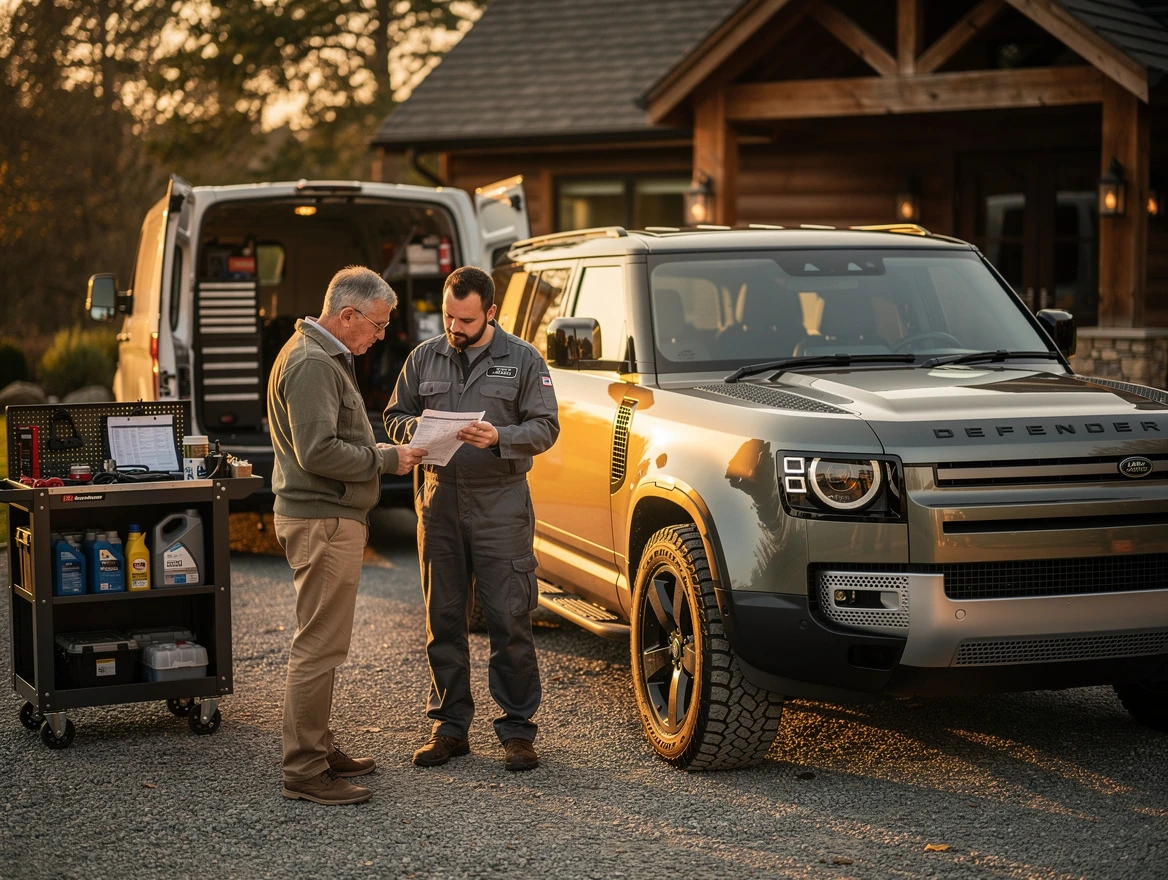
Annual maintenance for a modern Land Rover Defender averages between $1,200 and $2,200 during standard running years, escalating when brake rotors, air suspension struts, or turbocharger items need attention. Classic variants cost roughly $1,500 to $3,000 annually due to parts scarcity, custom imports, and labor-intensive mechanical adjustments.
Understanding lifetime expenses helps buyers decide whether an elevated elevated rig fits their long term budget. To examine broader maintenance issues with European imports, read What Are the Pros and Cons of Purchasing an Entry Level German Brand as a First Car? for useful comparisons.
| Defender Generation | Average Annual Maintenance | Common Major Repair | Approximate Repair Cost | Expected Lifespan |
|---|---|---|---|---|
| Classic Defender (1983-2016) | $1,500 - $3,000 | Chassis Outrigger / Crossmember Rust Repair | $2,500 - $5,500 | 300,000+ miles (with rebuilds) |
| Modern Defender 90 / 110 (2020-Present) | $1,200 - $2,200 | Air Suspension Strut / Compressor Replacement | $1,800 - $3,800 | 150,000 - 200,000 miles |
| Modern Defender 130 V8 (2023-Present) | $1,800 - $2,800 | Brembo Brake Service & Cooling Line Overhaul | $2,200 - $4,200 | 150,000 - 200,000 miles |
To inspect overall repair inflation trends across the industry, take a look at car repairs and insurance costs set to climb. Budgeting realistic reserves keeps minor glitches from turning into prolonged garage downtime.
How Do You Manage Out of State Registration Costs for an Elevated Defender?
Acquiring an elevated SUV often triggers steep state taxes, excise fees, and title complications. When buyers evaluate total vehicle registration costs, exploring Montana LLC services offers an attractive avenue because Montana charges 0% sales tax on asset purchases.
The Montana Department of Revenue confirms this benefit on their portal at the Montana Department of Revenue, Vehicle Taxes page. If you are comparing out of state paperwork pathways, follow these steps to organize your records:
- Obtain the Bill of Sale and Title: Collect your bill of sale automotive paperwork and existing title document from the seller or dealer.
- Establish Your Holding Company: Form a dedicated business entity in Big Sky Country to hold the vehicle asset securely.
- Complete the Paperwork Transfer: Submit ownership records through a private registration compliance service so you avoid in-person visits to distant state offices.
- Mount Your Montana Plates: Receive your permanent or multi-year Montana car plates and registration document directly through the mail.
If you want to read more about Big Sky Country registrations, look at Why Do People Register Cars in Montana? The Real Reasons Explained. For those acquiring exotic or bespoke builds, review Smartest Way to Register Elevated Vehicles: Montana LLC Services for complete details on titling high value SUVs.
Frequently Asked Questions
Is the humvee reliable?
Military Humvees (HMMWVs) offer, heavy duty drivetrains engineered for tactical abuse, but they are maintenance intensive for civilian drivers. They demand frequent fluid checks, regular hub gear inspections, and electrical troubleshooting. Without consistent preventative care, mechanical components, glow plugs, and mechanical seals degrade rapidly under standard road conditions.
Can a modern Land Rover Defender reach 200,000 miles?
Yes, modern Defenders can reach 200,000 miles, but achieving that benchmark requires rigorous fluid maintenance and swift mechanical repairs. You must replace engine oil every 5,000 to 7,500 miles, swap transmission fluids early, and anticipate replacing wear components like air suspension bags, water pumps, and turbocharger actuators along the way.
Which engine in the modern Land Rover Defender is most dependable?
The 3.0-liter turbocharged inline-6 mild hybrid (P400) engine currently demonstrates the strongest combination of power delivery and mechanical resilience. While its 48-volt auxiliary battery system adds complexity, the engine block, chain design, and internal components exhibit fewer catastrophic failures compared to early 2.0-liter 4-cylinder turbo models pushed under heavy loads.
Does a Land Rover Defender retain its resale value well?
Yes, both classic and modern Defenders retain residual values considerably better than average elevated SUVs. Enthusiast demand for iconic exterior styling, true trail readiness, and limited production quotas helps protect resale values, cushioning the total cost of ownership despite higher annual service and repair bills.