Toyota KEI-01 Kei Truck Brings Scion Back
Toyota's new Scion KEI-01 kei truck is official. Here's everything you need to know about specs, release date, and how to register one now.
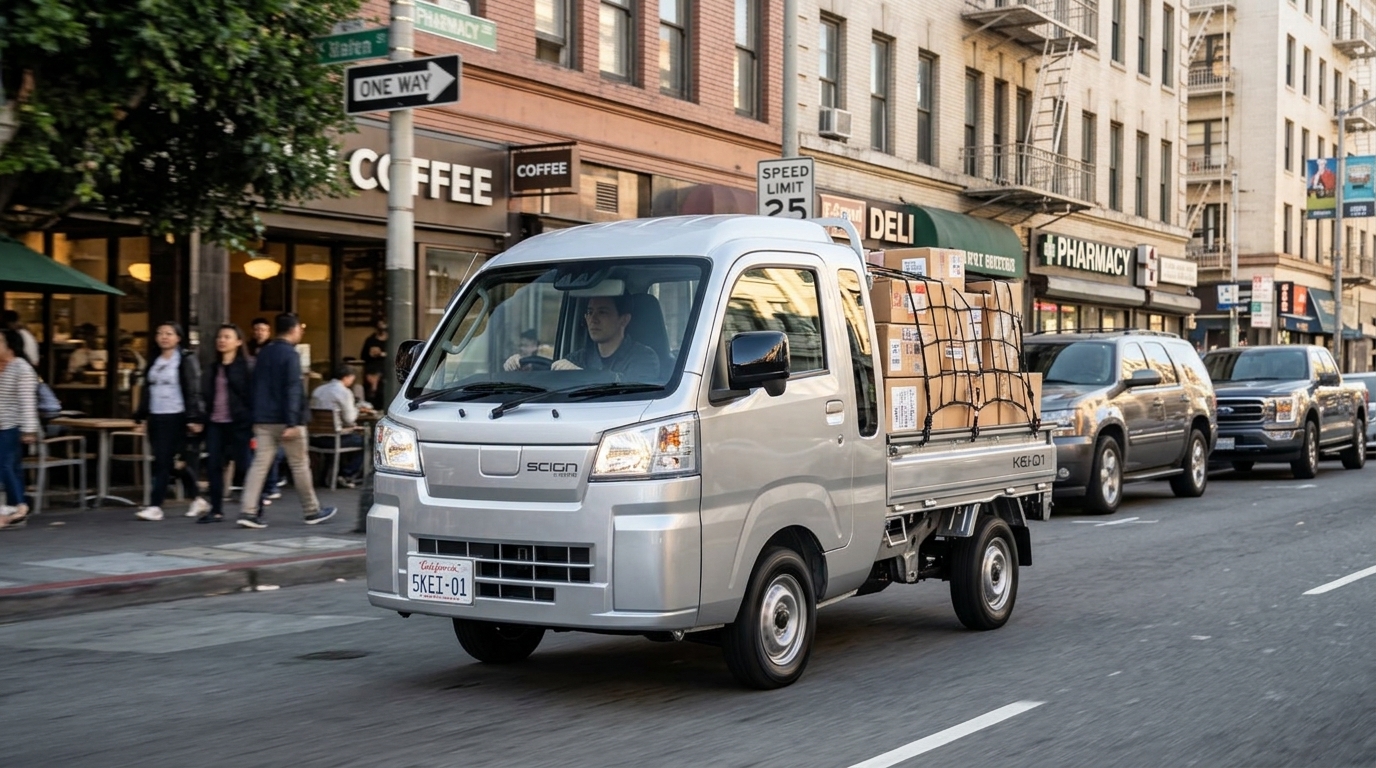
Toyota just dropped the biggest kei truck news America has ever seen. On November 9, the automaker held dual reveal events in Michigan and Texas to introduce something nobody expected: the return of the Scion brand, now badged as Scion by Toyota, with a factory-built kei truck as its first vehicle.
If you've been watching the kei truck scene in America, you know this changes everything. For years, getting an imported mini truck registered meant wrestling through paperwork and fighting skepticism. Now Toyota's putting its name and factory backing behind one. That means more awareness, more legitimacy, and potentially stronger resale values for every kei truck owner out there.
Here's what you need to know about the KEI-01, when it's coming, and what you can do right now if you want a kei truck in your driveway before 2027.
The Toyota KEI-01 Specs: Tiny Truck, Big Capability
Let's talk hardware. Toyota packed serious functionality into a vehicle that's barely bigger than a golf cart.
The KEI-01 runs a 660cc three-cylinder engine with a continuously variable transmission and selectable 4WD with an auto mode and push-button lock. The bed folds down three ways for low, simplified loading. You get up to 600 pounds of payload capacity, heat and A/C in an extended cab, and reclining, sliding seats. The whole truck measures just over 11 feet long and under 5 feet wide, yet it can tow small trailers and equipment.
That's remarkable density in a footprint smaller than most parking spots.
The Catch: Low-Speed Vehicle Rules and Right-Hand Drive
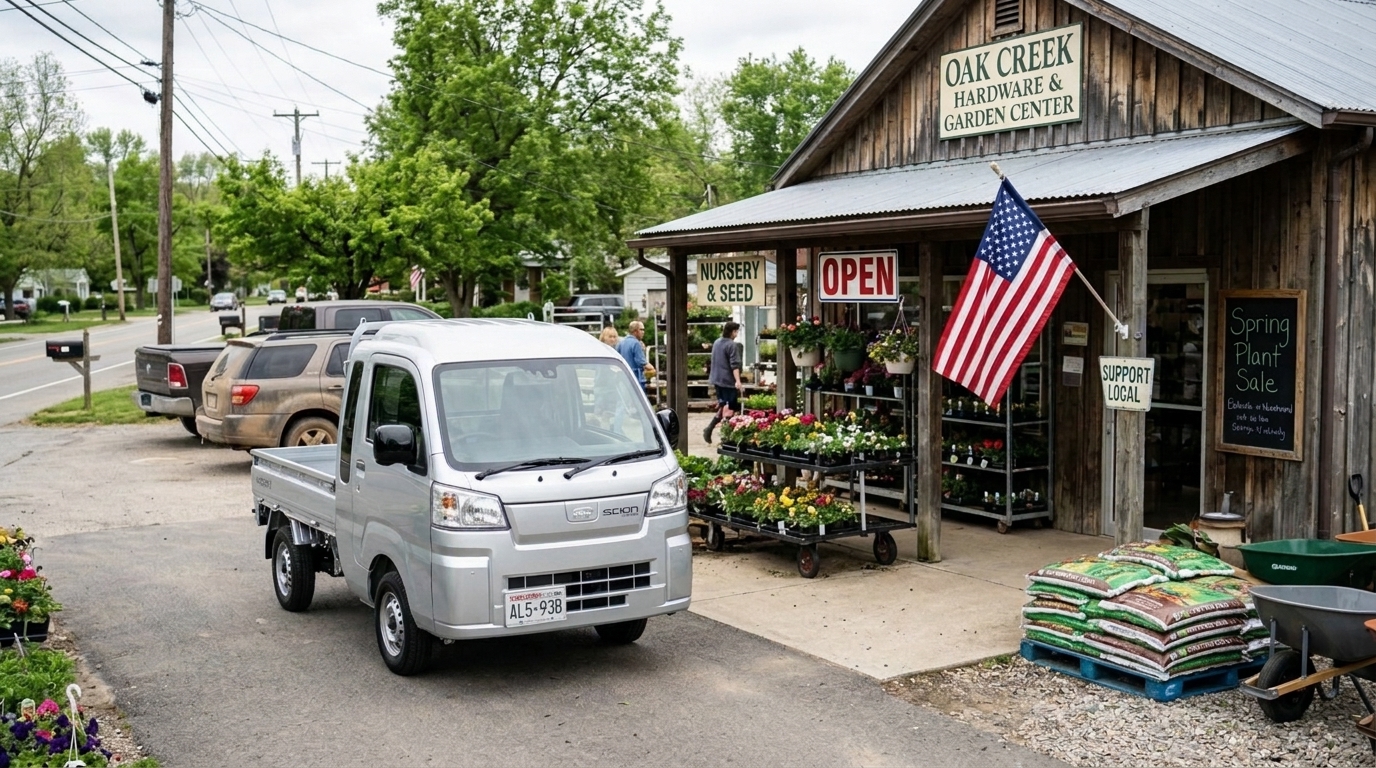
Before you start planning your commute, there's fine print. Toyota engineered the KEI-01 to meet the federal low-speed vehicle standard, FMVSS No. 500, which caps its top speed at 25 mph. The steering wheel also sits on the right, just like trucks in Japan.
Ready to register your vehicle?
Join thousands of vehicle owners who use Dirt Legal to handle their registration quickly.
Think farms, ranches, campuses, job sites, and small towns. This isn't your interstate hauler. Where an LSV can legally drive depends on your state and local road rules, so check your area before you commit. The limitations are real, but for the right property or community, this truck is purpose-built.
Release Timeline: Fleets First, Retail Maybe Later
Toyota will start assembly in the second half of 2027 at Toyota Motor Manufacturing Indiana, investing $34 million into the plant and adding about 50 jobs. But retail customers shouldn't clear out the garage yet.
The first trucks go to a fleet-focused pilot program through select Scion by Toyota dealers. Retail availability will depend on pilot demand, and Toyota hasn't announced pricing. If you're hoping for retail models, plan on waiting beyond late 2027, possibly into 2028.
Scion by Toyota's Other Concepts: SxS and BKE
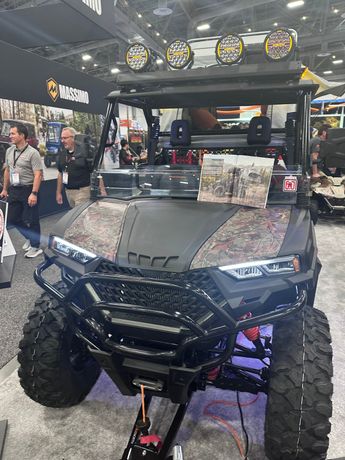
The KEI-01 wasn't alone at the reveal. Toyota also showed the SxS Concept, a side-by-side with a turbocharged four-cylinder hybrid pushing over 300 horsepower and a Silent Mode running on electric power alone.
Then there's the BKE Concept, described as a compact personal mobility machine. Toyota's keeping details under wraps, and neither concept has a production timeline. Still, the message is clear: Toyota sees a future in small, fun, useful machines beyond traditional categories.
Why This Matters for Kei Truck Owners Right Now
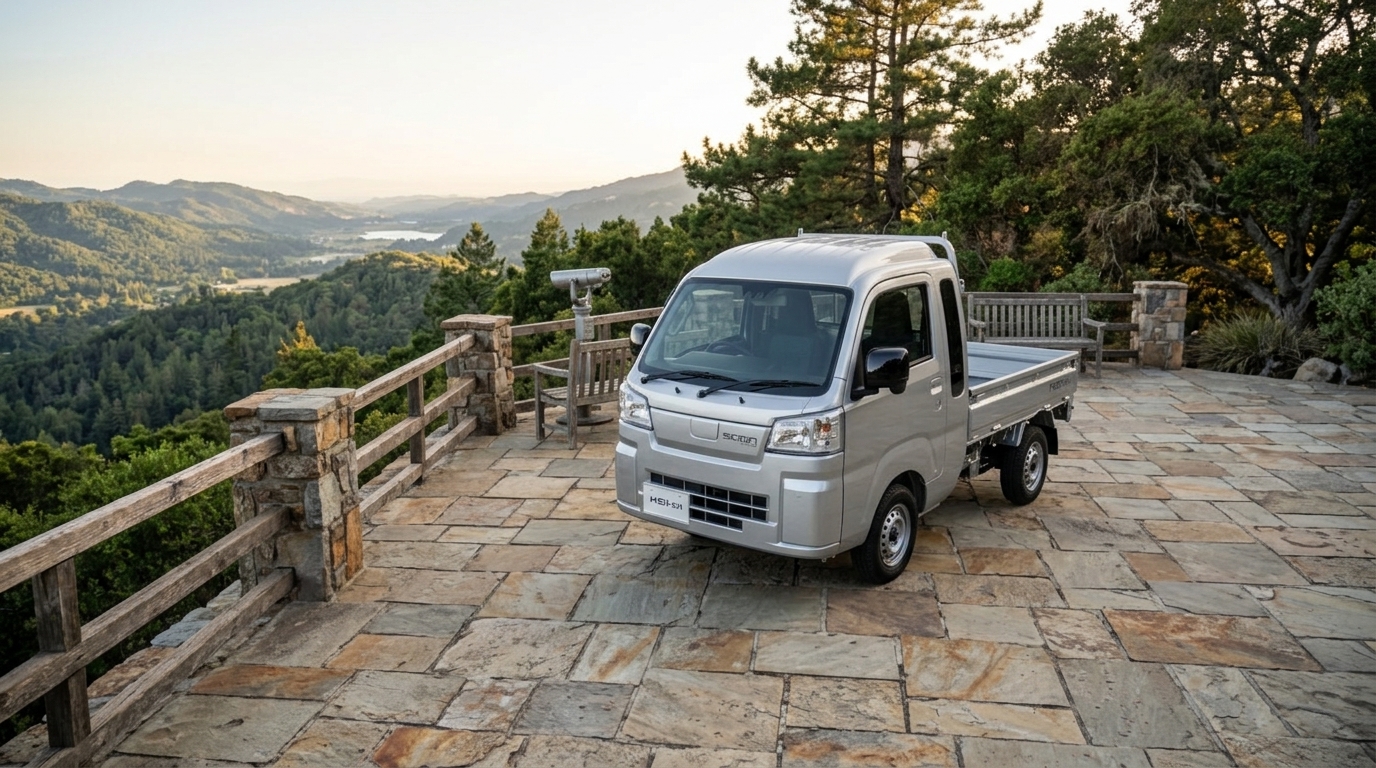
For years, kei truck owners lived as the oddballs at every gas station. Getting a foreign mini titled and plated meant stacks of paperwork and months of waiting. Toyota entering the market changes that narrative overnight.
More mainstream awareness means more buyers looking at kei trucks. More buyers mean stronger resale values for every mini truck that already has clean paperwork. The KEI-01 is a rising tide that lifts all boats in this space.
But here's the critical part: that value only shows up if your paperwork is in order. A kei truck without a title is a yard decoration. A registered vehicle is an asset you can insure, drive, and sell.
Your Options: Register a Kei Truck Today
If you already own an imported kei truck or are thinking about buying one before the KEI-01 hits dealer lots, you don't have to wait until 2027. Getting your truck plated now means you can use it this season, lock in value, and build equity.
Our registration assistance covers imported kei trucks from start to finish. You remote paperwork support entirely. We handle imported mini trucks with export certificates, title recovery for vehicles with missing paperwork, and Montana LLC registration options that eliminate sales tax in many cases.
Registration cards and plates ship in as little as 1 day. At a typical 7% sales tax, a $15,000 truck costs $1,050 in tax. Registering through a Montana LLC keeps that money in your pocket.
| Registration Path | Timeline | Sales Tax | Best For |
|---|---|---|---|
| Standard State Registration | 2-4 weeks | Applies | Straightforward ownership in your home state |
| Montana LLC registration | 1-3 days | 0% (no sales tax) | Asset protection, significant tax savings |
| Bonded Title assistance service | Variable | Applies | Missing or unclear title history |
When the KEI-01 hits retail shelves, we'll be ready to plate that too. Same goes for UTVs, dirt bikes, and pretty much any vehicle with an engine. Our end-to-end list covers powersports and specialty vehicles.
The Real Value of Acting Now
The KEI-01 isn't available for two years. But the kei truck market is moving right now. Every month your truck sits unregistered is value left on the table. You can't use it, insure it on the road, or sell it to someone who wants clean paperwork.
Registration paperwork exists to protect you and the next owner. It's not bureaucracy for its own sake. When you have a title and plates, you own an asset. When you don't, you own a liability.
Getting your kei truck registered before the KEI-01 launch means you're ahead of the rush and positioned to benefit from the brand awareness Toyota's creating. That's smart positioning.
FAQ: Kei Trucks, Registration, and the KEI-01
Where are kei trucks allowed?
Kei truck being allowed depends on state and local rules. Most states allow low-speed vehicles on certain roads, but restrictions vary. Some states limit them to agricultural, campus, or residential use. Check your state's DMV website or local ordinances for specifics. The KEI-01 meets federal LSV standards but is capped at 25 mph, which further restricts where it can operate.
What states allow kei trucks?
States with clearer kei truck pathways include Montana, South Dakota, Colorado, and California, but allowances differ by county and municipality. Federal LSV regulations apply nationwide, but individual states set their own registration and road-use rules. Always verify locally before purchasing. Some states require dedicated off-road or agricultural use only.
Why are kei trucks illegal?
Kei trucks aren't universally illegal. They're restricted because they don't meet standard U.S. vehicle safety standards (FMVSS) for highway use. The 25 mph LSV cap exists to differentiate them from full-speed vehicles. Some states view them as off-road only; others allow limited public road use. Local restrictions depend on whether your area permits LSVs.
How to register a kei truck?
Registration paths include: (1) importing with an export certificate and working with a registration specialist, (2) using a bonded title if paperwork is missing, or (3) registering through a Montana LLC for asset protection and tax savings. Most owners work with specialists rather than handling DMV paperwork solo. Plates and registration ship within days.
Can you drive a kei truck in the US?
Yes, but with restrictions. Kei trucks registered as low-speed vehicles are capped at 25 mph and often limited to specific road types, properties, or communities. You cannot use them for interstate highway travel. Check your state and local regulations before buying. Some areas allow them only on private land or farm roads.
Can I buy a truck in Mexico and bring it to the US?
Mexican trucks require importation paperwork, VIN verification, and U.S. registration. Import duties and taxes apply. You'll need proof of ownership, a bill of sale, and compliance documentation. The process is lengthy and expensive. For kei trucks specifically, importing Japanese models with export certificates is often simpler than Mexican imports.
The Toyota KEI-01 is coming, and it's raising the profile of kei trucks in America. But you don't have to wait until 2027 to own one. Don't let your kei truck sit unregistered another season.