Japanese & Korean Cars for Low Maintenance Vehicles
Learn why Japanese and Korean cars appeal to owners seeking low-maintenance vehicles. Reliability, parts cost, and lifespan make them smart choices.
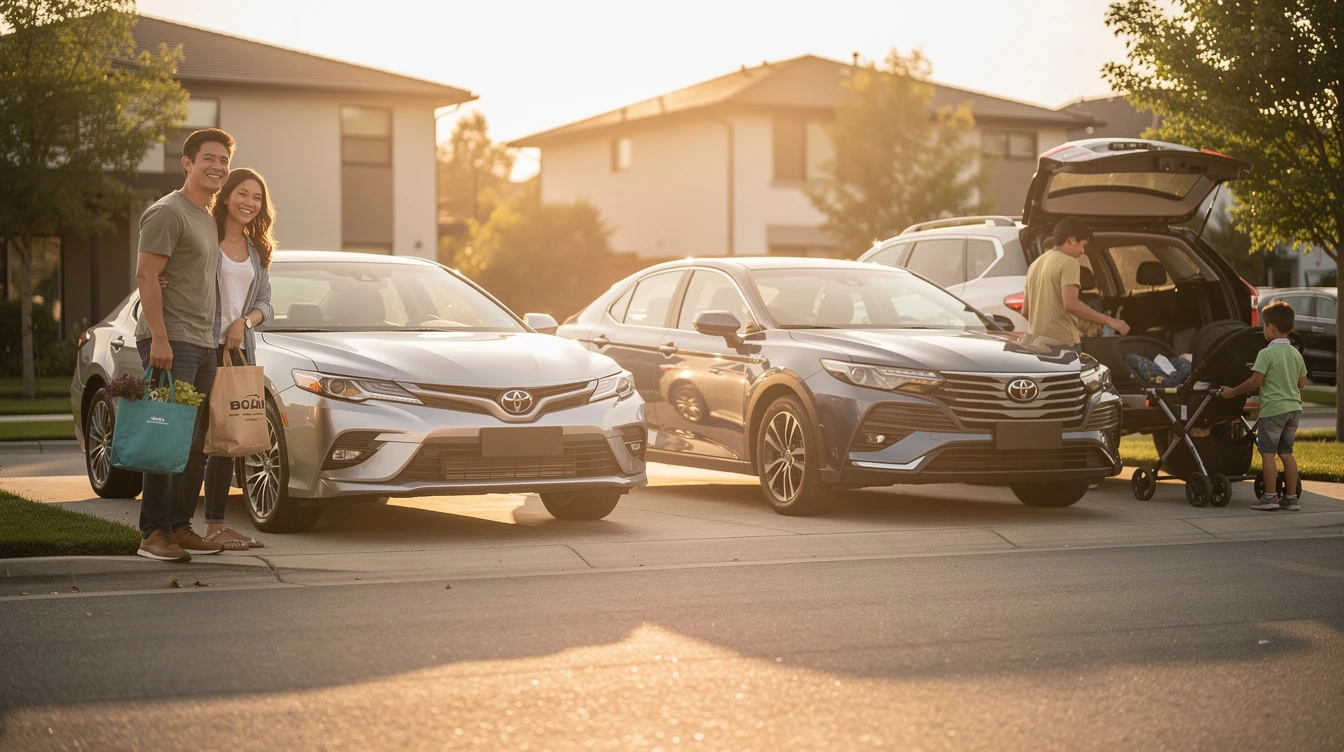
Japanese and Korean cars dominate the low-maintenance vehicle market because they're engineered for durability, feature affordable replacement parts, and require infrequent repairs compared to their Western counterparts. These manufacturers have built decades of reputation around building vehicles that simply keep running, making ownership cheaper and less stressful over the long term.
In This Guide
- Why Japanese and Korean Engineering Prioritizes Reliability
- How Low Maintenance Costs Save You Money Over Time
- Affordable Parts and Simplified Access to Replacements
- Long Vehicle Lifespan and Strong Resale Value
- How These Brands Compare to Western Manufacturers
- Vehicle Registration and Tax Considerations
- Frequently Asked Questions
Why Japanese and Korean Engineering Prioritizes Reliability
Japanese manufacturers like Toyota, Honda, and Nissan built their global reputation by focusing on engineering simplicity and long-term durability rather than features. The philosophy is straightforward, work with proven designs, test extensively, and avoid unnecessary complexity that breaks down. This approach traces back decades when Japanese companies had to earn trust in Western markets by delivering vehicles that simply wouldn't fail.
Korean brands like Hyundai and Kia adopted a similar mindset but compressed the timeline, entering the global market more recently with better upfront quality. Both regions prioritize redundancy in critical systems, meaning backup pathways for essential functions like fuel delivery, ignition, and cooling. When a component fails, the car is engineered to degrade gracefully rather than catastrophically.
- Conservative engineering: They use proven technologies instead of experimental systems
- Extensive testing: Components undergo real-world durability testing before production
- Quality control: Manufacturing tolerances are tighter, reducing defects at the assembly line
- Modular design: Parts are designed to be replaced independently without touching neighboring components
- Long development cycles: New models are tested for years before launch, not rushed to market
This engineering philosophy means owners spend less time in repair shops and more time driving. A Honda engine that runs 200,000 miles is not a fluke; it's a design goal built in from the beginning.
How Low Maintenance Costs Save You Money Over Time
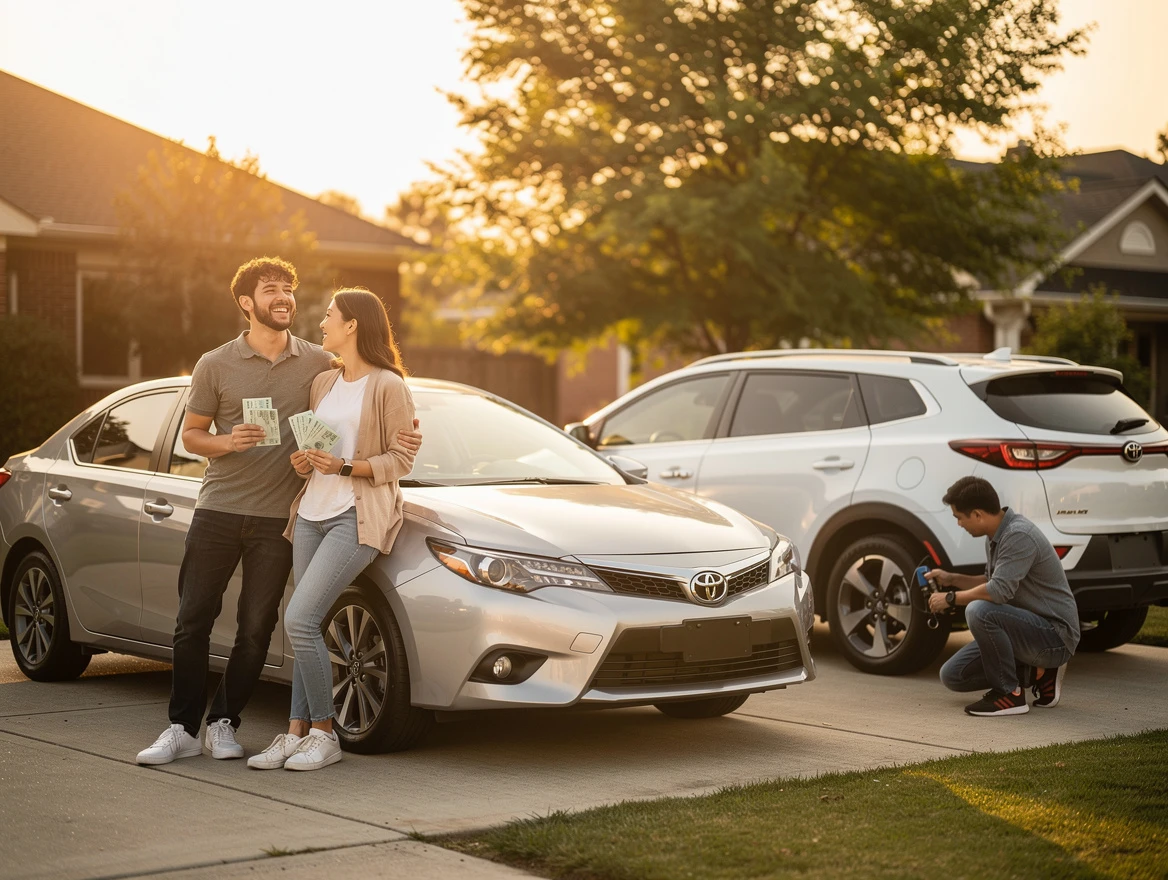
The real appeal of Japanese and Korean cars becomes clear when you look at total cost of ownership. These vehicles require fewer repairs, and when repairs are needed, they're faster and cheaper than elevated or American brands. Regular maintenance on a Toyota or Hyundai involves simple oil changes, filter replacements, and basic fluid checks, not extensive diagnostics or expensive proprietary parts.
Ready to register your vehicle?
Join thousands of vehicle owners who use Dirt Legal to handle their registration quickly.
Many Japanese vehicles are designed with maintenance intervals that stretch to 10,000 miles for oil changes and 100,000+ miles for major components like spark plugs or transmission fluid. This reduces annual out-of-pocket expense and inconvenience.
- Owners typically spend 30-40% less annually on repairs compared to European elevated brands
- Scheduled maintenance is predictable and infrequent, making budgeting easier
- Warranty coverage on Korean brands is exceptionally generous, often 10 years or longer
- DIY repairs and routine maintenance are simpler, with abundant online guidance
- Mechanics charge lower labor rates for Japanese cars since they're straightforward to service
When an unexpected repair does happen, the cost is typically modest. Replacing a water pump, alternator, or brake pads is cheaper on a Honda than a BMW or Mercedes, and the repair takes less labor time.
Affordable Parts and Simplified Access to Replacements
Both Japanese and Korean manufacturers sell millions of vehicles globally, which creates a vast aftermarket for parts. This high volume means replacement components are plentiful, prices are competitive, and you can find them at almost any automotive supply store or online retailer. For a Toyota or Hyundai, you're never stuck waiting weeks for a part or paying inflated prices from a dealership.
OEM parts (Original Equipment Manufacturer parts from the brand itself) are also reasonably priced because production volumes are enormous. Korean brands in particular have become known for competing on value, pricing OEM parts lower than European or American equivalents.
- Aftermarket parts are abundant, giving buyers options between OEM and third-party suppliers
- Online retailers stock common replacement parts at lower markups than dealerships
- Used parts from salvage yards are cheaper and readily available due to high vehicle population
- Mechanics don't need expensive diagnostic software; older models use straightforward systems
- Parts are standardized across model years, increasing compatibility and reducing dead stock
This parts extends the useful life of Japanese and Korean cars significantly. An owner can replace worn components affordably and keep the vehicle running for 200,000+ miles without major financial burden.
Long Vehicle Lifespan and Strong Resale Value
Japanese cars are famous for their longevity. It's not unusual to see a 15-year-old Honda Civic or Toyota Corolla with 150,000+ miles still running reliably. Korean brands are following the same trajectory; newer Hyundai and Kia models are now reaching the same reliability benchmarks that Japanese brands achieved decades ago.
This durability translates directly to resale value. Buyers know that a used Japanese or Korean car is a safer bet than vehicles with unknown maintenance histories. A well-maintained Honda retains its value better than comparable American or European models, which makes the original purchase a smarter financial investment.
- Depreciation curves are slower, meaning your vehicle holds value longer
- Used car buyers actively seek Japanese brands, keeping demand and prices stable
- High-mileage cars are still desirable if they're Japanese or Korean, unlike some Western brands
- Maintenance records boost resale value, and owners keep detailed records because repairs are affordable
- Market data shows 10-year-old Corollas and Civics outsell comparable American models by a wide margin
This creates a virtuous cycle: the low cost to keep a Japanese or Korean car running encourages owners to maintain them thoroughly, which preserves value, which makes them attractive used purchases, which keeps demand high.
How These Brands Compare to Western Manufacturers
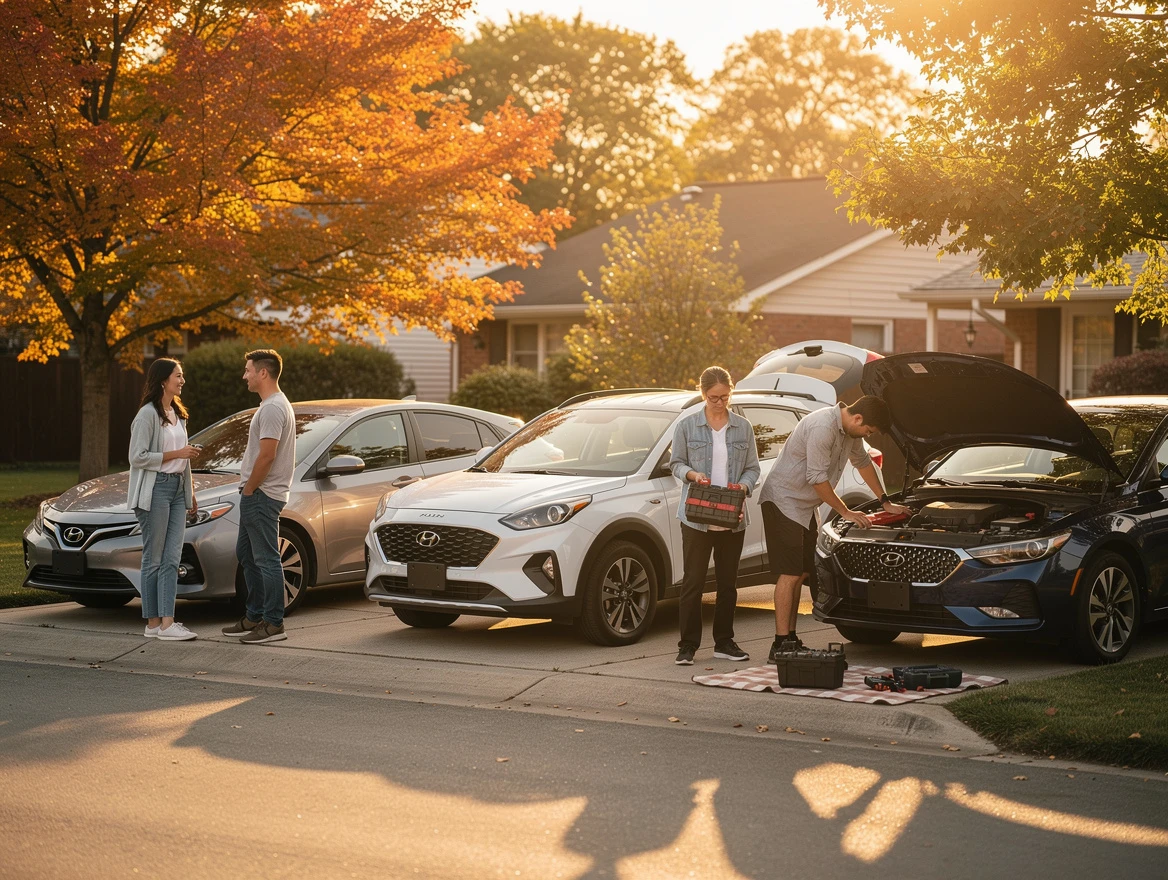
American and European brands have made tremendous strides in reliability over the past two decades, but Japanese and Korean manufacturers still hold the low-maintenance crown in several key areas. The difference comes down to philosophy and market positioning. Western brands often compete on elevated features, performance, or brand prestige rather than pure durability and affordable ownership.
| Category | Japanese Brands | Korean Brands | American Brands | European Brands |
|---|---|---|---|---|
| Average Annual Repair Cost | $500-700 | $400-600 | $700-1000 | $1200-2000 |
| Parts Availability | Excellent | Excellent | Good | Moderate |
| Scheduled Maintenance Frequency | Every 10,000 miles | Every 10,000 miles | Every 7,500-10,000 miles | Every 5,000-7,500 miles |
| Engine Lifespan | 200,000+ miles | 200,000+ miles | 150,000-180,000 miles | 120,000-150,000 miles |
| Warranty Length | 5-10 years | 10+ years | 3-5 years | 3-5 years |
German elevated brands, for example, offer technology and performance but charge bespoke labor rates and use proprietary parts. American trucks offer capability but typically require more frequent maintenance. Japanese and Korean vehicles occupy the sweet spot for buyers who want reliability without paying elevated prices.
Vehicle Registration and Tax Considerations
When you own a low-maintenance vehicle like a Japanese or Korean car, registration and tax implications matter because you plan to keep it for the long term. Many owners with high-mileage, valuable vehicles look at options to improve registration costs. Some vehicle owners have found that registering vehicles in Montana offers advantages like simplified registration processes and lower overall vehicle ownership costs. If you own a newer or valuable Japanese or Korean car, understanding your registration options can save significant money over ownership.
Additionally, the low maintenance costs of these vehicles make them excellent candidates for long-term ownership, which affects how you should approach registration and title decisions. Whether you register in your home state or look at alternatives, knowing the requirements and timelines helps you make the right decision for your specific vehicle and situation.
Skip the Paperwork, Let Us Handle It ->
Frequently Asked Questions
Can two people be on a car title?
Yes, two or more people can be listed on a vehicle title. Most states allow joint ownership, and it's common for spouses, business partners, or co-buyers to share a title. The title will show both owners, and both must sign to transfer or sell the vehicle. How you're listed, whether as joint tenants or tenants in common, affects what happens to the vehicle if one owner passes away, so clarify ownership structure with your state's DMV when registering.
Can a car be registered to two people?
Yes, a car can be registered to two people. Registration and title are separate but related documents. You can register a vehicle in both names, and both owners will be listed on the registration card. Each owner has equal rights to the vehicle unless the title specifies otherwise. Contact your state's motor vehicle office to clarify co-registration rules, as some states require both owners to be present at registration while others allow one owner to handle it.
Why do people buy cars in Montana?
People buy and register cars in Montana for several reasons, including the state's streamlined registration process, simplified title requirements, and the ability to register vehicles through a Montana LLC for asset protection and other advantages. Montana's approach to vehicle registration, particularly for specialty vehicles, makes it attractive to owners nationwide who want flexibility and efficiency. Many owners of collectible, custom, or valuable vehicles choose Montana registration for practical and financial reasons.
What is a low-speed vehicle?
A low-speed vehicle, often called an LSV, is a vehicle designed to operate at a maximum speed of 25 mph and typically seats 4-8 passengers. Golf carts, neighborhood electric vehicles (NEVs), and enclosed utility carts fall into this category. Low-speed vehicles have different registration and licensing requirements than street-legal vehicles, and they're not permitted on highways or roads with speed limits above 35 mph. Some states have specific registration pathways for LSVs, while others classify them separately from standard automobiles.
Can you have two people on a car title?
Yes, you can have two people on a car title. This is called joint ownership, and both parties have an equal claim to the vehicle. When two people are on the title, both must sign any documents needed to transfer, sell, or refinance the vehicle. The title will specify the names of both owners and may indicate the type of ownership, such as joint tenants or tenants in common, which determines inheritance rights if one owner passes away.
What you need to know about car accidents?
After a car accident, your first priority is safety and getting medical help if needed. Document the scene with photos, exchange information with other drivers, file a police report, notify your insurance company promptly, and avoid admitting fault at the scene. Keep records of all medical treatment, repair estimates, and communications with insurers. If your vehicle is damaged beyond practical repair, you may need title assistance. For Japanese and Korean vehicles with low maintenance histories, accidents are less likely given their reliability, but proper documentation protects your financial interests regardless of the brand you own.