Is It Street-Legal to Register My Car in Montana?
Wondering if it is street-legal to register my car in Montana if I don't live there? Learn how Montana LLC vehicle ownership works compliantly nationwide.

Yes, it is street-legal to register your car in Montana if you don't live there by forming a Montana Limited Liability Company (LLC) that owns the vehicle. Montana law permits domestic business entities to title and register motor vehicles in the state regardless of where the LLC owners reside. The vehicle receives valid Montana plates and registration issued to the entity rather than an individual non-resident.
How Does a Non-Resident Own and Register a Car in Montana Compliantly?
A Montana Limited Liability Company is a recognized entity formed under Title 35 of the Montana Code Annotated that holds its own independent property rights. Under this structure, you do not own the car directly in your personal name; your Montana company owns the asset. Because the business is formed and domiciled in Big Sky Country, the business qualifies as an in-state resident for motor vehicle titling.
A registered agent is an individual or business entity designated to receive correspondence and service of process in the state of formation. Maintaining a statutory registered agent with a physical Montana address satisfies state residency mandates for the LLC. You can review how this framework functions through our complete montana llc guide.
- Step 1: Form a Montana LLC through the Montana Secretary of State, Business Entity Search portal.
- Step 2: Appoint a permanent registered agent maintaining a physical street address in Montana.
- Step 3: Transfer vehicle ownership to the company using a bill of sale or title assignment.
- Step 4: Submit ownership documents to the county treasurer to obtain Montana plates and registration.
For more background on why thousands of motorists establish out-of-state company ownership, read Why Do People Register Cars in Montana? The Real Reasons Explained.
Does Montana Have State Sales Tax on Vehicle Purchases?
Montana has a 0% statewide general sales tax rate on personal property purchases, which means vehicle buyers pay zero percent state sales tax at the counter when titling an asset through a domestic business entity. This 0% rate applies to standard passenger cars, motorhomes, commercial assets, and specialty powersports alike. Permanent registration is a statutory registration classification under Montana Code Annotated 61-3-321 that grants lifetime license plates without annual sticker renewal fees for light vehicles 11 years old or older.
Ready to register your vehicle?
Join thousands of vehicle owners who use Dirt Legal to handle their registration quickly.
For owners seeking a simplified registration process without repeated DMV visits, our team offers tailored assistance. Look at how our Montana LLC services coordinate corporate filings and county documentation. Dirt Legal has completed over 6,000 customer orders to date (lifetime through current month, n=6,255), proving that our remote paperwork support consistently delivers results.
What Are the Key Differences Between Montana and Home-State Vehicle Registration?
Comparing out-of-state corporate registration with standard residential registration involves contrasting sales taxes, recurring inspections, and permanent registration rules. State rates vary widely, with states like California assessing base vehicle sales taxes exceeding 7.25% plus local district additions up to 10.25%.
Here is an operational comparison between registering a vehicle through a Montana corporate entity versus typical home-state private registration:
| Registration Attribute | Montana LLC Ownership | Standard Home-State Ownership |
|---|---|---|
| State Sales Tax Rate | 0.0% | 4.0% to 10.25% depending on location |
| Physical Smog / Emissions Inspection | None (0 tests required) | Annual or biennial tests in 30+ states |
| Permanent Plate Eligibility | Available on light vehicles 11+ years old | Rare; annual renewals required in most states |
| Ownership Structure | Domestic LLC (corporate entity) | Individual personal ownership |
| Out-of-State Non-Resident Eligibility | Eligible via designated registered agent | Generally restricted to physical residents |
| Paperwork Filing Route | County Treasurer via mail or specialist | Local county or municipal DMV branch |
To examine specific state interactions or compare corporate setups versus individual setups, read States to Register a Collector Car: Montana vs Florida vs SD from our sister platform Ride Legal.
Why Do People Register Supercars, Motorhomes, and Daily Drivers in Montana?

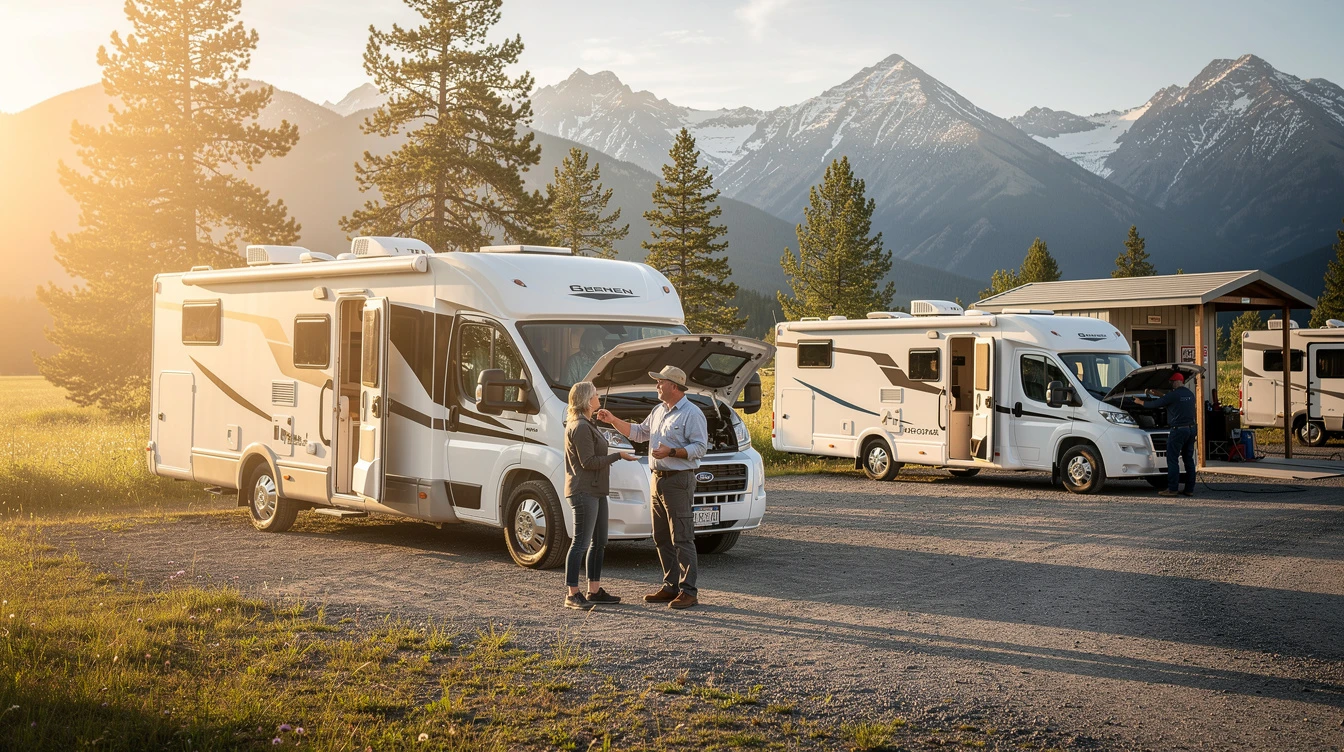
Owners register exotics, RVs, and fleets in Montana primarily due to substantial acquisition savings and simplified vehicle maintenance guidelines. On a bespoke $300,000 supercar, a 7% local sales tax represents $21,000 in immediate cash outlays, whereas Montana titling carries zero state sales tax. Motorhome owners save considerable sums because high-dollar recreational vehicles face steep initial registration surcharges across most jurisdictions.
To learn how high-value assets are handled compliantly, review our walkthrough on How Do I Register a Lamborghini Through a Montana LLC? or read our breakdown on Save Time and Money: Register Your Daily Driver in Montana.
Consider these notable advantages:
- Zero percent sales tax on new purchases, private party sales, or existing transfers.
- No mandatory vehicle safety inspections or emissions tests under state statutes.
- Lifetime license plates on eligible light vehicles aged 11 years or older.
- Centralized asset holding under an established corporate structure.
For more details on out-of-state vehicles moving between regions, see The Benefits of Registering a Florida Car Out-of-State.
Register Your Vehicle, Get Started Today →
What Are Your Home State Compliance Rules for Out-of-State Plates?
While Montana permits out-of-state residents to form companies and title vehicles, your home state maintains its own motor vehicle codes regarding vehicles operated within its borders. A use tax is an excise tax levied by a state on the storage, use, or consumption of tangible personal property within its borders when sales tax was not collected at purchase. Many states enforce statutes requiring vehicles driven by resident operators beyond 30 to 60 consecutive days to establish in-state registration or settle local use taxes.
Enforcement patterns differ across jurisdictions. States like California and Georgia use automated license plate readers and residency investigation divisions to identify Montana-plated vehicles garaged locally. If you store or operate your vehicle primarily in your home state, consult a qualified tax professional regarding potential use tax exposure before choosing an out-of-state structure.
For owners seeking a compliant roadmap across different asset classes, our guide on How to Register an Exotic Car in Another State & Comply outlines practical steps to maintain valid documentation.
Frequently Asked Questions
How to register a car in Montana?
To register a car in Montana, establish a domestic Montana LLC through the Secretary of State, appoint a registered agent, assign vehicle title ownership to the company, and submit registration documents along with county titling forms to a Montana county treasurer. The state issues a title and plates directly to your company.
How to register your car in Montana without living there?
Non-residents register cars in Montana by forming an LLC within the state. Because the business entity serves as the vehicle owner and maintains statutory residency via a local registered agent, out-of-state individuals can compliantly title assets without personal Montana residency or a local driver's license.
Are open wheel cars street-legal?
Open-wheel cars generally require specific equipment to be street-legal, including DOT-compliant headlights, taillights, turn signals, mirrors, horn, and adequate fender coverage. Requirements vary by state, but vehicles lacking fenders or standard safety equipment typically cannot obtain standard passenger plates without conversions.
Are there any street-legal ATVs?
Yes, ATVs can become street-legal in select states by adding required on-road safety equipment such as mirrors, horn, turn signals, and license plate brackets. Montana, South Dakota, and Arizona allow compliant quad registration, providing an out-of-state registration pathway for enthusiasts nationwide.
How to make a race car street-legal?
Making a race car street-legal requires satisfying state-mandated safety and emissions equipment rules. You must equip the vehicle with DOT-approved tires, operational windshield wipers, functional headlamps, turn indicators, side mirrors, and compliant braking systems before applying for vehicle inspection and registration paperwork.
Are side by side street-legal?
Side by sides (UTVs) are not street-legal from the factory in most states, but they can achieve on-road compliance by adding turn signals, horns, illuminated license plate brackets, and rear mirrors. Registering through states like Montana or South Dakota provides plates for public street operation.