Do I Need an MSO for a UTV? Titling & Origin Rules
Do you need an MSO for a UTV? Find when a Manufacturer Certificate of Origin is required to title your side-by-side, replace lost papers, or register.
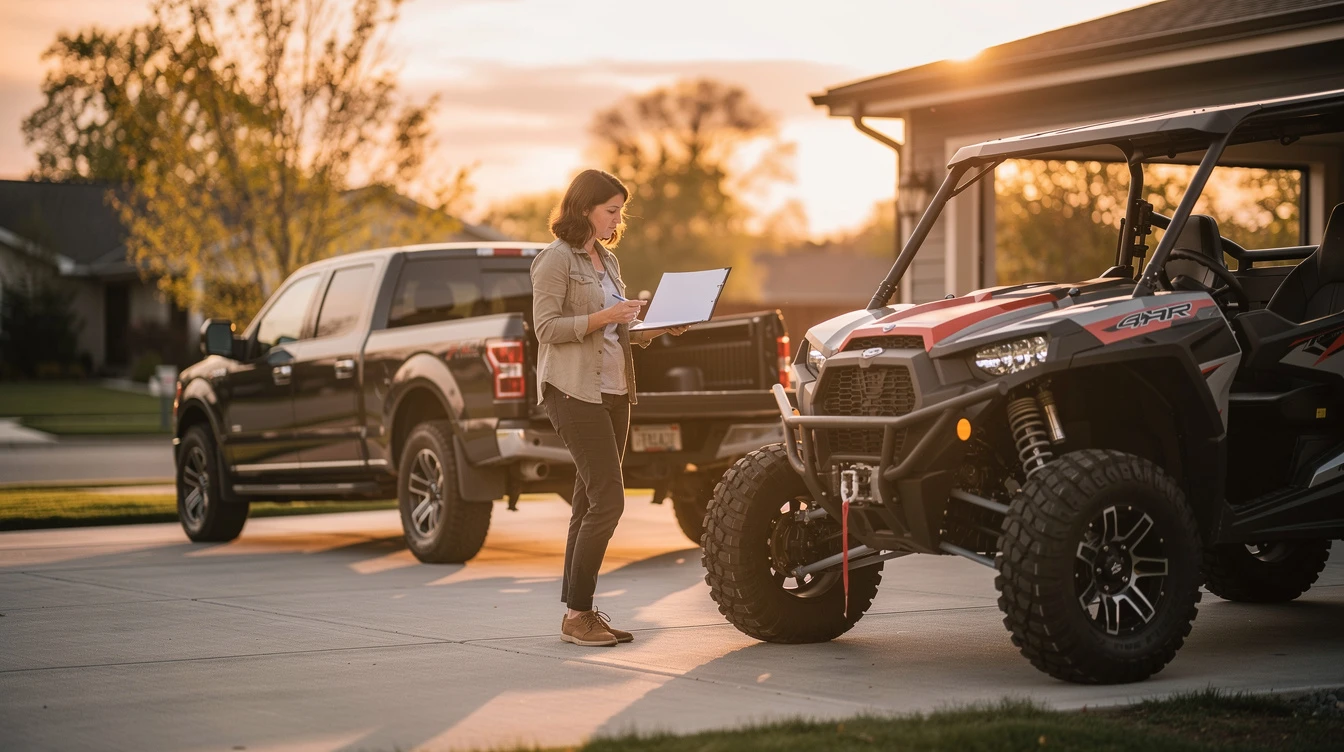
You need an MSO for a UTV if you purchased the side-by-side brand-new from a dealership and want to title or register it for the first time. For a used UTV, an existing vehicle title or a state-approved bill of sale automotive document usually replaces the original manufacturer paperwork.
In This Guide
- What Is an MSO and Why Does a UTV Have One?
- When Is an MSO Required to Title or Register a UTV?
- Can You Register a UTV With Just a Bill of Sale?
- How Do You Replace a Lost MSO for a UTV?
- How Does Titling a UTV Differ by State?
- Frequently Asked Questions
What Is an MSO and Why Does a UTV Have One?
A Manufacturer's Statement of Origin, also called a Certificate of Origin, acts as the foundational birth certificate for a newly built motor vehicle. It is generated at the factory when the machine rolls off the assembly line and transfers to the franchise dealer with the unit. This document verifies that the manufacturer built the machine and assigned its specific Vehicle Identification Number.
Powersports builders like Polaris, Can-Am, Honda, and Yamaha issue an origin certificate for every utility terrain vehicle. The paperwork lists technical details including dry weight, engine displacement, model year, and horsepower. Before any state agency prints an official title, the origin document represents the sole proof that the machine exists legitimately in commerce.
When an individual buys a brand-new side-by-side, the dealership signs the origin certificate over to that buyer. The buyer or the dealer then submits this document to state licensing authorities to generate the machine's initial title. Once that first title is issued, the state archives or cancels the origin document permanently.
When Is an MSO Required to Title or Register a UTV?
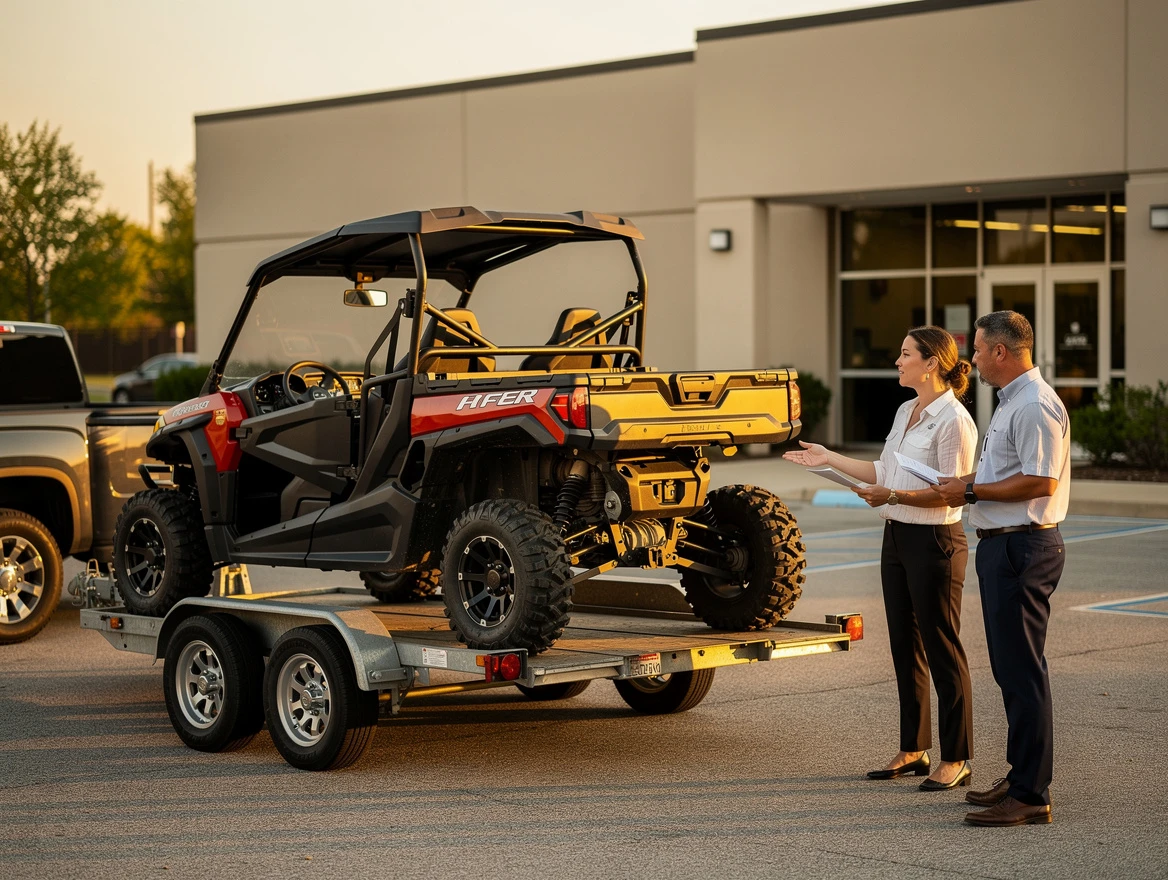
An MSO is strictly required whenever you attempt to title or register a new side-by-side that has never possessed a state-issued certificate of title. Without it, state registration bureaus have no verified record of vehicle origin or sales tax lineage. Dealerships and private buyers must present this document alongside proof of sale to secure initial plates.
Ready to register your vehicle?
Join thousands of vehicle owners who use Dirt Legal to handle their registration quickly.
Register Your Vehicle Today →Financed purchases make the origin document even more critical. Lenders require a valid title to record their formal lien against the vehicle, and obtaining that title requires the original manufacturer certificate. If you buy a brand-new unit with cash, the dealership should hand you the signed document directly upon delivery.
For used side-by-sides, the rules shift. If the machine was previously titled in any state, you do not need the original certificate of origin. Instead, you need the prior owner to sign over the existing title, following standard dmv title transfer procedures to keep the chain of ownership intact.
Can You Register a UTV With Just a Bill of Sale?
Registering a UTV with only a bill of sale depends entirely on the laws of the state where you apply and the prior registration status of the machine. Several states exempt off-highway vehicles from mandatory titling, meaning private sales often exchange hands using only a basic receipt. However, states with strict titling mandates will reject a standalone bill of sale without supporting origin paperwork.
If you purchase a machine in a state that does not title powersports, transferring that unit into a strict title state becomes frustrating. A detailed guide on this scenario is available in Can I Get a Title With Just a Bill of Sale in Colorado?, which highlights how local agencies evaluate proof of ownership. You can also review options in I Have a Car With No Title. Is It Worth Trying to Get One? for handling missing titles on wheeled machines.
When local offices turn you away, alternative registration options offer a practical path forward. Dirt Legal specializes in remote paperwork support, helping powersports owners convert bills of sale into valid plates through out-of-state programs. When paperwork complications arise during private transfers, the most common refund reason category is changed_mind rather than processing hurdles (internal data, rolling last 180 days, n=145).
Owners often look at our street legal services to make their side-by-side road-compliant without endless local bureaucracy. You can also establish a corporate asset structure through our Montana LLC program to secure permanent montana plates without paying state sales taxes.
How Do You Replace a Lost MSO for a UTV?
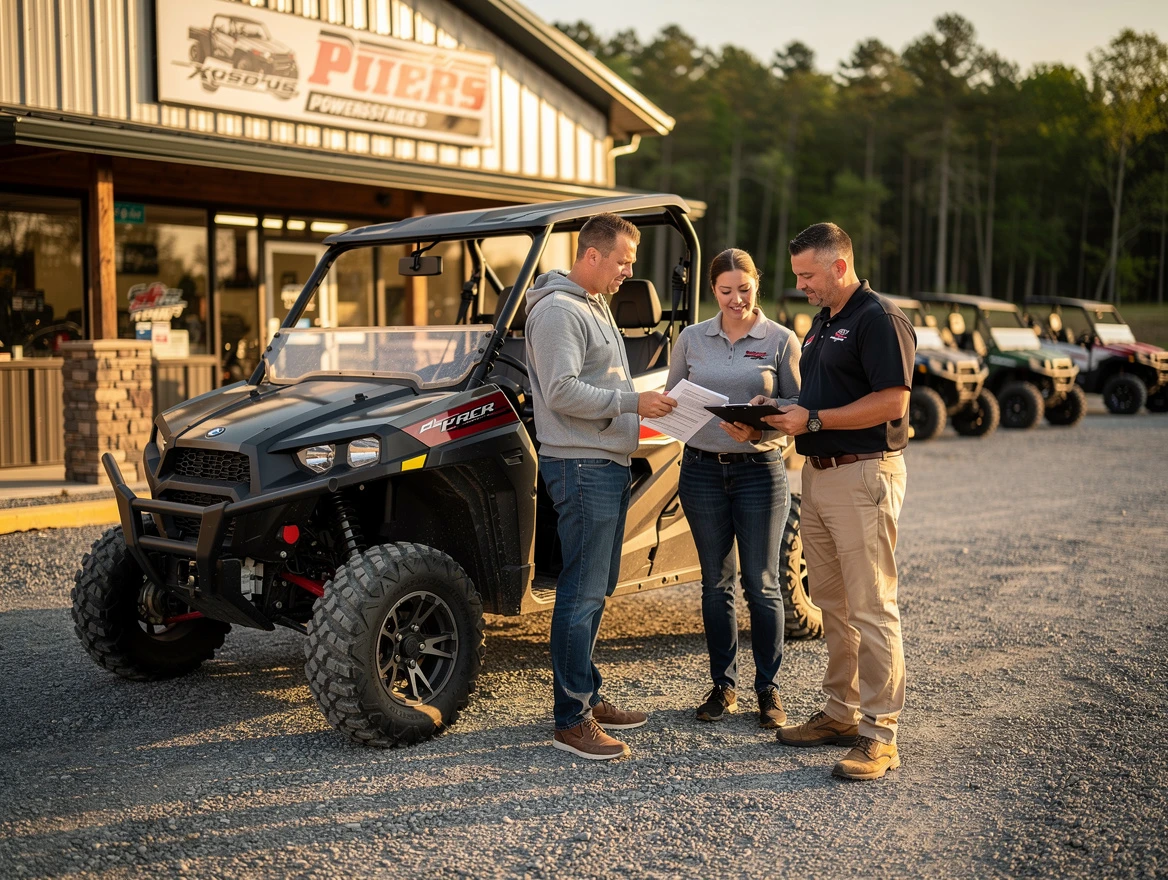
Replacing a misplaced origin certificate requires working directly with the original selling dealership or manufacturer to request an authorized duplicate. Powersports manufacturers will not ship origin paperwork directly to consumers, meaning the selling dealer must submit the replacement request with our paperwork support. If the dealership has gone out of business, alternative titling processes like a bonded title become necessary.
Before spending weeks chasing an obsolete dealership, verify the machine's history using the NHTSA VIN Lookup or by ordering a complete check from our VIN check service. Checking the serial number ensures no previous owner titled the vehicle under the radar.
- Contact the selling dealership: Provide the complete 17-digit VIN and request a duplicate manufacturer certificate from their manufacturer rep.
- Submit proof of purchase: Supply the dealer with your original sales invoice or cancelled payment record to prove legal possession.
- Pay dealer processing fees: Dealerships often assess an administrative fee to reorder and notarize duplicate certificates from the builder.
- File for a bonded title if replacement fails: Purchase a surety bond based on the vehicle value if the original dealer cannot assist.
- Work with registration specialists: If your local office rejects your bond, use how the process works to plate the vehicle out-of-state.
How Does Titling a UTV Differ by State?
State governments maintain wildly different titling and highway access rules for utility task vehicles. While Western states frequently embrace on-road powersport operation with basic equipment, eastern and coastal jurisdictions often restrict UTVs strictly to closed private land. Understanding your home state's posture determines whether you must obtain an MSO or pursue an out-of-state title solution.
In states like South Dakota and Montana, off-highway vehicles can obtain on-road plates with minimal modifications. Read our breakdown on Can You Make a UTV Street Legal in South Dakota? What to Know to understand those regional mechanics. Conversely, riders dealing with Appalachian trail systems can consult Can You Make a UTV Street Legal in Tennessee? What You Need to Know for county-specific highway guidelines.
| State / Jurisdiction | Title Required for UTV? | MSO Needed If Brand New? | Street-Legal Plate Option? | Primary Alternative If MSO Missing |
|---|---|---|---|---|
| Montana | Yes | Yes | Yes (Permanent plate available) | Montana LLC registration assistance |
| South Dakota | Yes | Yes | Yes (Four-wheel street registration) | Out-of-state paperwork filing |
| Tennessee | Optional (OHV decal) | Yes (For class I titling) | Limited (Secondary county roads) | Affidavit of ownership or bond |
| California | Yes (Green/Red sticker) | Yes | No (Strict off-highway classification) | Out-of-state transfer support |
| Florida | Yes | Yes | Limited (Designated agricultural paths) | Bonded title application |
For additional strategies on handling powersports paperwork quickly, review 6 Ways To Speed Up Your Trip To The DMV for Powersports. Official state titling forms and administrative guidance can also be found directly on the Montana Motor Vehicle Division portal.
Frequently Asked Questions
Do you need a license to drive a UTV?
Yes, you need a valid driver's license to operate a UTV on public roads in states where street use is permitted. For off-road trail riding on public lands, many states allow unlicensed minors to drive if they have completed an approved safety education course or ride under direct adult supervision.
What does a UTV need to be street legal?
To be street-legal, a UTV typically requires headlights, taillights, brake lights, turn signals, rearview mirrors, a horn, a lighted license plate bracket, and DOT-approved tires. Some jurisdictions also mandate a windshield, seat belts, and an annual mechanical safety inspection before issuing road plates.
What is an MSO?
An MSO is a Manufacturer's Statement of Origin, an original title-grade paper document created by the vehicle factory. It establishes true ownership, contains the unique Vehicle Identification Number, and allows the selling dealer to transfer new vehicle ownership to the initial retail purchaser.
What is a UTV?
A UTV, or utility task vehicle, is a motorized off-highway rig designed with side-by-side seating, a steering wheel, foot pedals, and a rollover protective structure. Commonly called side-by-sides, these machines feature cargo beds and higher payload capacities than traditional astride all-terrain vehicles.
What does MSO mean?
MSO means Manufacturer's Statement of Origin. In motor vehicle administration, it represents the primary pedigree certificate provided by the manufacturer before any individual state or county prints an official certificate of title for a newly built wheeled machine.
What does MSO stand for?
MSO stands for Manufacturer's Statement of Origin. It is used interchangeably with MCO, which stands for Manufacturer's Certificate of Origin. Both terms describe the identical legal manufacturing document required for initial retail titling and registration.
Ready to get your machine titled and road-ready without the paperwork headaches?
Register Your Vehicle Today →