Can I Buy a Car in Mexico & Import to USA?
Yes, you can import a car from Mexico to the USA. Learn the costs, requirements, timelines, and registration process for Mexican vehicles.

Yes, you can buy a car in Mexico and import it to the USA, but the process requires careful planning, specific vehicle eligibility, federal approval, and proper title and registration handling. Most vehicles can be imported, though some restrictions apply based on age, emissions standards, and safety compliance. The timeline typically ranges from 6 to 12 weeks, depending on the vehicle's paperwork status and whether it needs modifications to meet U.S. standards.
In This Guide
- What Cars Can You Actually Import from Mexico?
- What's the Step-by-Step Process to Import a Vehicle?
- How Much Does It Cost and How Long Does It Take?
- How Do You Handle the Title and Registration?
- What Are the Most Common Mistakes Importers Make?
- Frequently Asked Questions
What Cars Can You Actually Import from Mexico?
The U.S. Customs and Border Protection (CBP) and National Highway Traffic Safety Administration (NHTSA) have strict eligibility rules. Generally, vehicles manufactured 25 years or older can be imported without meeting current U.S. emissions and safety standards, making them the easiest category. Newer vehicles must comply with EPA emissions standards, NHTSA safety requirements, and Department of Transportation (DOT) rules, which often requires modification or certification.
- 25+ years old: Can import with minimal restrictions; often skip some compliance requirements
- Less than 25 years old: Must meet current EPA, NHTSA, and DOT standards; may require engine or emissions system changes
- Mexican-spec vehicles: May need conversion to U.S.-spec (lighting, bumpers, emissions systems)
- VIN and title: Vehicle must have a valid title or proof of ownership; Mexican title or registration document required
- Flood, salvage, or branded titles: Importable but may face state registration restrictions post-import
- Exotic or restricted brands: Some Mexican-market vehicles (Tsuru, certain regional models) are banned; verify NHTSA rules first
Before purchasing a Mexican car, check NHTSA's import eligibility database to confirm the specific make, model, and year. This saves time and money before closing the deal.
What's the Step-by-Step Process to Import a Vehicle?

Importing a vehicle involves federal paperwork, border crossing logistics, and U.S. customs clearance. Here's the standard workflow that most importers follow.
Ready to register your vehicle?
Join thousands of vehicle owners who use Dirt Legal to handle their registration quickly.
- Verify vehicle eligibility: Check NHTSA and EPA databases for the make, model, and year. Confirm it qualifies as a 25+ year old vehicle or meets emissions standards.
- Purchase and obtain Mexican title: Buy the vehicle and get the seller's signature on the Mexican registration or proof of ownership (Título de Propiedad or Comprobante de Posesión).
- Obtain a Bill of Lading or export document: Work with a customs broker or Mexican authorities to generate export paperwork. You'll need documentation confirming the vehicle is leaving Mexico.
- Transport the vehicle to the U.S. border: Drive it yourself, ship it via auto transport, or hire a broker. The vehicle must cross at an official port of entry with proper documentation.
- Clear U.S. Customs and CBP: Present the Mexican title, proof of ownership, and import declaration to Customs and Border Protection at the port of entry. CBP will inspect the vehicle and assess duties if applicable.
- Register with NHTSA (if required): For vehicles under 25 years old, file an HS-7 form (Manufacturer Statement of Origin equivalent) or Conditional Import Bond if the vehicle doesn't meet all U.S. standards yet.
- Register the vehicle in your home state: Once cleared, register it with your state's DMV using the imported title or the new U.S. title issued by Customs. Some states require an import inspection or emissions test.
How Much Does It Cost and How Long Does It Take?
The total cost of importing a car from Mexico varies widely based on vehicle age, condition, transport method, and compliance needs. Plan for a timeline of 6 to 12 weeks from purchase to U.S. registration, though expedited routes exist.
| Cost Category | Typical Range | Notes |
|---|---|---|
| Vehicle purchase (Mexico) | $3,000, $30,000+ | Depends on make, model, age, and condition |
| Transport to border | $200, $1,500 | DIY driving or auto transport service |
| Customs broker fees | $300, $1,000 | Paperwork and CBP coordination |
| Duty and tariffs (CBP) | $200, $3,000+ | Percentage of vehicle value; varies by origin |
| NHTSA HS-7 bond (if needed) | $1,000, $5,000 | Required for vehicles under 25 years old not yet compliant |
| Emissions/safety modifications | $500, $5,000 | Conversion to U.S. emissions specs (if required) |
| State registration/title | $100, $500 | Varies by state; some charge import fees |
| Total estimate | $4,500, $45,000+ | Heavily depends on vehicle age, modification needs, and state fees |
Timeline breakdown: Mexican paperwork and export document prep take 1-2 weeks. Border crossing and CBP clearance typically take 3-7 days. NHTSA bond or compliance documentation adds 1-3 weeks. State registration can take 1-2 weeks after vehicle arrival. Expedited customs brokers can shorten this, but delays are common if paperwork is incomplete.
How Do You Handle the Title and Registration?
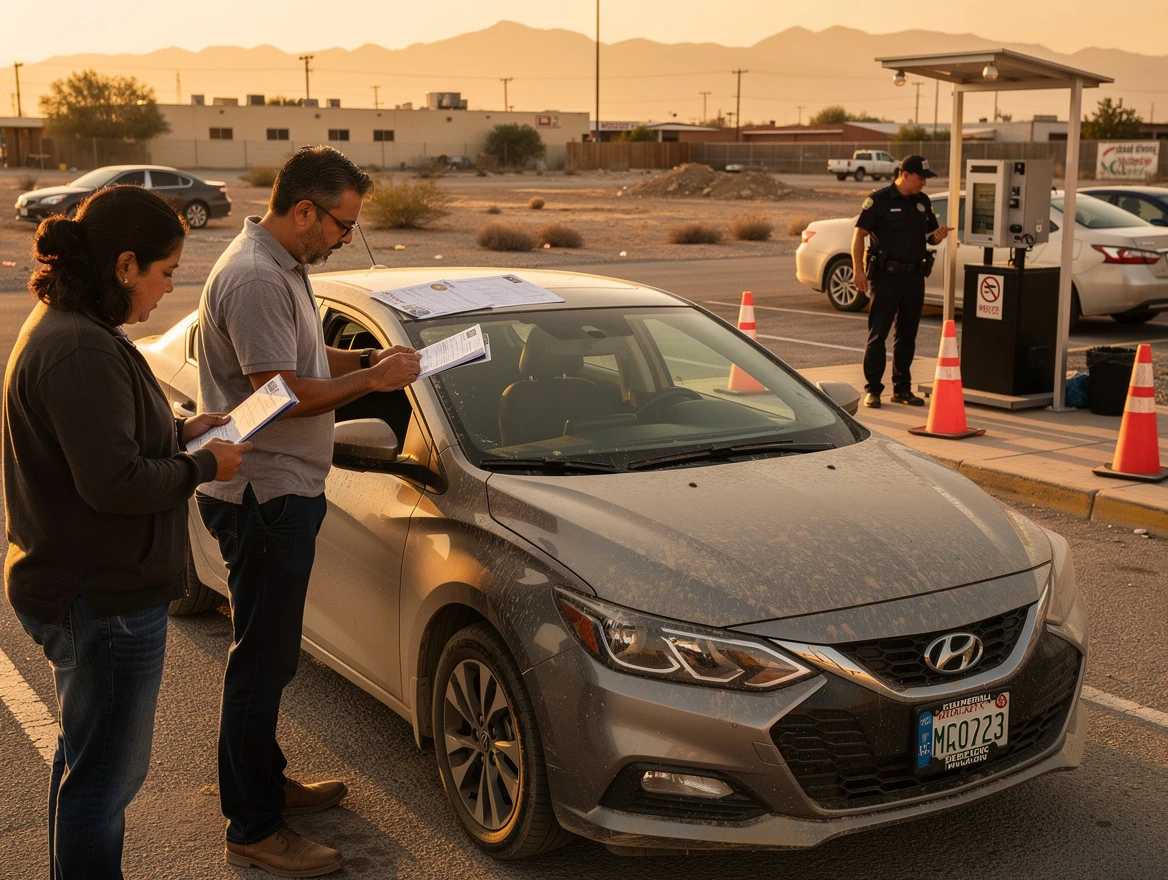
Title and registration for an imported Mexican vehicle depend on the vehicle's age and your state's rules. The Mexican title is your proof of ownership, but U.S. states require a U.S.-issued title for registration and ownership.
- Mexican title document: This is your proof of purchase and ownership in Mexico. Keep this document until you receive a U.S. title.
- U.S. Customs title or CBP release: When CBP clears the vehicle at the port of entry, they issue a Customs release form or entry documentation. This is your bridge to state registration.
- State title issuance: File the Mexican title, Customs release, and state application forms with your DMV. Most states will issue a new title in your name within 2-4 weeks.
- Import notation: Some states mark the title as "imported" or "foreign-origin." This doesn't affect ownership but may appear on the registration.
- Bill of sale requirement: Many states ask for a bill of sale in addition to the Mexican title. Have the seller provide a written sale agreement in both Spanish and English if possible.
If you're importing an older vehicle or facing state title complications, street-legal registration support services can guide you through the state filing process and help address any title issues.
What Are the Most Common Mistakes Importers Make?
Even straightforward imports can go off track if importers skip critical steps or misunderstand federal and state rules. These errors delay registration, void warranties, or create liability.
- Skipping NHTSA eligibility checks: Purchasing a vehicle that isn't eligible for import wastes money. Verify eligibility before making an offer, not after.
- Incomplete Mexican paperwork: Missing signatures, incorrect vehicle information, or undisclosed liens on the Mexican title create border crossing delays. Get all documentation in order before the vehicle reaches CBP.
- Not hiring a customs broker: Attempting DIY customs clearance often leads to missed deadlines, penalty fees, or vehicle holds. A broker costs $300-$1,000 but prevents costly mistakes.
- Underestimating emissions modifications: Newer vehicles often need catalytic converter swaps, oxygen sensors, or engine tuning to pass EPA standards. Budget for this before import or risk registration denial.
- Ignoring state-specific import rules: Some states require pre-import safety inspections, emissions testing, or additional documentation. Contact your state DMV before crossing the border.
- Driving the vehicle before registration: Imported vehicles cannot operate on U.S. roads until registered. Temporary permits are limited; plan your timing carefully.
- Not obtaining liability insurance before arrival: U.S. insurers require proof of a valid title and registration status. Secure a quote and conditional coverage before the vehicle arrives.
Many importers also overlook the value of using a detailed import guide from a trusted source. Sister brand Ride Legal has covered U.S.-Canada imports with similar federal requirements, and the processes share many steps with Mexico imports.
Skip the Paperwork, Let Us Handle It ->
Frequently Asked Questions
How do I import a car from Mexico?
To import a car from Mexico, verify NHTSA eligibility first, obtain the Mexican title and export paperwork, transport the vehicle to a U.S. port of entry, clear U.S. Customs and CBP, file NHTSA documentation if required, and register the vehicle with your state's DMV. Work with a customs broker for the border crossing; they handle CBP paperwork and make sure compliance. The process typically takes 6-12 weeks from purchase to registration.
Can I buy a car in Mexico and bring it to the US?
Yes, you can buy a car in Mexico and bring it to the USA if it meets federal eligibility requirements. Vehicles 25 years or older are eligible easily. Newer vehicles must meet EPA emissions and NHTSA safety standards, which may require conversion work. You'll need the Mexican title, export documentation, U.S. Customs clearance, and a new U.S. title issued by your state DMV. Plan for 6-12 weeks and $4,500-$45,000+ in total costs.
Can you buy a car overseas and import it?
Yes, the U.S. allows importing cars from overseas, including Mexico, Canada, and other countries, but each country has different rules and trade agreements. Mexico imports follow CBP and NHTSA processes outlined above. Canadian imports have similar steps but may be eligible for USMCA (trade agreement) benefits. Check the specific country's export regulations, U.S. import rules, and your state's title requirements before purchasing. A customs broker familiar with the origin country accelerates the process.
How do you import a car to the US?
To import a car to the U.S., confirm the vehicle qualifies under NHTSA rules, secure a valid title from the origin country, arrange transport to a U.S. port of entry, present documents to CBP for customs clearance, file an HS-7 Conditional Import Bond or NHTSA statement if the vehicle is under 25 years old, and submit state registration paperwork. Use a customs broker for federal steps and your state DMV for registration. Total time: 6-12 weeks. Total cost: $4,500-$45,000+ depending on vehicle age and modification needs.
Can you buy a car in Mexico and drive it back to the US?
Technically, you can drive a car from Mexico to the U.S., but it must be registered in the U.S. first; you cannot operate it without a registered title and plates. Temporary permits are extremely limited and usually only for immediate transport to a shop or registration office. Plan to complete customs clearance and state registration before attempting to drive the vehicle. If you purchase locally in Mexico, hire transport or a customs broker to bring it across the border while you handle paperwork.
How do you ship a car from the USA?
To ship a car from the USA domestically or internationally, contact auto transport companies or freight brokers, provide vehicle details and destination, obtain a quote, verify they handle the route, provide proof of ownership (title), and arrange pickup and delivery dates. For U.S.-to-Mexico shipping, confirm Mexican import rules and have the receiver handle Mexican customs. For U.S.-to-international shipping, hire a broker experienced in export documentation, as the process reverses the import steps outlined above and involves export permits and foreign registration.