1979 Toyota Pickup Special Edition: Best Small Truck
The 1979 Toyota pickup special edition represents peak small truck design. Look at its enduring appeal and why collectors still hunt for this classic today.
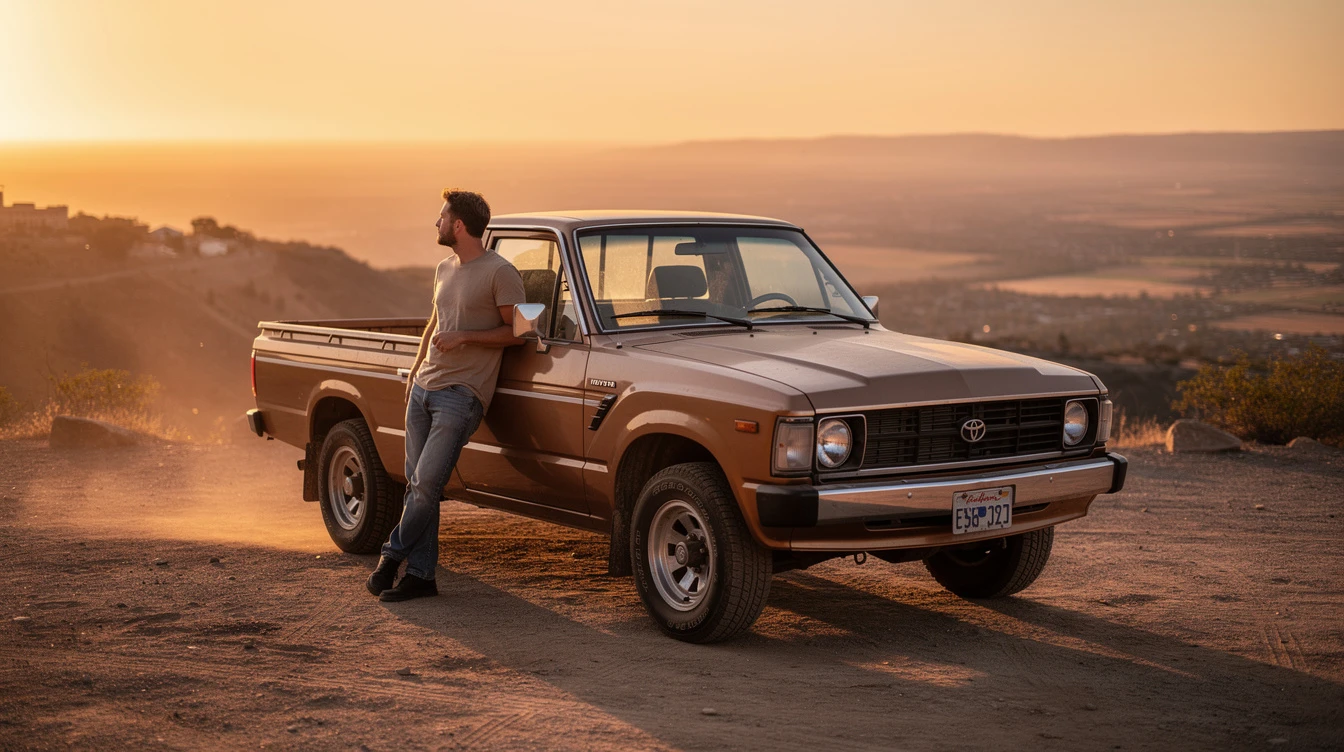
The 1979 Toyota pickup special edition sits at the apex of small truck aesthetics, combining clean lines, purposeful proportions, and a design language that refused to shout for attention. This truck wasn't just a working tool, it was a statement that utility could be beautiful without compromise.
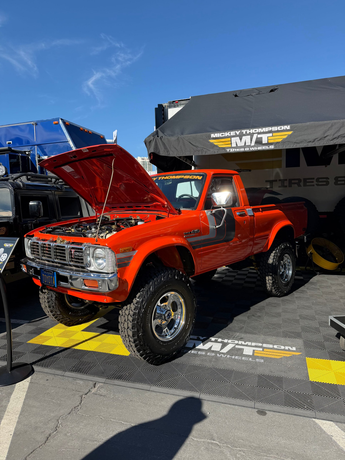
That design still turns heads. At SEMA 2026, a restored 1979 Toyota Pickup Special Edition sat in front of the Mickey Thompson booth near Central Hall, updated with a lift, big off-road tires, polished wheels and fresh paint. Motor Mavens founder @antoniosureshot called it one of the coolest builds at the show.
In This Guide
- What Made the 1979 Toyota Pickup's Design Legendary
- How the 1979 Special Edition Fit Into the Truck Market
- Why Build Quality Defined the 1979 Model
- What Drives Collector Interest in This Era
- Registering and Restoring a 1979 Toyota Pickup Today
- Frequently Asked Questions
What Made the 1979 Toyota Pickup's Design Legendary
The 1979 Toyota pickup special edition achieved something rare in automotive history, a design that feels as right today as it did 45 years ago. Every proportion was deliberate, from the slightly extended cargo bed to the integrated front bumper that didn't overpower the front end.
Toyota's design philosophy at that time rejected excess. No chrome flourishes, no unnecessary brightwork, no hood scoops that didn't feed anything. The truck's profile was wedge-shaped without being aggressive, functional without being utilitarian in appearance. The special edition added unique badging and trim details that elevated it above the standard model without compromising the core design integrity.
- Horizontal hood and fender lines created visual stability and balance
- Recessed door handles and flush side windows reduced visual clutter
- Simple, round headlights (not sealed beams) gave the truck an approachable face
- The cargo bed proportions matched the cabin size, creating optical harmony
- Steel bumpers were minimal and functional, not decorative
- Wheel arches were tight and proportional, enhancing the truck's stance
Compared to American small trucks of the same era, the 1979 Toyota looked modern and refined. Ford Courier and Chevrolet LUV models carried more angular, boxy styling that aged poorly. The Toyota's subtlety gave it longevity, a quality that explains why restorations still draw admiration decades later.
How the 1979 Special Edition Fit Into the Truck Market
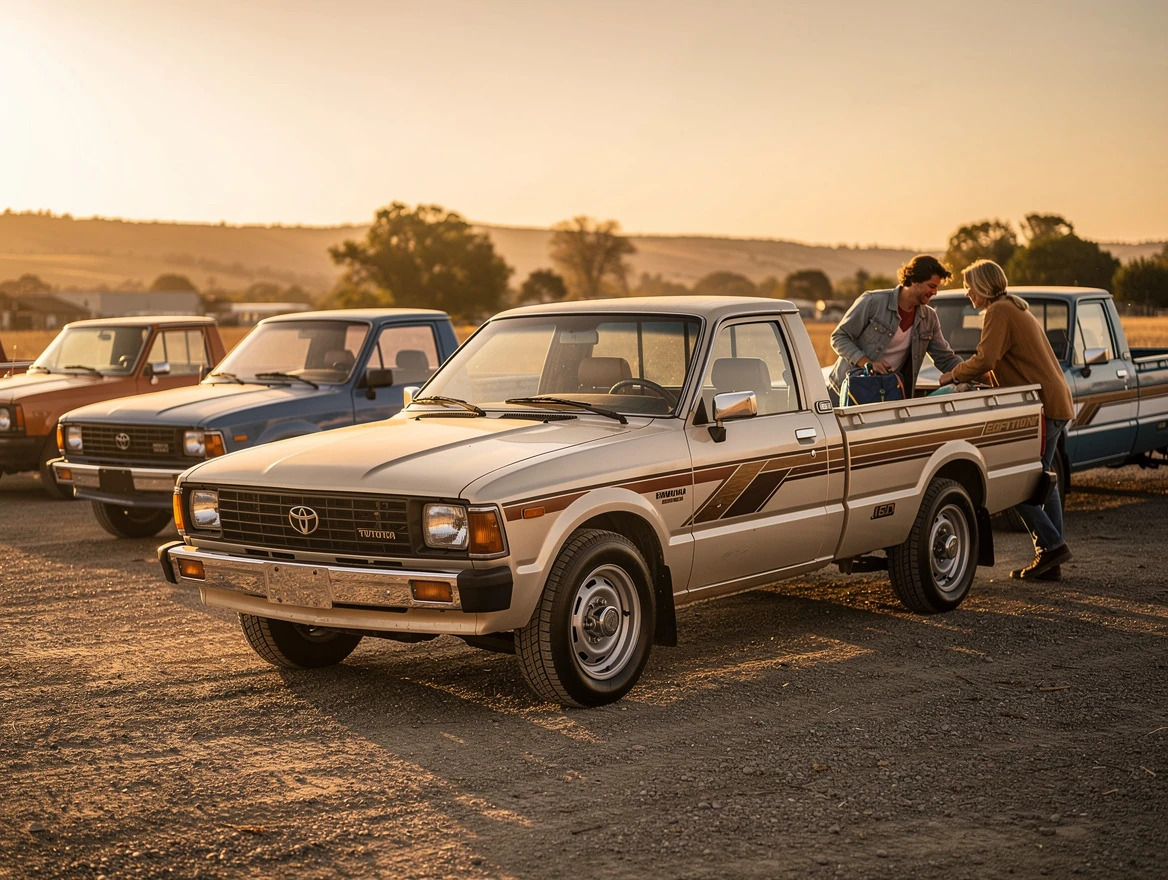
The 1979 model year arrived during a pivotal moment for small trucks in America. The energy crisis had shifted buyer priorities toward fuel efficiency and practicality, and Japanese manufacturers capitalized on that shift. Toyota's timing was perfect, and the special edition variant offered buyers a vehicle with character.
Ready to register your vehicle?
Join thousands of vehicle owners who use Dirt Legal to handle their registration quickly.
In 1979, the small truck segment was still dominated by American makers, but their offerings felt dated compared to Toyota's approach. The special edition didn't come with a more powerful engine or advanced features. Instead, it offered buyers a truck that looked better, felt more refined, and promised reliability when American trucks had begun developing reputation issues.
The small pickup segment was transforming. Buyers wanted vehicles that could handle light duty work but also serve as daily transportation. The 1979 Toyota special edition delivered on both fronts without compromise. It wasn't a fashion statement pretending to be practical, and it wasn't a purely utilitarian tool. It was honest design doing both jobs well.
| Aspect | 1979 Toyota Special Edition | Ford Courier | Chevrolet LUV |
|---|---|---|---|
| Design Approach | Clean, proportional, integrated | Angular, boxy, separate components | Slab-sided, industrial, basic |
| Visual Appeal | Timeless, aged gracefully | Dated quickly, awkward proportions | Generic utility appearance |
| Market Position | Bespoke small truck | Mid-range compact truck | Economy utility truck |
| Build Perception | Japanese precision and refinement | American competence without innovation | Basic, no-frills American truck |
Why Build Quality Defined the 1979 Model
The 1979 Toyota pickup special edition wasn't beautiful only because of its design. It was beautiful because Toyota's manufacturing standards ensured that every panel gap was tight, every weld was clean, and every component fit perfectly. Design is one thing, but execution determines whether beauty lasts.
By 1979, Toyota had established itself as a company that didn't compromise on build quality. The special edition received the same attention to detail as every other Toyota rolling off the assembly line. Gaps were consistent, panel alignment was precise, and corrosion resistance was engineered into the process, not added as an afterthought.
- Double-wall steel construction in key structural areas increased durability
- Galvanized components reduced rust and corrosion over time
- Sealed door panels prevented water infiltration and premature deterioration
- Engine bay components were logically organized and simplified to service
- Electrical systems used quality connectors and proper gauge wiring
- Interior materials were chosen for durability, not lowest cost
This attention to detail is why so many 1979 Toyota pickups are still on the road or undergoing restoration. The truck wasn't just designed to look good, it was built to survive. Survivors from that era command respect from the automotive community, and many owners treat them as serious classics worthy of investment and care.
What Drives Collector Interest in This Era
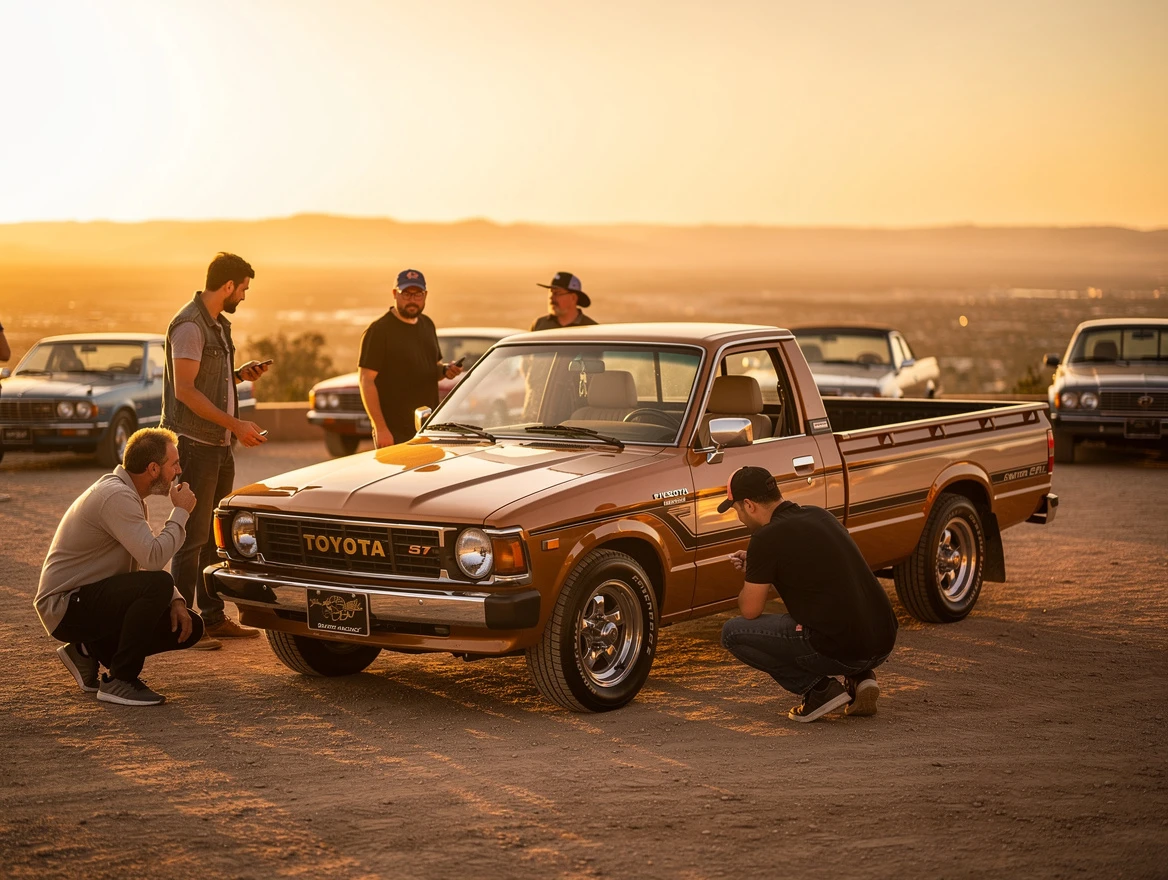
The 1979 Toyota pickup special edition has become a genuine collector's item, sought after by enthusiasts who appreciate automotive honesty. Collectors aren't chasing brand prestige or performance numbers. They're seeking vehicles that represent a specific philosophy about design and manufacturing.
The first-generation Toyota pickup (1969-1978) established the truck's reputation. The 1979 model refined that formula at a moment when Japanese automotive design was beginning to influence global taste. For collectors, 1979 represents a sweet spot between classic simplicity and modern refinement.
Restored 1979 Toyota pickups now appear at major automotive events, commanding strong prices in the collector market. They compete for attention not with chrome and horsepower, but with proportional design and meticulous restoration. A well-executed restoration can cost more than the truck's original purchase price, yet owners pursue these projects because the end result represents something authentic.
- Minimalist aesthetic appeals to buyers tired of over-designed modern vehicles
- Japanese quality of that era is now recognized as revolutionary
- Simple mechanics make restoration and maintenance feasible for enthusiasts
- Collector market has driven prices up significantly in the past decade
- Social media and classic truck communities have increased visibility and demand
- Condition and originality of special edition models make them particularly valuable
The market for 1979 Toyota pickups reflects a broader shift in automotive culture. Buyers are moving away from muscle car nostalgia toward vehicles that represented thoughtful engineering and honest design. The 1979 Toyota pickup special edition checks both boxes, which is why it commands respect from collectors and enthusiasts worldwide.
Skip the Paperwork, Let Us Help with Registration →
Registering and Restoring a 1979 Toyota Pickup Today
A project like the SEMA truck shows that building a 10-, 20- or 40-year-old vehicle means restoring it as well as modifying it. SEMA has a whole section devoted to restoration, ARMO. Restoration also covers the paperwork, and registering a classic truck can be harder than registering a modern one. Classic vehicles, especially those being restored or imported, often require different handling than contemporary trucks.
When restoring a 1979 Toyota pickup, understanding your state's registration requirements is essential. Some states offer classic vehicle registration with reduced fees and different inspection standards. Others have specific rules about emissions testing, modifications, and title documentation for older vehicles.
The registration process depends on whether you're registering a fully restored original, a custom build, or a survivor truck. States have different approaches to classic vehicles, and understanding your jurisdiction's rules will save you time and frustration.
- Classic vehicle plates typically have lower registration fees and no annual renewal in many states
- Montana allows historical vehicle registration with simplified documentation
- Some states require a safety inspection but not an emissions test for classic trucks
- Title transfers for vehicles without current registration require bill of sale documentation
- Custom modifications may require approval or separate inspection
- Insurance for classic vehicles is often different from standard auto insurance
Understanding how to register your vehicle in Montana can be particularly helpful, as Montana's registration framework is straightforward and accommodates classic vehicles well. If you're working with a 1979 Toyota pickup that needs titling or registration assistance, professional guidance can simplify the process significantly.
For restoration projects, proper documentation from the beginning prevents problems later. Whether you're restoring a special edition to original specifications or creating a custom version, keeping detailed records of work and parts ensures smooth registration and title transfer.
Frequently Asked Questions
Why do collectors consider the 1979 Toyota pickup special edition better looking than modern small trucks?
Modern small trucks prioritize aerodynamics, safety regulations, and market differentiation, resulting in complex styling with sharp angles and overdesigned details. The 1979 Toyota's simplicity and proportional design feel refined by comparison. Collectors appreciate that the 1979 model achieved visual impact through careful proportion rather than aggressive styling cues. Modern trucks often look dated within five years, while the 1979 Toyota still commands aesthetic respect. This represents a fundamental difference in design philosophy, with the 1979 prioritizing timelessness over trend.
How much does a restored 1979 Toyota pickup special edition cost today?
Prices vary significantly based on restoration quality, originality, and condition. A solid driver-quality restoration typically ranges from $15,000 to $30,000, while a concours-level restoration can exceed $50,000. Original low-mileage examples in good condition command premiums in the $25,000 to $40,000 range. The specialty market for 1979 Toyota pickups has strengthened considerably over the past decade, making them stronger investment pieces than many classic trucks. Condition, documentation, and the special edition designation significantly impact final value.
What mechanical upgrades are common when restoring a 1979 Toyota pickup?
Most restorations keep the original 2.2-liter engine, as it's reliable and era-appropriate, but upgrades include modern fuel injection systems, overdrive transmissions, and contemporary cooling systems. Some builders install five-speed manual transmissions or even smaller diesel engines for efficiency. Brake upgrades from drum to disc are common for safety reasons. Suspension modifications are rare among purists, but power steering upgrades and modern shock absorbers improve daily driving. The best restorations balance mechanical reliability with historical authenticity, avoiding changes that would diminish the truck's original character.
Are parts availability and maintenance difficult for a 1979 Toyota pickup?
Parts availability is better than you'd expect for a 45-year-old truck. Original Toyota components are still available through specialized suppliers, aftermarket options exist for most common wear items, and online communities help locate specific parts. Mechanical service is straightforward because the truck uses simple, proven technology without computer controls. Many independent mechanics are comfortable working on first-generation Toyota pickups. The truck's popularity in restoration circles has created a thriving of suppliers and specialists dedicated to keeping these vehicles on the road.
Can you legally drive a restored 1979 Toyota pickup on public roads?
Yes, with proper registration and title work. Most states allow restored classic vehicles on public roads, often with special classic or vintage license plates. Registration requirements vary by state, with some offering simplified inspection and renewal processes for vehicles over a certain age. Montana and South Dakota offer particularly straightforward classic vehicle registration options. You'll need a clear title or ability to establish one through your state's process, current insurance, and compliance with safety and emissions standards applicable to your jurisdiction. Professional registration assistance can help work through state-specific requirements.
What makes the special edition variant different from a standard 1979 Toyota pickup?
The special edition featured unique badging, upgraded trim details, and specific color options that set it apart from base models. It typically included vinyl upholstery upgrades, wood-grain dash trim, and distinctive exterior graphics. While mechanical components were identical to standard models, the special edition represented Toyota's effort to offer buyers a more refined small truck experience. These details make special edition models particularly valuable to collectors, as they represent a specific segment of the 1979 lineup. Original special edition trucks with proper documentation command higher prices than equivalent standard models.