Imported Vehicle Titling
For vehicles imported into the US without a US title. Your portal lists exactly which items apply to your order and that's where you upload them. Open any item below for help with it.
Everything gets uploaded to the portal, including your foreign title and its translation. Nothing needs to be mailed on this process.
Bill of Sale
The document that proves you bought the vehicleClick to expand and learn more
+
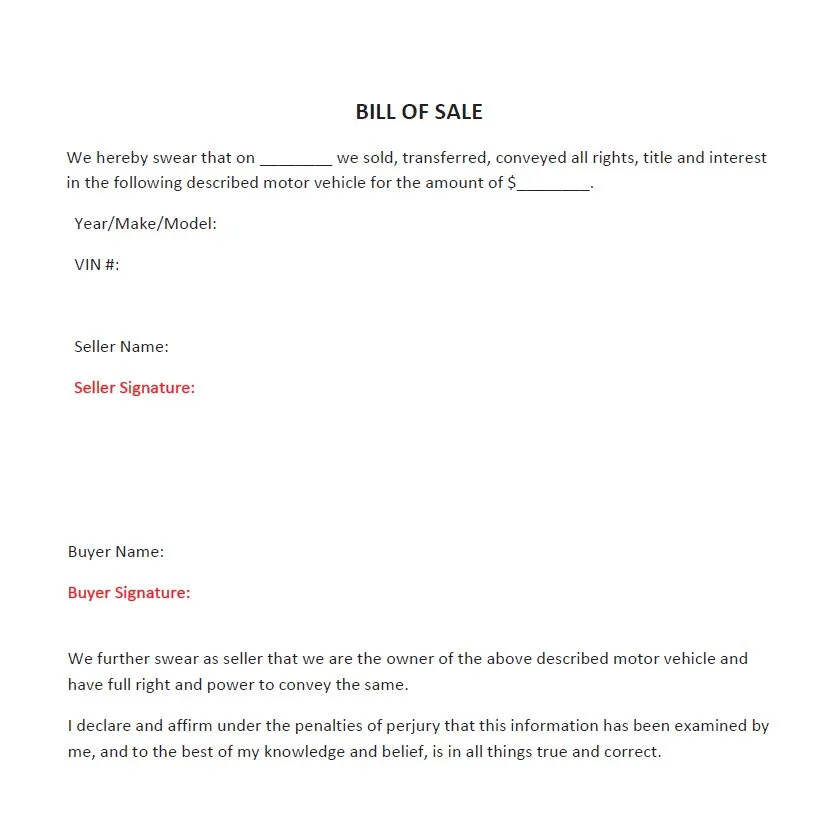
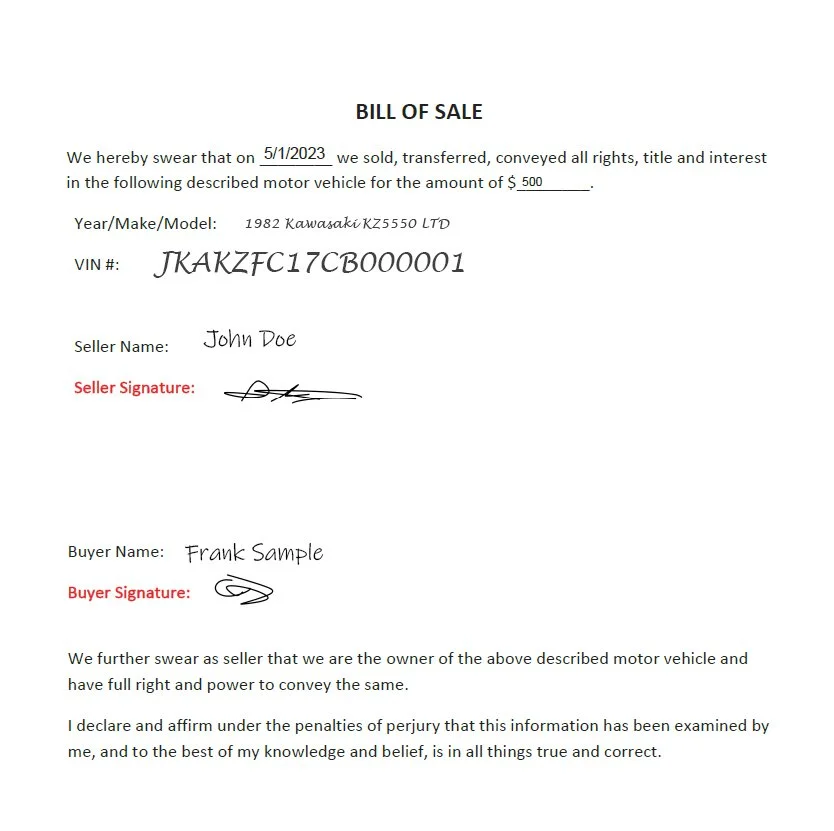
An acceptable bill of sale needs information about the vehicle, the buyer and seller, and the date and location of the sale. It should also define the sale's conditions (as is, warranty yes or no, and so forth). For us to process your order, your bill of sale needs these items at a minimum:
- Date of sale
- Vehicle purchase price
- Vehicle's VIN
- Buyer and seller's names
- Buyer and seller's signatures
This document does not need to be notarized. Upload it to your portal along with everything else.
VIN inspection
Required, since there's no US title for this vehicleClick to expand and learn more
+
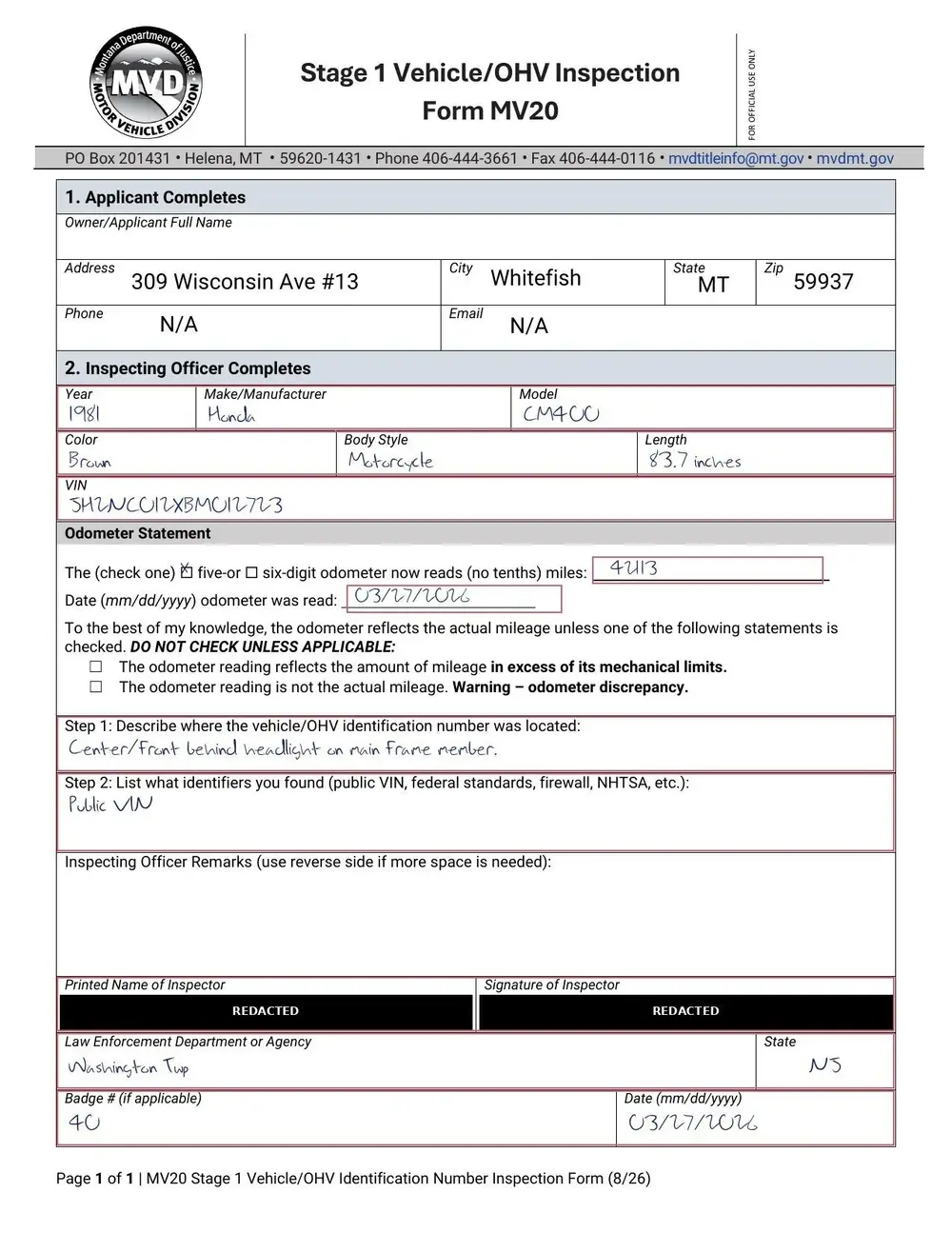
Your vehicle must be physically inspected by a police officer or an authorized third-party VIN verifier, from any state, who completes Section 2 of the Montana VIN inspection form in ink. It cannot be filled out online, and they must use the Montana form rather than an equivalent from another state.
Who can inspect
- Local law enforcement in any state. Call your non-emergency police line and ask to meet an officer for a VIN verification requested by the DMV.
- Licensed VIN verifiers in AZ, CA, CO, FL, NV, OH, UT, VA
- Notaries in Florida. Dealerships in CO, NV, FL.
Not exhaustive. Always check your state's rules on VIN verifications.
Dirt bikes, ATVs and UTVs 10 model years old or newer (2016 and up as of 1/1/26) must be inspected by law enforcement. A third-party verifier can't be used.
Leave Section 1 alone. We've filled in the address already and we complete the rest once your documents are approved. Don't add your own details.
When the inspector hands the form back, scan or photograph it and upload it to your portal.
Inspector's credentials
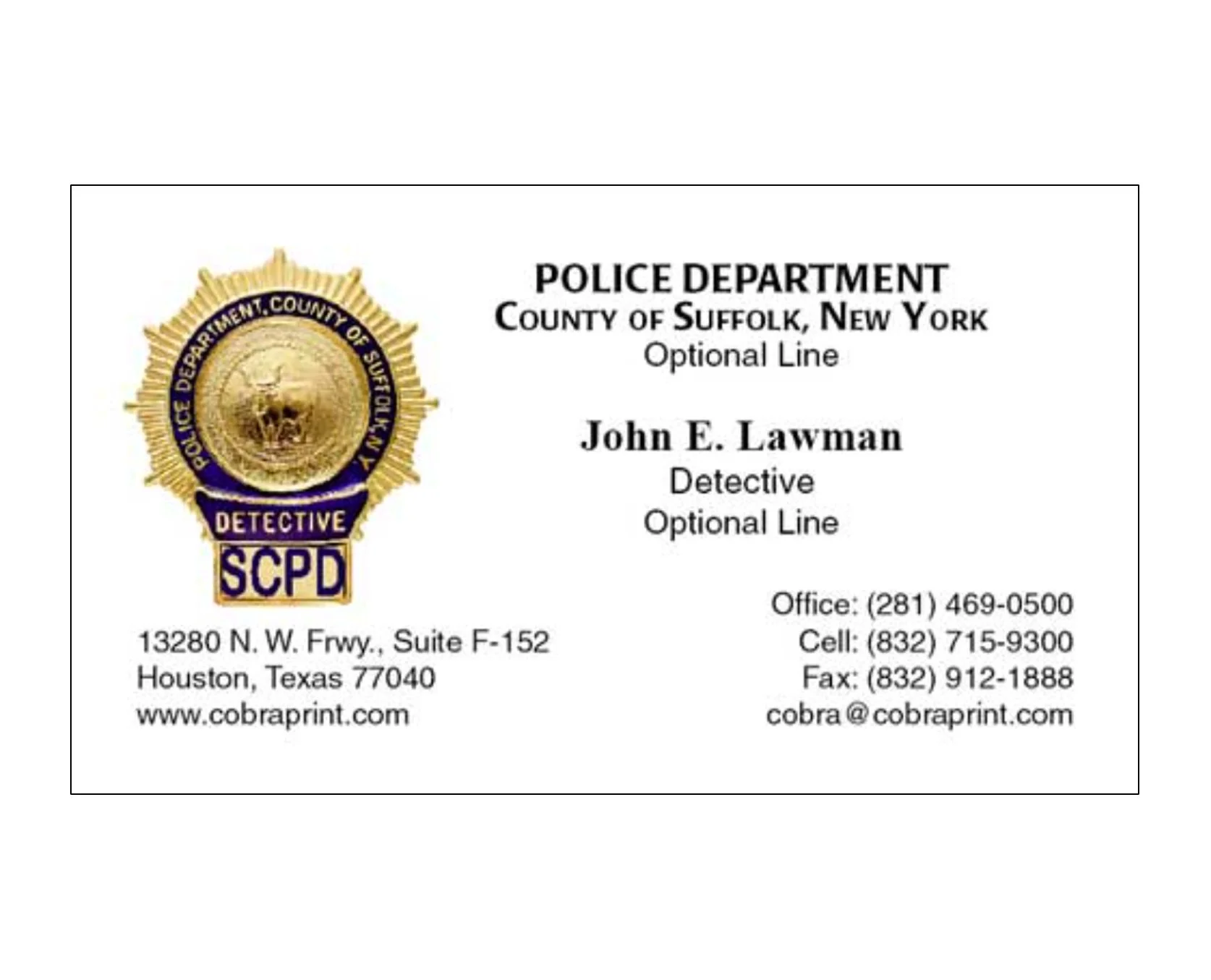
One document showing their name, ID number and departmentClick to expand and learn more
+
Photograph it while you're still with the inspector, then upload it to your portal.
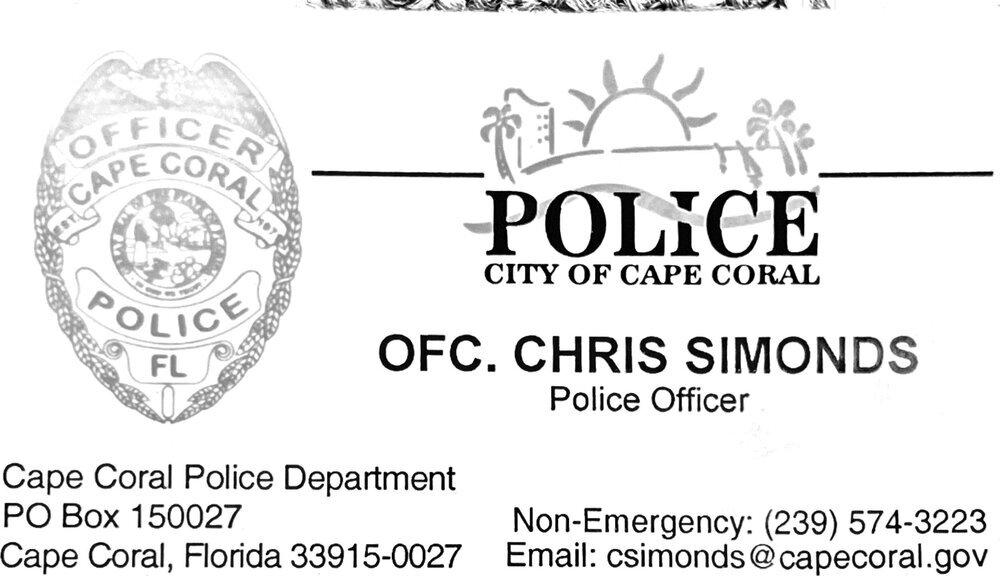
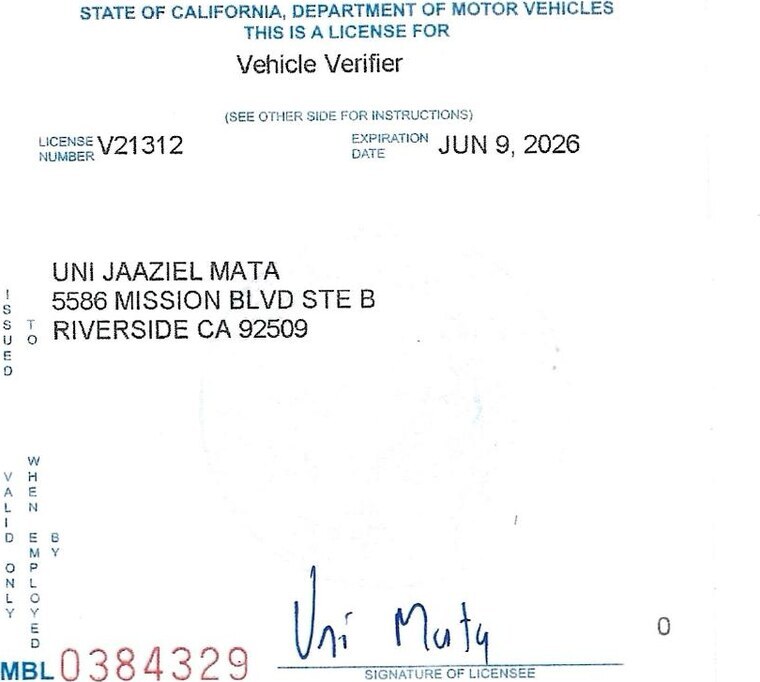
Florida notary inspections: the notary stamp on the form is the credential, nothing extra needed.
A photo of the officer's badge is not accepted. A badge on its own doesn't show the inspector's name, so the DMV rejects it.
Proof of your identity
One photo or scan, front onlyClick to expand and learn more
+
- Driver's License (front only)
- Passport
- State ID (front only)
The document must be valid and not expired. The address does not have to match what we have on file. We need to see the full document and be able to read your name and expiration date, so make sure there are no glares, blurry parts or cut-off sides. Upload it to your portal.
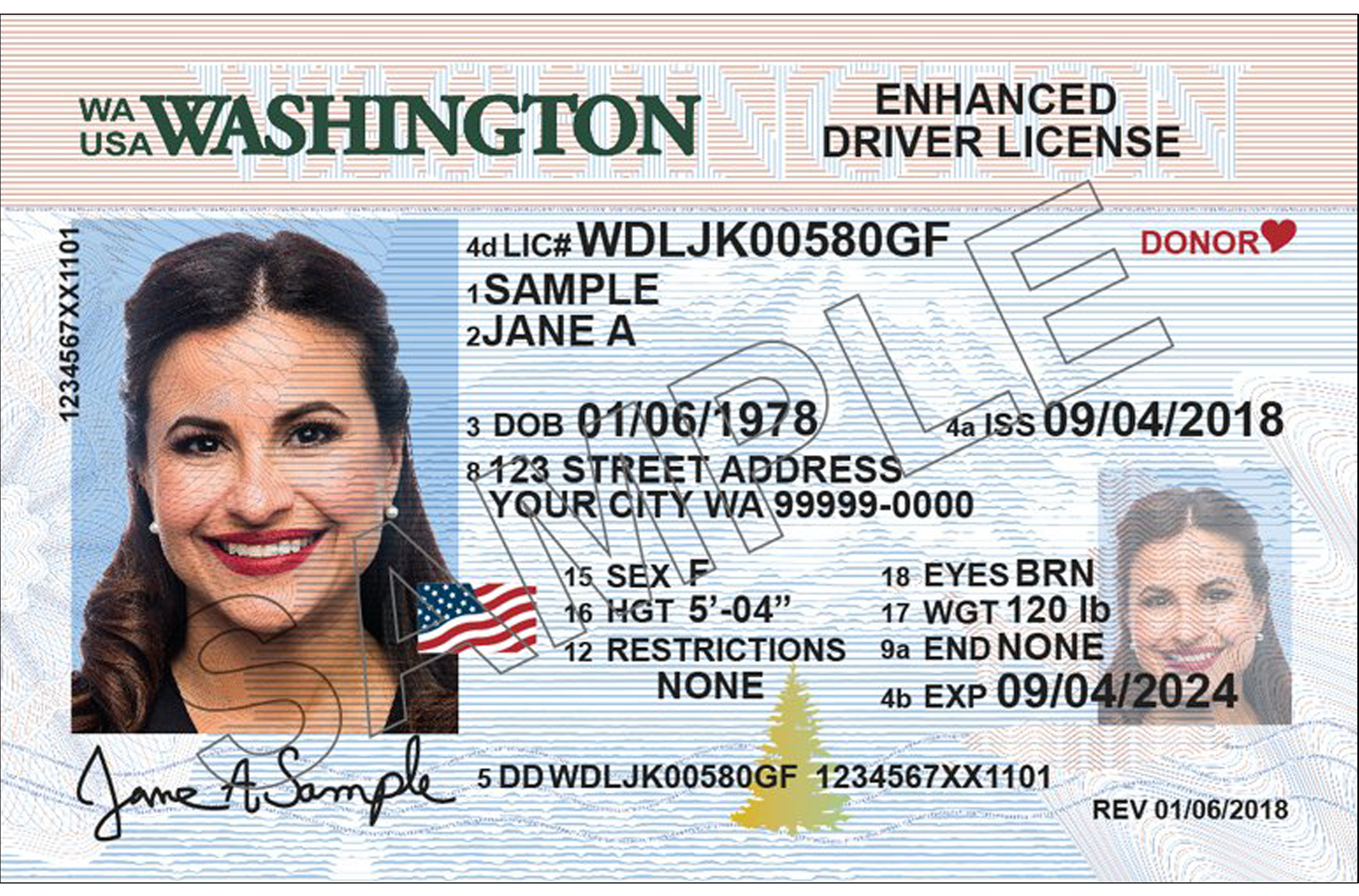
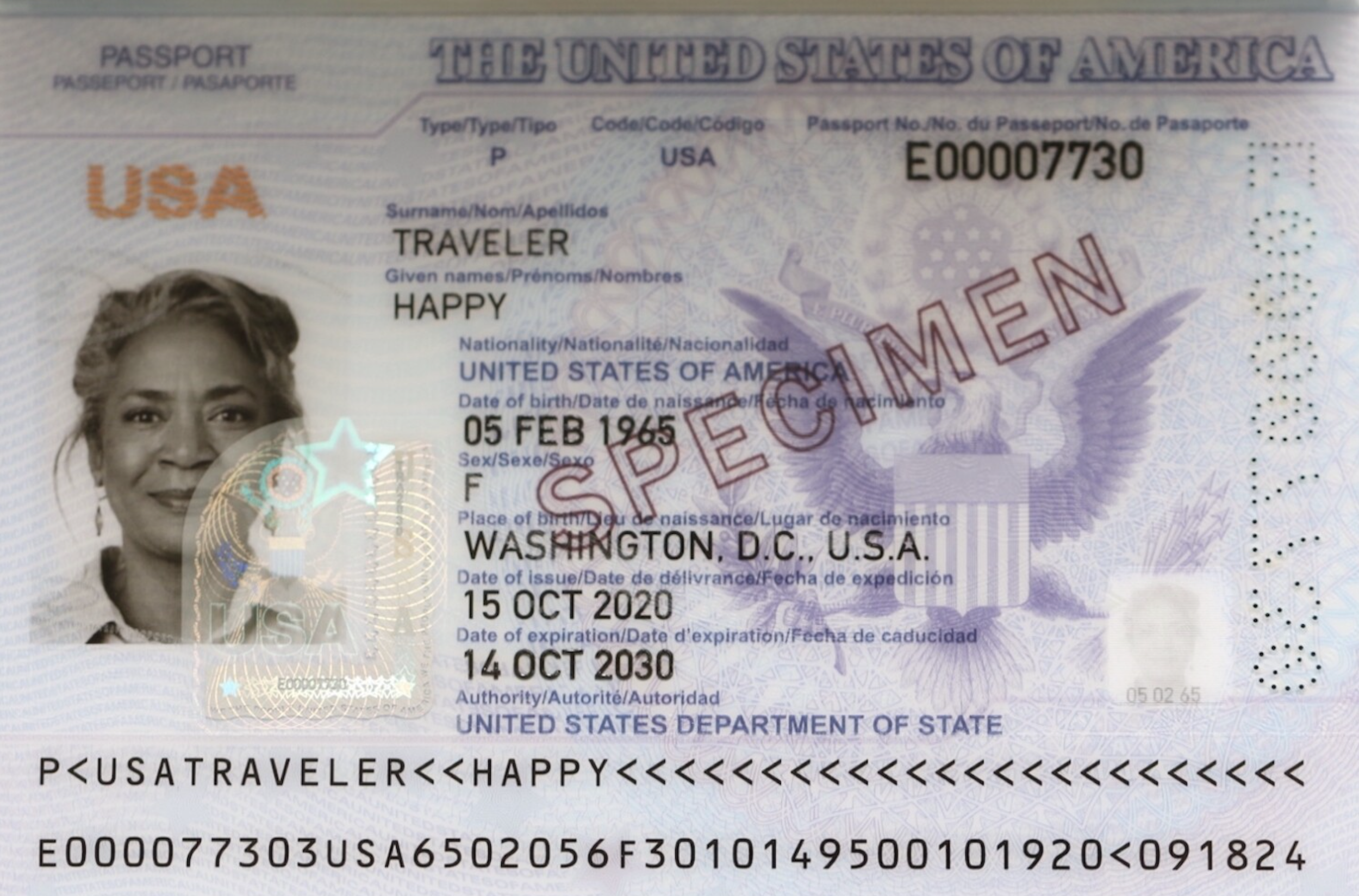
Photo of the VIN
Take it while you're still with the inspectorClick to expand and learn more
+
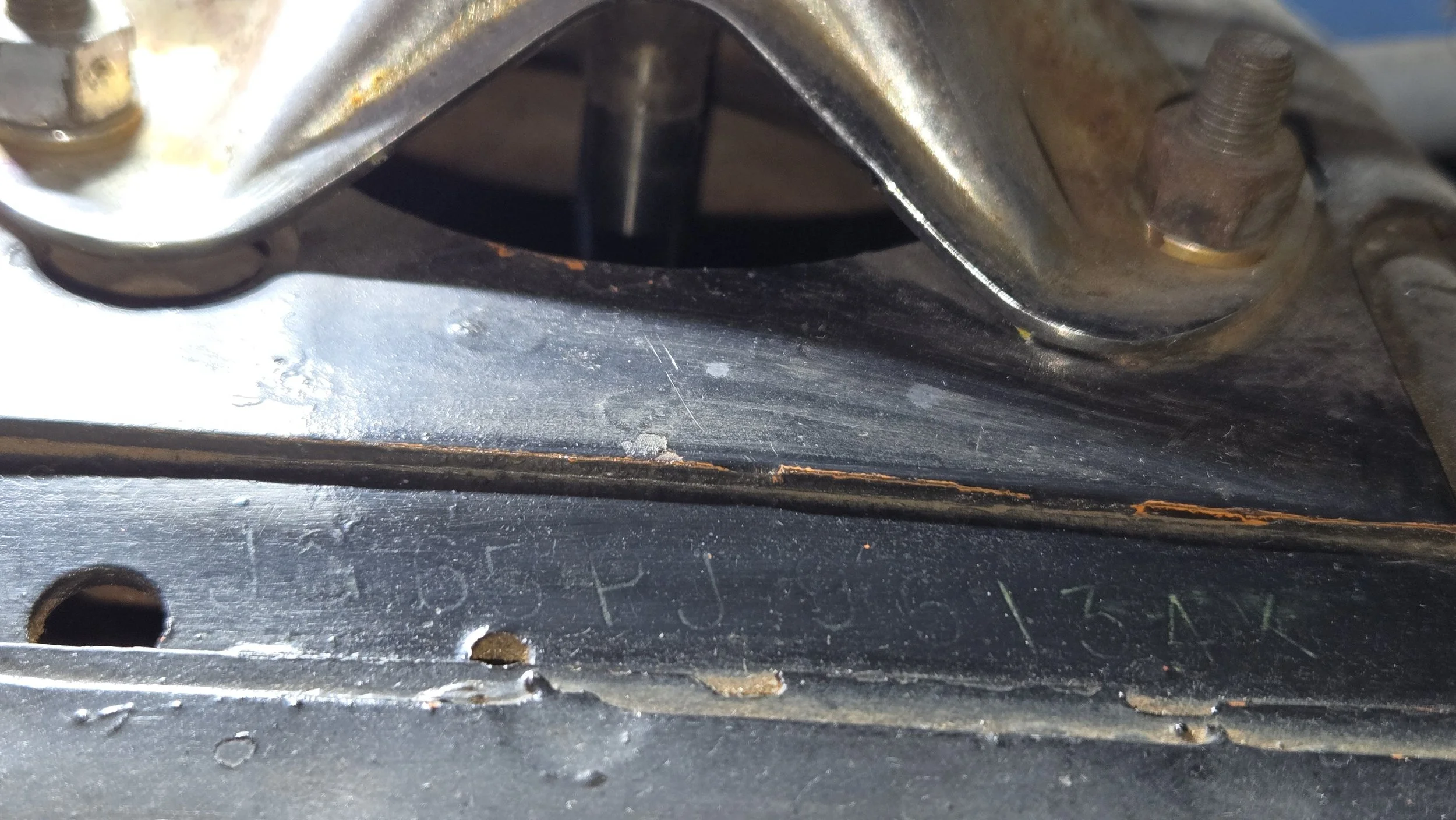
One photo of the VIN on the vehicle itself. For cars and trucks, shoot the dashboard VIN through the windshield on the lower driver side. For motorcycles and off-road vehicles, photograph the VIN or serial number wherever it appears on the frame. Make sure it's clear, legible, and nothing is cropped out.
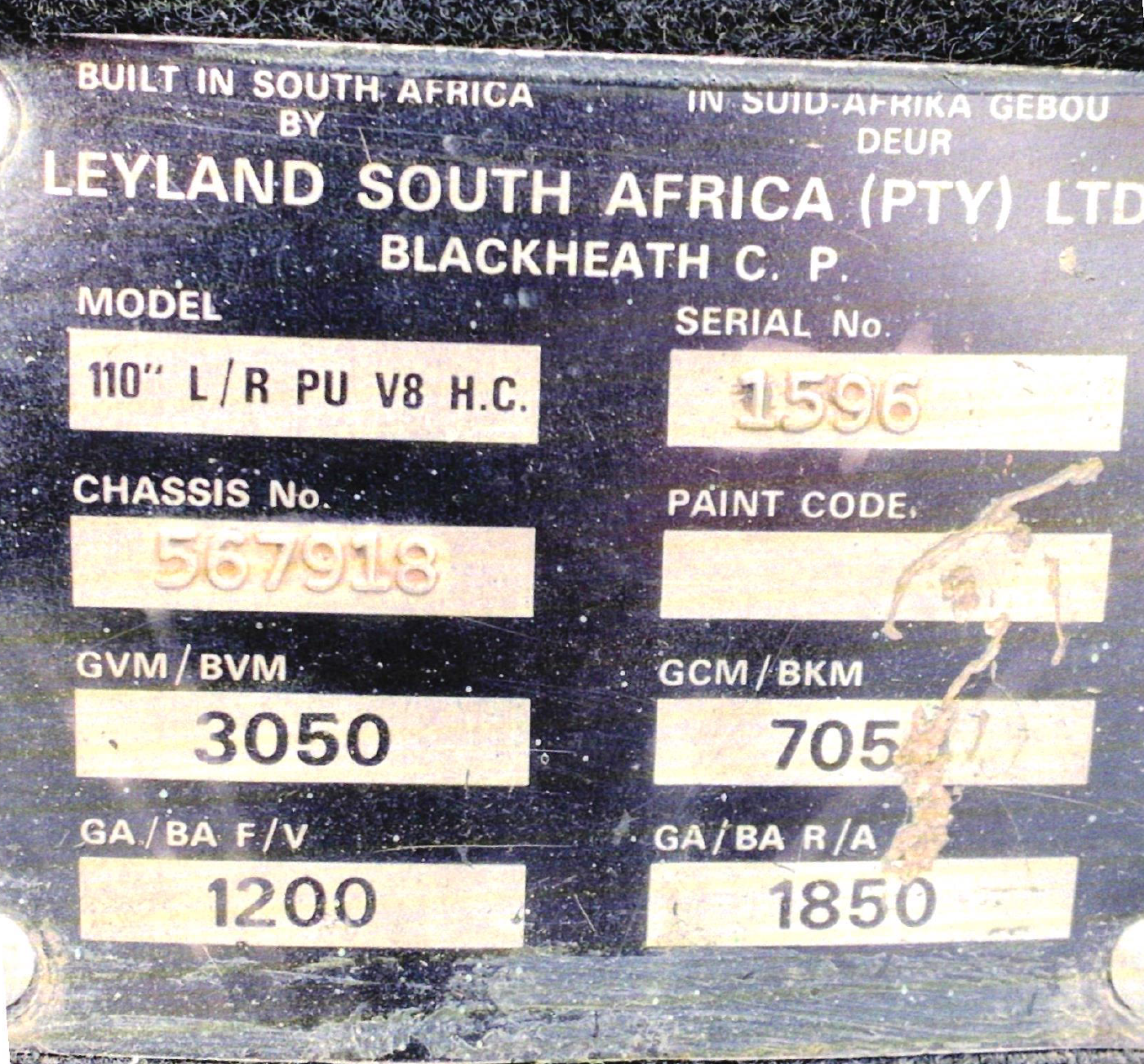
No federal safety label needed on this process. Imported vehicles usually don't carry a US federal safety label, and we handle that through your import forms instead.
Photo of the odometer 2011 and newer only
If it applies, take it at the same time as the VIN inspectionClick to expand and learn more
+
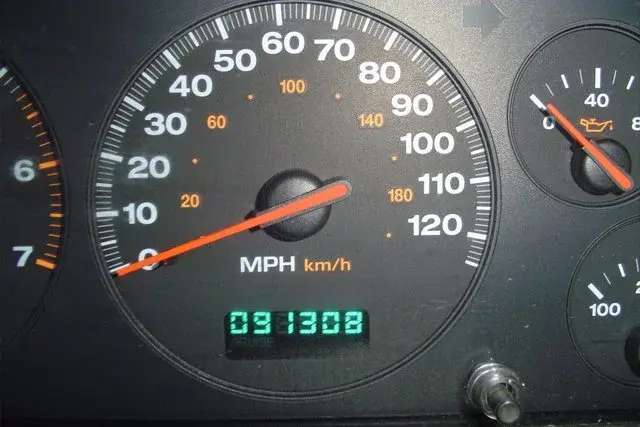
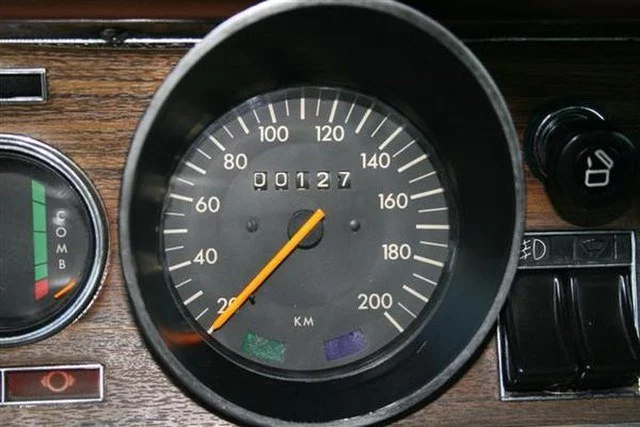
Only if your vehicle is 2011 or newer, we need a clear and legible photo of the odometer. If your vehicle is 2010 or older you can skip this, even though the inspector records mileage on the VIN inspection form.
The mileage in this photo must match the mileage on the VIN inspection form, which is why it's easiest to take it while the inspection is happening. The readout can be in kilometres. Double-check the odometer is showing full mileage and not a trip reading.
Import forms
Four documents proving the vehicle was legally importedClick to expand and learn more
+
The DMV needs these to show the vehicle was legally imported and meets EPA standards. Most imported vehicles are older, so they're usually exempt from the EPA and safety requirements rather than having to comply with them. All four upload to your portal.
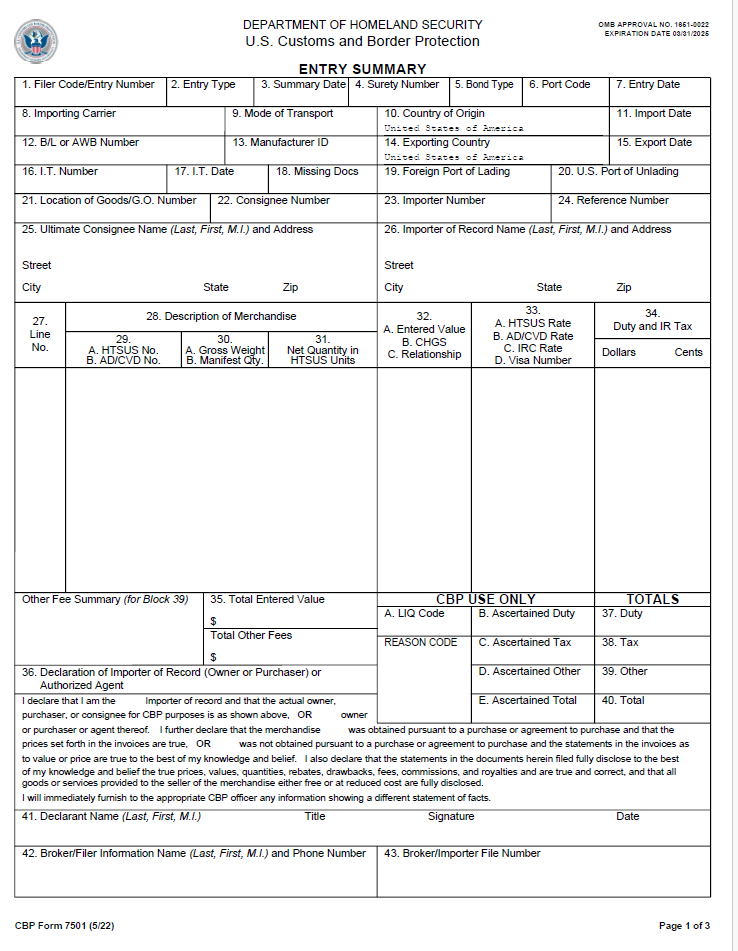
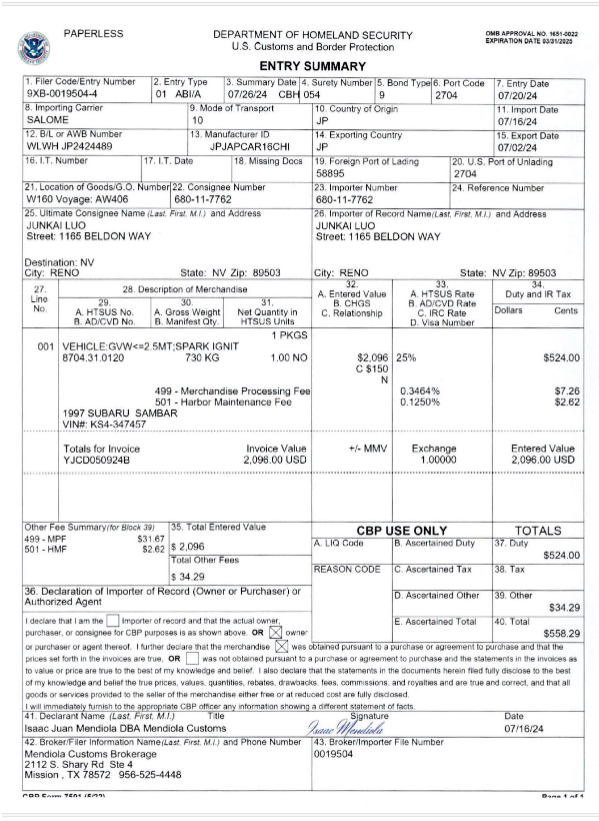
1. U.S. Customs entry document, Form CBP7501
- It must show the VIN or serial number of the vehicle
- It must be stamped, or completed electronically, by Customs and Border Protection
CBP publishes a list of entry stations where vehicles can be entered and documents obtained on the cbp.gov website.
2. EPA Form 3520-1
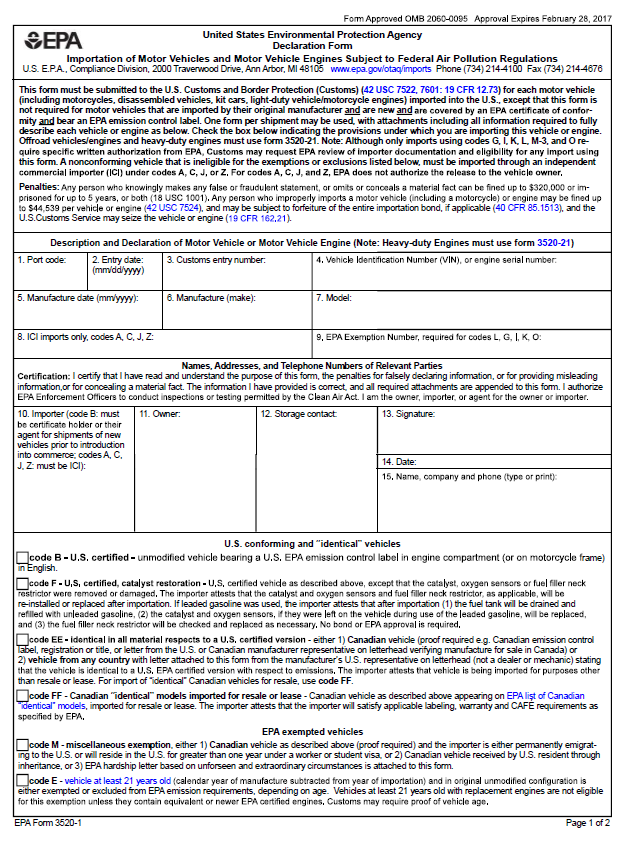
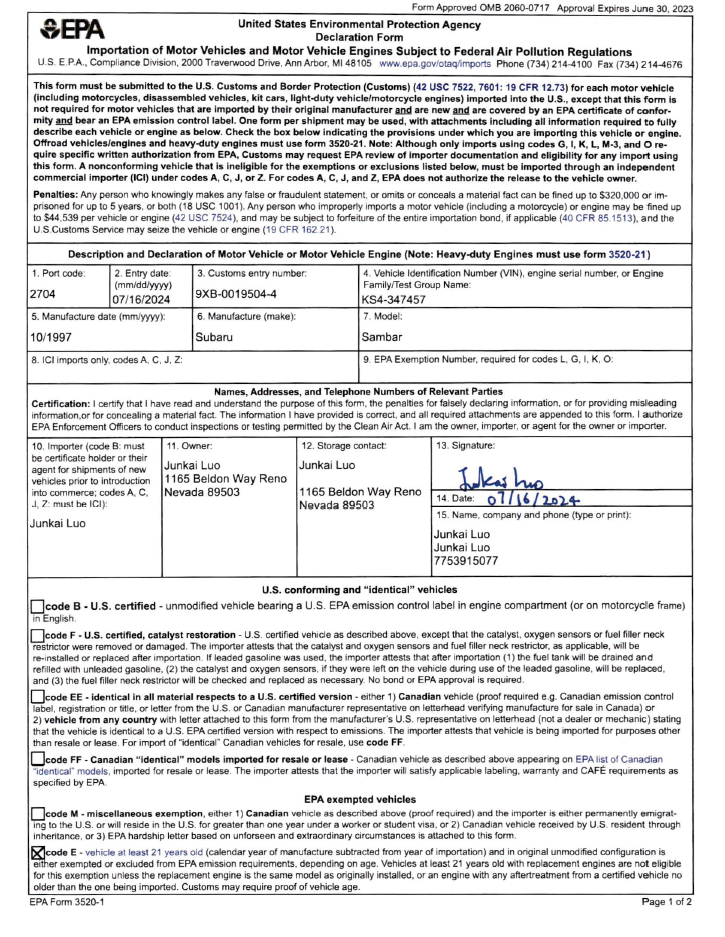
Shows the EPA requirements are met. Completed by you or your customs broker.
Vehicles 21 years old or older are exempt from EPA requirements, which is 2005 and older as of 1/1/26. If that's your vehicle, the box for "Code E" should be checked.
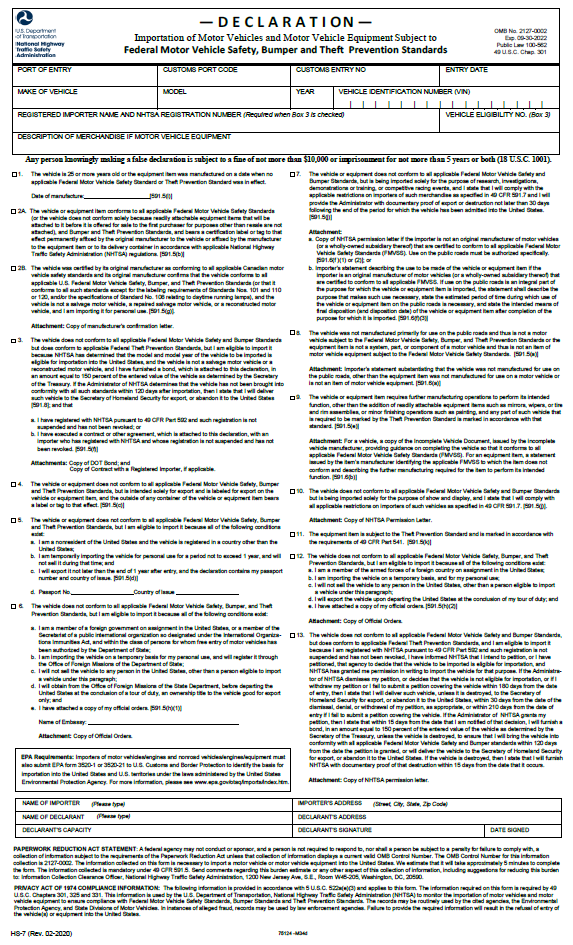
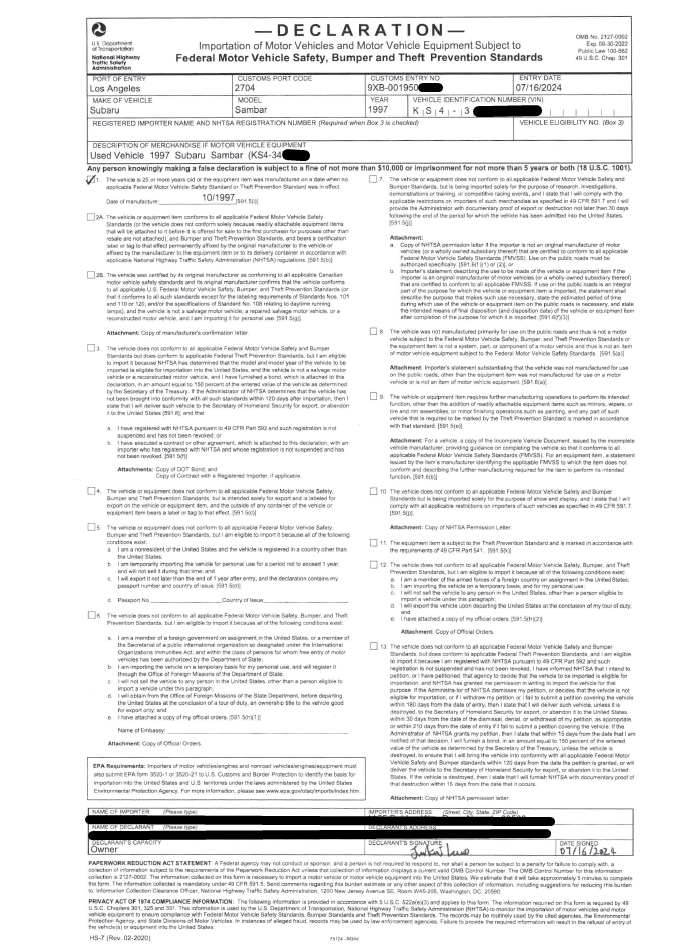
3. DOT Declaration form, HS7
Declares whether the vehicle complies with Federal Motor Vehicle Safety Standards or is exempt. You or your shipping broker give this to Customs when the vehicle enters the country, and either of you can complete it.
Vehicles 25 years old or older are exempt, which is 2001 and older as of 1/1/26.
4. The foreign title, plus an English translation
For Japanese vehicles this is the export certificate. It counts as the foreign vehicle title, and it must be translated into English by a certified translation company. Plenty of services online handle this. Upload both the original and the translation.
Your foreign title stays with you. Upload a scan of it and the translation. Unlike our US registration processes, nothing physical needs to be mailed to us.
Sending it all in
Your portal lists exactly what we need for your order, and everything gets uploaded there. You can scan or photograph documents with your phone.
Nothing gets mailed on this process, including your foreign title. We review what you upload and come back to you if anything is missing.
Don't cross anything out. If you find or make a mistake on a form, contact us for a fresh copy rather than correcting it.
Go to PortalWhat happens next
We'll email you a status update once we've received everything, and again once we've processed your paperwork and sent it to the DMV. Imported vehicles take longer than domestic ones because the customs and EPA paperwork gets reviewed alongside the title application. If there's a delay, we'll tell you.
In rare cases you may owe additional fees. If you do, we'll contact you and you can pay securely through our website.
Stuck on any of this?
Imports have more moving parts than most. Call us. Mon to Fri 9am to 9pm EST, Sat 9am to 5pm EST.