Why Would a VIN Number Be Invalid? Common Reasons & Fixes
Find why your VIN number might be invalid. We explain common causes, how to verify your vehicle identification number, and how to resolve title issues.
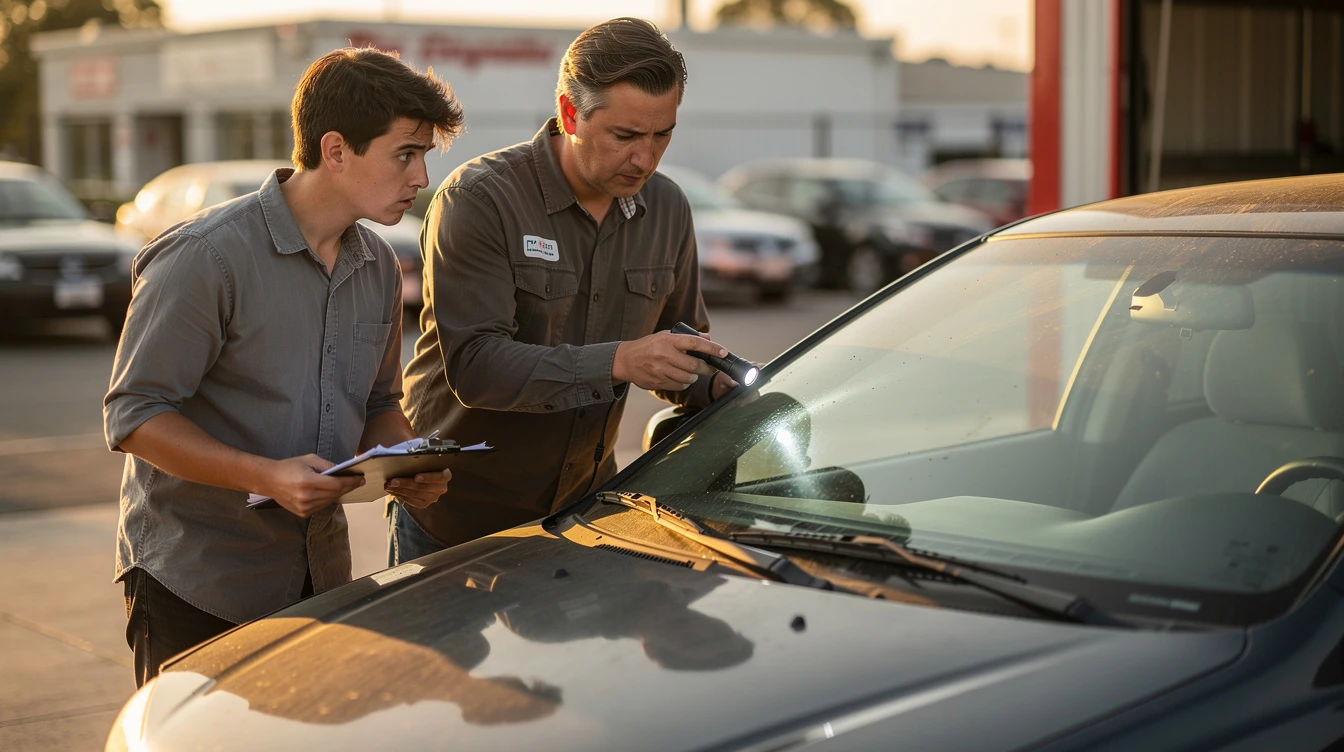
A VIN number is typically considered invalid if it fails the standard checksum calculation, contains incorrect or non-standard characters, or does not match the manufacturer's database records. This often happens due to simple typos, mismatched documents, or issues with imported or rebuilt vehicles that were never correctly entered into the national registry.
Common Reasons Why a VIN Number Appears Invalid
Understanding the structure of a Vehicle Identification Number is the first step toward troubleshooting. Modern VINs are 17 characters long, excluding letters I, O, and Q to prevent confusion with digits 1 and 0. If your VIN has 16 characters or includes those restricted letters, it is almost certainly a data entry error or an older pre-1981 vehicle.
Typographical Errors on Documents
Human error remains the leading cause of invalid VIN reports. A clerk at the DMV or a previous owner may have transposed a digit on a bill of sale or title application. These small mistakes ripple through official systems, causing the vehicle to appear as if it does not exist. Always compare the VIN on your physical vehicle frame or dashboard plate against every document in your possession.
Issues with Imported or Salvage Titles
Imported vehicles often carry unique challenges. If a vehicle was never officially certified for the US market, it may lack a 17-digit VIN entirely, resulting in an invalid status in standard domestic databases. Similarly, salvage or rebuilt vehicles sometimes lose their original identity during the modification process. If the frame was replaced or severely altered, the original VIN may no longer correlate with the engine or body components on file.
The Role of Checksum Calculations
Every valid 17-digit VIN includes a check digit at the ninth position. This number is calculated using a specific mathematical formula to verify the integrity of the entire sequence. If the other 16 characters do not mathematically align with this check digit, the system will flag the VIN as invalid. This serves as a security feature to prevent simple fraud and accidental input errors.
How to Verify Your VIN Before Starting Registration
Before you begin the process to register your vehicle, take the time to confirm your VIN is accurate. The most reliable method is to perform a thorough lookup using the NHTSA VIN Lookup tool. This database is the gold standard for verifying whether a sequence is properly formatted and currently recognized by federal authorities.
Ready to register your vehicle?
Join thousands of vehicle owners who use Dirt Legal to handle their registration quickly.
Register Your Vehicle Today →Checking the Physical VIN Plate
Do not rely solely on paperwork. Check the VIN plate on the driver's side dashboard, the door jamb sticker, and the engine block. If these plates do not match each other or if they show signs of tampering, you may have a deeper issue involving a stolen vehicle or a significant salvage history. If you suspect an issue, check your VIN history here to make sure there are no red flags.
Data Entry at the DMV
When you encounter a hurdle at a local office, remember that DMV databases are only as good as the information entered. If your title contains a typo, you must initiate a correction process. This usually requires a physical inspection to verify the VIN plate on the chassis, which is then signed off by a law enforcement officer or authorized inspector.
| Common VIN Issue | Likely Cause | Potential Fix |
|---|---|---|
| Wrong character count | Typo on title | Submit correction form |
| Invalid check digit | Counterfeit or custom | Inspection/Certification |
| Restricted letters (O, I, Q) | Data entry error | Cross-reference with plates |
| No record found | Import/Grey market | Apply for bonded title |
Moving Forward When Your VIN is Flagged
Having an invalid VIN status can feel like a dead end, but it is rarely the end of your ownership journey. Many enthusiasts deal with similar issues when restoring vintage machines or purchasing vehicles from estate sales. When documents need correction, 53.7% are resolved by our QC team without sending the order back to the customer (internal data, rolling last 90 days, n=82). Our team specializes in verifying these details so you do not have to struggle with the bureaucratic mess alone.
Understanding Bonded Titles
If you cannot verify the origin of a vehicle because the VIN returns no record, a bonded title may be your only path. This is a common solution for vehicles where the original documentation was lost or destroyed. It involves purchasing a surety bond to protect the state against future claims, allowing you to establish a new, valid title for your asset.
Why Professional Assistance Matters
Navigating the requirements for correcting VIN errors varies wildly by state. What works in one jurisdiction might be entirely wrong for another. Using a specialist service allows you to sidestep common pitfalls and keep your paperwork moving efficiently. If you are struggling with a title, remember that we provide support to form a Montana LLC which can often provide a clearer, more predictable path for asset registration.
Frequently Asked Questions About Invalid VINs
Can I drive a car if the VIN is invalid?
Driving a vehicle with an invalid or mismatched VIN is not recommended and may result in legal complications if you are stopped by law enforcement. A VIN is the unique identifier for your asset, and without a verified sequence, you cannot register or insure the vehicle properly.
What should I do if my title has the wrong VIN?
You must contact your state motor vehicle agency to file for a title correction. This often requires a physical VIN inspection where an official verifies the actual plate on the vehicle. Once they certify the correct number, they will issue an updated, valid title.
Does an invalid VIN always mean the car was stolen?
No. While a tampered VIN is a red flag for theft, most invalid VINs are simply the result of clerical errors, missing paperwork from imported vehicles, or systems failing to recognize a vintage VIN structure. However, you should always perform a history check to be sure.
Can I fix a VIN error online?
Most states require in-person verification for major title corrections to prevent fraud. While you can start the process by gathering documents and filling out forms, the actual resolution of an invalid VIN usually involves professional inspections or, in some cases, specific registration assistance services.
Are vintage vehicle VINs often flagged as invalid?
Yes. Many vehicles built before 1981 do not follow the modern 17-digit standard. If your vehicle was manufactured during that time, you need to make sure the system is not trying to force a 17-digit requirement on a shorter, older serial number.
An invalid VIN number can complicate your ownership experience, but it is a manageable obstacle with the right documentation and guidance. By verifying your VIN against the physical plates and working through official correction channels, you can clear up most errors. If you need assistance with complex titling or registration, look at our services to get your vehicle on the road faster.