Why Are Japanese Mini Trucks Illegal on Public Streets? Guide
Wondering why are Japanese mini trucks illegal on public streets? Learn the safety, federal, and state-specific regulations governing these Kei class vehicles.
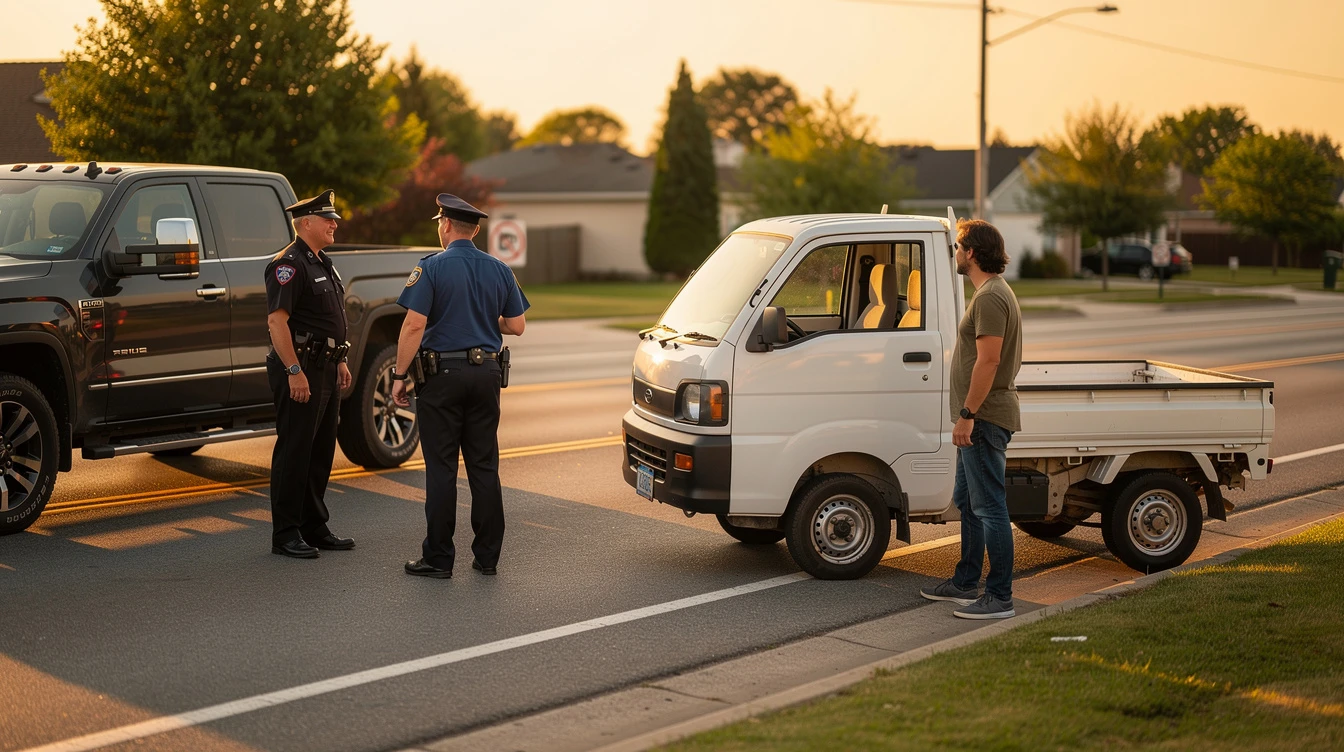
Japanese mini trucks are frequently deemed ineligible for standard public road use because they do not meet Federal Motor Vehicle Safety Standards for crashworthiness, lighting, and emissions control. While these Kei-class vehicles are engineered for specific utility and low-speed environments in Japan, their lack of modern safety equipment makes them problematic under current Department of Transportation and National Highway Traffic Safety Administration regulations for highway-speed travel.
Federal Standards and the Importation Hurdle
Updated on August 17, 2026
The primary barrier to using a Japanese mini truck on public streets is federal compliance. The National Highway Traffic Safety Administration (NHTSA) requires all motor vehicles imported for highway use to meet a rigid set of safety requirements, including crash-test standards, seatbelt specifications, and airbag mandates. Because these trucks are imported as older, non-compliant vehicles, they fall into a regulatory gray area regarding their intended use.
The 25-Year Rule for Imports
Imported vehicles reaching 25 years of age are exempt from many federal import safety and emissions requirements. However, this exemption applies specifically to the act of importation, not the operation on public roads.
Safety Equipment Deficiencies
Most mini trucks lack modern safety systems like side-impact protection, anti-lock braking systems, and complex crumple zones. When states evaluate these vehicles for on-road use, they look for equipment that allows a vehicle to safely combine with high-speed traffic. Without these baseline features, DMV departments frequently deny registration requests for street-use plates.
State-Specific Registration Realities
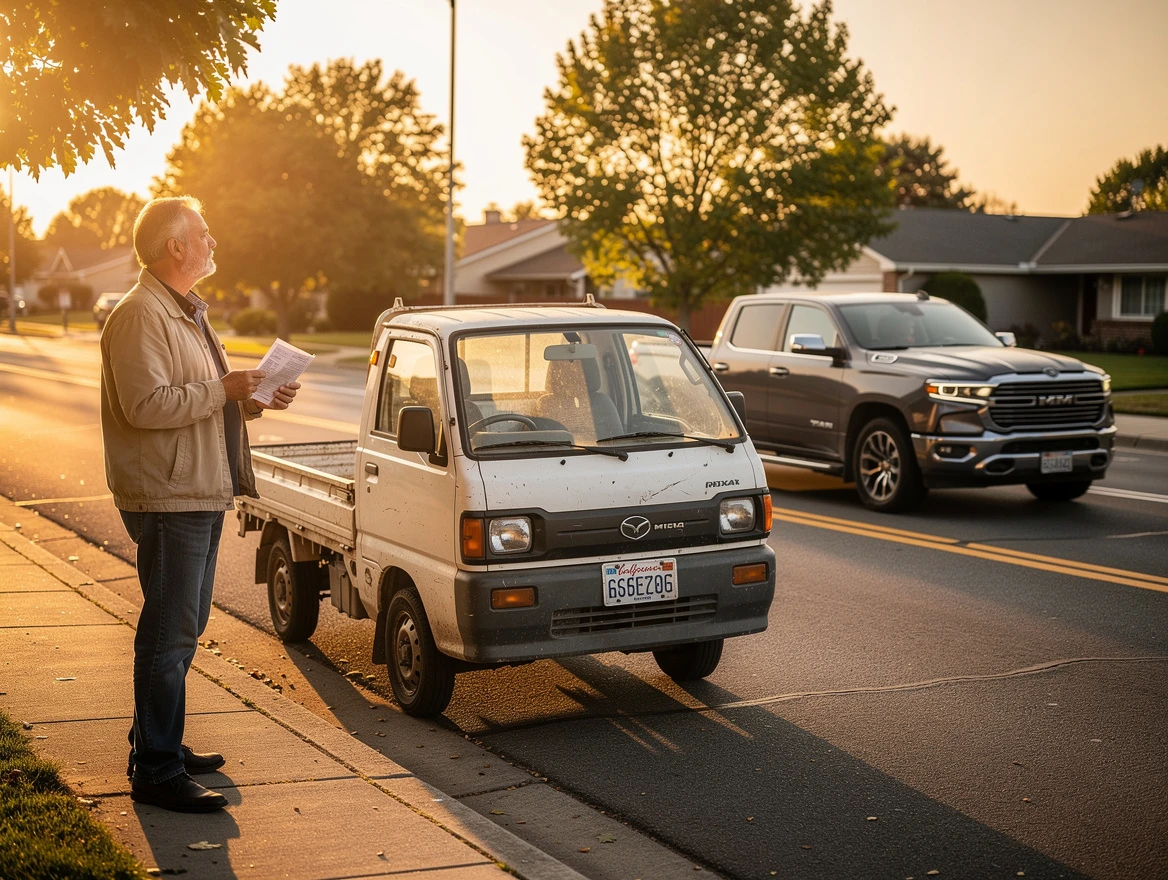
Registration laws vary significantly by state, meaning a vehicle that is restricted in one jurisdiction might be allowed with limitations in another. Many states categorize mini trucks as off-road vehicles (ORVs) or low-speed vehicles (LSVs) by default. These classifications explicitly limit where you can drive them, often prohibiting operation on roads with speed limits exceeding 35 mph.
Ready to register your vehicle?
Join thousands of vehicle owners who use Dirt Legal to handle their registration quickly.
Why States Restrict Public Road Use
State agencies restrict these vehicles primarily to prevent accidents between full-sized vehicles and lightweight, non-crash-tested trucks. You will find that local laws often prioritize standardized safety equipment. If you are struggling with your state's registration process, it is useful to understand Why Your Vehicle Registration Gets Rejected and How to Fix It.
The Role of Title Documentation
A major challenge for owners involves incorrect or missing title documents from the country of origin. A legitimate bill of sale automotive transaction is just the first step in a larger paper trail. Many owners find that a lack of proper import documentation creates a permanent barrier to registration. If your documentation is currently an issue, consider that Dirt Legal has helped 80,000+ vehicle orders to date. The most frequent reason documents come back for correction is Odometer compliance (internal data, rolling last 90 days, n=40).
| Category | Standard Requirement | Kei Truck Reality |
|---|---|---|
| Crash Testing | Federal Mandated | Rarely Compliant |
| Emissions | EPA Certified | Often Lacks Documentation |
| Speed Capacity | Highway Ready | Engineered for Low Speed |
| Safety Features | Airbags/ABS Required | Minimal Systems |
See How We Can Help With Your Registration →
Overcoming Registration Challenges
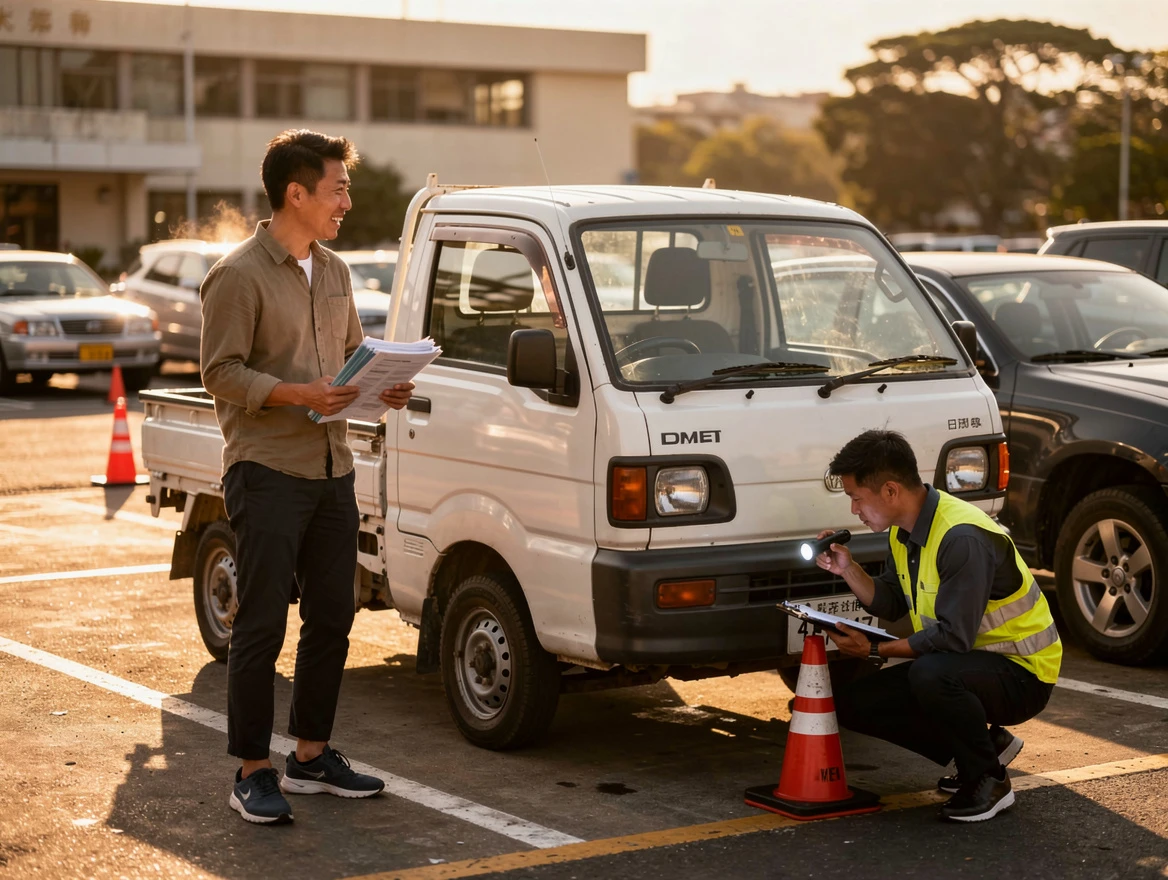
Registering unique vehicles often requires more than a simple trip to the local office. Many enthusiasts opt for a structured approach that moves the vehicle into a jurisdiction that recognizes these assets as valid equipment. Utilizing a Montana LLC registration allows you to manage the registration process through a state with distinct, business-friendly laws regarding vehicle ownership and titling.
Managing Your Vehicle Paperwork
The paperwork required for out-of-state registrations is often complex. You need accurate VIN verification, proof of ownership, and properly signed documentation. If you are worried about the process, you can find helpful guidance on how the process works to better prepare your paperwork. For those with unique or vintage builds, look into The Sophisticated Approach to Registering Specialty Builds to see how professional assistance provides support for your goals.
Working Through Title Issues
If you purchased a vehicle without a title or with a problematic bill of sale, you are not alone. We often see cases where owners struggle to secure documentation for imports. Proper title research is key to long-term ownership success. Before you start, check our VIN check service to understand the history of the asset you are planning to bring onto the road.
Frequently Asked Questions
Does a 25-year-old mini truck automatically get a title?
Importing a vehicle that is 25 years or older simplifies federal customs entry, but it does not automatically grant you a title. You still need to register the vehicle with your state by providing valid ownership documentation, such as a bill of sale and customs release forms. The state will then determine if the vehicle meets their criteria for titling.
Are there specific states that are more friendly to mini truck registration?
Yes, some states have more accommodating laws regarding the registration of non-standard vehicles. Montana, for example, is frequently chosen by owners because of its structured approach to registering vehicles through an LLC. This can assist with the registration of assets that might otherwise face heavy local restrictions.
Why do DMV offices reject my mini truck registration?
DMV offices often reject these applications because the vehicles do not possess the required safety features for public roadway usage. If a vehicle lacks standardized lighting, emissions equipment, or crash-protection ratings, the state may classify it as an off-road vehicle, which prohibits the issuance of standard passenger vehicle license plates.
What is the risk of driving a non-compliant truck on the road?
The risks include fines, vehicle impoundment, and personal liability in the event of an accident. Because the vehicle does not meet modern crash safety standards, law enforcement may deem it unsafe for traffic, leading to the removal of the vehicle from public roads. Always make sure your vehicle is appropriately registered for the specific roads you intend to travel.
Start Your Registration Today, No Hidden Fees
Understanding why Japanese mini trucks are often restricted helps you make an informed decision before purchase. While the path to registration is rarely direct, working with professionals who understand the complexities of title transfers and state laws is the most efficient way to manage your paperwork. By focusing on proper documentation and compliant registration, you can work to use your vehicle where it is permitted.