What Is the 30/30/30 Rule for Fire? Wildfire Safety Guide
What is the 30/30/30 rule for fire? Learn how 30°C temps, 30% humidity, and 30 mph winds create extreme wildfire danger and impact backcountry vehicle travel.
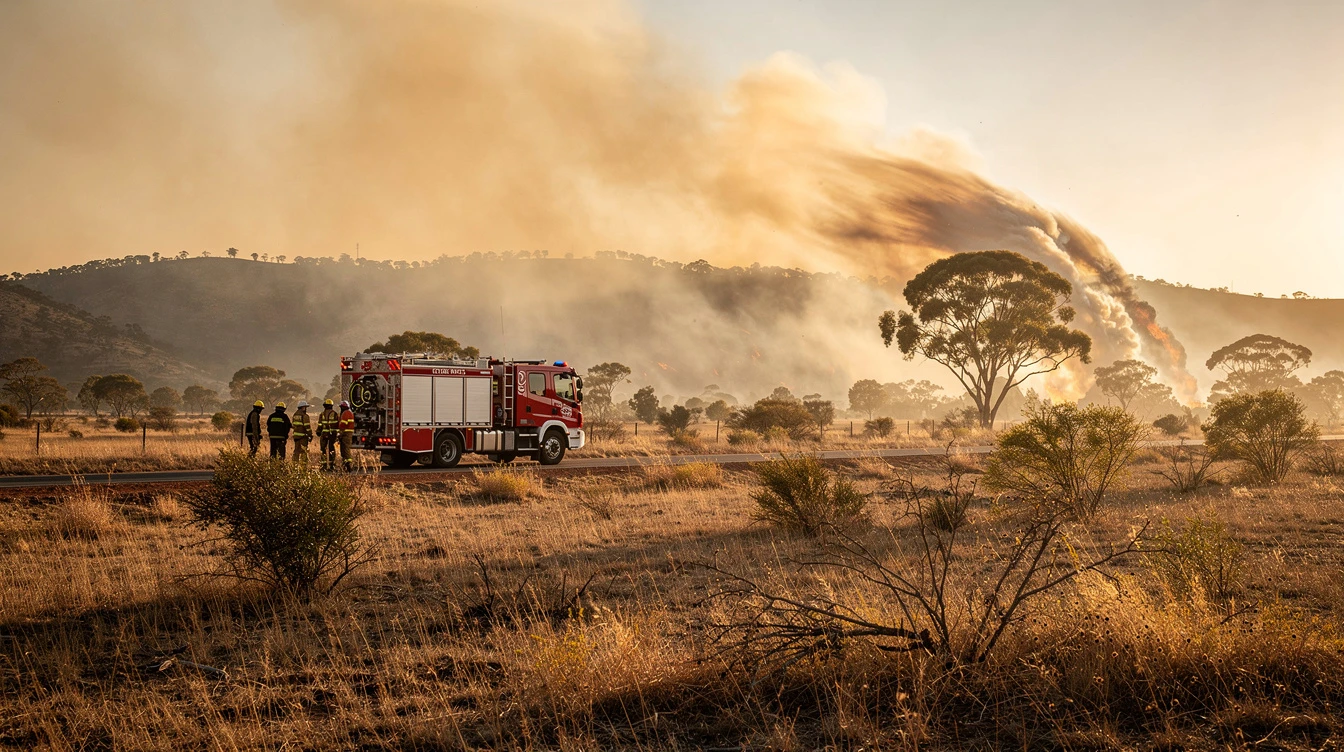
What is the 30/30/30 rule for fire? In wildland fire operations and fire weather forecasting, the 30/30/30 rule for fire defines critical atmospheric conditions where wildfire risk escalates dramatically: ambient temperatures above 30 degrees Celsius (86 degrees Fahrenheit), relative humidity falling below 30 percent, and sustained wind speeds or gusts exceeding 30 kilometers per hour (roughly 20 miles per hour, or in some North American firefighting jurisdictions, 30 miles per hour). When these three thresholds align, wildland fuels dry out within hours, sparks spot fires with ease, and blazes spread at uncontrollable rates.
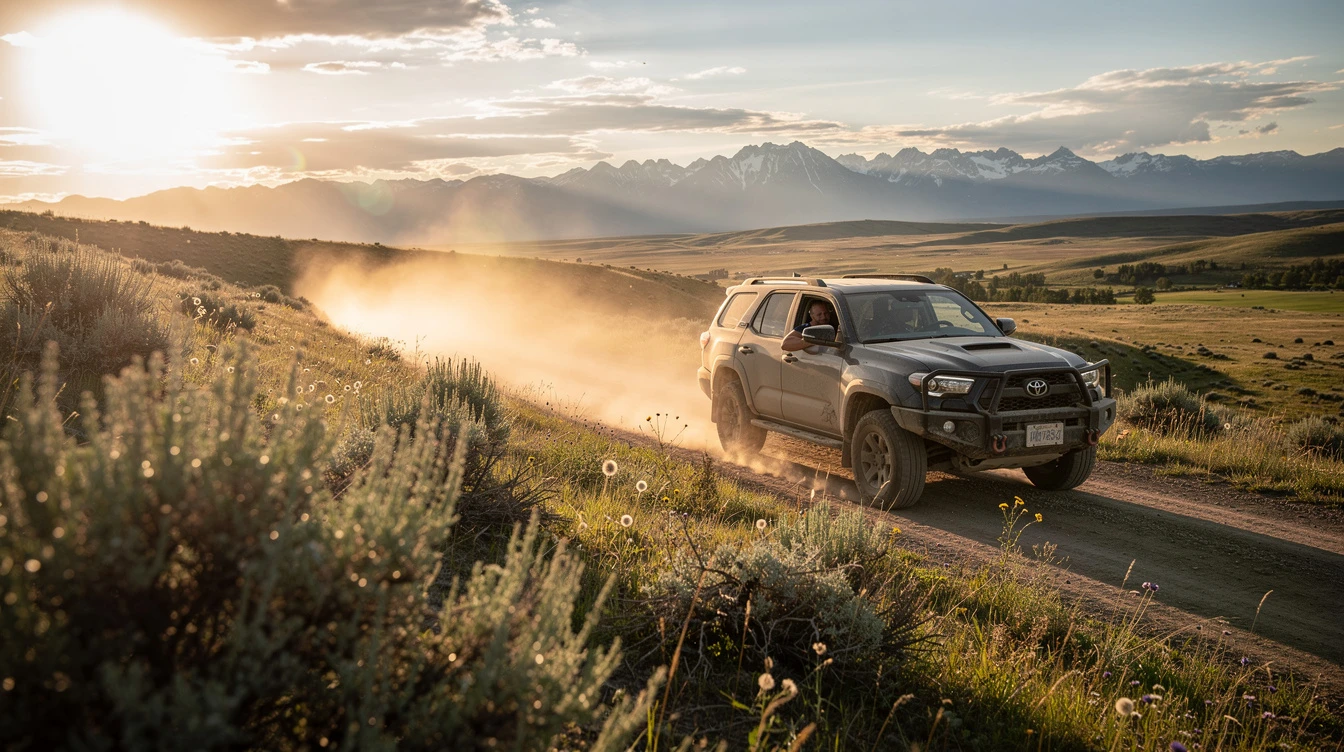
Whether you haul an overland rig across public lands, drive an off-highway vehicle (OHV) through backcountry timber, or tow a camper to national forest recreation areas, these weather patterns directly impact your trip. Public land agencies use these triggers to close trails, ban campfires, and mandate specific mechanical safeguards on motorized rigs. Understanding these metrics helps you avoid dangerous fire traps while keeping your backcountry travel compliant with state and federal regulations.
Here is what you will learn in this guide: the atmospheric science behind these dangerous thresholds, how public land agencies regulate vehicle use during extreme alerts, and the exact mechanical and titling requirements you need to look at public trails without interruption.
Check Your Registration Options →
What Is the 30/30/30 Rule for Fire: Critical Weather Thresholds of 30°C, 30% Humidity, and 30 MPH Winds Drive Extreme Wildfire Spread
Updated on September 22, 2026
Wildland fire behavior depends on a balance of terrain, fuel types, and atmospheric conditions. When meteorologists and forestry crews monitor fire danger indices, three environmental measurements carry the heaviest weight. The 30/30/30 rule provides an simplified operational shorthand to identify when wildland fuels transition from manageable to volatile.
These conditions remove moisture from living and dead timber, reduce the thermal energy required for ignition, and supply continuous oxygen that fans flames across valleys and ridgelines. When all three metrics cross the threshold simultaneously, incident commanders prepare for extreme fire behavior, erratic fire runs, and high crown-fire potential.
How Temperature Above 30 Degrees Impacts Fine Fuel Moisture
Ambient temperatures exceeding 30 degrees Celsius (86 degrees Fahrenheit) preheat surface fuels, including grass, pine needles, brush, and fallen twigs. As solar radiation bakes these fine fuels, internal moisture evaporates rapidly. Dry grass can lose its moisture content in as little as one hour of sustained heat.
Preheated fuels require far less heat to reach combustion temperatures. A single spark from an exhaust pipe, a hot brake rotor, or a loose trailer safety chain dragging along asphalt can instantly roadside brush that would otherwise smolder out on a cooler afternoon.
Why Relative Humidity Dropping Below 30 Percent Accelerates Ignition
Relative humidity reflects the amount of moisture present in the air relative to saturation at a given temperature. When humidity falls below 30 percent, the air acts like a giant sponge, drawing moisture out of dead vegetation and live forest canopies. Fine dead fuels quickly reach equilibrium moisture contents below 5 to 7 percent.
At these critically low moisture levels, wildland fuels almost instantaneously upon contact with any heat source. Firefighters refer to this as a explosive burning environment because combustion efficiency peaks, allowing ground fires to climb into upper tree canopies with minimal resistance.
How Wind Speeds Exceeding 30 MPH Create Erratic Fire Behavior and Spotting
Wind provides the oxygen necessary to turn a small ground fire into a raging blaze. When sustained winds or convective gusts top 30 miles per hour (or 30 km/h in metric regions), flames are pushed horizontally across fuel beds, preheating brush ahead of the fire front.
High winds also generate long-range spotting, carrying burning embers miles ahead of the main flame front to secondary blazes. For off-road drivers, high winds mean a fire can outrun a vehicle climbing steep mountain switchbacks or block solitary access roads before emergency crews can mobilize.
What Is the Difference Between Metric and Imperial 30/30/30 Guidelines?
The metric formulation of the rule, common in Canada, Australia, and international forestry organizations, uses 30 degrees Celsius (86°F), 30 percent relative humidity, and 30 kilometers per hour of wind (roughly 18.6 mph). This standard flags critical conditions slightly earlier because 30 km/h represents a moderate breeze.
In the United States, several regional wildland agencies adjust the rule to imperial units, tracking 30°C/86°F or 90°F, 30 percent or lower relative humidity, and 30 miles per hour winds. Regardless of whether wind is recorded in miles or kilometers per hour, the core principle remains consistent: dry air, high heat, and brisk winds create red flag conditions where normal land management practices shut down.
Why Understanding What Is the 30/30/30 Rule for Fire Protects Trail Riders, Campers, and Powersport Owners
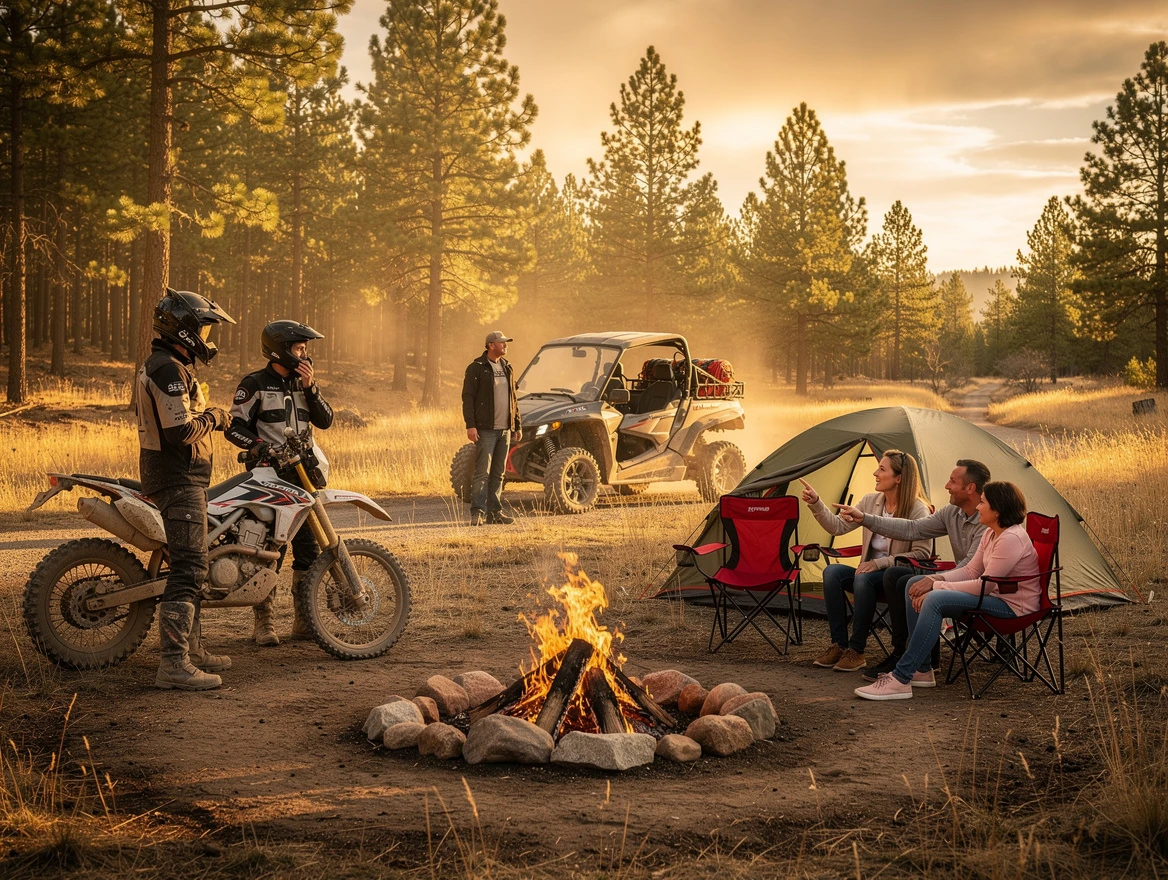
Off-road trail riding and overland camping put mechanical equipment right into direct contact with combustible wildland fuels. Riding an ATV, UTV, or dirt bike during critical weather alerts carries massive fire hazards. State forestry divisions and the U.S. Forest Service routinely post red flag warnings and emergency restrictions when these weather combinations occur.
Ready to register your vehicle?
Join thousands of vehicle owners who use Dirt Legal to handle their registration quickly.
Responsible riders monitor conditions closely. Preparing your rig with proper equipment and understanding the rules saves public lands from devastation and shields you from staggering liability. If you operate an off-highway vehicle, keeping your equipment inspected and your paperwork in order is part of responsible recreation.
How Vehicle Exhaust Systems and Catalytic Converters Wildland Blazes
Underbody vehicle components reach extreme temperatures under normal driving conditions. Catalytic converters regularly operate at 1,000 to 1,600 degrees Fahrenheit, while exhaust manifolds and turbochargers can glow red under load. When an overland truck or side-by-side vehicle stops in dry cheatgrass during a 30/30/30 weather event, vegetation touching the exhaust pipe can catch fire in less than two seconds.
Even parking on roadside pullouts carries severe risk. Radiated heat from hot exhaust systems dries out the immediate grass layer, leading to sudden undercarriage fires. Always park on cleared dirt, gravel turnouts, or paved surfaces when traveling during red flag periods.
What Equipment Is Required to Prevent Vehicle-Started Wildfires on Federal Lands?
Federal regulations under 36 CFR § 261.52 mandate that every internal combustion engine operating on National Forest System lands must feature a qualified spark-arresting device. The device must meet USDA Forest Service Standard 5100-1c or be labeled as an approved component by the vehicle manufacturer.
Spark arrestors use internal screens or centrifugal baffles to trap incandescent carbon particles thrown off by the engine cylinders. Riders should also carry a fire extinguisher rated 2A:10B:C and a round-point shovel with an overall length of at least 36 inches. Reviewing mandatory parts and equipment before heading out makes sure you never get turned around at a trailhead checkpoint.
How Do Public Land Agencies Use Red Flag Warnings to Restrict Trail Access?
The National Weather Service issues Red Flag Warnings when 30/30/30 parameters or equivalent regional indicators suggest critical fire conditions are present or imminent within 48 hours. Land agencies, including the Bureau of Land Management (BLM), state forestry bureaus, and local fire protection districts, translate these forecasts into fire restrictions.
Stage 1 fire restrictions limit campfires to designated metal rings. Stage 2 restrictions ban open campfires entirely, prohibit motorized travel off designated trails, and often halt off-road vehicle operation between 1:00 PM and 1:00 AM when relative humidity drops to daytime lows. Stage 3 orders involve complete forest closures, shutting down all public access until rainfall resets soil and fuel moisture levels.
What Safety Steps Should Off-Road Drivers Take When 30/30/30 Conditions Exist?
Before leaving the staging area, verify that your machine has an operational spark arrestor and no fluid leaks. Avoid driving through tall vegetation that reaches axle height, and clean out accumulated pine needles, grass, and debris from skid plates and exhaust heat shields before and after every trail run.
Carry communication gear such as satellite messengers, and let someone know your planned route. Understanding handling dynamics and trail limits also keeps you from getting stuck in hazardous fuel zones. As explained in Mastering Safety Behind the Wheel for Every Powersport Enthusiast, staying observant on the trail protects both your passengers and the surrounding environment.
| Fire Danger Level | Atmospheric Indicators | Motorized Trail Rules | Required Equipment |
|---|---|---|---|
| Stage 1 Advisory | Temperatures 75°F to 85°F, Humidity 30% to 40%, Winds under 15 mph | Open trails; travel restricted to designated routes only | USDA-approved spark arrestor, standard vehicle registration |
| Stage 2 Extreme (30/30/30 Trigger) | Temperatures >86°F (30°C), Humidity <30%, Winds >20-30 mph | OHV travel restricted to improved roads; afternoon trail curfews | Spark arrestor, shovel, chemical fire extinguisher, valid tags |
| Stage 3 Forest Closure | fuel dryness, severe drought, sustained high winds | All motorized backcountry trails completely closed to public | No motorized access permitted until closure order is revoked |
See How We Can Help With Your Vehicle Paperwork →
Beyond What Is the 30/30/30 Rule for Fire: Public Land Vehicle Titling, Registration, and Regulatory Compliance
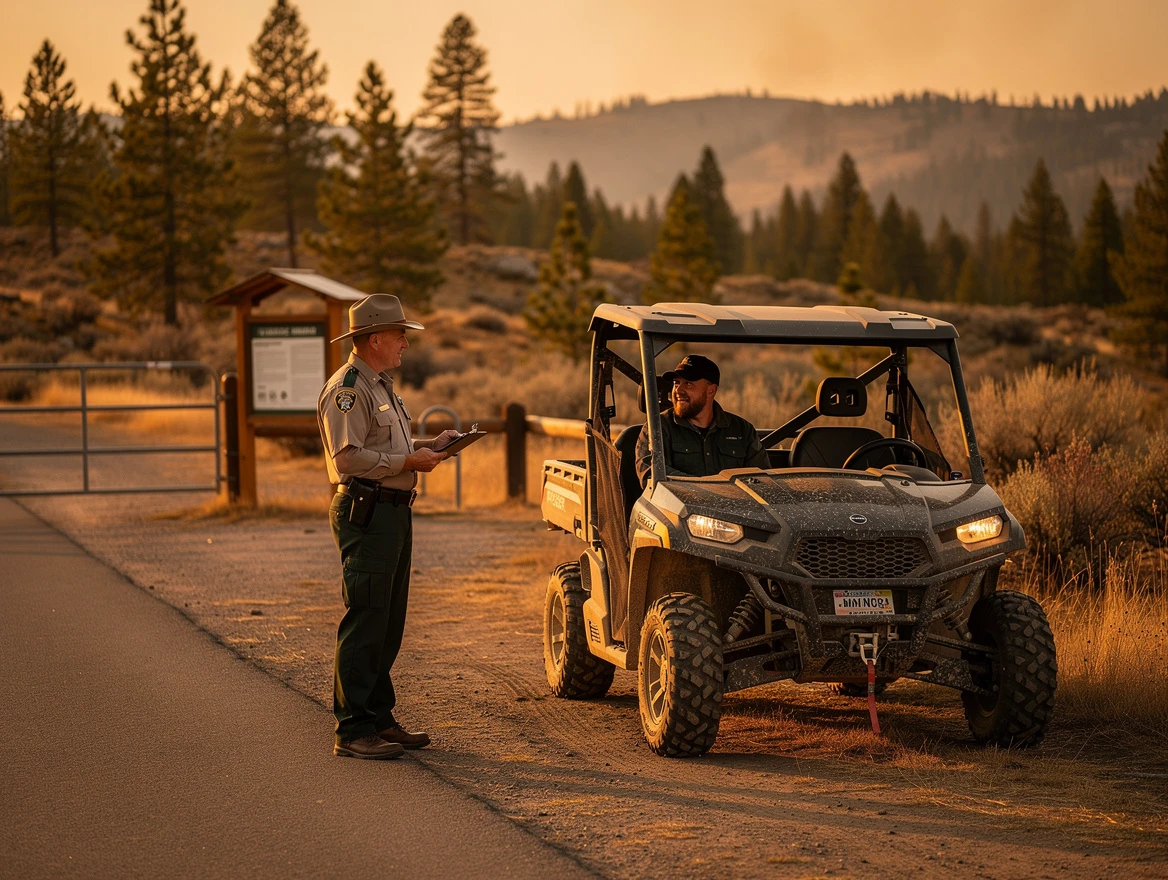
Surviving fire season in the backcountry is not just about spark arrestors and weather checks; it also comes down to administrative compliance. When fire danger spikes, rangers and conservation officers step up patrols across BLM and national forest trails. They check equipment, spark arrestors, and vehicle registration paperwork at primary trailhead junctions.
If your rig has title defects, missing registration documents, or expired license plates, a routine ranger inspection can result in heavy fines, impoundment, or a ruined trip. Taking care of your title and registration paperwork ahead of time keeps you completely compliant wherever you ride.
What Paperwork Do Forest Service and BLM Rangers Inspect on Backcountry Trails?
When operating a dual-sport motorcycle, UTV, or overland truck on multi-use public land roads, law enforcement officers expect proof of ownership, valid registration, and proof of liability insurance. Many Forest Service roads fall under state motor vehicle laws, meaning off-road stickers alone are not enough if the trail connects with maintained county roads.
If you recently purchased a trail vehicle on a bill of sale automotive transaction without getting a proper title transfer, you could run into serious trouble in remote areas. Understanding that Title Isn't Always Ownership: The Reality Most People Miss helps riders avoid common traps where a bill of sale leaves you without enforceable ownership in the eyes of state inspectors.
How Out-of-State Registration Supports Multi-State Trail Exploration
Enthusiasts who travel between states to look at top riding areas, such as the 17 best dirt bike trails united states, frequently encounter inconsistent local registration rules. Some home states do not offer license plates for converted dirt bikes or side-by-sides, leaving owners unable to operate compliantly on connecting forest roads.
Many off-road owners turn to specialized vehicle structures. Setting up a Montana LLC allows powersport enthusiasts to compliantly title and plate their rigs through the Montana Motor Vehicle Division. By using a Montana corporate entity, owners can secure permanent Montana plates for a Montana recreational vehicle or utility machine. This simplified process provides verified street-legal credentials recognized nationwide.
Before taking a custom machine across state borders, review The Most Common Mistakes People Make Titling Custom Vehicles so you avoid missing signatures or incorrect vehicle classifications that delay your paperwork.
How Can Riders Avoid Titling Headaches and Paperwork Issues for Remote Trips?
Acquiring clean paperwork for older dirt bikes, custom builds, and imported machines can feel overwhelming. Private buyers often deal with missing paperwork, previous owners who failed to complete a proper dmv title transfer, or severe issues like title floating where previous sellers skipped administrative filings. Finding reliable vehicle registration solutions keeps you from getting stuck in endless bureaucracy.
Whether you need an auto title replacement, guidance on how to make a dirt bike street-legal in California, or support registering used dual sports and dirt bikes getting better with age, working with private specialists saves weeks of frustration. Dirt Legal has completed over 6,000 customer orders to date (internal data, lifetime through current month, n=6,180), helping riders nationwide get road-ready paperwork with minimal fuss.
You can also work with partners like Ride Legal when managing powersports or learning How to Buy a Elevated RV Sight Unseen Out of State Right for cross-country camping adventures.
Frequently Asked Questions About What Is the 30/30/30 Rule for Fire and Vehicle Safety
Can I get a 30-day tag online?
In many states, temporary operating permits or 30-day tags can be requested through state online portals if you have an active title in your name and valid insurance. However, if you are purchasing a vehicle out of state, transferring ownership from a private party, or dealing with missing title documents, online state systems often reject the application and require in-person documentation. Private vehicle registration assistance services help you work through complex paperwork, verify ownership status, and secure compliant temporary or permanent credentials remotely so you do not have to waste hours dealing with administrative headaches.
Is the 30/30/30 rule for fire an official standard used by the National Weather Service?
The National Weather Service uses slightly more detailed numerical weather prediction models, but the 30/30/30 rule remains an industry-recognized rule of thumb for incident meteorologists, spot fire forecasters, and wildland firefighters. Regional weather forecast offices issue Red Flag Warnings when combinations of relative humidity below 15 to 25 percent and sustained wind speeds or gusts above 20 to 25 miles per hour align with dry vegetation. The 30/30/30 standard serves as a universal operational benchmark that quickly communicates when conditions have shifted from normal seasonal warmth to critical fire danger.
Can driving an off-road vehicle through dry grass start a wildfire during 30/30/30 conditions?
Yes, driving any motorized vehicle through dry, cured grass during 30/30/30 conditions is one of the leading human causes of wildland fire ignitions. Catalytic converters, exhaust headers, and muffler bodies heat up well beyond the ignition temperature of dry vegetation. In conditions with relative humidity under 30 percent, grass seeds and dry stems that collect in skid plates or touch the exhaust pipe can combust in seconds. Once ignited, sustained winds of 30 mph push flames through surrounding fuels faster than an operator can use a portable fire extinguisher.
What is a USDA Forest Service-approved spark arrestor?
A USDA Forest Service-approved spark arrestor is an exhaust device designed to trap or pulverize incandescent carbon particles larger than 0.023 inches in diameter before they escape into the atmosphere. The device must pass rigorous laboratory tests defined in Forest Service Standard 5100-1c and be permanently stamped with the manufacturer name and qualified model designation. Many aftermarket performance exhausts for dirt bikes and UTVs are open-flow competition mufflers that do not feature spark arrestors, making them for use on federal and state public lands.
What are the penalties for accidentally starting a wildfire on public lands?
Accidentally igniting a wildfire on state or federal lands carries severe civil and criminal penalties. Under federal law, operating an internal combustion engine without a required spark arrestor can result in misdemeanor fines, impoundment of your vehicle, and up to six months of imprisonment. state and federal courts routinely order individuals responsible for igniting wildfires to pay full suppression and resource damage costs, which frequently climb into hundreds of thousands or millions of dollars.
How do out-of-state vehicle registrations help trail enthusiasts who travel frequently?
Many outdoor enthusiasts travel to ride in states with vast public trail networks, but their home state may restrict the titling or plating of certain off-highway vehicles, custom campers, or dirt bikes. By establishing a Montana LLC and securing Montana LLC Services, owners can compliantly title and register their machines in a state that issues street-legal license plates for off-road machinery. This allows enthusiasts to operate on connecting public forest roads and county thoroughfares across multiple states without facing paperwork hassles or trail rejections.
Start Your Registration Today →
Understanding what is the 30/30/30 rule for fire gives outdoor adventurers the knowledge needed to respect extreme fire weather, protect public lands, and operate machinery safely. Always inspect your exhaust equipment, confirm that your rig has an approved spark arrestor, and verify that your title and registration paperwork are fully in order before hitting the trail.