Montana plates ship in as little as 1 day, titles in 2 weeks. Temp tags issued same day.

Resources

Vermont Bike Laws: What You Need to Know

DirtLegal breaks down Vermont dirt bike rules, registration steps, and how to prepare your bike for both off-road and on-road adventures.

Red dirt bike parked at Vermont farm barn with fall foliage mountains

Off-Road Use: Registration Requirements

In Vermont, dirt bikes are classified as off-highway vehicles (OHVs) and must be registered with the Vermont Department of Motor Vehicles (DMV) to be legally operated off-road on public lands. Registration is valid for one year and the fee is typically around $35. Proof of ownership, such as a bill of sale or manufacturer’s certificate of origin, and a completed application are required. Additionally, all riders under 18 must complete an approved ATV/OHV safety course before riding on public lands.

Helmet use is mandatory for all OHV riders under 18 years old. Riders 18 and older are strongly encouraged to wear helmets for safety.

Street Use: Converting a Dirt Bike to Street-Legal

Converting a dirt bike for street use in Vermont is allowed but requires compliance with both federal and state laws.

Conversion Requirements:

  • Title and Registration:
    • Obtain a Vermont Certificate of Title through the DMV.
    • Register the bike as a motorcycle and obtain a license plate.
  • Required Equipment:
    • DOT-approved headlight with high and low beams.
    • Taillight with brake light functionality.
    • Front and rear turn signals.
    • Rearview mirror(s).
    • Horn audible from at least 200 feet.
    • DOT-approved street tires.
    • Muffler that meets noise regulations.
    • Speedometer and odometer.
  • Inspection:
    • Pass a Vermont state safety inspection to ensure compliance.
  • Insurance:
    • Maintain liability insurance as required for street-legal motorcycles.

Where You Can Ride

  • Off-Road:
    • Private Property: Riding is allowed with the landowner’s permission.
    • Designated Trails and Areas: Vermont has multiple OHV trails and riding areas; some require permits.
  • On-Road:
    • Operation on public roads is only permitted if the dirt bike meets street-legal conversion standards and is properly titled, registered, and insured.
Dirt bike parked beside a rustic red barn in a pastoral valley in rural Vermont, surrounded by rolling green hills and distant fall foliage.

Rider Requirements

  • License:
    • A valid Vermont driver’s license with a motorcycle endorsement or a motorcycle-only license is required for street riding.
  • Helmet Use:
    • Helmets are required for riders under 18 years old. Riders 18 and over are strongly encouraged to wear helmets.
  • Eye Protection:
    • If the motorcycle lacks a windshield, riders must wear eye protection such as goggles or a face shield.

Penalties for Non-Compliance

Failure to comply with Vermont’s dirt bike laws can result in:

  • Fines: For operating unregistered or improperly equipped vehicles.
  • Impoundment: Vehicles may be seized if not in compliance.
  • License Suspension: Operating without proper licensing or insurance can lead to suspension.
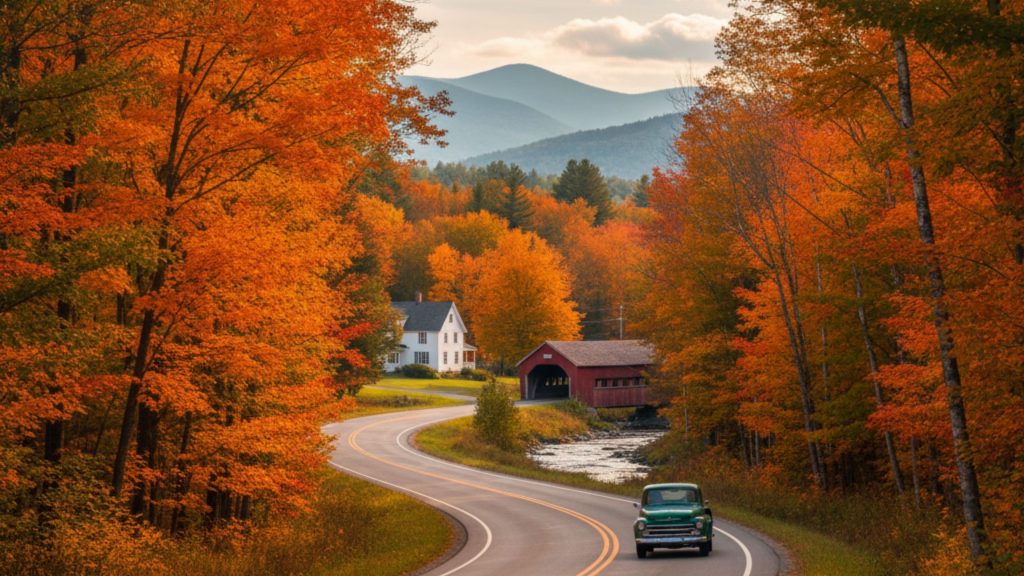
Two-lane road in rural Vermont, surrounded by vibrant autumn foliage, traditional New England homes, and a covered bridge in the distance.

Relevant Vermont Laws and Agencies