Trail Etiquette 101: 6 Rules Every Off-Road Driver Must Follow
Master trail etiquette 101: 6 rules every off-roader needs to know. Learn how to protect trails, respect fellow riders, and enjoy your time in the wilderness.
Trail Etiquette 101: 6 Rules Every Off-Roader Must Follow for Responsible Riding
Updated on September 17, 2026
Trail etiquette 101: 6 rules every off-roader must follow include staying on designated paths, yielding to uphill traffic, packing out all waste, respecting noise limits, maintaining group safety, and avoiding sensitive environments. Following these standards keeps public lands open for everyone while ensuring your equipment and safety are prioritized.
1. Master the Golden Rule of Trail Preservation
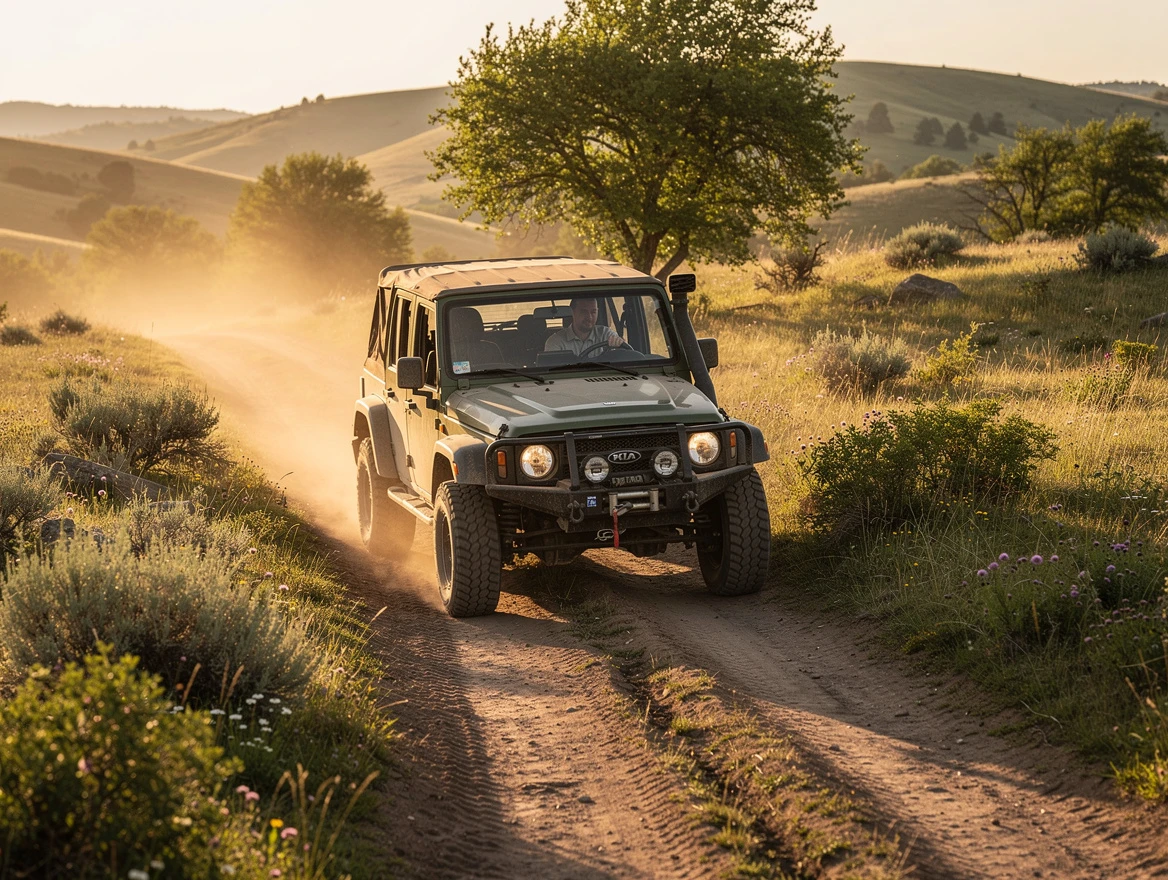
The most important rule in off-roading is simple: keep your tires on the trail. Straying from marked paths damages fragile ecosystems, ruins native vegetation, and can lead to permanent closure of popular riding areas. When you stay on the path, you protect the terrain for future generations.
Ready to register your vehicle?
Join thousands of vehicle owners who use Dirt Legal to handle their registration quickly.
Why Staying on the Path Matters
Off-roaders often encounter mud or obstacles that seem tempting to bypass. Taking the bypass creates 'braided trails' that widen the original path. This erosion is difficult for land managers to fix and often leads to the Bureau of Land Management or Forest Service shutting down entire zones. If you cannot make the obstacle, turn around.
Respecting Signage and Closures
Land management agencies use signs to indicate restricted areas, private property, and seasonal wildlife closures. Never tear down signs or ignore them. A clear understanding of land boundaries is essential, especially when riding across state lines or near private land. If you are interested inl ways to register your vehicle for use on various terrains, learn more at Street-Legal Vehicle registration assistance services.
2. Understanding Right of Way and Yielding
Sharing the trail means knowing who goes first. The standard rule is that uphill traffic has the right of way. Going downhill is easier, and it is much more difficult to stop or reverse a rig on a steep incline without losing control.
Communicating with Other Groups
When you encounter another vehicle, be prepared to pull over safely. If you are in a group, use hand signals to indicate how many riders are behind you. This simple gesture allows the oncoming vehicle to know when it is safe to proceed, preventing dangerous collisions on blind corners.
Managing Traffic on Narrow Trails
In areas where the trail is too narrow to pass, someone must reverse to a wide spot. The driver with the easiest retreat should yield. Acknowledging other riders with a polite wave or nod keeps the culture friendly and professional.
3. Pack It In, Pack It Out
Trash left on the trail is the quickest way to lose riding access. Every wrapper, fuel canister, or piece of broken plastic must leave the woods with you. This also applies to automotive fluids. If your rig is leaking oil or coolant, you need to address the maintenance issue immediately before heading into the backcountry.
Vehicle Maintenance and Fluid Control
Leaky hoses or seals leave a trail of toxins that can harm local wildlife and water sources. Dirt Legal has helped 80,000+ vehicle orders to date (internal data, lifetime through current month, n=6,110) which gives us significant insight into the importance of keeping your vehicle in top condition. Regular inspections of your chassis and drivetrain are not just about your rig's health; they are about responsible stewardship of the land.
Dealing with Trailside Repairs
Breakdowns happen, but they should not become permanent fixtures. If you have to replace a part on the trail, make sure you pick up every bolt, zip tie, and scrap of metal. If you are looking to simplify your registration process, consider our Montana LLC Services to handle your paperwork professionally.
4. Noise Control and Community Relations
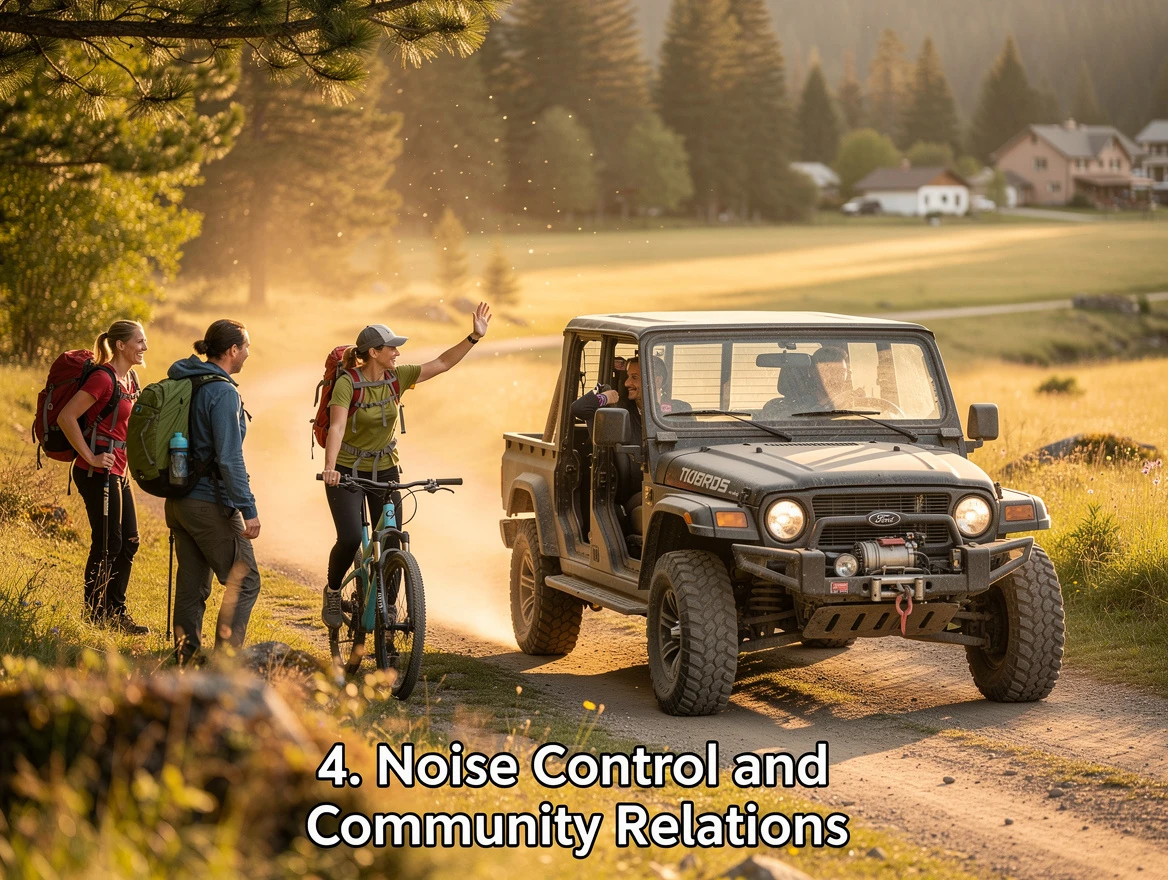
Excessive noise is one of the top complaints from residents living near riding areas. While we all love the sound of a well-tuned engine, there is a time and a place for it. Be mindful of your exhaust levels, especially when riding near campgrounds, homes, or populated areas.
When to Dial It Back
Avoid rapid acceleration and high-RPM riding near campsites or during early morning and late evening hours. Many trails have specific 'quiet hours' or decibel limits. Check local regulations for your riding destination before you depart. If you have questions about your vehicle's status, read about How Street-Legal Works.
Neighborly Respect
If you are trailering your vehicle to a destination, be respectful of neighbors when loading or unloading. Excessive engine revving in a residential parking lot is an simplified way to draw negative attention to the off-roading community.
See How We Can Help With Your Registration →
5. Safety and Group Dynamics
Off-roading is best done with others, but group riding requires coordination. Maintain a safe following distance, especially in dusty conditions where visibility is limited. Never ride alone if you can avoid it, and always share your itinerary with someone back home.
The Buddy System
If someone in your group has trouble, the whole group stops. Never leave a rider behind, especially if they are having mechanical issues. Make sure your group has a designated lead and a tail gunner to make sure no one gets lost or stranded.
Emergency Preparedness
Every rig should carry a basic toolkit, a first aid kit, and extra water. You never know when a simple rock-crawl might result in a flat tire or a broken tie rod. Being prepared means you are not reliant on others to save you from a minor mishap.
6. Respecting the Environment and Wildlife
You are a guest in nature. Wildlife should never be approached, fed, or harassed. If you encounter animals on the trail, stop and wait for them to move on. Using a camera instead of a throttle is the best way to interact with local fauna.
Protecting Water Sources
Never drive through streams or wetlands unless there is a designated crossing. These areas are critical for aquatic life and water quality. Crossing through these sensitive zones can cause massive sedimentation and habitat destruction.
Leave No Trace Principles
Following the standard 'Leave No Trace' principles ensures the outdoors remains clean for everyone. From disposing of human waste properly to not picking wildflowers, your impact matters. Every rider who follows these rules contributes to the longevity of the hobby.
| Rule | Primary Goal | Outcome |
|---|---|---|
| Stay on trail | Prevent erosion | Keeps trails open |
| Yield uphill | Safety | Avoids collisions |
| Pack it out | Cleanliness | Protects environment |
| Control noise | Community peace | Reduces complaints |
| Safe distances | Collision prevention | Prevents injury |
| Wildlife respect | Preservation | Maintains |
Frequently Asked Questions
What should I do if I see another rider breaking the rules?
If you see someone clearly violating trail etiquette, address it calmly if safe to do so. Often, they might just be inexperienced. If the behavior is dangerous or destructive, document the situation and report it to the local land management office or park ranger rather than escalating a confrontation.
Do these rules apply to all types of vehicles?
Yes. Whether you are driving a full-size 4x4, an ATV, a UTV, or a motorcycle, these principles apply to everyone who shares public lands. If you need help with your vehicle paperwork, check out our guide on how to register a vehicle.
Why is it important to yield to uphill traffic?
The vehicle moving uphill has less momentum and often struggles with traction. Stopping a heavy vehicle on a steep incline can cause it to slide backward, which is dangerous. Allowing the uphill rider to maintain their line is the standard courtesy.
How can I find out if a trail is open?
Always check the website of the land management agency (e.g., US Forest Service, BLM, or state parks) for the specific area you plan to visit. Trails can close due to weather, maintenance, or seasonal conditions. Never assume a trail is open just because it appeared on an old map.
What is a tail gunner in a group ride?
The tail gunner is the person who rides at the very back of the group. Their job is to make sure no one falls behind, gets lost, or breaks down without the rest of the group knowing. It is a critical role for group safety.
By mastering these principles, you make sure that the trails remain open and accessible for the entire community. Always remember that public land is a shared resource. Keep your gear maintained, your group informed, and your impact minimal to enjoy the great outdoors for years to come. Start your registration today with our reliable support.