Preventing Hot Car Deaths: A Complete Safety Guide
Preventing hot car deaths saves lives every summer. Learn the warning signs, best practices, and technology that keeps children and pets safe in vehicles.
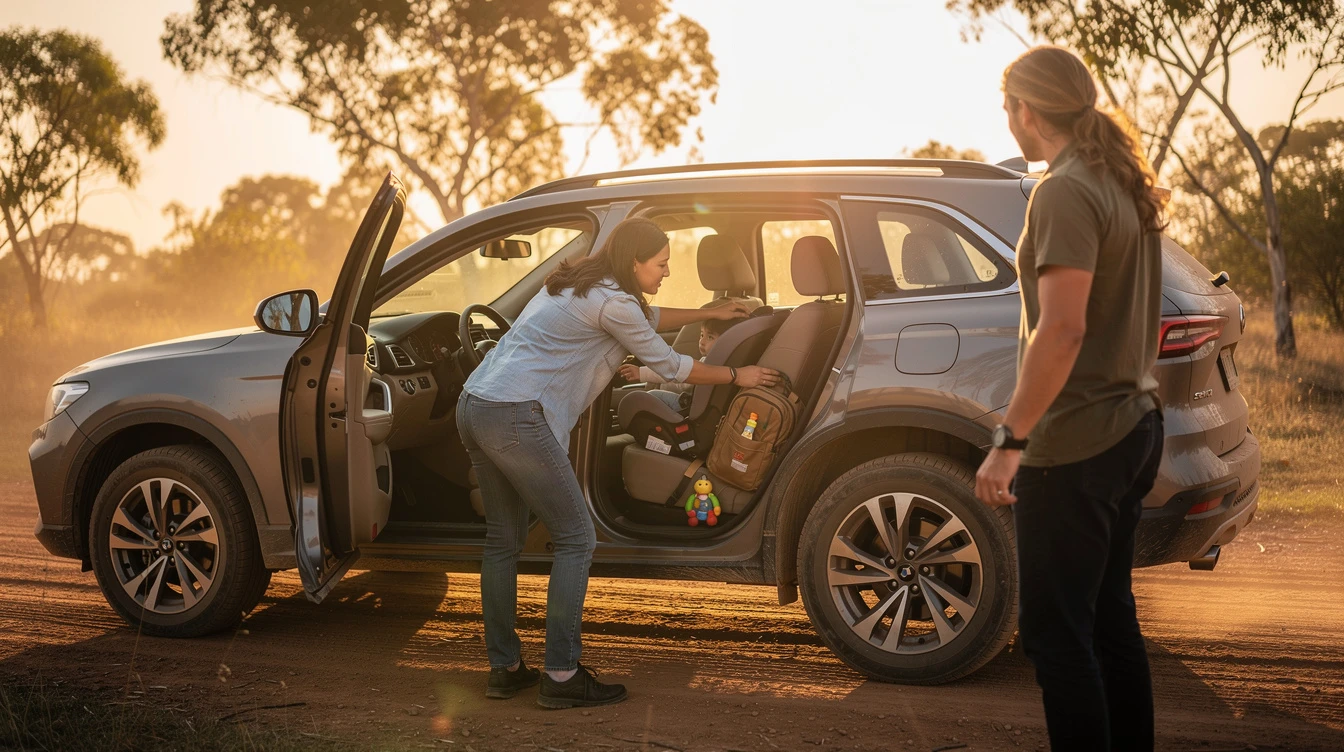
Preventing hot car deaths is one of the most urgent vehicle safety issues in the United States. On a 70°F day, the inside of a parked car can reach over 115°F within an hour, and cracking a window makes almost no difference. Children and pets are especially vulnerable, and most tragedies happen not from neglect, but from routine disruptions that break normal habits.
This guide covers the science behind why cars heat up so fast, the behavioral patterns that put children and pets at risk, and the concrete steps you can take to make sure it never happens to your family.
You'll also find a summary table, product comparisons, and answers to the most common questions people ask about hot car safety.
Why Hot Car Deaths Happen More Often Than You Think
Most parents and pet owners who experience a hot car tragedy didn't intend harm. Research from NHTSA and child safety organizations consistently shows the same pattern: a change in routine, a sleeping child in the back seat, a forgotten stop. The brain genuinely does not register what it cannot see.
How fast Do Car Interiors Heat Up?
A car parked in direct sunlight on an 80°F day can hit 130°F inside within 20 minutes. The dashboard and steering wheel surfaces can exceed 160°F. Children's body temperatures rise three to five times faster than adults, and heatstroke begins at a core temperature of just 104°F. Death can occur at 107°F. The math is brutal.
The "Forgotten Baby Syndrome" Explained
Neuroscientists call it prospective memory failure. When a caregiver's routine changes, a different driver, an earlier drop-off, a stressful morning, the basal ganglia, which governs habitual behavior, can suppress the prefrontal cortex's newer memories. The brain defaults to what it usually does. A child who is quietly sleeping and out of sight is genuinely at risk of being forgotten, even by loving, attentive caregivers.
When Are Children and Pets Most at Risk?
The peak months are June through August, but deaths have occurred in every month of the year in warmer states. About 54% of cases involve children under two years old. Rear-facing car seats in the back seat, while the safest position for collisions, are also the hardest to see during a routine exit. Pets face nearly the same physiological risks, and dogs can experience heatstroke in as little as 15 minutes on a warm day.
Proven Strategies for Preventing Hot Car Deaths at Home and on the Road
Prevention is almost entirely behavioral and systemic. Individual vigilance matters, but building physical reminders and technology into your routine is far more reliable. Here's what actually works.
Ready to register your vehicle?
Join thousands of vehicle owners who use Dirt Legal to handle their registration quickly.
Register Your Vehicle Today →The "Look Before You Lock" Habit
The single most recommended behavioral strategy is a mandatory visual check of the back seat every single time you exit your vehicle. Make it a non-negotiable rule, not a "when I remember to" step. Some advocates suggest placing something you'll need, like your left shoe, your bag, or your phone, in the back seat next to the car seat. You cannot walk into work without noticing it.
Using Technology as a Backup
Several newer vehicles include rear seat reminder systems that alert the driver via chime and dashboard message after detecting movement in the back seat during a trip. Aftermarket products, including clip-on car seat alarm sensors and rear seat reminder apps, are also widely available. These tools are backups, not replacements for habit, but they add a second layer of protection. Check your vehicle's manual or the NHTSA vehicle database to see if your car has built-in rear seat reminders.
Communication Systems for Caregivers
Daycares and schools can play a major role. A simple policy: if a child expected at 8 AM hasn't arrived by 8:15 AM, the facility calls the parent directly. This one step has saved lives. Set up a contact agreement with your childcare provider so no-shows trigger a call before you even have a chance to forget.
What to Do If You See a Child or Pet in a Hot Car
Knowing what to do in an emergency is just as critical as prevention. Seconds matter.
Call 911 Immediately
Don't search for the car owner first. Call emergency services immediately and stay on the line. Dispatchers can reach the owner, direct nearby police, and guide you through next steps while help is on the way. Give the dispatcher your exact location, the vehicle description, and the state of the child or pet.
Breaking a Window: When and How
Most states have laws that protect bystanders who break a vehicle window to rescue a child or pet in danger. If emergency services cannot arrive quickly and the child appears to be in distress (unresponsive, labored breathing, red or hot skin), breaking the window may be the right call. Use the farthest window from the child. Keep the child low and shield them from glass. Move them immediately to a cool environment and apply cool (not ice cold) water to their skin while waiting for medical help.
Cooling an Overheated Child or Pet
Remove excess clothing. Apply cool, wet cloths to the neck, armpits, and groin. Do not use ice. Do not give fluids to an unconscious person. Fan them actively. Get them to an emergency room immediately even if they appear to recover quickly, because organ damage from heatstroke can be delayed.
Vehicle Features and Products That Support Hot Car Safety
The automotive industry has gradually built more safety features into new vehicles, and the aftermarket has followed. Here's a quick breakdown of what's available.
Built-In Rear Seat Reminder Systems
As of the 2020s, several major manufacturers including GM, Hyundai, Kia, and Nissan include rear seat reminder systems as standard or optional equipment. These use door sensors or ultrasonic sensors to detect whether anyone is in the back and alert the driver at engine shutoff. Not all systems are created equal, so research your specific make and model.
Aftermarket Sensors and Apps
Clip-on sensors attach directly to the car seat use and connect to a smartphone app via Bluetooth. When you move more than a set distance from the car, an alert fires to your phone. These run between $30 and $80 and take about five minutes to set up. Some apps, like those integrated with newer car seat models, don't require a separate device at all.
Window Tinting and Windshield Sunshades
These won't save a child left in a car, but they meaningfully reduce interior temperatures when a car is parked briefly in the sun. A reflective sunshade can lower dashboard temperatures by 30°F or more, which reduces the baseline temperature a child would face. Combined with behavioral habits, it's a reasonable additional layer.
| Method | Cost | Effectiveness | Best For |
|---|---|---|---|
| Look Before You Lock Habit | Free | High (when consistent) | All caregivers |
| Rear Seat Reminder (built-in) | Included in vehicle | High (automatic) | New vehicle buyers |
| Aftermarket Clip-On Sensor | $30-$80 | High (active alert) | Older vehicles |
| Daycare Contact Agreement | Free | High (institutional backup) | Working parents |
| Windshield Sunshade | $10-$30 | Moderate (temperature reduction only) | Brief stops, supplemental |
| Personal Reminder Item in Back Seat | Free | Moderate (habit-dependent) | Backup to primary habit |
Dirt Legal helps vehicle owners manage registration paperwork so you can focus on what matters, keeping your family safe on the road. See how the process works.
See How We Can Help With Your Vehicle Registration →Vehicle Ownership, Registration, and Safety: The Connection
Responsible vehicle ownership goes beyond fuel and oil changes. Knowing your vehicle, its features, and its documentation matters year-round. A registered, properly titled vehicle is one where the owner's contact information is current and traceable, which matters in emergency response situations.
If you've recently purchased a vehicle and are working through a title transfer or new registration, getting that paperwork squared away promptly means your contact details are current with your state's records. This is especially relevant for families buying a used vehicle that may need a pre-purchase inspection and title review.
For those managing multiple family vehicles, RVs, or trucks used seasonally, Dirt Legal provides vehicle registration assistance for cars, trucks, motorcycles, and recreational vehicles. Our team assists with out-of-state paperwork so your registrations stay current. You can also look at Montana registration options through a Montana LLC vehicle registration structure, which many vehicle owners use for RVs and elevated purchases.
If you're also a rider, off-road vehicle registration assistance through our sister brand Ride Legal covers ATVs, UTVs, and other powersport vehicles that need proper titling before they hit the trails with your family.
For full information on what your vehicle's registration process involves, see the Dirt Legal how-it-works page for a plain-language breakdown.
Drivers dealing with a fire-related loss on an RV or vehicle may also find our guide on insurance advice for RV fire loss useful, especially if a vehicle replacement or retitling is needed after a heat event.
Our QC team resolves 54.4% of document corrections without sending the order back to the customer, keeping your registration process moving without extra back-and-forth (internal data, rolling last 90 days, n=125).Frequently Asked Questions About Preventing Hot Car Deaths
How hot does a car get with the windows cracked?
Cracking windows slightly does almost nothing to reduce interior temperature in a parked car. Studies show that a cracked window reduces peak interior temperatures by only 1 to 2 degrees, which is not nearly enough to prevent heatstroke. The greenhouse effect from sunlight passing through glass and heating surfaces like the dashboard and seats is the primary driver of interior heat buildup, and ventilation gaps too small for airflow don't offset that process. Cracking windows should never be considered a safe alternative to taking children or pets with you.
Can a child die in a car on a mild day?
Yes. Hot car deaths have occurred on days with outside temperatures as low as 57°F when vehicles are parked in direct sunlight for extended periods. The interior of a vehicle in sunlight can rise 40 to 50 degrees above the outside temperature within an hour. Even overcast conditions can allow enough solar radiation to heat a parked vehicle dangerously if a child is left for more than an hour. Temperature alone is not the reliable indicator many people assume it is.
What is the "ACT" method for hot car death prevention?
ACT stands for Avoid, Create reminders, and Take action. Avoid heatstroke by never leaving a child alone in a car, even briefly. Create reminders by placing a stuffed animal in the front seat when a child is in the back, or by using a phone app or sensor. Take action if you see a child alone in a hot vehicle by calling 911 immediately. This framework was developed by child safety advocacy organizations and is widely promoted by pediatricians and emergency responders.
Is it illegal to leave a child in a hot car?
In most U.S. states, leaving a child unattended in a vehicle under dangerous conditions is a criminal offense that can result in charges ranging from child endangerment to manslaughter. Laws vary by state in terms of the child's age, the duration, and the specific conditions required to constitute a violation. Several states have passed specific "hot car" statutes. Consult your state's motor vehicle and child welfare code for exact provisions. This content is general information and not a substitute for specific to your situation.
What should I do if I accidentally leave my child in the car?
If you realize your child has been left in a vehicle, return to them immediately and call 911 even if they appear to be fine. Heatstroke can set in rapidly and organ damage can occur before visible symptoms are obvious. Do not delay medical evaluation. Cool the child with cool water on the skin, remove excess clothing, and keep them in an air-conditioned space while waiting for emergency services. Do not leave them unattended again while seeking help.
Do rear seat reminder systems work effectively?
Built-in rear seat reminder systems work by detecting door activity or movement during a trip and alerting the driver at shutoff. They're meaningfully effective as a backup tool. However, they do not replace active verification because some systems can be dismissed with a single button press or may not trigger if the child was placed in the seat before the trip began via a different door sequence. They are best used as one layer of a multi-method approach alongside physical checks and caregiver communication systems.
Are pets at the same risk as children in hot cars?
Dogs and cats are at very similar physiological risk to young children in hot vehicles. Dogs do not sweat through their skin and rely primarily on panting to regulate body temperature, which is ineffective in a sealed, superheated space. Heatstroke in dogs can begin within 15 minutes in a hot car. Flat-faced breeds like bulldogs, pugs, and Persian cats are at even higher risk due to restricted airways. The same prevention principles apply: if you're leaving the vehicle, your pet comes with you or stays home.
Can I break a car window to save a child without facing charges?
Many states have enacted Good Samaritan laws that specifically protect individuals who break a vehicle window to rescue a child or pet in imminent danger. These laws typically require that the person first attempted to contact authorities or the vehicle owner, believed the child or pet was in immediate danger, used only the force necessary, and stayed with the child or pet until emergency services arrived. The specifics vary by state, so checking your local statutes is wise. In a genuine emergency where a child appears to be in distress, most law enforcement agencies support intervention.
Your vehicle is part of your family's daily life. Make sure its paperwork is as well-managed as the safety features inside it. Dirt Legal provides registration assistance for cars, trucks, RVs, motorcycles, and more, with remote paperwork support so you don't have to take time away from what matters.
Start Your Vehicle Registration Today, No Hidden FeesWhat Responsible Vehicle Ownership Looks Like Year-Round
Preventing hot car deaths starts with awareness but gets reinforced through daily habits, the right technology, and systems that catch human error before it becomes tragedy. No single method is foolproof, which is why combining a physical check, a communication backup with your daycare, and at least one technology tool gives you the strongest possible protection.
Responsible vehicle ownership also means keeping your registration current, your title clean, and your vehicle's safety features properly maintained. If you're managing multiple vehicles, seasonal use vehicles, or specialty vehicles like RVs, Dirt Legal's registration assistance team can help keep your paperwork in order. A car you own and drive is one you're responsible for, in every sense.
For riders with off-road and powersport vehicles, check out off-road vehicle registration options through Ride Legal to make sure every vehicle in your fleet is properly titled and ready to ride.