Passenger in Car: What to Do If Driver Has Heart Attack
If you're a passenger in a car and the driver has a heart attack or stroke, here's exactly what to do to stop the vehicle safely and get help efficient.
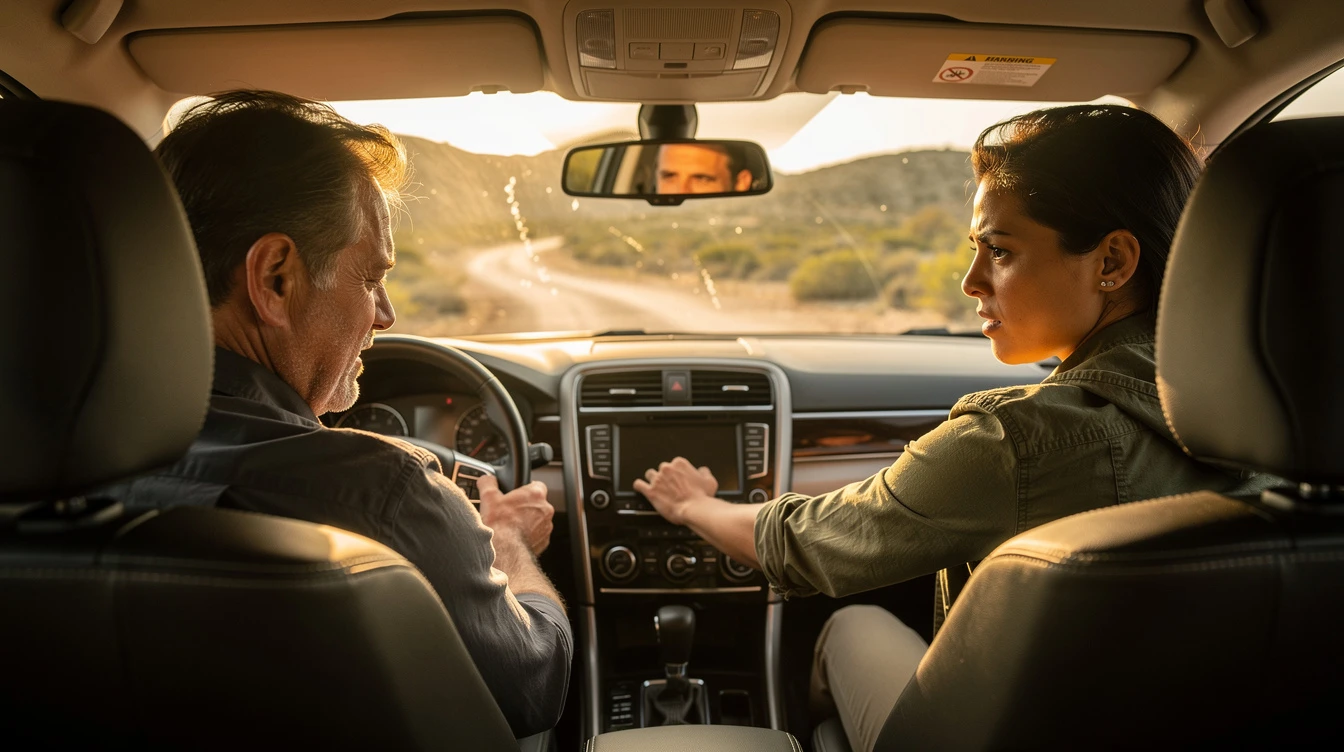
As a passenger in a car, you need to act immediately if the driver has a heart attack or stroke. Every second counts. This guide walks you through exactly how to take control of the vehicle safely, get help on the line, and protect everyone in and around the car, even if you've never had to do it before.
Most people have never thought about this scenario until they're in it. The good news is that the steps are straightforward, and knowing them ahead of time can mean the difference between a controlled stop and a serious accident.
Read through all of this now, before you ever need it. Share it with anyone who rides in vehicles regularly. Preparation is the only advantage you can give yourself in a situation like this.
Recognizing the Signs That the Driver Is Having a Cardiac or Neurological Emergency
The first challenge is knowing something is actually wrong. Drivers don't always announce an emergency. Watch for sudden slumping, loss of grip on the wheel, glazed eyes, slurred speech, or the car drifting from its lane without correction. These are not tired-driver signs. They're warning signals.
Heart Attack Warning Signs in a Driver
A heart attack can come on gradually or suddenly. The driver may clutch their chest, complain of jaw or arm pain, become pale and sweaty, or go quiet mid-sentence. In some cases they'll lose consciousness without warning. Any combination of these in the driver's seat is reason to act, not wait.
Stroke Warning Signs in a Driver
Stroke symptoms differ slightly. Use the Efficient acronym: Face drooping, Arm weakness, Speech difficulty, Time to call 911. A driver having a stroke may suddenly veer, stop responding to you, or seem confused. Their foot may slip off the pedal. Don't second-guess yourself if something feels wrong.
When to Act vs. When to Wait
Don't wait for confirmation. If the driver appears incapacitated and the car is moving without control, you act now. A few wasted seconds of hesitation at highway speed can put you hundreds of feet further down the road and in far more danger.
How to Take Control of a Moving Vehicle From the Passenger Seat
This is the core of the situation. You need to do two things at once: steer the car and manage the speed. Here's the step-by-step approach, prioritized by what matters most.
Ready to register your vehicle?
Join thousands of vehicle owners who use Dirt Legal to handle their registration quickly.
Register Your Vehicle Today →Step 1, Announce Yourself, Then Take the Wheel
Say loudly "I'm taking the wheel" even if the driver can't respond. This orients anyone else in the car and, if the driver is partially conscious, prevents a reflex struggle. Reach across calmly and firmly grip the steering wheel. Keep the car in its lane. Do not jerk the wheel.
Step 2, Ease Off the Gas
If you can reach the driver's foot, gently push it off the accelerator. If you can't reach without losing steering control, leave it. The car will naturally begin to slow. Don't force anything that causes you to lose directional control. Steering matters more than speed in the first few seconds.
Step 3, Guide the Car to the Shoulder or a Safe Stop
Signal if you can, look for an open shoulder, parking lot, or wide stretch of road. Aim for a flat, clear surface away from traffic. Turn on your hazard lights if you can reach the button without losing the wheel. Stay as far right as possible and away from oncoming lanes.
Step 4, Apply the Brake
Once you're away from the flow of traffic, press the brake pedal smoothly. Don't stomp it. A hard stop at speed can cause the car to skid or spin. Gradual pressure until the car stops completely is the goal. Put it in park if you can reach the gear selector, then turn off the engine.
Step 5, Call 911 Immediately
The moment the car is stopped and stationary, call emergency services. Tell the dispatcher the driver is unresponsive, your location as precisely as you can, and whether you think it's cardiac or stroke-related. Stay on the line. They'll guide you through what comes next, including whether to start CPR.
What to Do While Waiting for Emergency Services
After the car is stopped and 911 is called, your role shifts from vehicle operator to first responder. Here's how to manage those critical minutes until paramedics arrive.
Check for Breathing and Pulse
Look for chest rise. Listen for breathing. If the driver is unresponsive and not breathing normally, you may need to start CPR. If you're trained, begin chest compressions. If you're not, the 911 dispatcher can walk you through it. Hands-only CPR (100-120 compressions per minute, hard and efficient) is better than nothing and is something any adult can do.
Position the Driver Safely
If the driver is unconscious but breathing, turn them gently onto their side if space allows. This recovery position prevents choking if they vomit, which is common during cardiac events. Don't move them if you suspect a spinal injury, but in most cardiac or stroke situations, airway protection takes priority.
Keep Other Passengers Calm and Safe
If children or other passengers are in the car, assign one adult to stay with them outside the vehicle, away from traffic. Turn on hazards. Set out road flares or reflective triangles if they're available in the car. Keep everyone away from the road and visible to approaching traffic.
Don't Move the Car Again
Once stopped, leave the car where it is unless it's in immediate danger (on train tracks, for example). Moving it again risks re-entering traffic without full driver control. Paramedics and police can manage the scene when they arrive.
Comparison: Cardiac vs. Stroke Emergency, What Changes in Your Response
Both emergencies require the same vehicle-control steps. The differences come into play after the car is stopped. Here's a quick-reference breakdown:
| Factor | Heart Attack | Stroke |
|---|---|---|
| Common symptoms in driver | Chest pain, arm/jaw pain, pale/sweaty, loss of consciousness | Face drooping, slurred speech, arm weakness, sudden confusion |
| Speed of onset | Can be gradual or sudden | Usually sudden |
| CPR likely needed? | Yes, if cardiac arrest follows | Less common, but possible |
| Recovery position useful? | Yes, if unconscious and breathing | Yes, especially if speech/swallowing affected |
| Time window for treatment | Every minute without CPR reduces survival 10% | "Time is brain", stroke treatment window is 3-4.5 hours |
| Tell 911 dispatcher | Possible cardiac arrest, CPR may be needed | Possible stroke, Efficient symptoms observed |
| Your vehicle-control steps | Identical: steer, slow, stop, call 911 | Identical: steer, slow, stop, call 911 |
Your vehicle documentation should be as prepared as you are. See how Dirt Legal can help with your vehicle registration paperwork.
See How We Can Help With Your Vehicle Registration →Preparing Before an Emergency: What Every Passenger Should Know
You can't always predict a medical emergency, but you can reduce the chaos when one happens. A few habits and a bit of preparation go a long way.
Learn the Basics of Your Vehicle
Before long trips, especially with elderly drivers or anyone with known heart conditions, take 30 seconds to note where the hazard light button is, how the gear selector works, and whether the car has a traditional key or push-button ignition. Automatic transmissions are far easier to manage from the passenger seat than manual. Know what you're working with.
Take a CPR or First Aid Course
Many local fire departments, hospitals, and community centers offer free or low-cost CPR certification. A two-hour hands-on class gives you real muscle memory for chest compressions. It's one of the most practical skills you can carry. The American Red Cross and American Heart Association both offer frequent courses nationwide.
Keep Emergency Info Accessible
If you're traveling with someone who has a known cardiac condition, keep their medication list and emergency contact information accessible, not buried in a bag. A card on the dashboard or in the visor can give paramedics critical information in the first minutes. Some drivers with conditions wear medical alert bracelets, which paramedics check first.
Being a prepared vehicle owner goes beyond just keeping your paperwork in order, though that matters too. If you're thinking about how to manage your vehicle registration and title documentation more efficiently, take a look at how the process of registering a new or used vehicle works, including what documents you'll need and how to keep everything organized.
For riders who want to understand how insurance coverage connects to vehicle registration and ownership structure, this resource on how exotic car insurance is only as strong as its registration is worth reading before your next road trip.
Frequently Asked Questions
What should I do first if the driver passes out while driving?
Reach over and take the steering wheel immediately. Keep the car straight and in its lane. Don't worry about the gas pedal yet, steering is the priority. Once you have directional control, look for a safe place to pull over. Ease off the gas when you can and apply the brakes gradually once you're clear of traffic. Call 911 the moment the car is stopped. Stay on the line and follow dispatcher instructions.
Is it safer to try to stop the car or steer it to safety first?
Steer first, stop second. At speed, an uncontrolled car is the primary threat. Slowing down while weaving or heading toward other vehicles creates a worse situation than maintaining speed in a controlled lane. Steer to the shoulder or away from traffic, then reduce speed using the brakes. The goal is controlled deceleration in a safe area, not an emergency stop in the middle of traffic.
Can I use the parking brake from the passenger seat?
In older vehicles with a center-console hand brake, yes, but use it only as a last resort. Pulling a parking brake at highway speed can cause the rear wheels to lock and the car to spin. Only use it if the foot brake is completely inaccessible and the car is already at low speed. Most modern vehicles have an electronic parking brake that may require a different action. Regular brakes are always the better choice.
What if I'm in the backseat when the driver becomes incapacitated?
This is significantly harder. Your ability to reach the steering wheel and pedals is limited from the rear. If there's another passenger in the front, direct them to take the wheel. If you're alone in the back, try to lean between the front seats and grip the wheel to keep the car straight. Call 911 immediately and keep the line open. Honking the horn continuously may alert other drivers and law enforcement. Try to reach the gear selector to shift into neutral, which will let the car slow naturally without risking a sudden stop.
Should I try to continue driving to the hospital instead of waiting for ambulances?
No. Stop the car safely and call 911. Paramedics can begin life-saving treatment on the way to the hospital that you can't provide while driving. They also have a direct line to the receiving hospital. Driving to an emergency room yourself, especially with limited familiarity with the vehicle, adds risk without adding speed. The emergency response system is built to respond faster than you can drive.
Does the driver's car insurance cover accidents caused by a medical emergency?
In most cases, yes. Standard auto insurance policies typically cover accidents caused by a sudden and unforeseen medical event. Some policies have specific language around this. After the emergency is resolved, the vehicle owner should contact their insurance provider to report the incident. Having current registration and title documentation in order also matters for any insurance claim. If you want to make sure your own vehicle is properly registered and documented, see how South Dakota vehicle registration works as one affordable option for getting your paperwork current.
What's the best way to slow an automatic car from the passenger seat without reaching the pedals?
Shift the gear selector from Drive (D) toward a lower gear or to Neutral (N). Neutral removes engine power and lets the car coast to a lower speed. In some vehicles, shifting to a lower gear (2 or L) provides engine braking. Avoid shifting directly into Park or Reverse at speed as this can cause serious mechanical damage and sudden vehicle behavior. Use neutral to slow the car, then reach for the brake pedal once speed decreases to a manageable level.
Are there resources to learn these vehicle-control skills before an emergency?
Yes. Defensive driving courses often include basic passenger-side vehicle control scenarios. Organizations like AAA and the National Safety Council offer courses both in-person and online. Your local fire department may offer community safety training as well. CPR certification courses paired with a basic vehicle safety overview give you two of the most useful emergency skill sets available. The time investment is minimal compared to what that knowledge could mean in a real situation.
For drivers and passengers who spend a lot of time on the road with off-road vehicles, it's also useful to understand the registration and paperwork side of vehicle ownership. Check out our guide on how to register off-road vehicles for on-road use for a straightforward breakdown of what's required.
If you drive or ride with others frequently and want to understand more about vehicle documentation and insurance coverage, our sister brand Ride Legal has a detailed look at custom vehicle title mistakes that cause delays, which is worth reviewing before any title or registration situation gets complicated.
Dirt Legal has helped with 80,000+ vehicle orders to date, and one thing we see consistently is that document issues create the most friction when owners are least prepared. The most frequent reason documents come back for correction in our process is odometer compliance, which accounts for a notable share of all document reviews (internal data, rolling last 90 days, n=119). Staying ahead of paperwork details, just like staying prepared for a road emergency, keeps you out of situations that could have been avoided.
If you're thinking about the registration side of vehicle ownership and want to look at low-cost options, Montana is one of the most favorable states. The Montana car registration online guide covers what's involved and why so many vehicle owners across the country use it as their registration state. For more background on the cost side, Montana vehicle sales tax and what you need to know before registering a car is a helpful read before making any decisions.
Your vehicle should be ready for whatever the road brings, and that starts with proper registration and documentation. Dirt Legal provides registration assistance nationwide with remote paperwork support so you don't have to sort it out alone.
Start Your Vehicle Registration Today, No Hidden Fees →Being a passenger in a car when the driver has a heart attack or stroke is one of those scenarios that feels remote until it isn't. The steps are simple: take the wheel, steer to safety, slow and stop the car, call 911, and administer basic first aid while you wait. Knowing this before you ever need it is the only real preparation available. Share this with anyone who spends time in vehicles, especially on long drives or with drivers who have known health conditions. A few minutes of reading today could be what makes the difference on the road tomorrow.