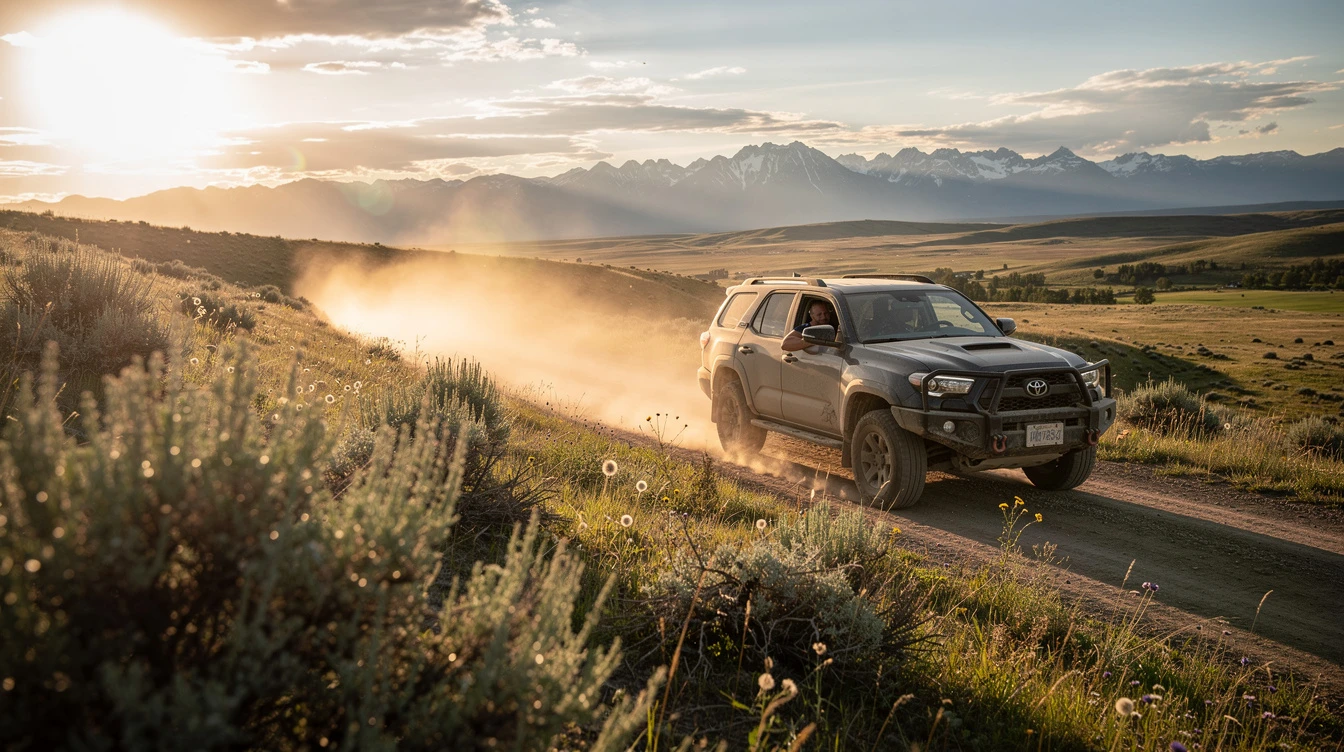
How to Make Your Off-Road Vehicle Street-Ready (So You Can Ride Like the Wind)
Imagine blasting down your favorite trail in your side-by-side, then cruising straight into town without loading it on a trailer—sounds like the ultimate freedo
· By Dirt Legal

Can You Drive a Side-by-Side on the Road?
Whether you can drive a side-by-side on public roads depends entirely on where you live, according to the Specialty Vehicle Institute of America.
Some states—like Arizona and Montana—allow it once your vehicle meets equipment and registration requirements. Others, like California and New York, make the process extremely difficult because of strict emissions and safety standards.
Your first step should always be researching your state’s rules before spending money on modifications.
Can You Ride a Dirt Bike Around Town With Only an Off-Road Registration?
Registering your dirt bike for off-road use does not mean you can ride it on public streets.
If your bike isn’t fully street-certified and plated, riding it around town could lead to tickets, fines, or even arrest for operating an unregistered vehicle.
To ride on public roads, your dirt bike must meet full street equipment standards, including:
Headlights
Brake lights
Mirrors
A horn
DOT-approved tires
It must also be titled, registered, and insured for road use. Skipping these steps puts you at risk every time you hit the pavement.
Side-by-Side Street-Ready Requirements
To make your side-by-side road-approved, you’ll typically need equipment such as:
Headlights
Taillights
Brake lights
Turn signals
Mirrors
A horn
DOT-approved tires
A license plate bracket with illumination
These requirements are outlined by the American Association of Motor Vehicle Administrators. Missing even one required feature can cause inspection failure or lead to a ticket on the road.
Road-Approved UTVs: Registration and Insurance Essentials
Once your vehicle has the right equipment, the next step is registration with your local DMV, proof of ownership, and liability insurance that meets your state’s minimum coverage requirements.
According to the Insurance Information Institute, driving without insurance on public roads can result in fines that often exceed $500 per violation, depending on the state.
Why Making Your UTV Street-Certified Is Worth It
Getting your UTV street-certified unlocks a completely different ownership experience.
Instead of hauling your machine on a trailer, you can ride directly from your house to nearby trails or around town.
According to the Off-Road Business Association, nearly 70% of UTV owners ride twice as often after making their side-by-side road-approved.
A registered machine is also often worth more when it comes time to sell.
Before you hit the trail, check out this guide:
How to Get Your Off-Road Ride Ready for Maximum Freedom
Can-Am Street-Ready: What to Know About Popular Models
Popular Can-Am models like the Maverick, Commander, and Defender include features that can make the transition easier.
According to the Can-Am Owner’s Manual, many models come equipped with:
Wiring harnesses that support turn signals
Durable frames for mounting mirrors
Electrical systems capable of supporting road equipment upgrades
However, these vehicles are still sold as off-road machines and must meet state equipment and registration requirements before they can be driven on public roads.
Turning Your UTV From Trail Machine to Road-Approved Ride
Before buying parts or installing upgrades, research your state’s requirements carefully.
Resources like DMV.org recommend reviewing state equipment and registration rules before purchasing modifications.
A smarter approach includes:
Learning your state’s requirements
Installing the required equipment
Saving receipts for parts and upgrades
Completing the registration process
Once everything is in place, your off-road vehicle can become a fully road-approved ride.
The Street-Ready Process Explained
Every state has different requirements for UTVs used on public roads, according to the National Conference of State Legislatures.
In most cases, the process includes:
Researching eligibility requirements
Installing all required safety equipment
Obtaining liability insurance
Completing vehicle registration
Passing a vehicle inspection if required
Only after completing these steps will your vehicle be approved for road use.
Don’t Forget Local Rules
Even when a state allows road-approved UTVs, cities and counties can impose stricter rules.
The National Conference of State Legislatures notes that local ordinances may:
Restrict which roads UTVs can use
Limit operating hours
Ban them entirely within certain areas
Always check city and county regulations before riding beyond your usual routes.
Can You Drive a UTV on Public Roads?
Yes—if your UTV is properly equipped, registered, insured, and compliant with both state and local requirements.
Skipping any of these steps can result in fines, vehicle impoundment, or worse.
By understanding the rules, installing the right equipment, and completing the necessary paperwork, you can transform your side-by-side from a trail-only machine into a street-ready ride built for real freedom.
Ready to ride like the wind without worrying about flashing lights in your rearview? Start the process today and make every mile count.