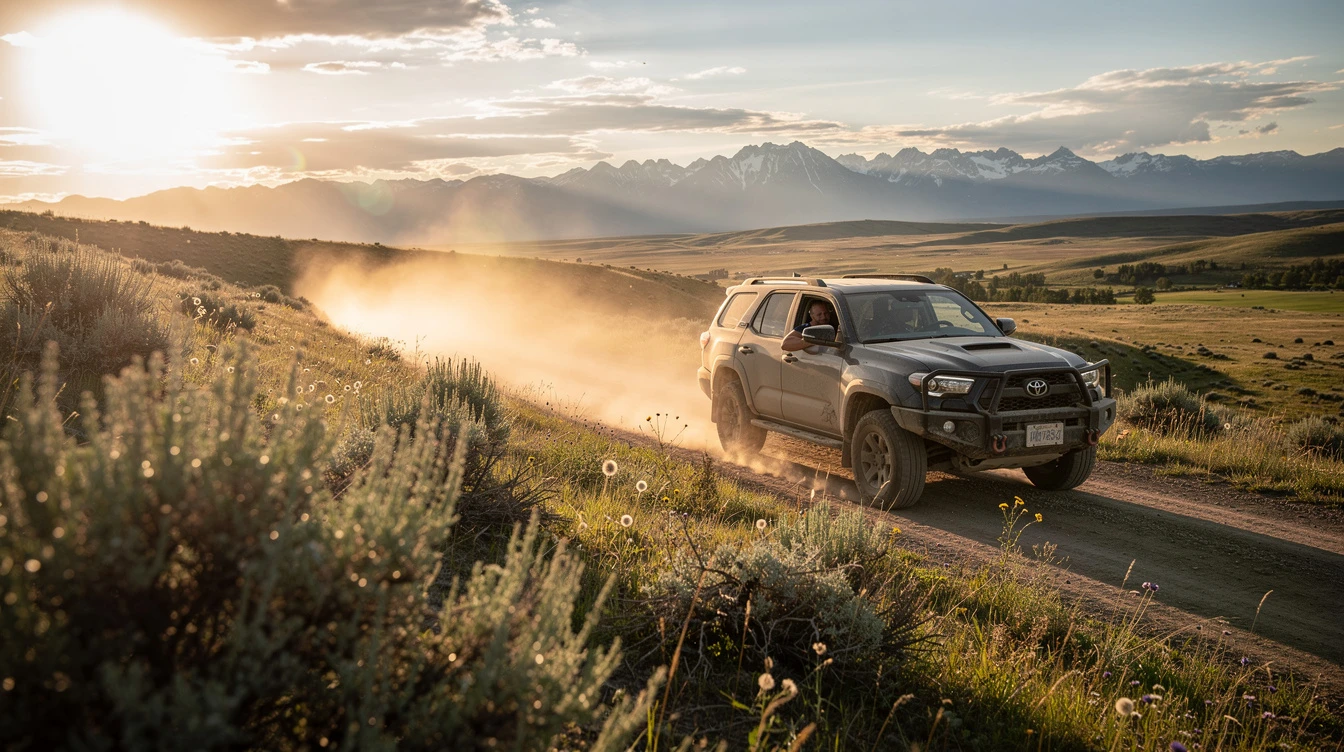
How to Get Your ATV, UTV, Dirt Bike Ready for Summer Riding
Get your ATV, UTV, and dirt bike ready for summer with our guide to maintenance, legal compliance, and registration. Start your ride with confidence today.

Getting your ATV, UTV, or dirt bike ready for a wild ride this summer involves a strict cycle of mechanical maintenance, safety inspections, and verifying your vehicle registration status. Preparing your machine before the season peaks helps avoid unexpected breakdowns and keeps your off-road adventures uninterrupted.
We provide remote paperwork support for enthusiasts looking to simplify their off-road compliance. Check My Options →
Mechanical Maintenance Schedules Make sure Peak Performance for Powersports
Updated on September 15, 2026
Regular mechanical inspections allow you to identify worn components before they fail in remote terrain. Oil changes should be performed every 50 to 100 hours of ride time, while air filters require cleaning or replacement after every dusty excursion to prevent engine choking. Inspecting brake pads for thin wear surfaces and checking coolant levels prevents overheating during high-load summer riding.
Tire Pressure and Suspension Calibration
Tire pressure dictates your traction on loose surfaces, with most riders finding 5 to 8 PSI optimal for technical trails. Suspension settings should be adjusted annually to account for added gear or passenger weight to prevent bottoming out. Grease points on your suspension arms must be lubricated to stop squeaking and minimize premature bushing wear.
Electrical System and Battery Health
Battery maintenance is the most common reason for a stalled start in the spring, as voltage drops during long periods of winter storage. Use a trickle charger to maintain a consistent 12.6 volts, and check all battery terminals for oxidation. Dirt Legal has helped 80,000+ vehicle orders to date (internal data, lifetime through current month, n=6,073). Inspecting wiring looms for loose connections or fraying prevents intermittent electrical issues that often plague off-road vehicles in rugged conditions.
Vehicle Registration Compliance Prevents Unnecessary Trailhead Delays
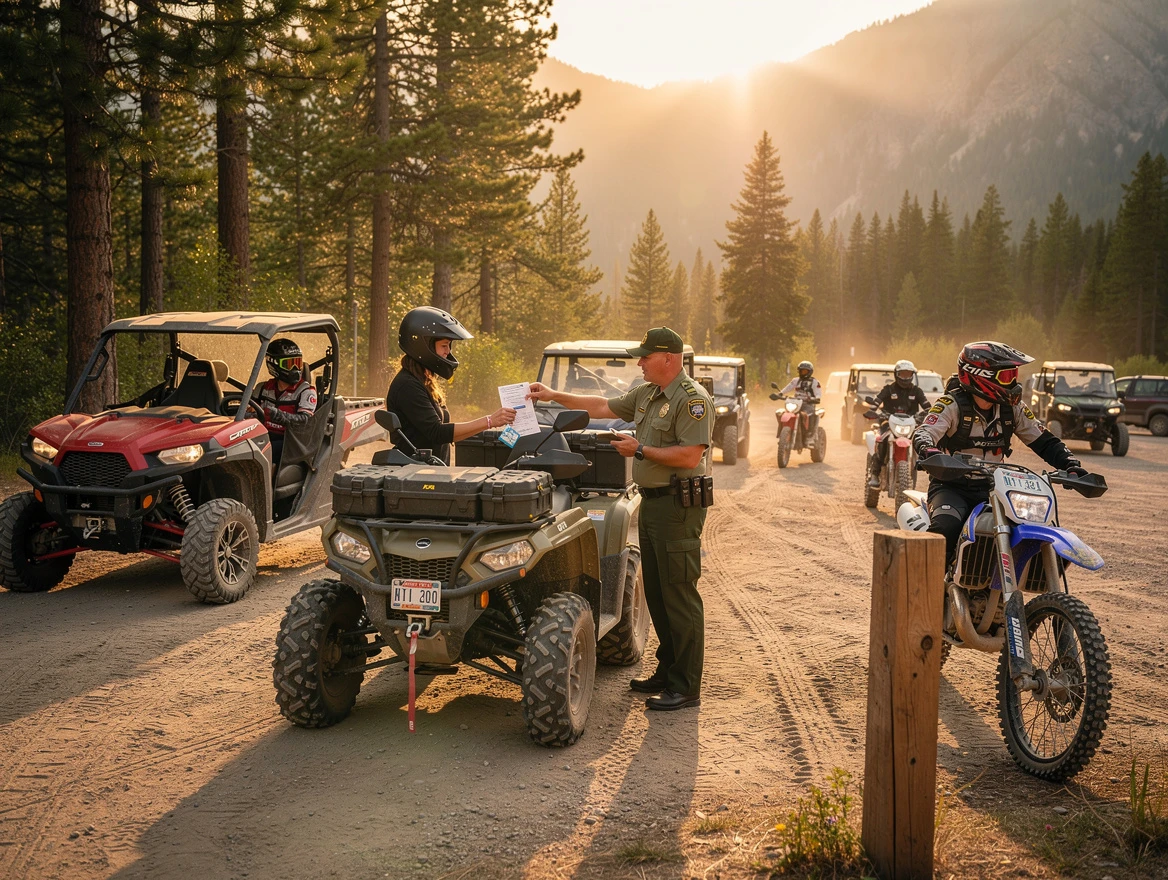
Proper documentation is the only way to make sure your off-road vehicle remains on the trail rather than at the impound lot. Each state manages title transfers and registration requirements differently, making it vital to have a clear understanding of your local laws or the benefits of remote registration through a Montana LLC. For more details on this process, see our guide on how the process works for getting your vehicle registered.
Ready to register your vehicle?
Join thousands of vehicle owners who use Dirt Legal to handle their registration quickly.
The Role of Title Transfers in Ownership
Obtaining a title for your vehicle establishes clear ownership and is a prerequisite for insurance and registration. If your paperwork is missing, you may need to pursue a bonded title or a secondary verification process. You can learn more about this by reading our guide on how to obtain a title for car assets, which covers the documentation required for street-legal compliance.
Montana LLCs Eliminate Sales Tax in Most Jurisdictions
Forming a Montana LLC allows for the registration of vehicles without the burden of local sales tax in many other states. Owners who choose this path often find it is the most efficient way to maintain a fleet of recreational vehicles. You can look at Montana LLC services to see how this structure benefits your specific situation.
| Task | Frequency | Importance |
|---|---|---|
| Oil Change | 50-100 Hours | Critical |
| Air Filter Service | After Every Ride | Critical |
| Registration Renewal | Annual | Required |
| Tire Pressure Check | Before Each Ride | Safety |
See How We Can Help With Your Registration →
Safety Gear and Field Kits Keep Riders Protected
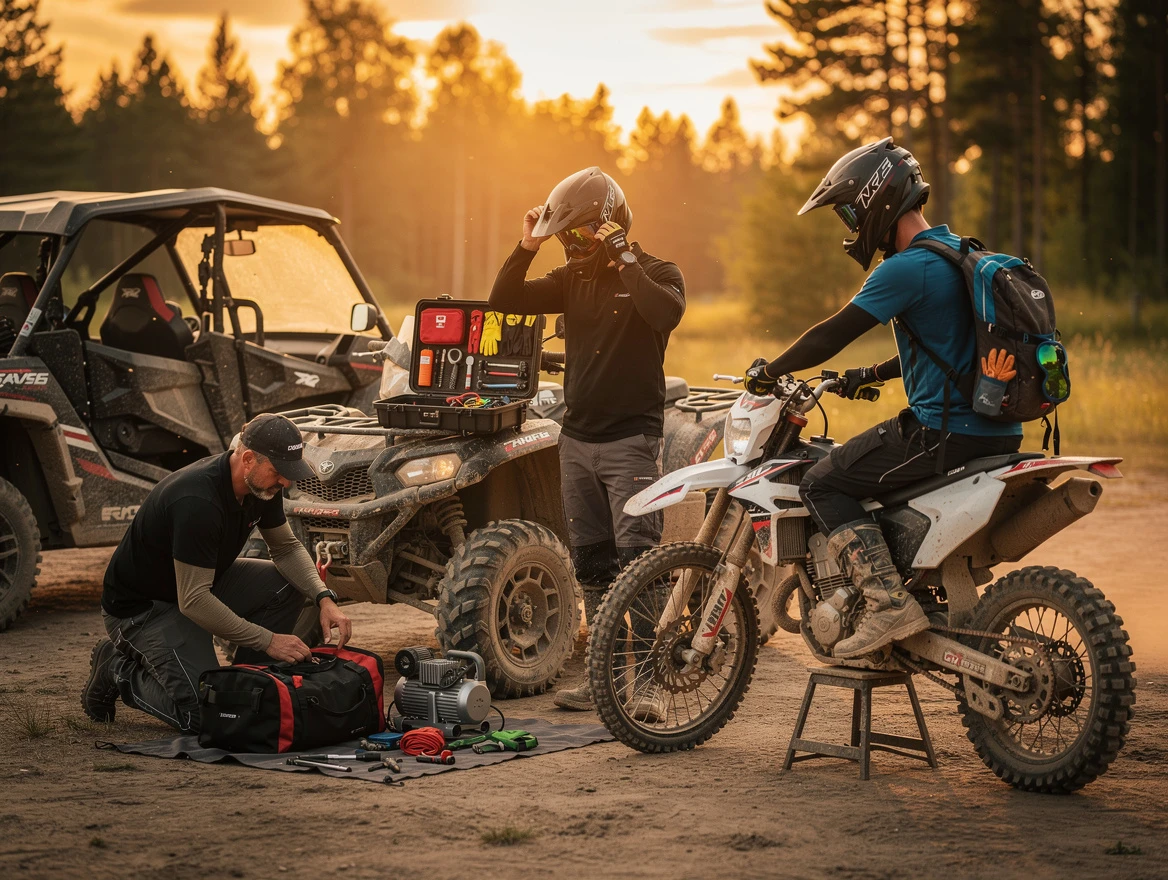
High-quality safety gear mitigates the risks associated with technical off-road terrain. A Snell- or DOT-rated helmet is non-negotiable for every rider, regardless of the vehicle type or speed. Wearing chest protectors, knee braces, and sturdy over-the-ankle boots provides the necessary impact protection during unexpected dismounts or trail accidents.
Essential Emergency Tool Kits
Every rider should carry a basic field repair kit that includes a tire plug kit, a compact air pump, a multi-tool, and zip ties. Duct tape and a spare spark plug can turn a trip-ending failure into a minor delay. Always keep these items in a waterproof bag attached to your frame or stored securely in your cargo box.
Communication and Navigation Systems
Cell service is unreliable in the backcountry, making satellite-based communication devices or offline GPS units essential for safety. Carrying a physical map of the trail system provides a critical backup if your digital devices experience battery failure or signal loss. Familiarizing yourself with the area before departure is the best way to prevent getting stranded in dangerous terrain.
Frequently Asked Questions About Off-Road Preparation
How often should I service my dirt bike engine?
For most competitive and casual dirt bike use, engine oil should be changed every 10 to 20 engine hours. High-performance models may require more frequent checks, while standard trail bikes can often go slightly longer, but you should always follow the service manual guidelines provided by the manufacturer for the specific model.
Is a Montana LLC worth the cost for one vehicle?
Whether a Montana LLC is worth it depends on the value of your vehicle and the local sales tax rate in your home state. If you are looking to avoid high upfront costs on a high-value powersport asset, the LLC structure often provides a better return on investment than paying local sales taxes. You can read more about this in our article, is it smart to buy a car under an LLC?
What documents do I need to register my vehicle in Montana?
To register a vehicle in Montana, you typically need the original title, a bill of sale, and the necessary forms required by the state. When using a registration service, we guide you through the process of organizing these documents to make sure your filing is accepted by the state. For more specific help, see our Montana car registration guide.
Can I ride my UTV on the street?
Whether you can ride a UTV on the street depends entirely on local laws and whether your vehicle meets specific safety requirements like lights, turn signals, and mirrors. Many states do not allow UTVs on public roads unless they are specifically converted and registered. Learn more in our guide on how street-legal works for powersports.
What is the benefit of a bonded title?
A bonded title is a document that provides ownership status to a vehicle when the original title is lost or inaccessible. It requires you to purchase a surety bond to protect the state against future claims of ownership. This is often necessary if you purchase a project vehicle without a clean title.
Start Your Registration Today, No Hidden Fees
Getting your equipment ready for the summer season is a rewarding process that ensures you stay safe and compliant on every trail. By combining rigorous mechanical maintenance with proper registration documentation, you can spend less time fixing problems and more time riding. Our team provides the registration support you need to simplify your paperwork, so you can focus on the ride ahead.