How to Avoid Accidents: Essential Tips for Safety
Learn how to avoid accidents with essential tips for safety on the road. Protect your vehicle, keep compliant documentation, and drive defensively.
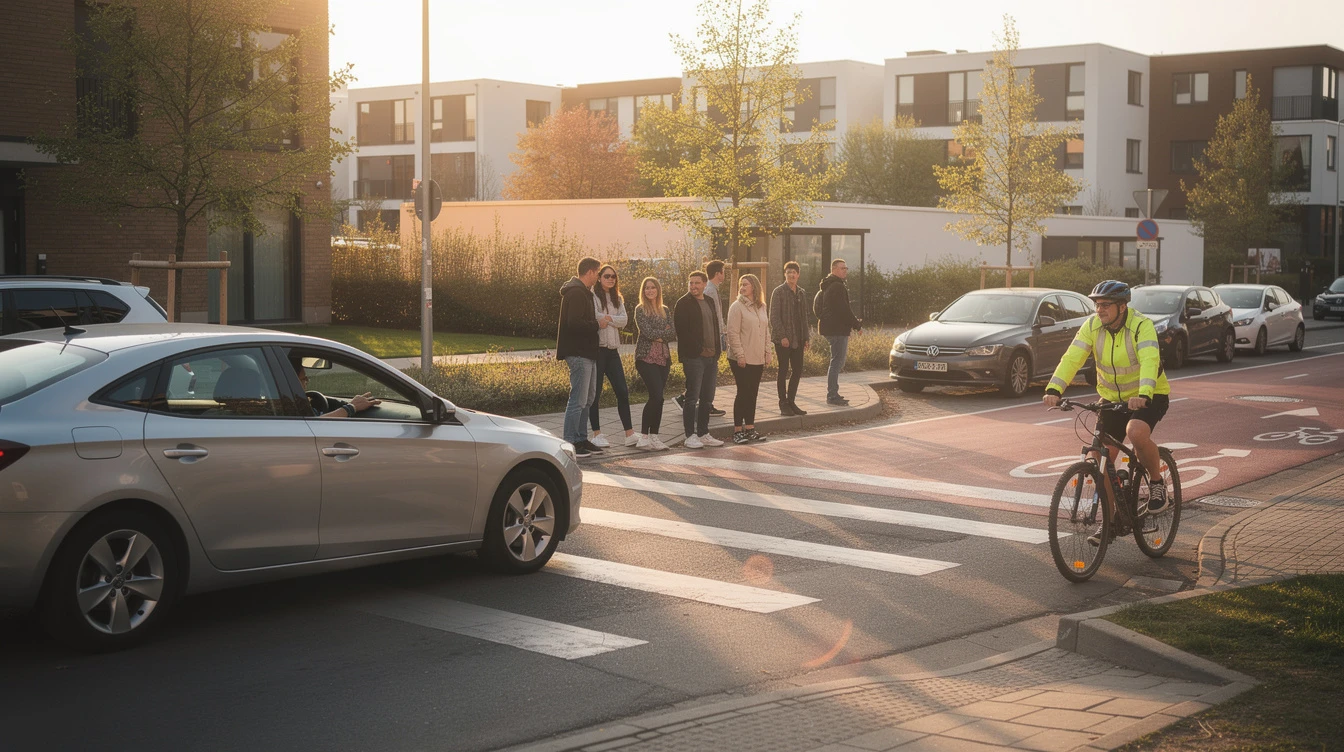
To prevent motor vehicle collisions, drivers must maintain minimum following distances, practice defensive hazard scanning, control operating speeds, and maintain roadworthy, properly registered equipment. Practicing active situational awareness prevents the majority of roadway crashes caused by distraction or improper spacing. Following these baseline behaviors ensures that drivers protect their lives, avoid severe liability, and keep their motor vehicles operating compliantly across all jurisdictions.
Understanding roadway risks requires looking at both operational driving habits and behind-the-scenes administrative readiness. Whether you operate a standard passenger car, an elevated sports vehicle, or a converted powersport machine, accident prevention begins long before your tires touch public pavement. This complete guide outlines the critical mechanical, and operational protocols needed to safeguard yourself and others while operating on public roadways.
Defensive Driving Principles Prevent Over 90% of Multi-Vehicle Crashes
Updated on September 23, 2026
Defensive driving is defined as a systematic operational method where motorists proactively identify potential roadway hazards and anticipate erratic behavior from other drivers. Data from federal highway records indicates that human error contributes to approximately 94 percent of all catastrophic roadway collisions. Mastering basic defensive maneuvers gives you the margin of error required to evade reckless motorists.
How Do You Implement the Three-Second Following Rule?
Space management serves as your primary defense against sudden stops. Under standard dry conditions, you should pick a stationary marker like an overhead sign or utility pole. When the vehicle in front passes that object, count three full seconds before your front bumper crosses the identical mark.
At speeds exceeding 55 miles per hour, or during heavy precipitation, double your visual gap to at least six seconds. Lengthening this cushion accounts for mechanical lag in your braking system and natural human reaction intervals. Remember that heavy commercial rigs and RV haulers require substantially more stopping room than passenger sedans.
What Are the Best Visual Scanning Routines in Dense Traffic?
Tunnel vision invites disaster. Professional drivers apply visual lead times extending 12 to 15 seconds ahead of their path, which translates to roughly a quarter-mile down highway corridors. Scanning far ahead prevents sudden braking cycles when forward traffic patterns slow down.
Check your side and rearview mirrors consistently every five to eight seconds. Establishing continuous awareness of your spatial surroundings ensures you always have an escape lane available if a trailing motorist fails to stop compliantly.
How Does Speed Disparity Directly Cause Highway Accidents?
Operating substantially faster or slower than surrounding traffic elevates crash probability drastically. Highway research shows that traveling 10 miles per hour below the average prevailing speed creates friction and triggers dangerous passing maneuvers by third-party drivers. Matching prevailing traffic conditions while respecting posted municipal limits protects everyone on the pavement.
Managing traffic conditions also connects directly to mechanical road readiness. Drivers who overlook mechanical upkeep or fail to verify their equipment baseline run a higher risk of roadside failures that prompt serious multi-car pileups.
Proper Mechanical Maintenance and Equipment Verification Eliminate Roadside Breakdowns
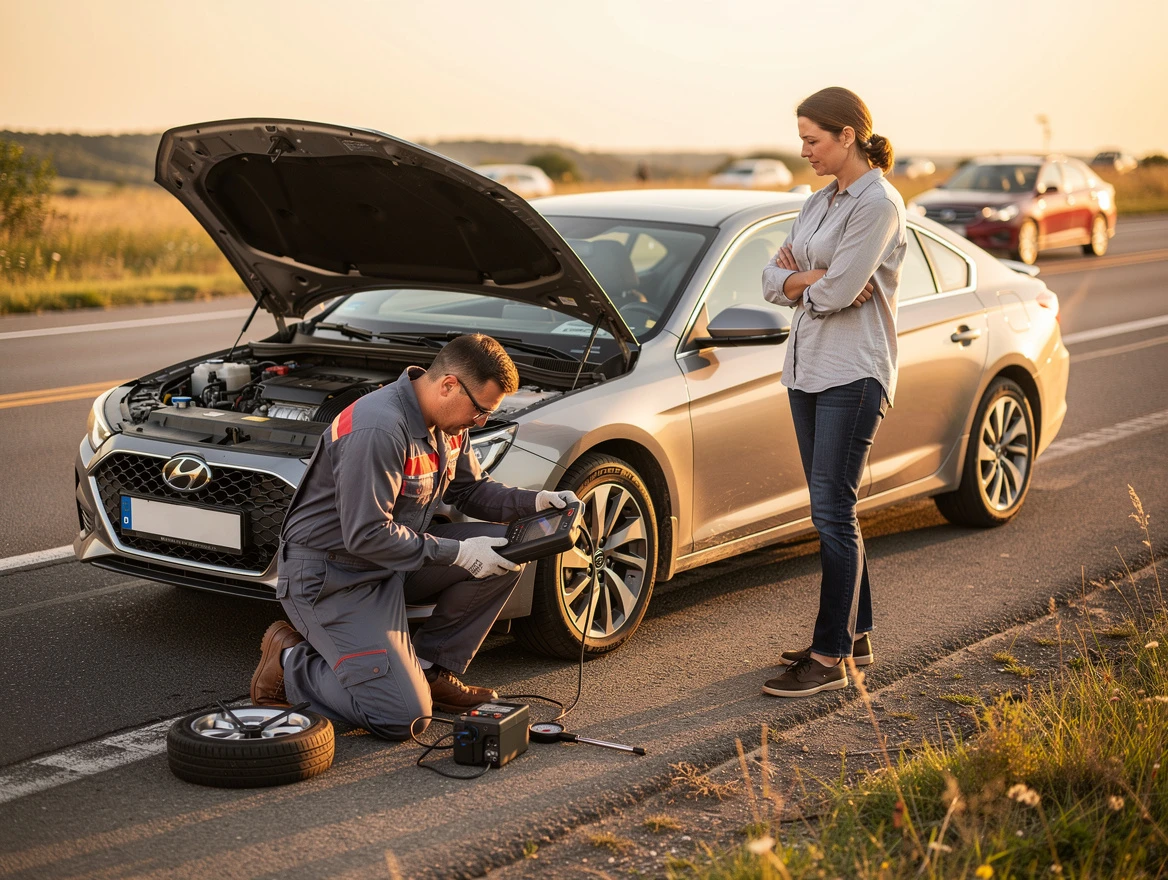
Vehicle roadworthiness is defined as the verified operational condition of an automobile meeting all mandatory mechanical standards to operate safely on public roads. Mechanical neglect causes approximately 45,000 avoidable vehicle crashes annually nationwide. Inspecting crucial vehicle safety components guarantees reliable vehicle performance when sudden evasive maneuvers become necessary.
Ready to register your vehicle?
Join thousands of vehicle owners who use Dirt Legal to handle their registration quickly.
Which Brake and Tire Checkpoints Keep You Protected?
Braking force relies entirely on adequate friction surfaces and properly pressurized hydraulic circuits. Your brake pads must have at least 3 to 4 millimeters of friction pad material remaining to prevent metal-on-metal rotor damage and catastrophic fade under prolonged deceleration.
Tire pressure should be verified monthly using a dedicated digital gauge rather than relying on automated dash warnings. Operating tires under-inflated by just 25 percent raises blowout risks and increases emergency stopping distances by up to 15 percent on wet asphalt. Confirm tire tread depth remains safely above the standard 2/32-inch wear bar minimum.
Why Do Proper Lighting and Turn Signals Reduce Rear-End Collisions?
Visibility remains your most important communication tool. Defective brake lights account for thousands of rear-end strikes each season because following motorists cannot detect deceleration events quickly. Clean dirty headlight housings to recover lost lumen output and replace failing turn signals immediately to keep signaling compliant with state vehicle codes.
If you build or convert off-road equipment, matching street standards requires specific hardware configurations. You can review parts specifications directly inside our parts and equipment breakdown to guarantee your setup fulfills every road-ready expectation.
| Maintenance Item | Recommended Inspection Interval | Average Replacement Cost | Estimated Safety Risk Level |
|---|---|---|---|
| Brake Friction Pads | Every 10,000 to 12,000 miles | $150 - $350 per axle | High (Braking distance failure) |
| Tire Tread & Pressure | Every 30 days | $600 - $1,200 per set | Critical (Blowout / Hydroplaning) |
| Exterior Signal Lighting | Every 90 days | $15 - $65 per bulb | Moderate (Communication failure) |
| Suspension & Steering Arms | Every 20,000 miles | $250 - $900 | High (Loss of directional control) |
| Windshield Wiper Blades | Every 6 months | $25 - $60 per pair | Moderate (Severe visual impairment) |
Compliant Vehicle Registration and Title Integrity
Chain of title is defined as the unbroken historical paper trail establishing official ownership of an automobile from original manufacture to the present registrant. Roadside safety extends beyond physical components to include compliant licensing, accurate registration paperwork, and active insurance policies. Operating a vehicle with missing titles, non-compliant registrations, or disputed ownership often forces motorists into roadside impound scenarios following minor fender benders.
How Does Administrative Readiness Protect You During an Accident?
When an accident happens, municipal police and private insurance evaluators immediately cross-reference your vehicle identification number against municipal title registries. If your documentation contains title discrepancies or unassigned ownership paperwork, insurance providers can dispute coverage allocations or reject settlement filings outright.
Resolving title hurdles early protects your financial health. If you hold defective ownership paperwork, learning How to title a vehicle without a title: legitimate options and documents needed will resolve title defects before an unexpected roadway collision puts your investment at risk.
What Documentation Mistakes Complicate Post-Collision Claims?
Many vehicle buyers carry unsigned assignment documents or open bills of sale, unaware that state motor vehicle statutes prohibit driving without formal registration. In states like California, navigating standard registration car ca protocols requires timely tax payments and emissions verification within exact filing windows.
Disputed ownership complicates everyday repairs and liability negotiations. Understanding that Title Isn't Always Ownership: The Reality Most People Miss helps owners avoid expensive impounds and protracted civil disputes if an accident damages their equipment.
For owners seeking specialized structures, holding assets inside a corporate entity provides clear benefits. Understanding How Does Registering a Vehicle Through a Montana LLC Work highlights compliant paths for specialty collections, motorhomes, and converted machinery without administrative headaches.
See How We Can Help With Your Registration →
Adjusting Driving Tactics for Hazardous Weather and Low-Visibility Scenarios
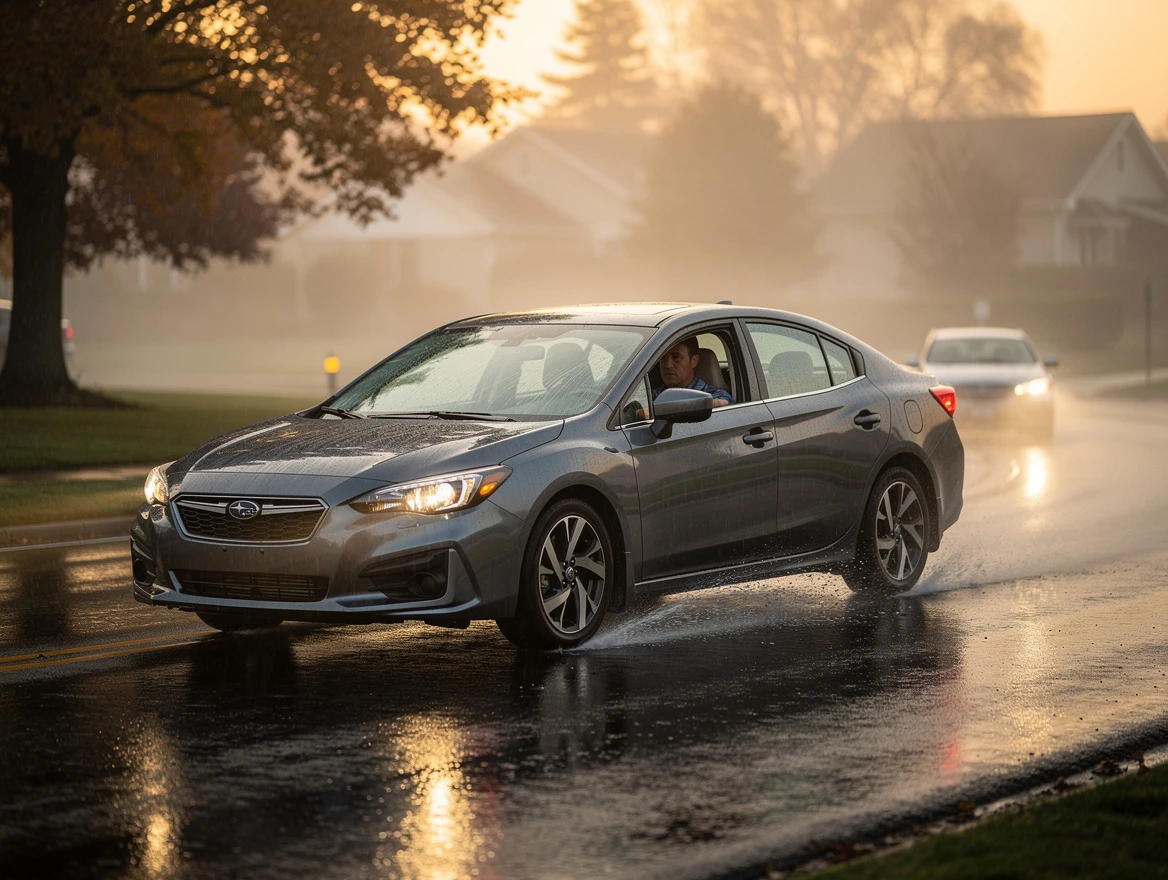
Inclement conditions degrade available traction and shorten driver sightlines dramatically. Driving under heavy cloudbursts, freezing slush, or dense fog requires an immediate adjustment to operational parameters. When roadways grow hazardous, mechanical grip can drop by 50 percent or more compared to dry pavement conditions.
How Should Drivers React to Hydroplaning and Wet Asphalt?
Hydroplaning occurs when water layers build up between tire treads and roadway surfaces, lifting tires completely off the asphalt and removing steering input. When this happens, avoid slamming your brake pedals. Ease off your throttle gradually, hold the steering wheel straight, and allow the vehicle momentum to slow down until tire sipes reconnect with the road surface.
Maintain safe distances from large tractor-trailers in downpours because heavy spray blankets your windshield. Always disable electronic cruise control during rainy conditions, as automated systems can spin drive wheels excessively when seeking traction over standing water.
What Are the Safest Rules for Driving in Fog and Snow?
Dense ground fog scatters light beams erratically. Drivers should activate standard low-beam headlights or specialized fog projectors rather than high beams, which reflect glare straight back into the cockpit. In frozen conditions, accelerate and brake smoothly to prevent vehicle yaw and sliding.
Before venturing into severe conditions, confirm your coverage matches your equipment usage. Finding answers to questions like Will my car insurance renew automatically? makes sure you remain protected if unexpected weather conditions cause an unavoidable slip-off or barrier collision.
Specialty vehicles require extra caution during adverse weather. Looking at Mastering Safety Behind the Wheel for Every Powersport Enthusiast delivers helpful context for managing unique equipment configurations under challenging route conditions.
Eliminating In-Cabin Distractions and Driver Fatigue Keeps Highways Safe
Distracted driving causes more than 3,100 fatalities and an estimated 400,000 injuries across North America each calendar year. Taking your eyes off the highway for five seconds at 55 miles per hour equals traveling the length of an entire football field blindfolded. Minimizing distractions inside the cabin remains essential for modern driving safety.
How Do Mobile Phones and In-Dash Infotainment Impair Reflexes?
Cognitive distraction remains dangerous even with hands-free setups. When motorists converse on phones or browse digital dash systems, reaction intervals slow down by 20 to 30 percent, matching reaction profiles observed in drunk drivers. Configure music playlists, mirror controls, and navigation routes before releasing your parking brake.
Secure loose cargo inside your interior cabin. A rolling water bottle or falling cell phone often tempts operators to look down into footwells, triggering unintended lane departures that result in severe head-on or barrier collisions.
What Are the Proven Ways to Combat Driver Drowsiness on Long Trips?
Drowsy driving causes an estimated 100,000 police-reported crashes annually according to the National Highway Traffic Safety Administration (NHTSA VIN Lookup).
Schedule mandatory rest stops every two hours or 100 miles on long road journeys. If your eyelids feel heavy, exit the roadway into a lighted rest stop immediately. Quick physical movement, adequate hydration, and power naps help reset focus far better than relying on caffeinated energy drinks.
Dirt Legal has completed over 6,000 customer orders to date (lifetime through current month, n=6,187), helping vehicle owners maintain compliant, road-ready documents across the nation.
Frequently Asked Questions About Road Safety and Vehicle Ownership
What is the most common cause of roadway accidents today?
Distracted driving, primarily involving mobile phone use, stands as the leading cause of traffic accidents nationwide. Driver inattention accounts for roughly 25 to 30 percent of all police-reported collisions. Other leading factors include excessive traveling speed, failing to yield at controlled intersections, driving under the influence, and tailgating forward traffic during rush hour slowdowns.
How can proper following distance prevent high-speed collisions?
Maintaining adequate following distances gives your central nervous system time to perceive, process, and react to emergency deceleration events ahead. The standard three-second following gap gives average drivers roughly 1.5 seconds to recognize hazards and another 1.5 seconds to apply brakes firmly, preventing front-to-rear collisions on multi-lane highways.
Does vehicle registration status impact my accident liability?
While registration status alone does not establish fault in a moving collision, operating an unregistered vehicle or one with disputed titles can complicate post-accident investigations. Insurance carriers may scrutinize claims or delay settlements if title records indicate unauthorized ownership transfers or expired state paperwork.
How often should vehicle safety equipment undergo formal inspection?
Tires, wiper assemblies, and primary lighting require visual inspections monthly. Brake friction pads, steering components, and suspension joints should receive hands-on professional inspections every 10,000 to 12,000 miles or during regular oil changes. Timely mechanical maintenance eliminates unexpected equipment failures that frequently trigger multi-vehicle crashes.
What should you do immediately after an accident occurs?
First, verify physical safety, turn on emergency hazard flashers, and move functioning vehicles out of active traffic lanes if permitted by local statutes. Contact emergency dispatchers, seek medical evaluation for any injuries, exchange insurance data, and document vehicle resting positions with mobile photographs before leaving the scene.
Start Your Registration Process →
Learning how to avoid accidents with essential tips for safety gives you total confidence whenever you enter active roadway networks. Pairing watchful driving maneuvers with strict vehicle maintenance schedules and compliant vehicle documentation protects you, your passengers, and your automotive investments against roadway perils.