How to Find Catalytic Converter Serial Numbers Using a VIN
Learn if you can get a catalytic converter serial number with a car VIN. Find how to identify your parts and handle vehicle documentation effectively.
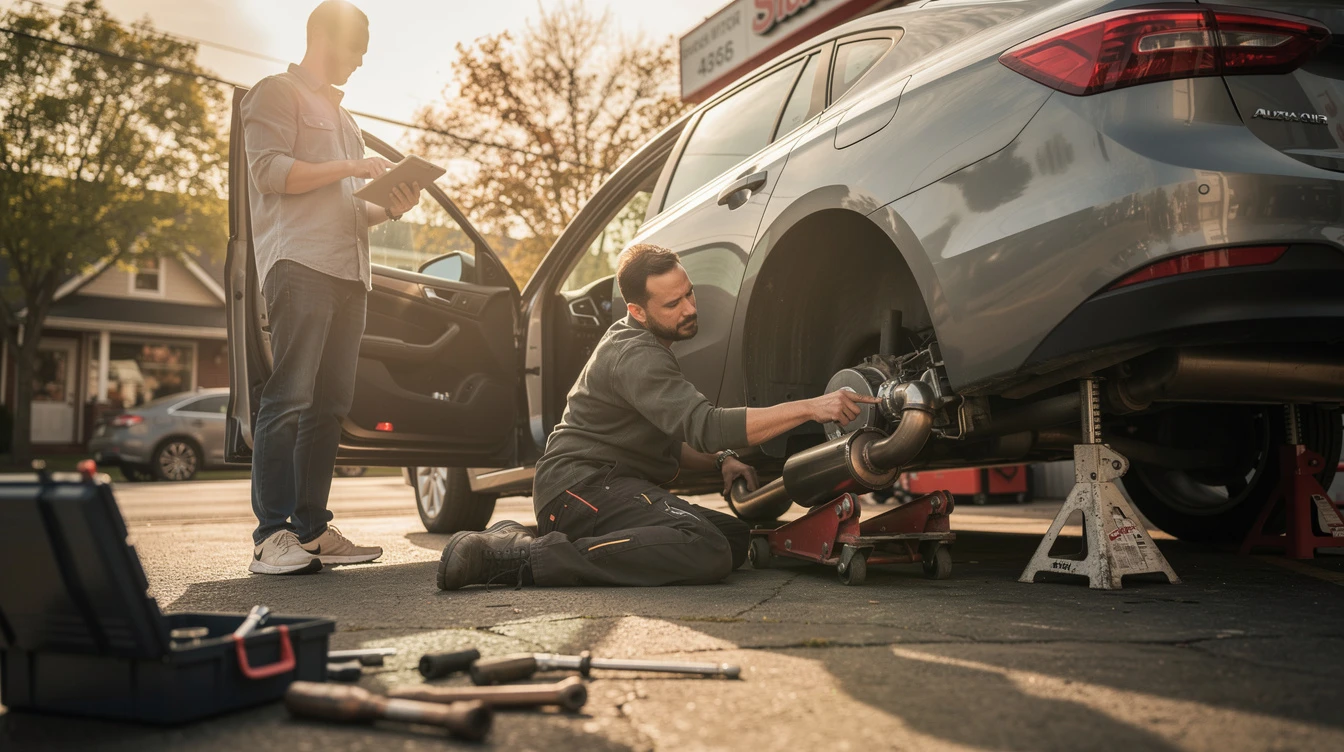
You cannot retrieve a specific catalytic converter serial number directly from a vehicle identification number (VIN) because the VIN is tied to the vehicle chassis rather than individual emissions components. While the VIN provides information about the engine and emissions configuration, manufacturers do not include the specific serial number of the exhaust system or catalytic converter in their digital vehicle databases.
To identify your specific catalytic converter, you must physically inspect the component for the stamped identification number. This number is typically located on the body of the catalytic converter housing, and you may need a flashlight or a mirror to view it clearly if the part is still installed on your vehicle.
Why VINs Do Not Link to Catalytic Converter Serial Numbers
The vehicle identification number is a standardized 17-digit code that identifies the manufacturer, make, model, engine type, and year of your vehicle. It is designed to track chassis history, recalls, and registration status through databases like those maintained by the NHTSA VIN Lookup. Catalytic converters are parts subject to wear, replacement, and aftermarket substitution.
The Difference Between Chassis and Component Tracking
Vehicle manufacturers maintain records of major components like engine blocks and transmissions, but they generally treat exhaust systems as parts rather than primary identifiers. Once a vehicle leaves the factory, the specific part number or serial number on the catalytic converter becomes irrelevant to the central VIN database. If you need to verify your vehicle history, our VIN check service is an excellent resource for understanding your car’s documented past.
Aftermarket versus OEM Parts
If your catalytic converter has been replaced, the new unit will have a completely different identification scheme from the original equipment manufacturer (OEM) part. An aftermarket part carries its own certification stamp, which is essential for passing state-specific emissions testing. These parts do not communicate with the vehicle's computer in a way that allows the VIN to report their unique ID.
How to Properly Identify Your Catalytic Converter
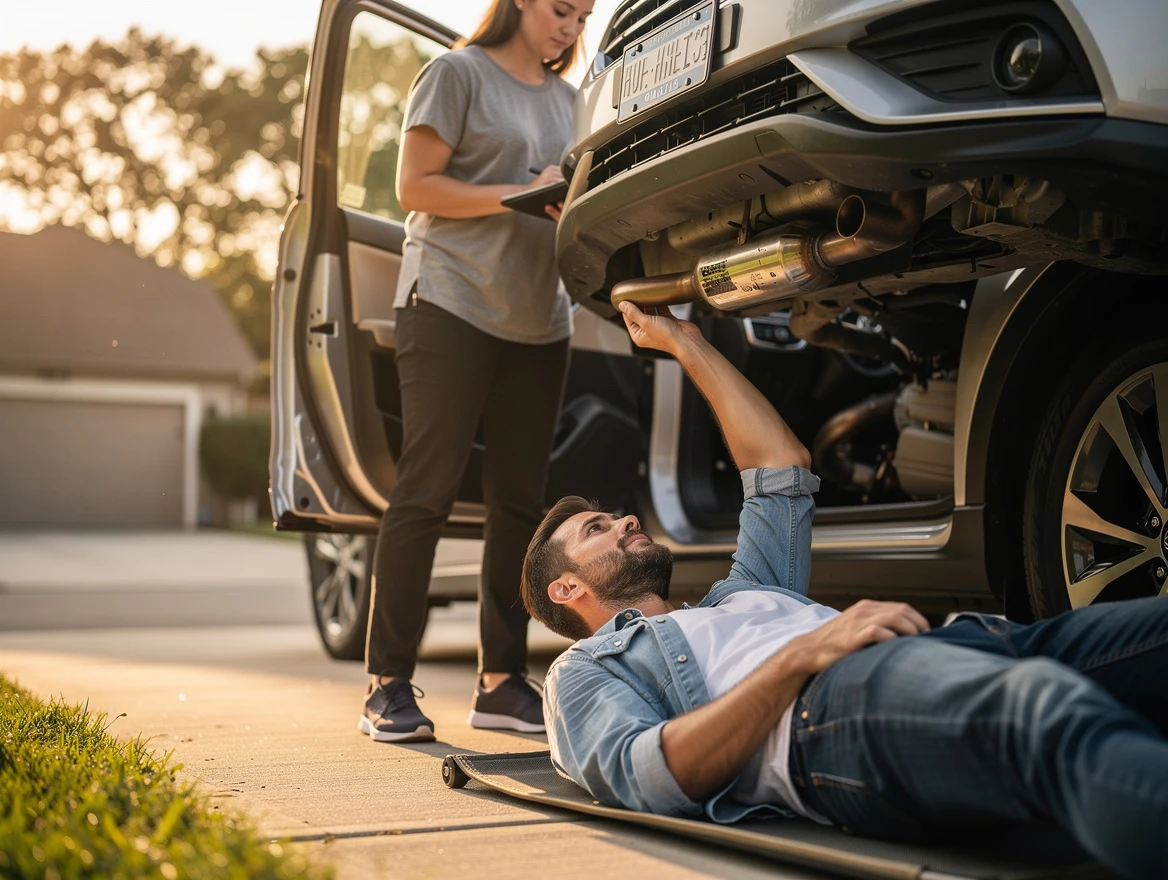
Since you cannot use the VIN, you must look for the physical stamp on the device. This is the only reliable method for matching your part to replacement databases or emissions compliance records.
Ready to register your vehicle?
Join thousands of vehicle owners who use Dirt Legal to handle their registration quickly.
Register Your Vehicle Today →Locating the Stamped Identification Number
Slide under the vehicle or use a ramp to get a clear view of the exhaust pipe. You are looking for a metal plate or a stamped impression directly into the heat shield or the metal body of the converter. The numbers are often etched or embossed and can be obscured by road grime or corrosion. Use a wire brush gently to clean the area until the characters are legible.
Matching the Part to Your Vehicle
Once you have the number, you can use the manufacturer's website or an exhaust catalog to verify that the part is designed for your specific engine configuration. This is helpful if you are concerned about whether a previous owner installed a non-compliant part. If you are verifying ownership or registration history, you may find that What Is the Best Proof of Vehicle Ownership? A Complete Document Guide provides context on how these records interact with Montana registration.
| Task | Can be done via VIN? | Requirement |
|---|---|---|
| Verify Engine Type | Yes | VIN Decoder |
| Find Part Serial Number | No | Physical Inspection |
| Check Emissions Specs | Yes | Vehicle Manual |
| Verify Legal Compliance | Sometimes | Local DMV Records |
Managing Vehicle Documentation and Compliance
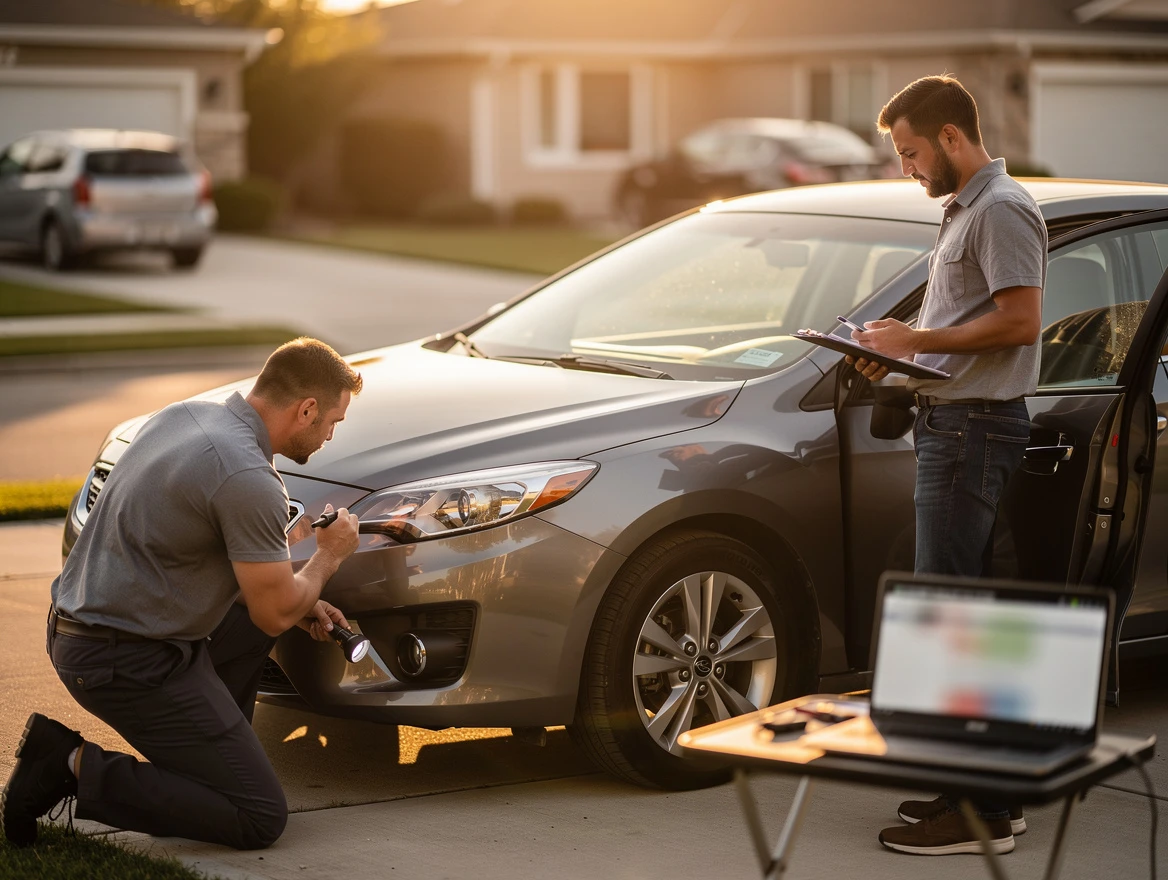
Vehicle documentation is more than just checking numbers. It involves keeping your title and registration current. Dirt Legal has helped 80,000+ vehicle orders to date (internal data, lifetime through current month, n=5,598) with various registration challenges. When you are dealing with modifications or parts, keeping your registration clean is a priority.
The Role of Bill of Sale in Automotive Records
If you purchase a vehicle, a proper bill of sale automotive document is crucial. It creates the paper trail that proves you legally acquired the vehicle and its installed components. This document is often the first thing requested when you perform a vin inspections procedure.
Why Registration Accuracy Matters
Maintaining accurate registration ensures you avoid issues during dmv title transfer processes. If your vehicle was modified, having the correct supporting paperwork helps when updating your records in states like Montana. You can learn more in The Complete Guide to Forming a Montana LLC for Vehicle Registration.
Frequently Asked Questions
Can I tell if my catalytic converter is stolen using the VIN?
No, the VIN will not alert you to a stolen catalytic converter. If you suspect your part was replaced with a stolen unit, you would need to cross-reference the stamped part number on your converter with records from local law enforcement or recovery databases, which is rarely possible for private owners.
What should I do if my catalytic converter serial number is unreadable?
If the number is rusted or illegible, you may have difficulty proving it is the correct part for emissions compliance in strict states. If the part functions correctly, it may pass a visual inspection, but you should consult a certified exhaust shop to determine if the part needs to be replaced to meet state laws.
Does the VIN tell me if I need a specific catalytic converter?
Yes, the VIN tells you the vehicle's engine size and emissions class. When buying a replacement, use your VIN on a parts store website to find the correct, legal replacement part that matches the vehicle's original engineering requirements.
Are there databases for catalytic converter serial numbers?
No, there is no public database that tracks catalytic converter serial numbers by VIN. These parts are categorized by their specific make and model fitment codes, not by a universal tracking number tied to the car's VIN.
How can I make sure my catalytic converter is legal for my car?
Purchase parts through reputable vendors and make sure they are CARB or EPA certified for your vehicle's specific engine type. Always keep your receipts, as these serve as your documentation if you are ever asked to prove the legality of your emissions equipment during a state-mandated inspection.
How do I handle registration if my vehicle has modified exhaust parts?
When you register a vehicle that has been modified, make sure all modifications meet your local state requirements. If you are moving to a new state or need to handle register car in montana, our team can help you understand the paperwork requirements for your specific situation.
While you cannot link a catalytic converter serial number to your VIN, understanding how your vehicle is documented remains vital. Whether you are performing a title transfer or looking into montana plates, keeping your records organized is the best way to handle vehicle ownership.