Drowsy Driving: How to Avoid Falling Asleep at the Wheel
Drowsy driving kills thousands every year. Learn the warning signs, science-backed prevention strategies, and how to stay safe on every road trip you take.
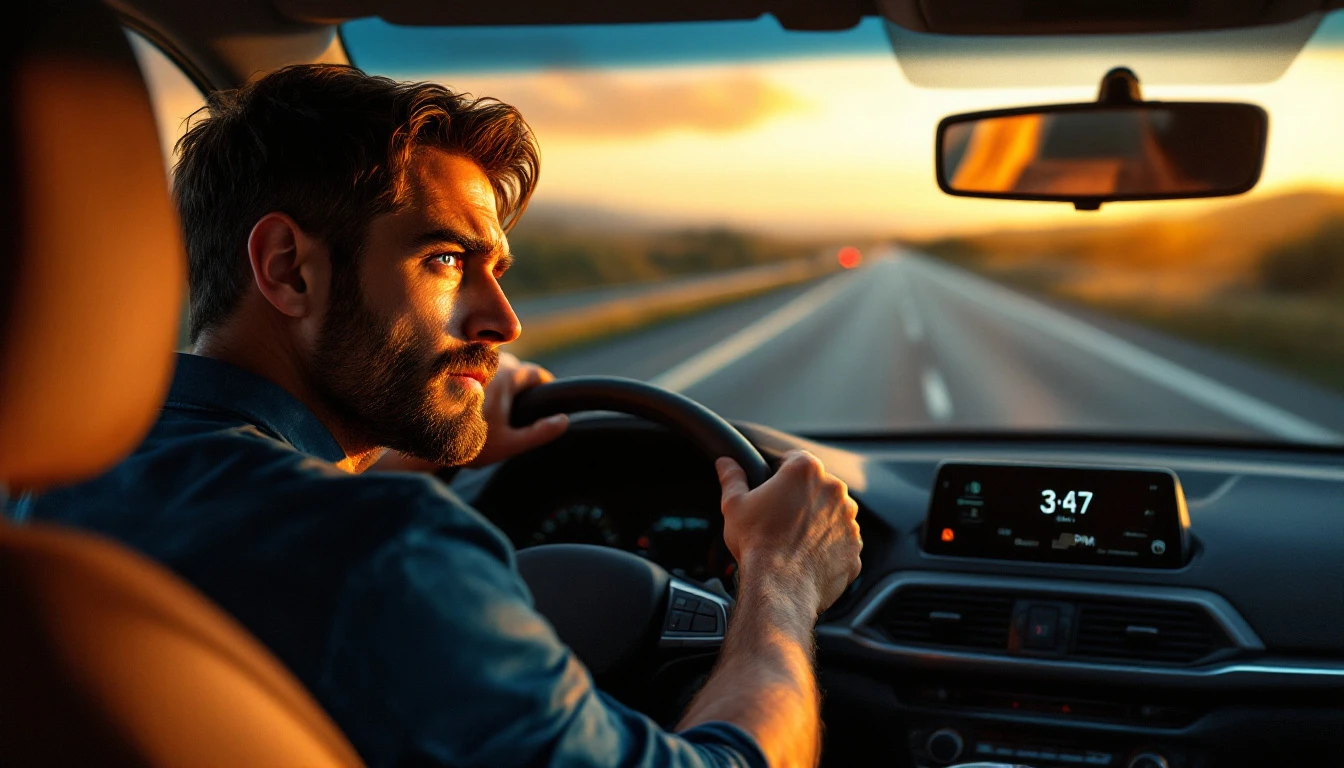
You've probably been there. It's late, the highway is empty, and your eyelids are getting heavy. You crack the window, turn up the radio, and tell yourself you'll make it. Then your front tire drifts toward the rumble strip and your heart nearly stops. That wasn't just fatigue, that was drowsy driving, and it's one of the most dangerous things that happens on American roads every single day.
Drowsy driving impairs your reaction time, judgment, and awareness in ways that mirror alcohol intoxication. According to the National Highway Traffic Safety Administration, drowsy driving is a serious public safety threat responsible for thousands of crashes, injuries, and fatalities annually. The scary part? Most drivers don't recognize how impaired they actually are until it's too late.
This guide covers what causes drowsy driving, how to spot it before it causes a crash, and the most effective ways to stay alert on every road you take, whether you're commuting across town or driving cross-country in your RV.
Why Drowsy Driving Is More Dangerous Than Most People Think
Here's what most people get wrong: drowsy driving isn't just "being a little tired." Your brain doesn't gradually reduce performance, it can shut down in microseconds. These microsleeps, involuntary sleep episodes that last two to thirty seconds, happen without warning. At 60 mph, two seconds of unconsciousness means your vehicle travels 176 feet with no one steering it.
Sleep deprivation compounds this fast. Being awake for 18 consecutive hours produces impairment similar to a blood alcohol content of 0.05%. At 24 hours, that climbs to 0.10%, above the street-legal limit in every U.S. state. The NHTSA estimates drowsy driving caused 684 deaths in a recent reporting year, but researchers believe that number is significantly undercounted because drowsiness is difficult to detect after a crash.
Certain groups face higher risk: shift workers, commercial truck drivers, new parents, and anyone with untreated sleep apnea. Long stretches of interstate, nighttime driving, and driving between 2, 4 a.m. or 1, 3 p.m. (natural dips in the circadian rhythm) all spike the risk considerably.
The good news is that prevention works. Recognizing the warning signs and having a plan gives you real control over the outcome.
Make sure your vehicle is road-ready and properly registered before your next trip. See how it works at Dirt Legal →Recognizing the Warning Signs Before They Turn Fatal
Your body gives you signals before a microsleep happens. The problem is most drivers ignore or misread them. Yawning repeatedly is one of the first signs. Blinking more frequently, struggling to keep your eyes focused, and losing track of the last few miles you drove are all red flags that need immediate action, not willpower.
Drifting between lanes or onto the shoulder is a late-stage warning. If your car has lane-departure alerts going off, your situation is already critical. Missing an exit you know well, reacting slowly to brake lights ahead, or feeling your head nod are all signs that your brain is already in a partially impaired state.
The most honest test is this: if you're asking yourself whether you're too tired to drive, the answer is already yes.
Warning Signs at a Glance
Warning Sign: What It MeansWhat to DoFrequent yawning or blinkingEarly fatigue onsetFind a rest stop within 15 minutesDrifting out of your laneAttention lapsingPull over immediatelyMissing exits or turnsMemory gaps formingStop driving, take a napMicrosleeps occurringCritical impairmentDo not continue drivingSlow reaction to trafficDelayed cognitive processingPull off the road now Proven Strategies to Stay Alert on Long Drives
Caffeine helps, but it's not a substitute for sleep. A cup of coffee takes 20, 30 minutes to take effect, which means the most effective strategy is to drink coffee right before a 20-minute nap. The caffeine kicks in as you wake up, and the brief sleep clears adenosine from your brain. It's called a "nap-a-latte" by sleep researchers, and it genuinely works better than coffee or a nap alone.
Planning matters just as much as in-the-moment tactics. If you're heading out on a long road trip, whether it's a cross-country drive in your registered motorhome or a late-night run back from a trail ride, schedule your departure to avoid peak drowsiness windows. Driving between 6 a.m. and 2 p.m. keeps you in alignment with your natural alertness cycle.
On longer trips, build in stops every two hours. Switch drivers when possible. Don't rely on music, cold air, or conversation to carry you through impairment; these strategies delay the inevitable by minutes, not hours. If you feel drowsiness setting in, the only real fix is sleep.
Honest tip: if your driving companion is also exhausted, two tired people taking turns isn't a safety plan. It's two people gambling with the same bad odds.
Vehicle Condition and Road Readiness: The Overlooked Factor
There's a connection between how prepared your vehicle is and how mentally alert you'll be on a long drive. When you're stressed about whether your registration is current, whether your plates are valid, or whether your paperwork is in order, that mental load adds up. A vehicle that's properly registered and documented lets you focus entirely on driving.
If you're planning a long trip across state lines, having your registration documents correct matters more than most people realize. Outdated plates, lapsed registration, or unclear title situations can turn a routine traffic stop into an hours-long delay, exactly when you don't need added stress on an already-tired drive.
Dirt Legal has completed over 5,000 customer vehicle registration orders to date, helping owners across the country get their paperwork sorted before hitting the road (internal data, lifetime, n=5,136). Having that handled before you leave means one less thing occupying your mind on the highway.
Road trips in UTVs, dirt bikes, and powersports vehicles carry their own documentation requirements. Posts like Oklahoma Street-Legal UTV Requirements: What You Need to Know Before You Ride walk through what street-compliant operation actually requires in specific states, so you're not guessing at a roadside stop.
Before any serious road trip, do a quick vehicle check: tires, lights, fluids, and registration documents. A VIN inspection may also be required if you've recently purchased or transferred a vehicle. Getting these details sorted in advance keeps your focus where it belongs: on the road ahead.
"I had no idea my registration had lapsed until a state trooper pulled me over two hours into a 12-hour drive. It rattled me for the next hundred miles. Now I check everything before I leave.", A Dirt Legal customer, Pacific Northwest
The Bigger Picture: Every Road Trip Deserves a Safe Start
Dirt Legal started because the founders simply wanted to register their own dirt bikes and couldn't find an easy way to do it. Ten years and thousands of orders later, that same problem, too much friction between owning a vehicle and riding it freely, still drives everything we do. We assist with the DMV paperwork so you can focus on the drive.
Drowsy driving and unprepared vehicles are both forms of the same risk: showing up to the road without being ready. You can control both. Get enough sleep before a long trip. Check your vehicle's registration and documentation beforehand. And if you feel fatigue setting in, pull over. No arrival time is worth a crash.
For riders and drivers who want to ride with confidence, our sister brand Ride Legal covers Montana registration for motorcycles, ATVs, UTVs, and other powersports vehicles. And if you've been thinking about forming a Montana LLC for vehicle registration, that guide walks through exactly how the process works, including the tax and cost advantages that make it worthwhile.
Safe driving starts the night before, with a full night of sleep, a registered vehicle, and a plan. That's the whole formula.
Ready to get your vehicle properly registered before your next adventure? Start your registration at Dirt Legal →Frequently Asked Questions About Drowsy Driving
How many hours of sleep do I need to drive safely?
Most adults need seven to nine hours of sleep to drive safely. Studies show that sleeping six hours or fewer doubles your crash risk compared to drivers who slept seven or more hours. If you've had fewer than six hours, treat yourself as impaired and avoid extended highway driving if possible.
Does caffeine actually prevent drowsy driving?
Caffeine helps in the short term, especially combined with a brief nap, but it doesn't eliminate impairment from genuine sleep deprivation. It can mask the feeling of tiredness without restoring the cognitive function you need for safe driving. Use it as a bridge to your next rest stop, not as a long-term fix.
Is drowsy driving treated the same as drunk driving?
In some states, yes. Several states have passed laws that treat drowsy driving resulting in a crash similarly to impaired driving. New Jersey's "Maggie's Law" was one of the first to make driving after being awake for 24+ hours a criminal offense if a crash results. Check your state's specific statutes for details.
What should I do if I feel drowsy while driving on the highway?
Exit at the next rest area, service plaza, or well-lit parking lot. Lock your doors, recline your seat, and take a 20-minute nap. Avoid pulling over on the shoulder of a highway except in a genuine emergency, it's one of the most dangerous places to stop. After your nap, assess honestly whether you're safe to continue.
Can proper vehicle registration reduce road trip stress?
Yes, more than most people expect. Knowing your registration, title, and plates are current removes a layer of background anxiety during long drives. Stress and mental load contribute to fatigue. A hassle-free vehicle registration process handled before your trip means one less thing to worry about on the road.
Does vehicle type affect drowsy driving risk?
It can. Monotonous highway driving in a quiet, comfortable car increases drowsiness faster than engaging roads. Motorcycles and ATVs require active physical engagement, which can temporarily delay fatigue, but they also carry far higher injury risk when a microsleep does occur. No vehicle type makes drowsy driving safe.