Is a Car or Boat Still Yours if Others Paid the Registration?
If a car or boat is registered in your name but you haven't seen it for 16 years, is it still yours if someone else paid the registration fees?
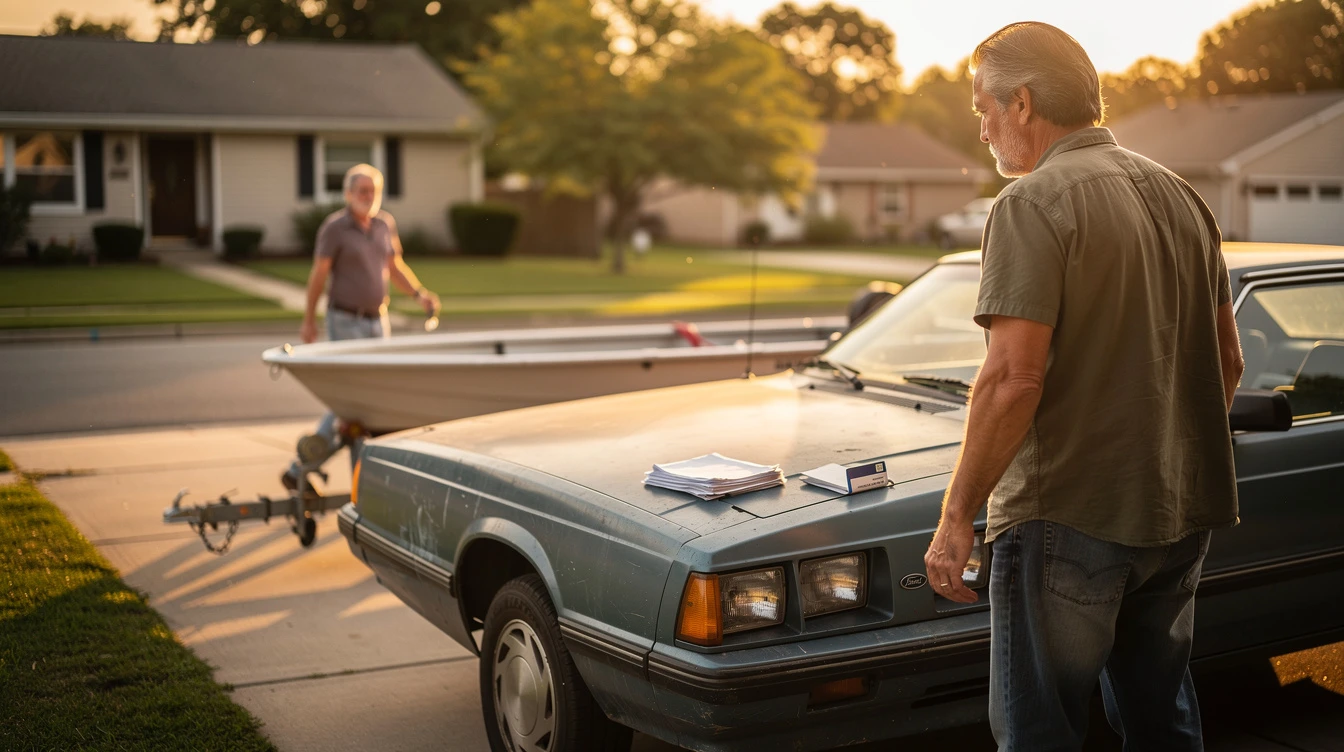
Ownership of a vehicle or vessel is defined by the official title rather than the act of paying registration fees. If a vehicle is titled in your name, you remain the owner regardless of who has been paying the registration taxes or fees for the last 16 years. Registration is an administrative permit to use the asset on public roads or waterways, whereas the title represents the evidence of ownership.
Ownership Versus Registration Status
Many people mistakenly equate registration with ownership. However, in the eyes of the state, these are two very different things. The title is the document that proves you own the car, while the registration is simply a tax-based privilege that allows you to operate it. If you are the owner on the title, someone else paying the registration fees does not grant them any ownership rights over your property.
The Difference Between Title and Registration
A title is a permanent document issued by the state motor vehicle agency. It proves that you are the registered owner of the asset. Registration is a transient, usually annual, contract with the state to pay specific vehicle registration fees in exchange for the right to use the vehicle on public property. Paying registration fees is a financial obligation, not a transfer of ownership.
Why Someone Else Paying Fees Does Not Mean They Own It
If another person has been paying the registration fees for your vehicle for 16 years, they have essentially just been paying the state a fee to use an asset that belongs to you. In most jurisdictions, you cannot gain title to a vehicle simply by paying its registration. The title can only be transferred through a formal bill of sale or a specific process involving the original title holder.
Risks Associated With Abandoned Vehicles
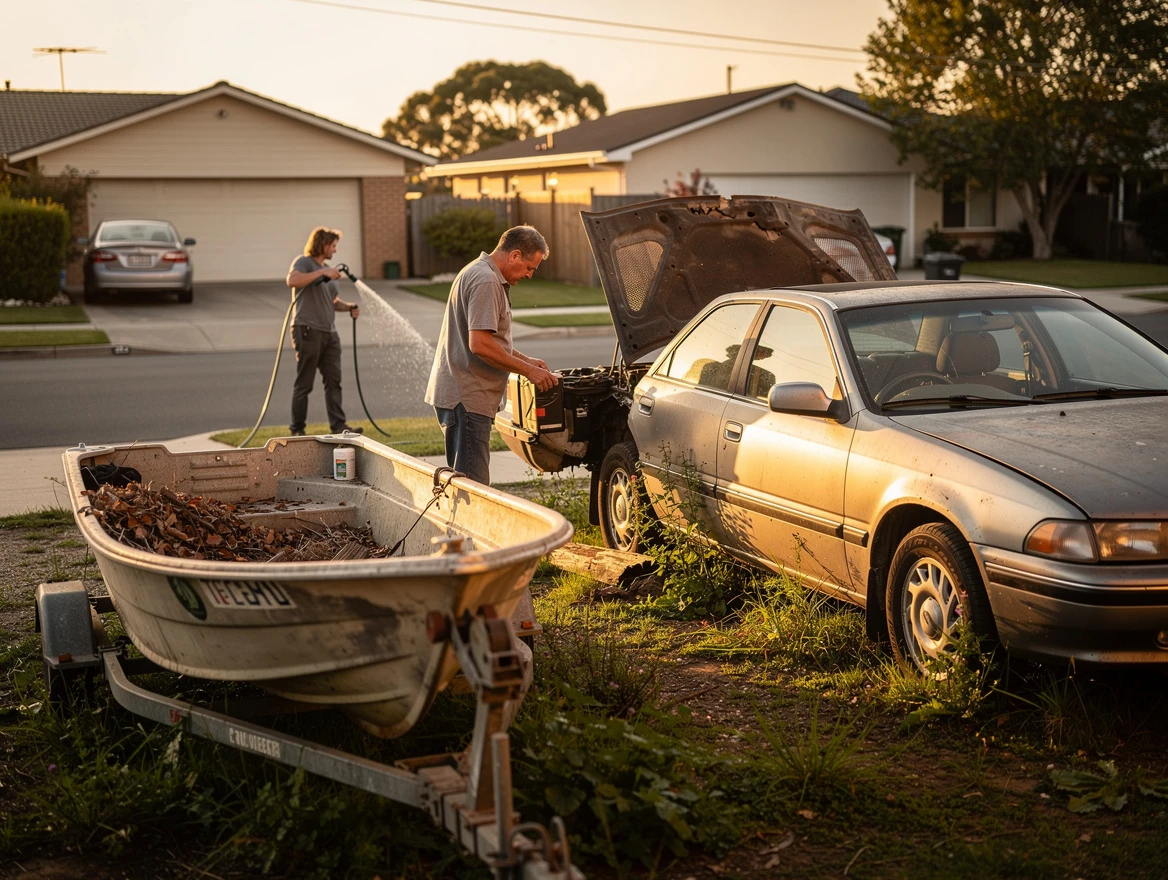
Even if you are the owner of a vehicle you haven't seen in years, there are significant risks involved. If the vehicle is currently being operated by someone else, you may still be liable for damages or traffic violations depending on your state of residence. You should investigate the current status of the asset immediately.
Ready to register your vehicle?
Join thousands of vehicle owners who use Dirt Legal to handle their registration quickly.
Liability for Damages and Infractions
When you are the owner, your name is attached to the record. If the person currently using the vehicle causes an accident or racks up parking tickets, you could be named in lawsuits or face financial penalties. This is why verifying your status through an official VIN check is a smart first step to protect your assets.
Potential for Liens and Seizure
If the person paying the registration is also racking up fines or storage fees, the state or a towing company might eventually place a lien on the vehicle. If you do not resolve these outstanding issues, the vehicle could be seized or auctioned off by the authorities to satisfy the debt, regardless of your status as the original owner.
How to Reclaim Your Property
If you have decided you want to reclaim an asset that is still in your name, the process starts with securing the official documents. You may need to obtain a duplicate title if the original was lost over the last 16 years. Many owners find success using professional Montana LLC services to manage title recovery for assets that have been out of their possession for a long period.
Retrieving Your Title Documents
You must reach out to the Department of Motor Vehicles (DMV) in the state where the vehicle is currently titled. Request a status report to see if the title has been altered or if any liens have been placed against it. If the vehicle is currently registered in a different state, you will need to contact that state agency to understand how they allowed the registration to continue without a title transfer.
Addressing State Specific Requirements
Every state has different rules regarding registering a car in Montana or other jurisdictions. If you decide to move the vehicle into your name properly, you must follow the correct local procedure for title transfers. Dirt Legal has helped 80,000+ vehicle orders to date (internal data, lifetime through current month, n=5,903).
| Process Stage | Recommended Action | Timeline |
|---|---|---|
| VIN Search | Verify ownership and lien status | 1-3 Days |
| Title Recovery | Contact state MVD for duplicate title | Variable |
| LLC Formation | Protect assets during recovery | 1-2 Weeks |
| Final Registration | Complete transfer of assets | 3-4 Weeks |
See How We Can Help With Your Title Recovery →
Common Misconceptions About Vehicle Title Recovery
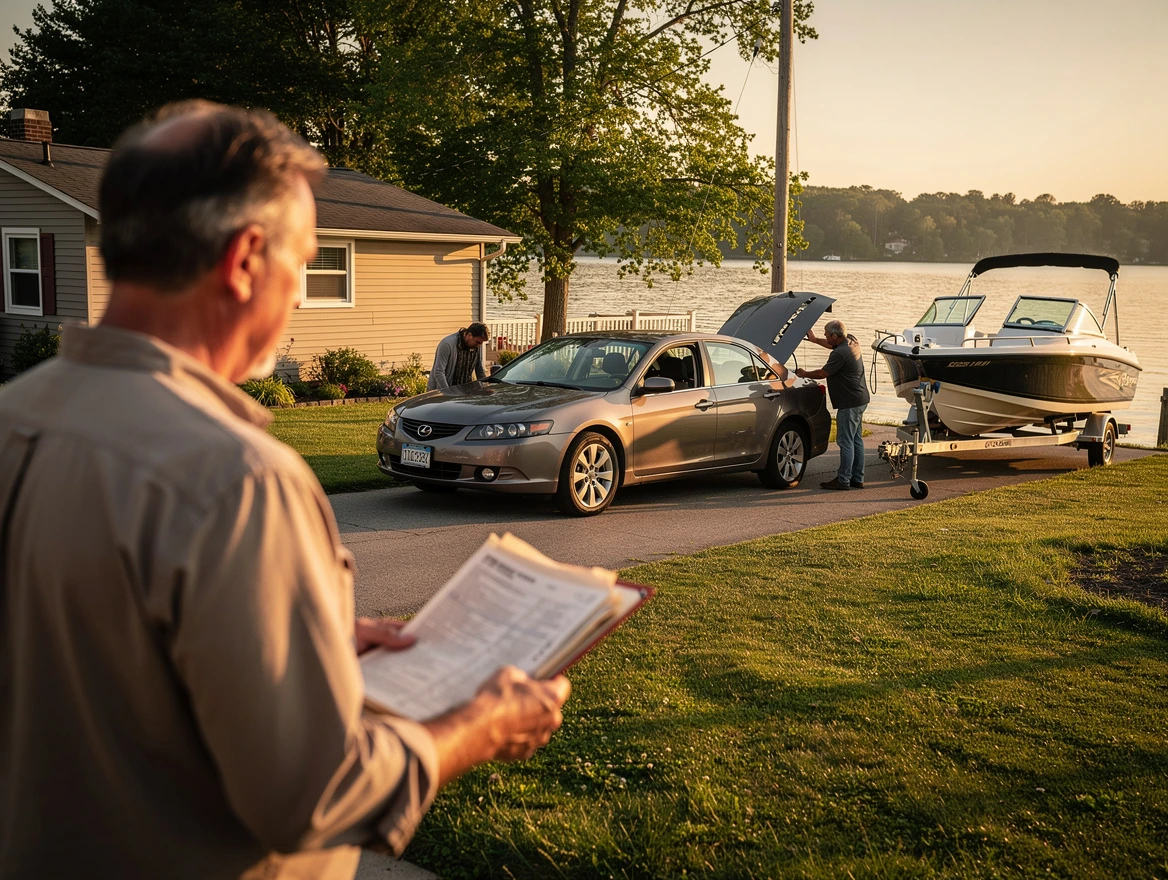
There is a lot of misinformation about what happens to old vehicles. Some assume that after a certain number of years, the state automatically transfers ownership to the person paying the fees. This is generally false. Unless the vehicle was abandoned and processed through a court-ordered procedure, your name remains the primary indicator of ownership.
Abandonment Laws
Vehicles are not automatically abandoned just because they were moved or neglected. Abandonment laws typically require a specific notification process, often including attempts to reach the owner of record. If the person using your vehicle did not follow these court-mandated steps, they have no claim to the vehicle.
The Role of Title Jumping
Be aware that Title Jumping is More Illegal Than Jumping a Car. If the person using your vehicle sold it to someone else without your signature, that transaction is invalid. This means you likely still hold the right to the asset, though resolving the paperwork may be difficult.
Frequently Asked Questions
Can someone claim ownership of my car by paying the registration?
No, paying registration fees does not grant ownership. Ownership is tied to the title certificate issued by the state. Without your signature on a bill of sale or an official court order, the person paying the registration has no claim to your vehicle.
What should I do if I find out my vehicle is in another state?
Contact the DMV of the state where it is currently registered. You may need to provide proof of your original ownership to get the records corrected. If the vehicle is a classic or specialty model, you may consider Montana LLC Services to handle the registration moving forward.
Is my vehicle still mine after 16 years?
Yes, your title does not expire simply because of the passage of time. Unless the title was formally transferred to another party through a transaction, you remain the owner of the vehicle.
What if there are parking tickets or liens on my vehicle?
As the owner of record, you may be responsible for these debts. You should immediately look into the vehicle status and consult with local authorities or a professional to determine your financial exposure regarding these charges.
Can I register a vehicle that I haven't seen in 16 years?
Yes, provided you still have a valid title or can obtain a duplicate. You may need to have the vehicle inspected to make sure it meets current safety standards in your state before you can register it again.
How can I protect my vehicle from others using it in my name?
The best way to protect your assets is to maintain a clear trail of ownership and keep your title records current. Using a private registration assistance service can help you manage your paperwork properly and make sure that your registration remains in your name.
Start Your Registration Today, No Hidden Fees
Navigating the reality of an asset you haven't seen in 16 years requires careful documentation. Always prioritize obtaining your title records before engaging with the person currently in possession of the asset, and remember that paying registration fees never grants ownership rights to anyone other than the person named on the title.