Where to Find Your Vehicle Identification Number
Where to find your vehicle identification number? Check the dashboard, door jamb, engine bay, or title. Full FAQ with every VIN location explained clearly.
Your Vehicle Identification Number, commonly called a VIN, is a 17-character code that acts as your vehicle's fingerprint. No two vehicles share the same VIN. You'll need it for registration paperwork, title transfers, insurance quotes, and VIN inspections before titling in a new state. Below are the most common questions we hear about where to find a vehicle identification number, answered straight.
Frequently Asked Questions About Finding Your VIN
Where is the VIN on a car?
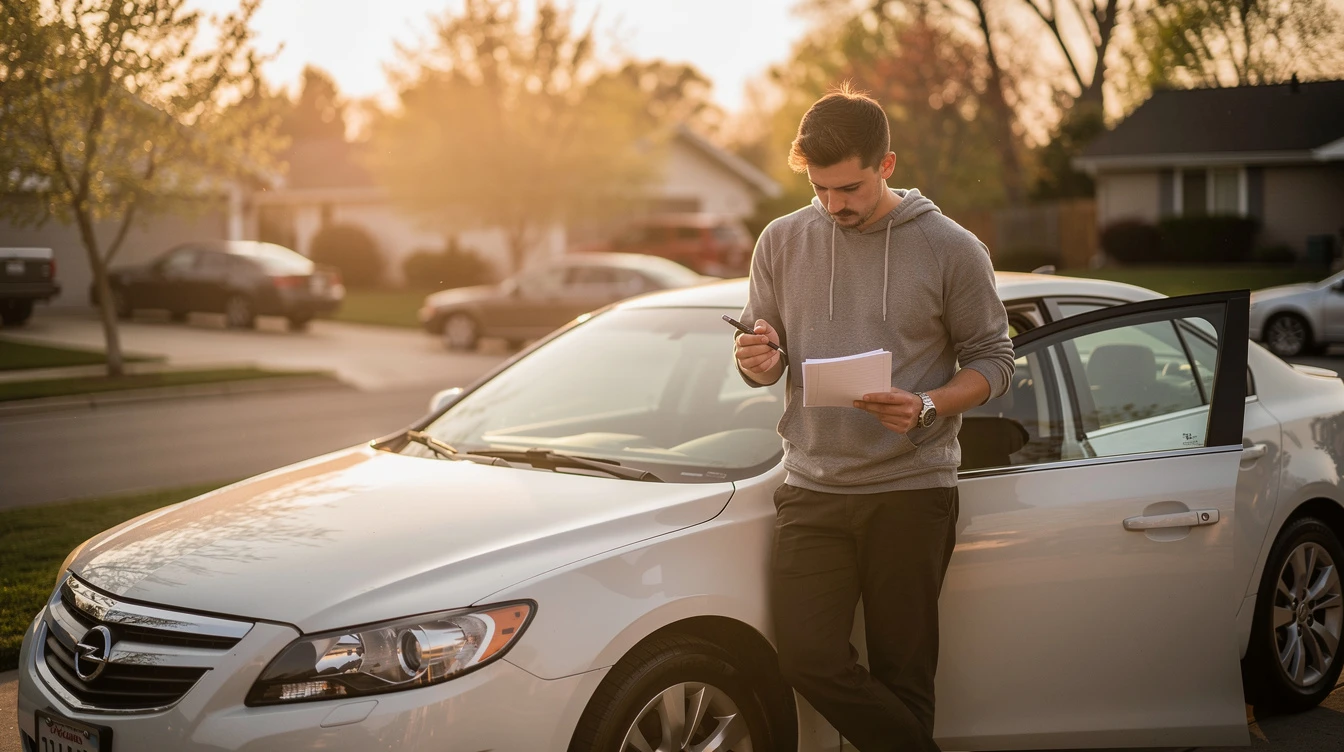
The most common location is the driver's side dashboard, visible through the windshield from outside the car. Look at the lower-left corner of the dashboard near where it meets the windshield. You'll see a small metal plate or stamped number. That's your VIN. A second location, often easier to read, is the driver's side door jamb, printed on a white sticker that also shows the vehicle's weight rating and tire pressure. If either label is missing or damaged, check your title, registration card, or insurance documents, all of them list the VIN.
Where is the VIN on a truck or SUV?
Same primary spots as a car: dashboard (driver's side, visible through the windshield) and the driver's door jamb sticker. On trucks, you'll sometimes also find the VIN stamped directly on the frame rail, especially on older models. Look along the front section of the frame on the driver's side. Some manufacturers also stamp it on the firewall inside the engine bay. If you're working through a DMV title transfer or out-of-state registration, the door jamb sticker is usually the easiest to photograph and submit with your paperwork.
Where is the VIN on a motorcycle?
Motorcycles don't have dashboards, so the VIN is typically stamped directly into the frame, near the steering head, that's the front of the frame where the forks connect. Some bikes also have a VIN plate riveted to the frame in that same area. On older motorcycles, the stamp can wear down and become difficult to read. In that case, check the engine cases, where manufacturers often stamp a separate engine number (note: the engine number is NOT the VIN, though it may be required for some title paperwork). A VIN inspection from a licensed inspector can help verify a worn or partially visible number.
Where is the VIN on an RV or motorhome?
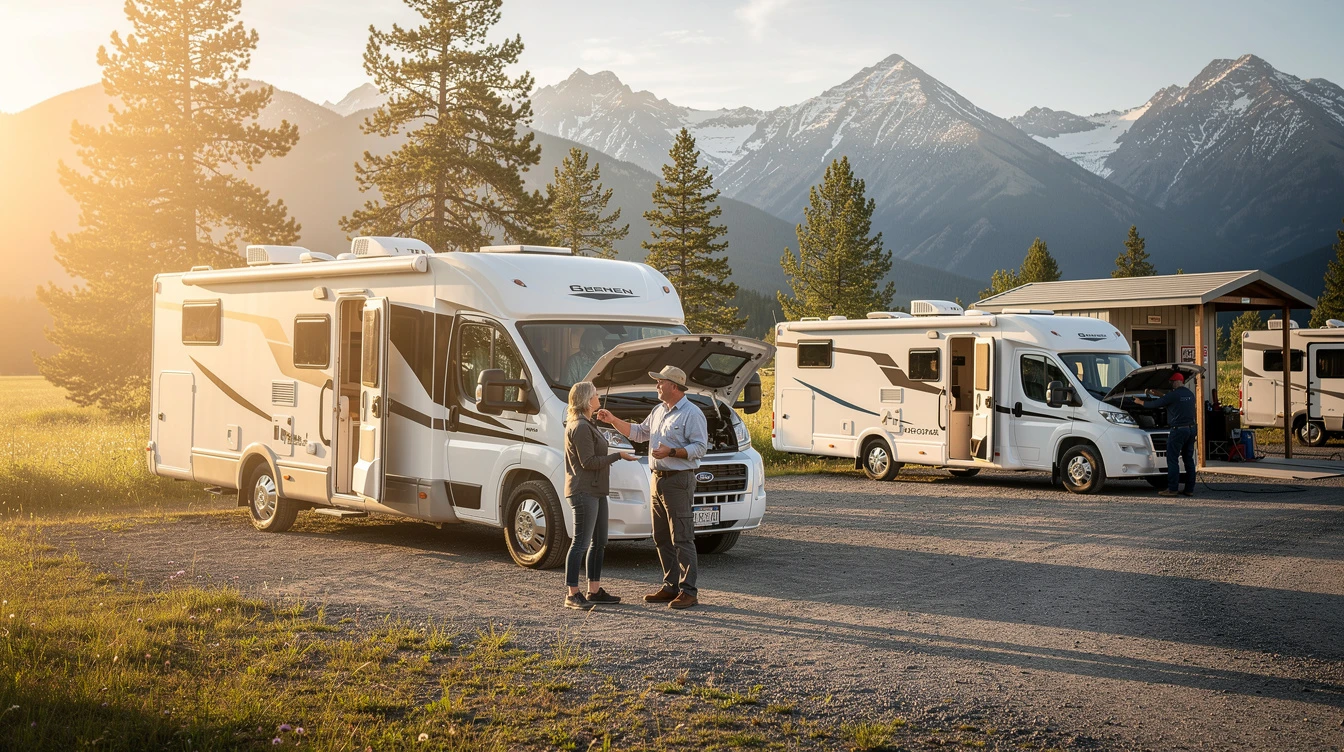
On a motorhome, the VIN is typically on the driver's side dashboard, just like a standard vehicle. Class A motorhomes often have it stamped on the door jamb or on a placard near the driver's seat. Towable RVs (travel trailers, fifth wheels) have their own VIN on the frame or a sticker near the tongue, the front section that hitches to the tow vehicle. Montana is a popular registration state for RV owners due to its lack of sales tax. You can learn more about that process in our guide on how to register your motorhome in Montana.
Where is the VIN on a UTV or side-by-side?
UTVs and side-by-sides typically have the VIN stamped on the frame, often near the driver's footwell or on the front frame tube. Some manufacturers place it on a sticker near the glove box or on the dashboard panel. Because UTVs vary widely by manufacturer, check your owner's manual if you can't locate it visually. The VIN is required for title and registration paperwork in most states. If you're registering a UTV in a new state, our UTV street-legal states guide explains which states allow them on public roads and what registration each requires.
Can I find my VIN on my vehicle title or registration card?
Yes. Your title and your registration card both display the full 17-digit VIN. If you can't physically locate the VIN on the vehicle itself, these documents are reliable backups. Your insurance card and any loan documents from a lender will also show it. Just make sure the VIN on your documents matches what's physically on the vehicle before submitting paperwork for a title transfer or registration, since mismatches can cause rejections. Odometer compliance is the most frequent reason documents come back for correction in our order queue (internal data, rolling last 90 days, n=118), but VIN mismatches are a close runner-up that slows down approvals.
What does a VIN actually tell you?
A 17-character VIN breaks down into specific segments. The first character identifies the country of manufacture. Characters two and three identify the manufacturer. Characters four through eight describe the vehicle's attributes (body style, engine type, series). Character nine is a check digit used to detect invalid VINs. Character ten identifies the model year. Character eleven identifies the assembly plant. Characters twelve through seventeen are the unique production sequence number. You can decode any VIN for free using the NHTSA VIN decoder, which also shows open safety recalls tied to that vehicle.
How do I run a VIN check on a used vehicle?
A VIN check pulls the vehicle's history: title records, odometer readings, accident reports, lien status, and whether it's been declared salvage or rebuilt. This matters a lot before buying a used vehicle privately. A clean VIN report protects you from buying someone else's problem. You can run a full VIN check and get instant vehicle history before you commit to a purchase. Our guide on the best proof of vehicle ownership also explains how title records and VIN reports work together to establish clean ownership.
What is a VIN inspection and when do I need one?
A VIN inspection (also called a vehicle VIN inspection) is a physical verification performed by a law enforcement officer, licensed inspector, or private registration specialist to confirm that the VIN on the vehicle matches the VIN on the paperwork. Most states require one when a vehicle is being titled for the first time in that state, when the title has been lost, or when the vehicle was purchased without a title. Montana, for example, requires a VIN inspection for vehicles being titled there that weren't previously registered in Montana. Our full article on VIN inspections explained walks through exactly what to expect, who can perform one, and what documents to bring.
What if my VIN plate is missing or has been tampered with?
A missing or altered VIN is a serious red flag. On a legitimate vehicle, the VIN plate should never be removed or re-stamped. If you're buying a used vehicle and the dashboard VIN plate is gone, scratched out, or looks like it was replaced, walk away. If you already own a vehicle with a damaged VIN, you'll typically need to work through your state's motor vehicle authority to get a replacement VIN assigned or to prove the original number through secondary locations like the frame stamp or engine bay stamp. A bonded title may also be an option in some states. Our article on what makes a vehicle title invalid covers related situations where documentation problems affect your ability to title or register a vehicle.
Does my VIN change if I register my vehicle through a Montana LLC?
No. Your VIN never changes, regardless of how or where you register a vehicle. The VIN is permanently assigned to the physical vehicle at the factory. Registering a vehicle through a Montana LLC for vehicle registration changes who holds the title (the LLC, rather than you personally) and which state the vehicle is registered in, but the VIN on the dashboard, door jamb, and frame stays exactly the same. Montana registration through an LLC is a legal structure used by vehicle owners across the country to avoid sales tax on high-value vehicles. Our complete guide to forming a Montana LLC for vehicle registration explains the full process.
Where can I find VIN information for registration purposes?
For registration paperwork, you'll typically pull the VIN from three places: the vehicle itself (dashboard or door jamb), your existing title, and your bill of sale if the vehicle was recently purchased. All three should match exactly. If you're starting a Montana LLC registration or a title transfer, Dirt Legal's team reviews VIN documentation as part of the process to catch discrepancies early. How to register a car in Montana without living there walks through every document you'll need, including how VIN verification fits into the out-of-state registration process. For vehicles sold privately without a formal title, a properly executed automotive bill of sale listing the VIN is a critical starting document.
Ready to put your VIN to work? Dirt Legal provides remote paperwork support for title transfers, Montana LLC registrations, and out-of-state vehicle registrations. We manage the out-of-state paperwork with our paperwork support, so you spend your time driving, not waiting in line. Dirt Legal has helped 80,000+ vehicle orders to date.
Register Your Vehicle Today →Hero photo by Steve DiMatteo via Pexels
Hero photo by Steve DiMatteo via Pexels
Hero photo by Steve DiMatteo via Pexels
Hero photo by Steve DiMatteo via Pexels
Hero photo by Steve DiMatteo via Pexels
Hero photo by Steve DiMatteo via Pexels
Hero photo by Steve DiMatteo via Pexels
Hero photo by Steve DiMatteo via Pexels
Hero photo by Steve DiMatteo via Pexels
Hero photo by Steve DiMatteo via Pexels
Hero photo by Steve DiMatteo via Pexels
Hero photo by Steve DiMatteo via Pexels
Hero photo by Steve DiMatteo via Pexels
Hero photo by Steve DiMatteo via Pexels
Hero photo by Steve DiMatteo via Pexels
Hero photo by Steve DiMatteo via Pexels
Hero photo by Steve DiMatteo via Pexels
Hero photo by Steve DiMatteo via Pexels
Hero photo by Steve DiMatteo via Pexels
Hero photo by Steve DiMatteo via Pexels
Hero photo by Steve DiMatteo via Pexels
Hero photo by Steve DiMatteo via Pexels
Hero photo by Steve DiMatteo via Pexels
Hero photo by Steve DiMatteo via Pexels
Hero photo by Steve DiMatteo via Pexels
Hero photo by Steve DiMatteo via Pexels
Hero photo by Steve DiMatteo via Pexels
Hero photo by Steve DiMatteo via Pexels
Hero photo by Steve DiMatteo via Pexels
Hero photo by Steve DiMatteo via Pexels
Hero photo by Steve DiMatteo via Pexels
Hero photo by Steve DiMatteo via Pexels
Hero photo by Steve DiMatteo via Pexels
Hero photo by Steve DiMatteo via Pexels
Hero photo by Steve DiMatteo via Pexels
Hero photo by Steve DiMatteo via Pexels
Hero photo by Steve DiMatteo via Pexels
Hero photo by Steve DiMatteo via Pexels
Hero photo by Steve DiMatteo via Pexels
Hero photo by Steve DiMatteo via Pexels
Hero photo by Steve DiMatteo via Pexels
Hero photo by Steve DiMatteo via Pexels
Hero photo by Steve DiMatteo via Pexels
Hero photo by Steve DiMatteo via Pexels
Hero photo by Steve DiMatteo via Pexels
Hero photo by Steve DiMatteo via Pexels
Hero photo by Steve DiMatteo via Pexels
Hero photo by Steve DiMatteo via Pexels
Hero photo by Steve DiMatteo via Pexels
Hero photo by Steve DiMatteo via Pexels
Hero photo by Steve DiMatteo via Pexels
Hero photo by Steve DiMatteo via Pexels
Hero photo by Steve DiMatteo via Pexels
Hero photo by Steve DiMatteo via Pexels
Hero photo by Steve DiMatteo via Pexels
Hero photo by Steve DiMatteo via Pexels
Hero photo by Steve DiMatteo via Pexels
Hero photo by Steve DiMatteo via Pexels
Hero photo by Steve DiMatteo via Pexels
Hero photo by Steve DiMatteo via Pexels
Hero photo by Steve DiMatteo via Pexels
Hero photo by Steve DiMatteo via Pexels
Hero photo by Steve DiMatteo via Pexels
Hero photo by Steve DiMatteo via Pexels
Hero photo by Steve DiMatteo via Pexels
Hero photo by Steve DiMatteo via Pexels
Hero photo by Steve DiMatteo via Pexels
Hero photo by Steve DiMatteo via Pexels
Hero photo by Steve DiMatteo via Pexels
Hero photo by Steve DiMatteo via Pexels
Hero photo by Steve DiMatteo via Pexels
Hero photo by Steve DiMatteo via Pexels
Hero photo by Steve DiMatteo via Pexels
Hero photo by Steve DiMatteo via Pexels