What's the Point of Registering Your Vehicle as a Classic Car?
Find the main benefits of classic car registration, from lower annual fees and reduced insurance costs to tax exemptions and specific driving requirements.

Classic Car Registration Typically Reduces Annual Costs and Insurance Rates
Registering your vehicle as a classic car is primarily about accessing lower registration fees, specialized insurance rates, and potential exemptions from modern smog or emissions testing. In most states, classic or antique status is granted to vehicles that meet a specific age threshold, often 20 to 25 years or older, provided they are maintained as collector items rather than daily drivers.
By choosing this classification, you shift the vehicle into a different regulatory category that acknowledges its status as a historical asset. While this comes with restrictions on how often you can drive the car, it can save you hundreds of dollars in annual registration and insurance premiums over the life of the vehicle.
Benefits of Classic Car Registration Beyond Financial Savings
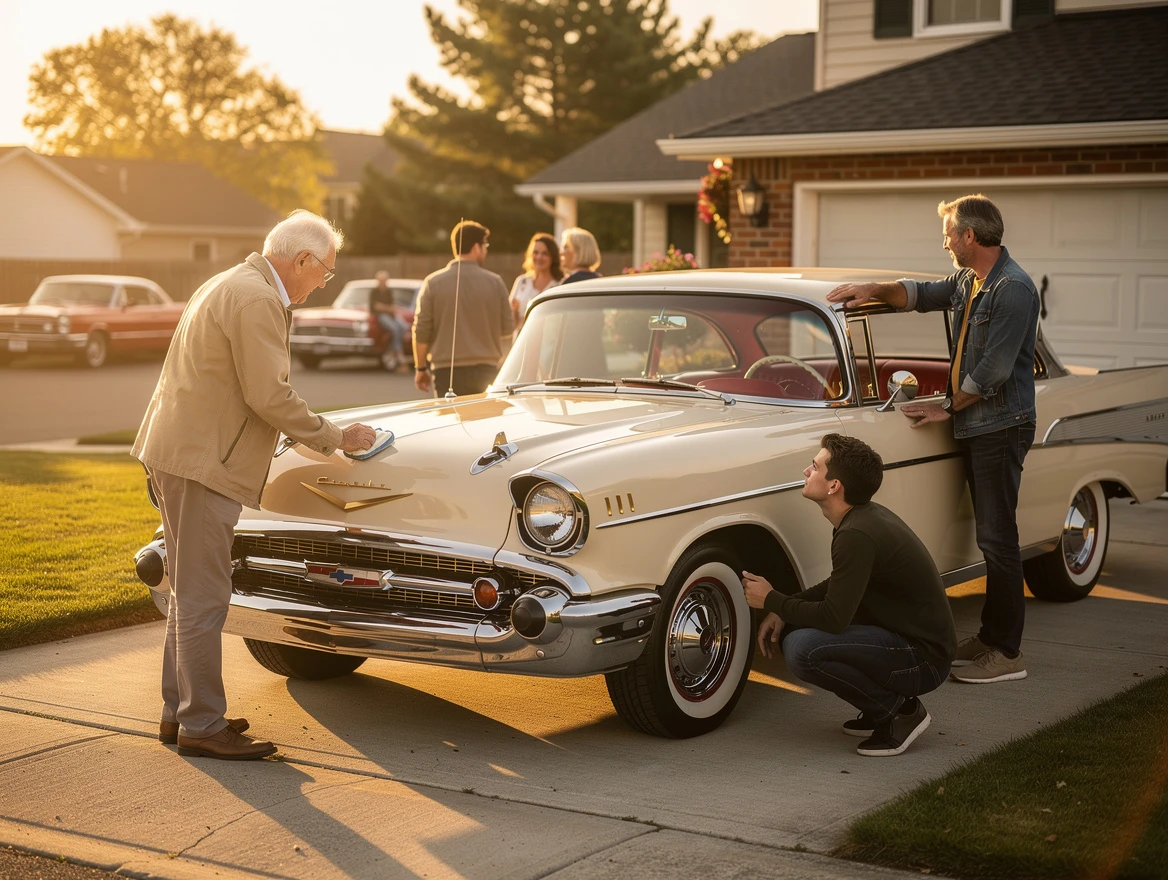
Beyond the immediate financial relief, classic car registration serves as a badge of honor for enthusiasts who value preservation. Most states recognize the historical significance of vintage automobiles, allowing owners to use vintage-era license plates or restricted-use tags that preserve the vehicle's authentic aesthetic.
Ready to register your vehicle?
Join thousands of vehicle owners who use Dirt Legal to handle their registration quickly.
Register Your Vehicle Today →Lower Annual Renewal Fees
Standard vehicle registrations are often calculated based on the current market value of your car, which can be expensive for newer luxury vehicles but surprisingly high for older, rare models. Classic registration typically opts for a flat, reduced fee because the state acknowledges the limited road use and historical nature of the asset.
Tailored Insurance Coverage
Collectors often find that classic car insurance policies are significantly cheaper than standard coverage because these vehicles are rarely driven on highways or in daily traffic. Insurance companies that specialize in collector cars understand that these vehicles are garage-kept and meticulously maintained, leading to lower premiums for the same levels of protection.
Exemption from Emissions Testing
Many jurisdictions require annual or biennial emissions testing for standard passenger vehicles to make sure they meet modern air quality standards. Classic car registrations often bypass these requirements entirely, as the state recognizes that these older engines are not designed to comply with modern sensor and exhaust regulations.
How to Determine if Your Vehicle Qualifies for Antique Status
Not every old car automatically qualifies for classic or antique plates. State laws vary significantly, but most departments of motor vehicles require a combination of age and limited usage history to grant this designation. Understanding these rules is a critical step in the Montana LLC vehicle registration process for high-value collector items.
Age Requirements and Historical Significance
Most states require a vehicle to be at least 20, 25, or even 30 years old to be considered an antique. Some states also require the vehicle to be preserved in its original configuration, meaning major modern modifications might disqualify it. Dirt Legal has helped 80,000+ vehicle orders to date, providing guidance on how these specific classification rules can affect your registration options (internal data, lifetime through current month, n=5,549).
Restricted Use Requirements
When you register as a classic, you are often legally agreeing to limit the vehicle to specific uses, such as club events, parades, exhibitions, and occasional pleasure driving. You may be prohibited from using the vehicle for daily commuting or commercial tasks, and failure to comply could result in the revocation of your specialty plates.
The Role of Documentation
Documentation is key when proving your vehicle meets the criteria. You might need photos, a bill of sale, or a historical certification from a recognized automotive club. For those navigating these requirements across state lines, it is helpful to look at how to register a car in Montana without living there to see if your collector car is a better fit for a different jurisdiction.
| Benefit | Classic Registration | Standard Registration |
|---|---|---|
| Annual Fees | Reduced/Flat Fee | Value-Based Fee |
| Emissions Testing | Often Exempt | Required Annually |
| Usage | Restricted | Unlimited |
| Insurance | Collector Rates | Standard Rates |
Comparing Classic Registration with Montana LLC Registration

If you own a high-value classic car, you might be deciding between a local classic registration or a Montana LLC registration. Each approach serves a different purpose, and the right choice depends on your long-term goals for the vehicle.
Why Collectors Often Choose Montana
Many collectors register their high-value assets through a Montana LLC because it offers a centralized way to manage ownership, protects the asset within a business entity, and avoids the sales tax hurdles found in other states. You can learn more about this by reviewing the The Complete Guide to Forming a Montana LLC for Vehicle Registration.
Balancing Local vs. Out-of-State Options
If you only care about saving money on annual tags and emissions testing, local classic plates are often the most straightforward route. If your goal is to hold a high-value asset in a protective entity, register it permanently, or simplify ownership for a collection of cars, forming a Montana LLC is a powerful strategy.
Frequently Asked Questions
Can I drive my classic car to work every day?
In most states, the answer is no. Classic or antique registration is intended for limited use, such as car shows, parades, and weekend pleasure cruises. Using a vehicle with restricted registration for daily commuting is often a violation of your registration agreement and could lead to fines or the loss of your status.
Does classic car registration save money?
Yes, in most cases. You typically benefit from lower registration fees, reduced insurance premiums, and the total avoidance of mandatory emissions testing. However, you must factor in the cost of initial registration and any specific requirements for your state of residence.
Are there age limits for classic registration?
Yes, each state sets its own age threshold. Some states define an antique as being at least 20 years old, while others require the vehicle to be 25 or 30 years old. Always check your specific state statutes to make sure your car qualifies.
What is title jumping, and how does it relate to old cars?
Title jumping occurs when a seller skips the title transfer process to save on taxes or fees. It is illegal and can lead to significant issues when you try to register a vintage vehicle. You should always make sure you have a clean, clear title in your name before you attempt to register your classic car.
Do I need to live in Montana to use a Montana LLC for my classic car?
No, you do not need to be a resident of Montana to register a vehicle through a Montana LLC. Many car collectors across the country use this process to manage their collections in a single, predictable legal environment that does not require personal residency.
Registering your vehicle as a classic car is a smart move if you want to lower your annual costs and enjoy the hobby without the friction of modern testing requirements. By understanding the age and usage rules in your state, you can make an informed choice that best protects your investment and ensures you spend more time behind the wheel.