What Is a Rebuilt Title and Should I Buy a Car With One?
Learn what a rebuilt title means for vehicle value and safety. Find the pros, cons, and essential steps to protect your next used car purchase today.
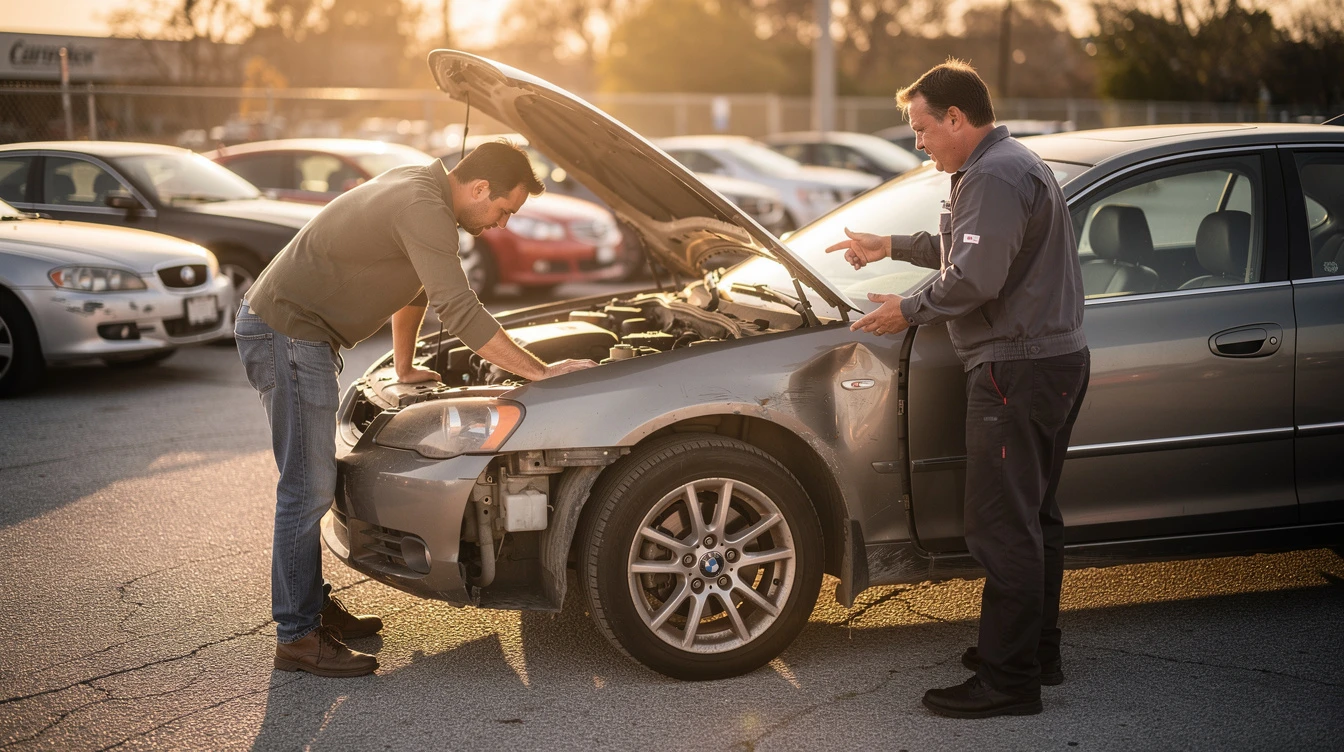
A rebuilt title is a designation issued by a state DMV for a vehicle that an insurance company previously declared a total loss, but has since been repaired and passed a safety inspection. Buying a car with this title can deliver real upfront savings, though it demands a clear-eyed look at potential insurance limitations and what happens to resale value down the road.
What Exactly Is a Rebuilt Title?
A rebuilt title, sometimes called a branded title, flags a vehicle that survived a major event like a collision, flood, or fire that caused an insurer to write it off as a total loss. Once repairs are complete and the car passes state-mandated inspections, the salvage title converts to a rebuilt title, confirming the vehicle meets baseline roadworthiness standards. Think of it as the car's permanent scarlet letter.
Why Do Vehicles Get Branded Titles?
- Total Loss Declarations: When repair costs exceed a set percentage of the vehicle's actual cash value, insurers write them off. That threshold sits around 75, 80% in states like California, Texas, and Florida.
- Safety Inspections: States require proof that structural integrity and critical systems are restored before allowing the car back on public roads.
- Documentation: This history attaches permanently to the VIN, so future buyers always know what the vehicle has been through.
If you need help with your own vehicle documents, our Montana LLC Services offer a solid way to manage titling for various assets. We have helped over 6,000 customers with registration needs (internal data, lifetime through current month, n=6,137).
Should You Buy a Car With a Rebuilt Title?
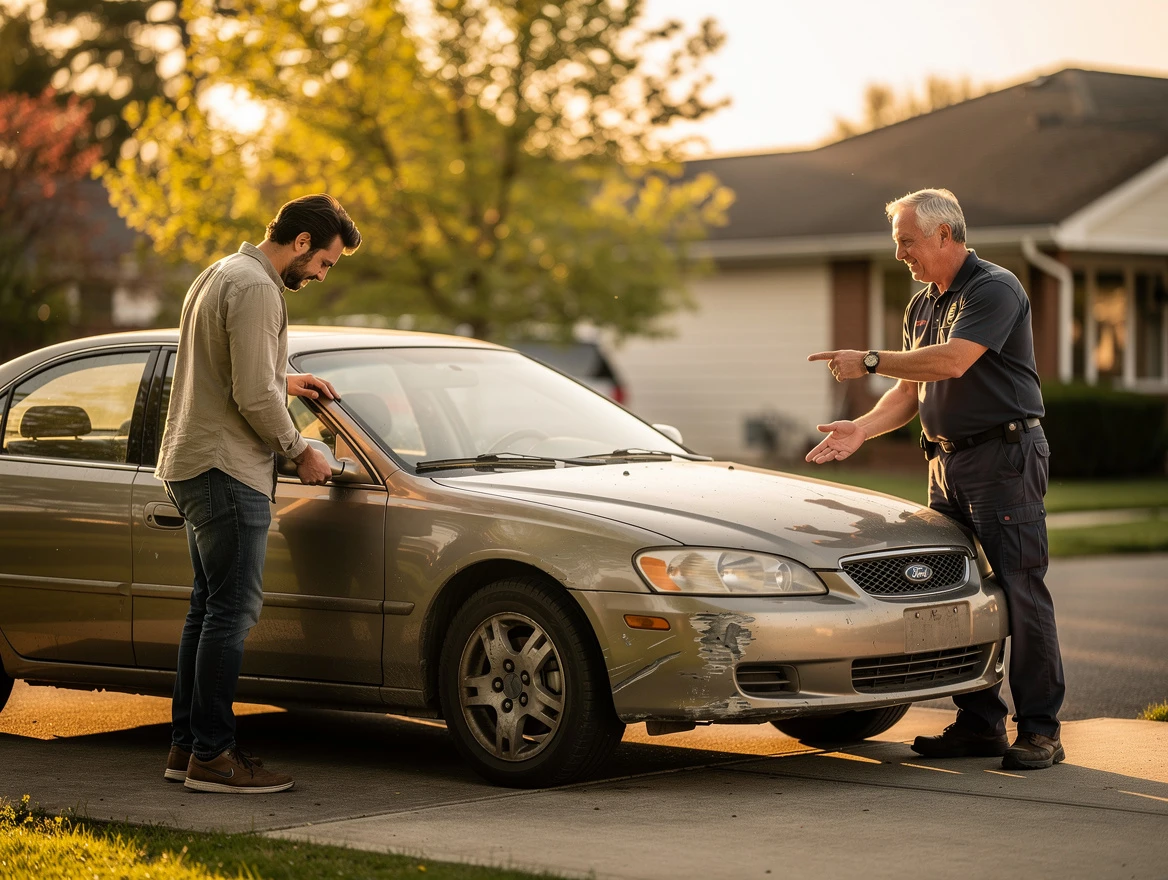
A rebuilt title car can be a smart buy if you want a bargain and plan to drive the vehicle until it gives out. But if you are thinking about frequent resale or treating the car as an investment, the suppressed market value makes that a tough road. Expect to pay 20, 40% less than a comparable clean-title vehicle, that discount is real, but so are the trade-offs.
Ready to register your vehicle?
Join thousands of vehicle owners who use Dirt Legal to handle their registration quickly.
| Factor | Clean Title | Rebuilt Title |
|---|---|---|
| Insurance Premiums | Standard rates apply | Often limited to liability only |
| Resale Value | Generally higher | Significantly lower |
| Marketability | Simplified to sell | Difficult to sell |
| Known History | Undamaged | Significant prior damage |
A more detailed breakdown of ownership and registration challenges is available in How to Buy a Car Without a Title: A Guide to Ownership. Understanding these dynamics is essential for any savvy buyer.
Skip the Paperwork, Let Us Handle It ->
What Are the Risks of Rebuilt Title Vehicles?
The biggest risks are hidden damage that a standard inspection missed and long-term electrical or structural gremlins that surface months later. These vehicles took a serious hit, so always have an independent mechanic, not just the DMV inspector, go over it before you hand over any money. A $150 pre-purchase inspection can save you thousands.
Key Considerations Before Purchasing
- Request Photos: Ask the seller for pictures of the vehicle before repairs to understand the original damage's true extent.
- Check the VIN: Use a reputable service to run a history report and confirm the cause of the salvage brand. You can check your vehicle history using our VIN check service to avoid surprises.
- Insurance Quotes: Call your insurance agent before signing anything. Some carriers won't write a full-coverage policy on a rebuilt vehicle at all, find that out early.
Is Title Jumping a Factor in Your Purchase?
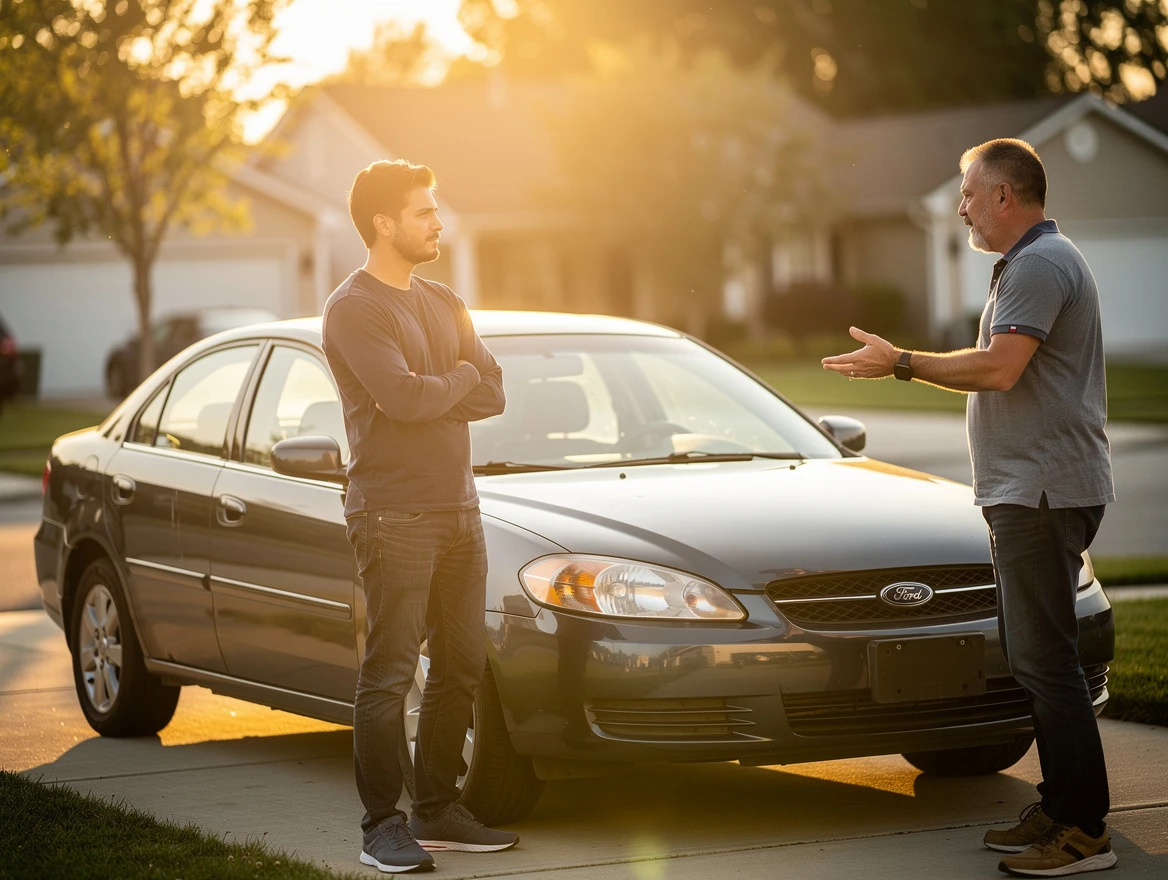
When buying any used vehicle, especially one with a branded title, watch out for title jumping. That's when a seller transfers a vehicle without ever putting the title in their own name. It complicates ownership efficient and can make registering the vehicle properly later nearly impossible.
You can learn more about the complexities of ownership in Title Jumping is More Illegal Than Jumping a Car. We always encourage buyers to prioritize clear, clean title trails for a smooth registration experience.
FAQ
Can you buy a car with no title?
Technically, yes, but walk away. A title is the only real proof of ownership. Without one, you cannot register the vehicle, get insurance, or easily prove you own the asset. Always demand a valid, signed title from the seller before any money changes hands.
What happens if i buy a car without a title?
Buy a car without a title and you may end up with a vehicle you cannot drive or sell. Obtaining a duplicate or bonded title through your local DMV is a real hassle, the process can stretch weeks and run several hundred dollars depending on where you live.
Can i scrap a car without title?
Generally, no. Most scrap yards and salvage businesses require proof of ownership to prevent stolen vehicles from slipping through. You will likely need to apply for a duplicate title or salvage certificate through your state agency, places like Illinois and Georgia have specific forms for this, before any facility accepts the vehicle.
Do you need a title to junk a car?
Yes, a title is typically required to junk a car because it establishes your authority to dispose of the vehicle. Facilities operate under regulations that mandate verifying owner identity and vehicle status.
How many names can be on a car title?
It varies by state, but most allow at least two individuals on a title. How those names are joined matters, using "AND" means both parties must sign for any future transfer, while "OR" means either person can act alone. Know which one applies before you sign.
Can i buy a car in Canada and bring it to the us?
Yes, importing a car from Canada into the United States is possible, but federal regulations are strict. The vehicle must meet both EPA and DOT standards, clear customs with the correct documentation, and you must file the necessary paperwork to make it fully compliant for use on American roads. Budget extra time for that process.