Side-by-Side vs ATV vs UTV: Key Differences Explained
What is the difference between a side-by-side and an ATV or UTV? Learn the real distinctions, registration options, and how to title your off-road vehicle correctly.
The difference between a side-by-side and an ATV or UTV trips up a lot of buyers and riders. These terms get used interchangeably in conversation, on dealer lots, and even in state registration paperwork, which makes figuring out what you actually own, and how to title it, genuinely confusing. This guide breaks down each category clearly, explains how registration works for each type, and answers the questions people actually search for.
By the end, you'll know exactly which category your machine falls into, what that means for registration requirements, and how states like Montana handle off-road vehicle titling for each type.
What Is an ATV? The Original Off-Road Machine
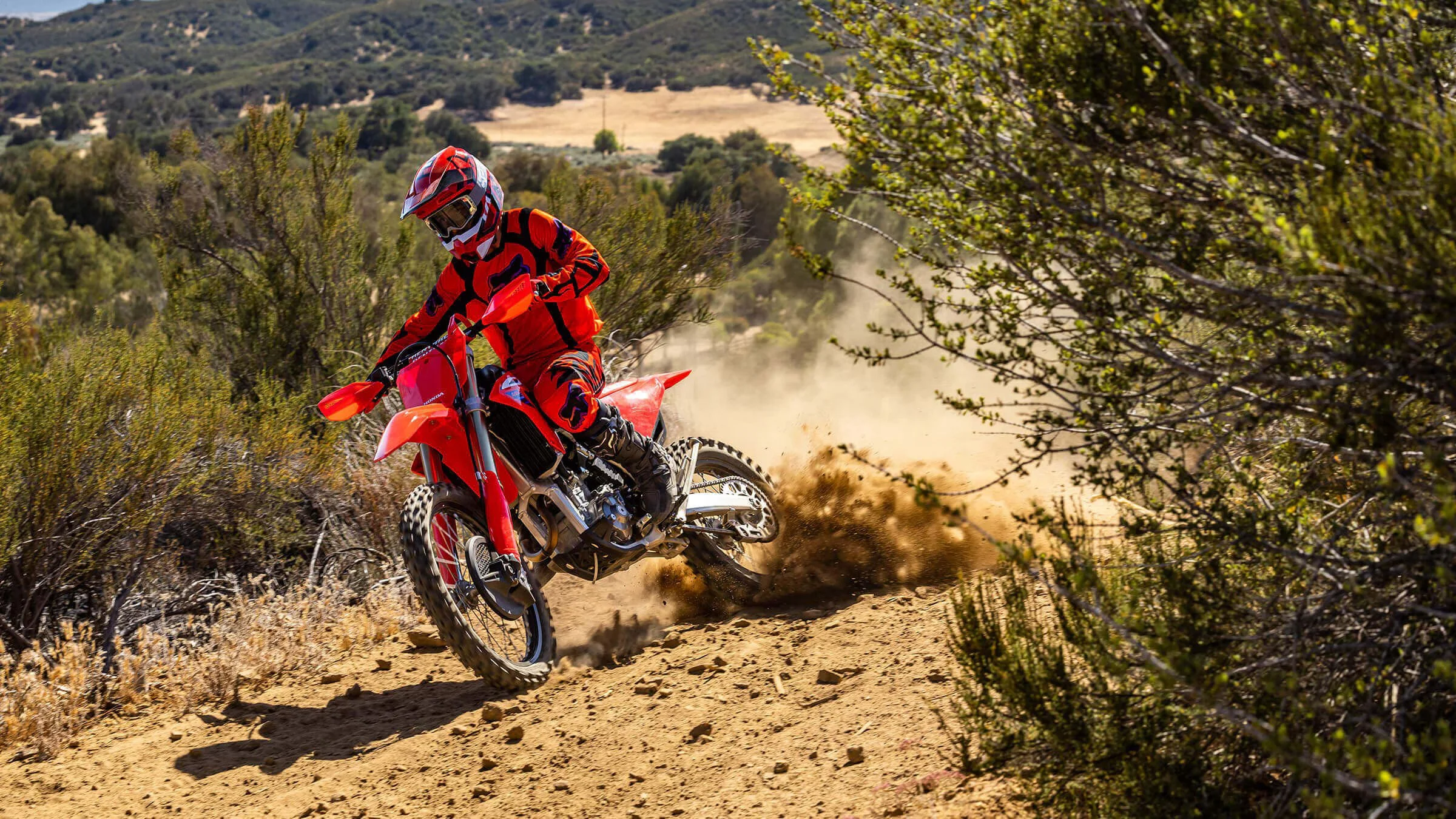
ATV stands for All-Terrain Vehicle. The classic ATV is a single-rider machine you straddle like a motorcycle, with handlebars for steering and four wheels built for loose, rough terrain. Think of the quad bikes you see on trails, farms, and desert dunes. They're compact, nimble, and designed for one rider.
The federal definition from the American National Standards Institute (ANSI) specifies that an ATV is a vehicle that travels on low-pressure or non-pneumatic tires, has a seat designed to be straddled by the operator, and is designed for use by a single operator. That last point matters for registration purposes in many states.
Who Rides ATVs and Why?
ATVs are popular with hunters, farmers, trail riders, and recreational enthusiasts who need something that can go where trucks can't. They're lighter, easier to transport, and generally cheaper than side-by-sides. For solo riders covering tight terrain, nothing beats one.
Can You Title an ATV in Montana?
Yes. Montana allows ATV titling, and registering through a Montana LLC for vehicle registration is a popular option for out-of-state owners looking to avoid sales tax and emissions testing. Montana has no sales tax, which means no sales tax on your ATV purchase either when titled through an LLC. The Montana Vehicle Title and Registration page outlines the fee schedule for off-highway vehicles.
What Is a UTV? The Utility Side of the Family
UTV stands for Utility Terrain Vehicle. This is where things get interesting, because "UTV" and "side-by-side" are often used to mean the same thing, but there's a meaningful distinction hiding inside that category.
Ready to register your vehicle?
Join thousands of vehicle owners who use Dirt Legal to handle their registration quickly.
Register Your Vehicle Today →UTVs are larger, more capable machines than traditional ATVs. They typically seat two or more passengers side by side (hence the nickname), feature a steering wheel instead of handlebars, and have a cab-like structure with roll bars or a roll cage. They're built for both utility work, think hauling gear, towing, and farm use, and recreational riding.
UTV vs Side-by-Side: Is There a Real Difference?
Technically, "side-by-side" describes the seating arrangement where passengers sit next to each other rather than in tandem. Most modern UTVs ARE side-by-sides. The term "UTV" is the broader category; "side-by-side" is the style descriptor that now defines most UTVs on the market. So when someone asks what is the difference between a side-by-side and a UTV, the honest answer is: in most contexts, they're the same thing. A side-by-side IS a UTV.
Sport UTVs vs Utility UTVs
Within the UTV world, there's a split between sport-focused machines like the Polaris RZR or Can-Am Maverick and utility-focused ones like the John Deere Gator or Kubota RTV. Sport UTVs prioritize suspension travel and speed. Utility UTVs prioritize payload, towing, and durability. Both are side-by-sides. Both fall under the UTV label.
Side-by-Side vs ATV: How They Actually Compare
Here's a direct comparison so you can see the real differences at a glance. These distinctions matter for more than just casual conversation. They affect how your machine is classified, what kind of title it gets, and what registration requirements apply.
| Feature | ATV (Quad) | UTV / Side-by-Side |
|---|---|---|
| Seating | Single rider, straddle | 2-6 passengers, side by side |
| Steering | Handlebars | Steering wheel |
| Cab / Roll Cage | None | Typically included |
| Weight | 400-800 lbs typical | 1,000-2,500+ lbs typical |
| Cargo / Towing | Limited (small racks) | High (bed, hitch, heavy towing) |
| Speed Range | Up to 65-80 mph (sport models) | Up to 80+ mph (sport models) |
| Street-Legal Potential | Limited, varies by state | Possible in many states with mods |
| Typical Title Classification | ATV / Off-Highway Vehicle | UTV / ROV / Off-Highway Vehicle |
| Montana Registration Eligible | Yes | Yes |
The classification your machine gets on its title document matters, especially if you ever want to make it street-legal. Some states allow UTVs to be made street-legal with the right equipment while restricting ATVs more tightly. If you're in Florida, for example, check out the details in Can You Make a Side by Side Street Legal in Florida? for a state-specific breakdown.
How Registration Works for ATVs and UTVs
Off-road vehicle registration varies significantly by state. Some states require full titling. Others only require a recreation permit or trail sticker. And a growing number of states allow certain UTVs to be street-legal with added equipment like lights, mirrors, and a windshield.
Montana Registration for Off-Road Vehicles
Montana is one of the most popular states for registering ATVs, UTVs, and side-by-sides, particularly for out-of-state owners. The reasons are straightforward. Montana has no sales tax, no emissions testing requirements, and relatively low registration fees. Many owners register through a Montana LLC, which holds title to the vehicle and eliminates the sales tax burden that other states charge at the point of purchase.
Dirt Legal has completed over 5,000 customer orders to date, with many of those being powersport and off-road vehicle registrations processed through Montana (internal data, lifetime through current month, n=5,147).
For a deeper look at how this process works, The Complete Guide to Forming a Montana LLC for Vehicle Registration walks through every step from LLC formation to title issuance.
Street-Legal UTVs: What It Takes
Making a UTV or side-by-side street-legal is possible in many states, but it requires adding specific equipment. Typically you'll need headlights, taillights, turn signals, mirrors, a horn, a windshield, and in some states a seatbelt check and VIN inspection. ATVs face more restrictions and are rarely street-legal on public roads.
Oklahoma, for example, has specific rules for street-legal UTVs. See Oklahoma Street Legal UTV Requirements: What You Need to Know Before You Ride for those specifics. For Florida's rules on UTVs, Florida Street Legal UTV: Everything You Need to Know covers the requirements in detail.
Vehicle Registration Costs for Off-Road Machines
Vehicle registration costs for ATVs and UTVs in Montana are calculated based on the age and value of the machine. Older vehicles generally cost less to register. An ATV or UTV registered through a Montana LLC typically pays a one-time registration fee rather than recurring annual taxes in states that charge personal property tax on vehicles. This is one of the bigger financial reasons Montana registration is attractive for higher-value side-by-sides. See the full fee schedule at the Montana Vehicle Title and Registration Fees page.
VIN Inspections and Title Documents for Off-Road Vehicles
Here's something a lot of buyers don't think about until it's too late. When you purchase a used ATV or UTV, especially from a private seller, you need to verify the title is clean and the VIN matches the machine. Off-road vehicles change hands frequently, and title issues are common.
Why VIN Checks Matter for ATVs and UTVs
A VIN inspection confirms the vehicle identification number on the machine matches what's on the title document. For off-road vehicles bought without a clear title, this step is critical before any registration attempt. You can run a free check through the NHTSA VIN Lookup to confirm the vehicle identification number and check for any open recalls.
For a full breakdown of what VIN inspections involve and when they're required, read VIN Inspections: What They Are, When You Need One, and How to Pass.
What Happens With a Bill of Sale Only?
Some ATVs and UTVs are sold with only a bill of sale, no title attached. This happens a lot with older machines, farm equipment, or vehicles that were never formally titled. A bill of sale is not a title. It documents the transaction but doesn't establish legal ownership the way a title does. What Is the Best Proof of Vehicle Ownership? breaks down exactly what documents carry legal weight and which ones don't. If you're in this situation, you may need a bonded title, and What Is a Bonded Title and When Do You Need One? explains how that process works for off-road vehicles.
Frequently Asked Questions
Is a UTV the same as a side-by-side?
In most practical contexts, yes. "UTV" stands for utility terrain vehicle and is the formal category. "Side-by-side" describes the seating configuration where passengers sit next to each other rather than in tandem. Nearly all modern UTVs are side-by-sides, so the terms are used interchangeably by manufacturers, dealers, and riders. The distinction only matters in rare technical or regulatory situations where a state's rules reference one term specifically.
Can I register an ATV or UTV in Montana if I don't live there?
Yes. Non-residents can register ATVs and UTVs in Montana by forming a Montana LLC that holds title to the vehicle. The LLC is a Montana business entity, so the vehicle is titled in that entity's name. This approach avoids sales tax, which can mean substantial savings on higher-value machines. The Complete Guide to Forming a Montana LLC for Vehicle Registration covers the full process.
What is the difference between an ATV and a UTV for street use?
ATVs are rarely street-legal and most states prohibit them on public roads entirely. UTVs have a better shot at street-legal status in many states because they more closely resemble a vehicle, with a steering wheel, seats with seatbelts, and a roll cage. The required equipment varies by state but typically includes headlights, taillights, turn signals, mirrors, a horn, and a windshield. Some states require a special permit or slow-moving vehicle designation for UTVs on roads.
Do ATVs and UTVs need a title?
This depends on the state. Many states require a title for any motorized off-highway vehicle, including ATVs and UTVs. Others only require registration without a formal title, particularly for small displacement ATVs used exclusively off-road. Montana requires a title for off-highway vehicles that are financed or sold commercially. If you bought your machine without a title and need to establish ownership, What Is the Best Proof of Vehicle Ownership? explains your options.
What is a ROV and is it different from a UTV?
ROV stands for Recreational Off-Highway Vehicle. Some manufacturers and states use this term specifically for side-by-side machines that are built primarily for recreational use rather than utility work. The Consumer Product Safety Commission uses ROV as a distinct category from UTV. In practice, the vehicles look nearly identical. The difference is mostly regulatory and manufacturer-driven. For registration purposes, most states treat ROVs and UTVs the same way.
Can I jump-start an ATV with a truck battery?
This is a common question among ATV owners, and the short answer is: yes, but with caution. ATV batteries are typically 12V like car and truck batteries, but the charging systems differ. Using a truck engine running while jump-starting can overload an ATV's electrical system. Can You Jump Start an ATV Using a Truck Battery Without Damaging It? covers the safe method step by step.
Are there Montana plates available for ATVs and UTVs?
Yes. Montana issues plates for off-highway vehicles including ATVs and UTVs. The plate type and format depend on how the vehicle is classified and whether it's registered as a recreational vehicle or through an LLC. Montana Plates: Your Complete Guide to Options, Costs, and Registration breaks down the plate options and what to expect during the registration process.
The Bottom Line on Side-by-Sides, ATVs, and UTVs
The difference between a side-by-side and an ATV or UTV comes down to this: ATVs are single-rider, straddle-seat machines with handlebars, while UTVs are larger vehicles with side-by-side seating and a steering wheel. The term "side-by-side" describes the seating configuration found in virtually all modern UTVs, so those two terms are largely interchangeable. All three categories are eligible for off-road vehicle registration, and Montana remains one of the best states for titling powersports equipment regardless of where you live. Dirt Legal handles the paperwork so you can spend more time riding and less time at the DMV.