RV Insurance for Natural Disasters: What's Covered?
RV insurance for natural disasters covers damage from fire, hail, and flooding, but only if you have the right policy. Find out what's actually covered and what's not.
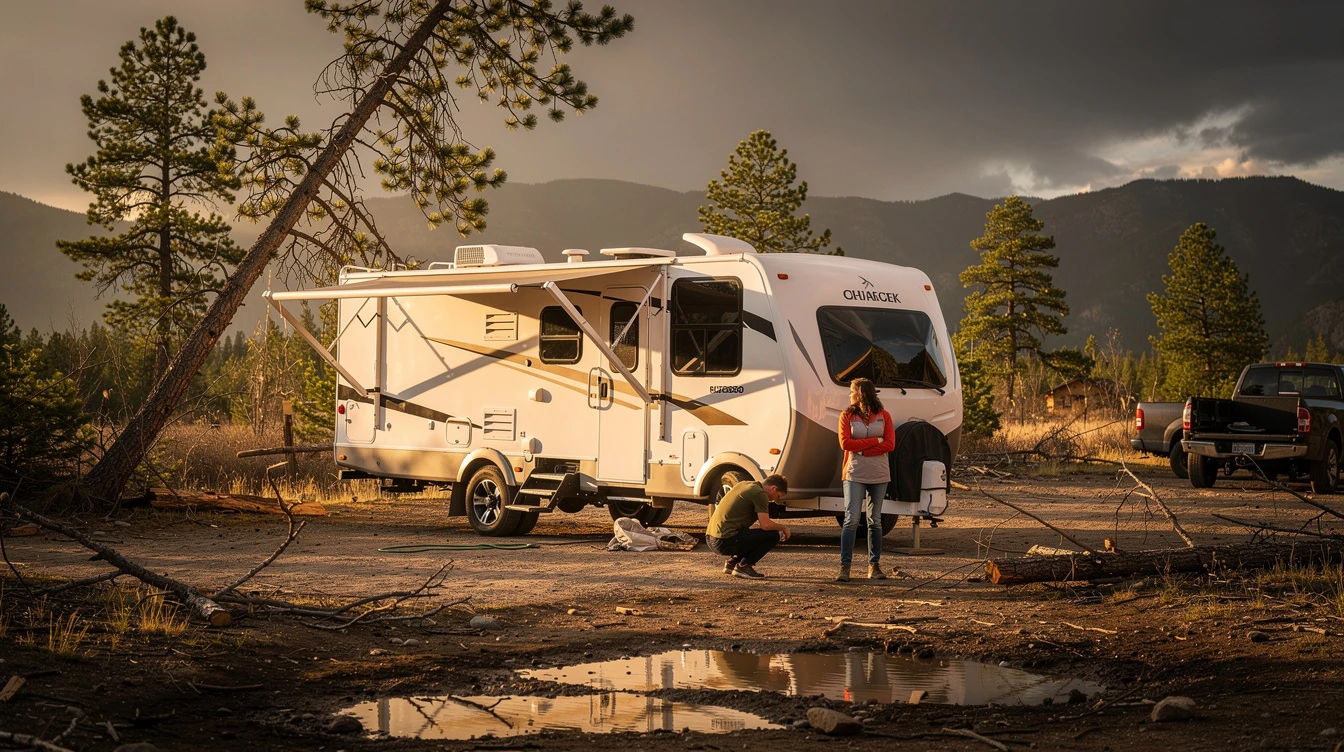
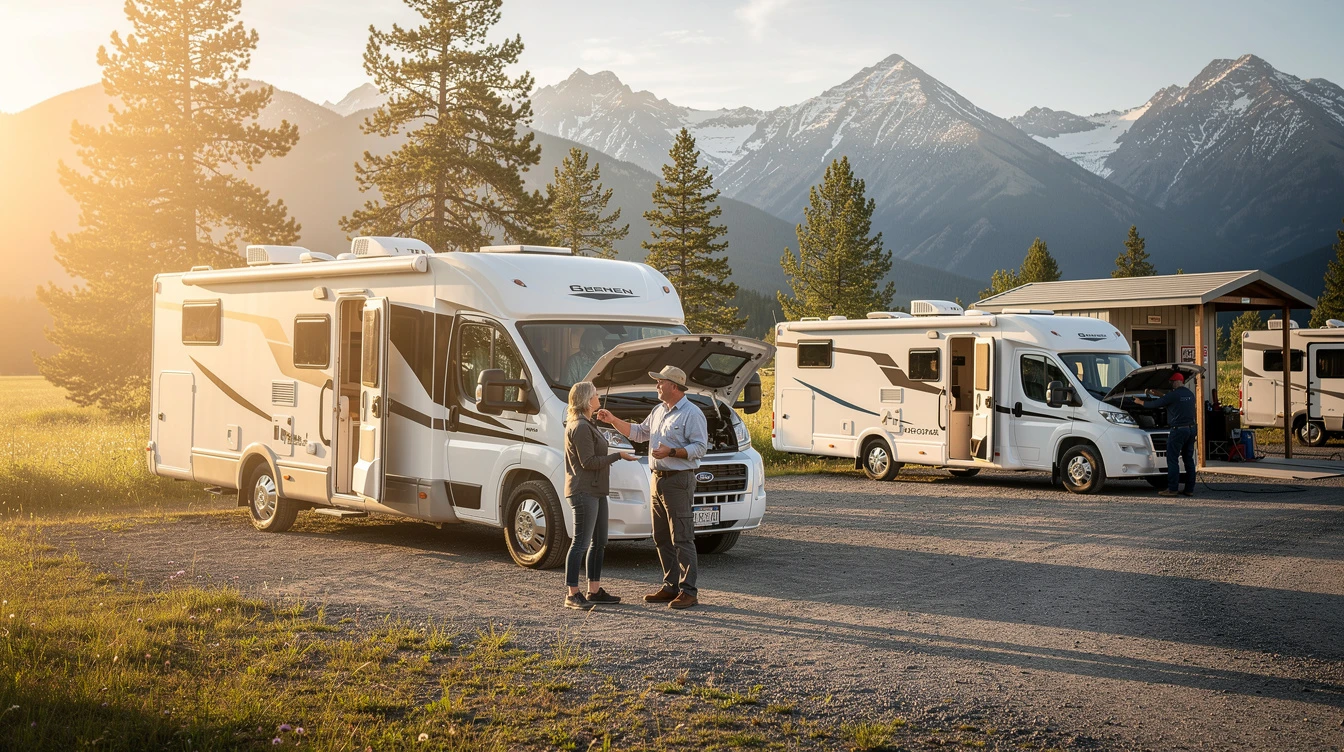
RV insurance for natural disasters covers damage from events like hail, fire, floods, and windstorms, but only under a complete policy, not a basic liability plan. The exact coverage depends heavily on your policy type, your insurer, and whether your RV is classified as a primary residence or a recreational vehicle.
Does Standard RV Insurance Cover Natural Disaster Damage?
Standard liability-only RV insurance does not cover natural disaster damage. You need complete coverage added to your policy. complete is the tier that pays for damage caused by events outside your control, including weather events, falling objects, and fire.
Here's what complete RV insurance typically covers:
- Hail damage to the roof, body panels, and windows
- Fire, including wildfires spreading from nearby land
- Windstorms and tornadoes causing structural damage
- Lightning strikes and resulting electrical damage
- Falling trees or debris during storms
- Flood damage (in most, but not all, policies, confirm with your insurer)
- Earthquakes (often excluded by default, requires a rider)
Honestly, the biggest mistake RV owners make is assuming their auto policy carries over. It typically doesn't. A dedicated RV policy with complete coverage is the only reliable protection for weather-related damage.
What Natural Disasters Are Usually Excluded From RV Insurance?
Not every natural event is automatically covered. Some disasters require separate endorsements or riders added to your base policy. Others are excluded entirely by certain insurers.
Ready to register your vehicle?
Join thousands of vehicle owners who use Dirt Legal to handle their registration quickly.
Register Your Vehicle Today →Common exclusions to watch for:
- Earthquake damage, most standard policies exclude this; you'll need a rider
- Flood damage, some policies treat flooding separately or cap payouts
- Mold or water intrusion caused by gradual leaks, even after storm damage
- Mechanical breakdown triggered by a storm event (this falls under breakdown coverage)
- Contents inside the RV, personal belongings may need a separate contents rider
Always read the declarations page. If "flood" or "earthquake" isn't explicitly listed, assume it's excluded and ask your insurer directly.
How Does RV Classification Affect Natural Disaster Coverage?
How your RV is classified changes what coverage options are available to you. Insurers treat full-time RV residents differently from occasional recreational users, and that distinction matters when a storm hits.
| RV Classification | Coverage Type Available | Key Consideration |
|---|---|---|
| Recreational Use (part-time) | complete + collision | Standard RV policy applies |
| Full-Time Residence | Full-timer policy required | Treated more like homeowners insurance |
| Stored / Parked Long-Term | complete only (no collision needed) | May Eligible for storage rate discount |
| Motorhome (Class A/B/C) | complete + liability + medical | Higher replacement values; confirm ACV vs. agreed value |
| Travel Trailer / 5th Wheel | complete tied to tow vehicle | Separate policy often recommended |
If your RV is registered through a Montana LLC registration structure, your insurer will still underwrite it based on how it's used, not where it's titled. Full coverage still applies regardless of registration state.
A more detailed breakdown of the Montana motorhome registration process is available in Register Your Motorhome in Montana: The Complete Guide. That resource covers titling requirements, LLC setup, and what to expect from the process.
Does Where Your RV Is Registered Affect Your Insurance Options?
Registration state affects your insurance rates and requirements, but not your ability to get complete coverage. Your insurer cares most about where the RV is garaged or primarily used, not where it's titled.
That said, registration matters for a few reasons:
- Annual registration fees vary significantly by state. Montana, for instance, has no sales tax on vehicles and lower registration costs for RVs.
- Proof of registration is required when filing a claim. Make sure your registration documents are current and accessible.
- State-specific requirements can affect minimum liability limits your insurer must meet.
Many RV owners choose to register their motorhome through a Montana LLC to reduce registration costs. Insurance coverage works the same way regardless of which state holds the title.
You can also review Does Montana Have Sales Tax on Vehicles? Here's the Full Story to understand the financial picture for RV owners considering a Montana registration structure.
What Should You Do After Natural Disaster Damage to Your RV?
Acting quickly after storm damage protects your claim. Insurers can deny or reduce payouts if damage isn't documented promptly or if you make repairs before the adjuster reviews the vehicle.
- Document everything immediately. Take photos and video of all damage before moving or covering anything.
- Prevent further damage. Temporary protective measures (tarps, boarding windows) are typically reimbursable. Keep receipts.
- Contact your insurer within 24-48 hours. Most policies have a reporting window; late claims can be contested.
- Get a written estimate from a certified RV repair facility. DIY quotes won't carry weight with adjusters.
- Review your policy's actual cash value (ACV) vs. agreed value terms. ACV pays depreciated value; agreed value pays what you agreed on at policy inception.
- Track all expenses. Lodging, food, and temporary transportation may be covered under a "loss of use" rider.
- Follow up in writing. Keep a written record of every conversation with your claims adjuster.
Quick note: if your RV is your primary residence, make sure your insurer knows this. Full-timer policies include personal liability and loss-of-use benefits that standard recreational policies don't carry.
For more on keeping your vehicle paperwork in order, What Is the Best Proof of Vehicle Ownership? A Complete Document Guide is worth reading before you ever need to file a claim.
One common documentation issue we see at Dirt Legal is odometer compliance, which is the most frequent reason vehicle documents come back for correction (internal data, rolling last 90 days, n=104). Keeping your RV's paperwork complete and current matters well beyond insurance.
How Does Montana RV Registration Interact With Insurance Claims?
Montana registration doesn't change how your insurance pays out after a natural disaster. What it does change is your annual cost structure and, in some cases, your vehicle's titling pathway.
When you register your vehicle through a Montana LLC, the LLC is listed as the vehicle owner. Your insurer will underwrite the policy in the LLC's name, which is straightforward with any major RV insurer. Claims are paid to the LLC as the titled owner.
A few things to confirm with your insurer when registering an RV through an LLC:
- Make sure the LLC is listed as the named insured (or as an additional insured)
- Confirm the insurer has the correct garaging address (where the RV is primarily kept)
- Verify that your complete coverage applies to the full replacement or agreed value
The Montana RV registration process is well-established, and Dirt Legal has helped 80,000+ vehicle orders to date, including motorhomes and large RVs registered through Montana LLCs. The process doesn't complicate your insurance, it just changes who holds the title.
If you're also considering a trailer or 5th wheel, Ride Legal offers a dedicated South Dakota trailer and 5th wheel registration path that works well for RV owners who want a simpler out-of-state option.
RV Insurance for Natural Disasters: Frequently Asked Questions
Does RV insurance cover flood damage from a hurricane?
Flood damage from a hurricane is typically covered under complete RV insurance, but some policies treat flood as a separate exclusion. Always confirm flood coverage explicitly with your insurer before storm season. If your policy excludes flood, a separate endorsement or rider is usually available for an additional bespoke.
Is earthquake damage covered under standard RV insurance?
Earthquake damage is almost always excluded from standard RV policies. You'll need to add an earthquake endorsement or rider. This is especially worth considering if your RV is garaged or travels through seismically active regions like California, Nevada, or the Pacific Northwest.
Does complete RV insurance cover wildfire damage?
Yes. Wildfire damage is covered under complete RV insurance in nearly all policies, since wildfires are classified as an "other than collision" event. This includes damage from heat, smoke, and direct fire contact. Document damage immediately and report to your insurer within 48 hours for the smoothest claims process.
What is the difference between actual cash value and agreed value for RV insurance?
Actual cash value (ACV) pays the depreciated market value of your RV at the time of the loss. Agreed value pays a fixed amount you and your insurer set at policy inception, regardless of depreciation. For natural disaster claims, agreed value policies typically result in significantly higher payouts for older or high-value RVs.
Can I get RV natural disaster coverage if my RV is registered in Montana?
Yes. Montana registration doesn't affect your eligibility for complete coverage. Your insurer underwrites the policy based on where the RV is used and garaged, not where it's titled. Montana-registered RVs, including those held in a Montana LLC, can carry full complete coverage through any major RV insurer.
Does RV insurance cover damage to belongings inside during a storm?
Personal property inside your RV is typically not covered under standard complete insurance. You'll need a personal belongings or contents rider. Full-timer RV policies usually include this protection automatically. If your RV is recreational use only, check whether your homeowner's or renter's policy extends coverage to off-premises personal property.