If a Vehicle Battery Is Disconnected, Will a GPS Device Still Function?
If a vehicle battery is disconnected, will a GPS device still function? Find how internal backup batteries and cellular connectivity keep tracking active.

GPS Devices Often Retain Functionality Via Internal Backup Batteries
If a vehicle battery is disconnected, a GPS device will often continue to function if it is equipped with an internal backup battery. These secondary power sources allow the unit to continue transmitting location data, detecting tampering, and alerting the owner even after the primary 12-volt supply has been cut. However, the lifespan and reporting frequency of these devices vary significantly based on the hardware specifications.
For owners concerned about vehicle security or tracking, understanding your hardware is vital. We provide registration services for various vehicle types and can assist with the documentation needed for your specific asset. Check My Options →
Many modern tracking units are hardwired into the vehicle's electrical system to maintain a constant charge. When you disconnect the car battery, the device immediately detects the loss of main power. Advanced telematics systems are designed to trigger a 'power disconnect' alert to the user's mobile device or computer dashboard immediately upon this event.
The Role of Internal Backup Power
Internal batteries in GPS trackers are not meant to power the device indefinitely. They are designed to act as a fail-safe mechanism. These batteries typically last anywhere from a few hours to several days depending on how aggressively the device is configured to report its location. A device set to 'live tracking' will drain its backup battery much faster than one that only checks in once a day.
Why Hardwired Connections Matter
While an internal battery provides temporary relief, the primary purpose of a hardwired GPS unit is to use the vehicle's main power source. This ensures that the device can remain active for years without needing a recharge. When someone attempts to tamper with the battery, the device’s internal capacitor or small lithium battery provides just enough power to send a final distress signal before the main power is lost completely.
How Asset Tracking Systems Communicate Without Vehicle Power

Once the main vehicle battery is removed, the GPS tracker must rely on cellular networks to relay information. Even without the vehicle's main power, the modem inside the tracker remains operational as long as the internal battery holds a charge. The quality of the cellular signal becomes even more critical during these moments because the device is likely drawing limited power and trying to conserve energy.
Ready to register your vehicle?
Join thousands of vehicle owners who use Dirt Legal to handle their registration quickly.
The Impact of Signal Loss
If a vehicle is moved into a subterranean garage or a metal-enclosed shipping container after the battery is disconnected, the device may be unable to transmit its location even if the internal battery is charged. GPS signals require a clear line of sight to satellites, and cellular data requires a connection to a tower. If the device cannot reach the network, it will store the data locally and attempt to offload it once the signal is restored.
Owners who rely on these devices for asset protection often look into specialized registration to make sure their vehicles remain in compliance while moving between states. For those interested in how to secure their assets, our guide on Montana LLC Services offers a clear pathway to managing your vehicles properly. We handle the paperwork so you can focus on vehicle maintenance and security.
Device Power Profiles and Reporting Intervals
The sophistication of your tracking device determines how it acts during a power event. Some devices enter a 'deep sleep' mode when the battery is cut to preserve power. Others immediately switch to a higher frequency of reporting to provide real-time updates while they are vulnerable. You can usually configure these settings through your provider's app to determine how your device behaves if power is lost.
Need Help With Your Vehicle Documentation?
Whether you are dealing with a title transfer or looking for a more efficient way to manage your vehicle registrations, we provide the support you need to stay compliant. Learn more about Street-Legal Vehicle registration assistance services and how we simplify the process for you. →
Common Misconceptions About GPS Tampering
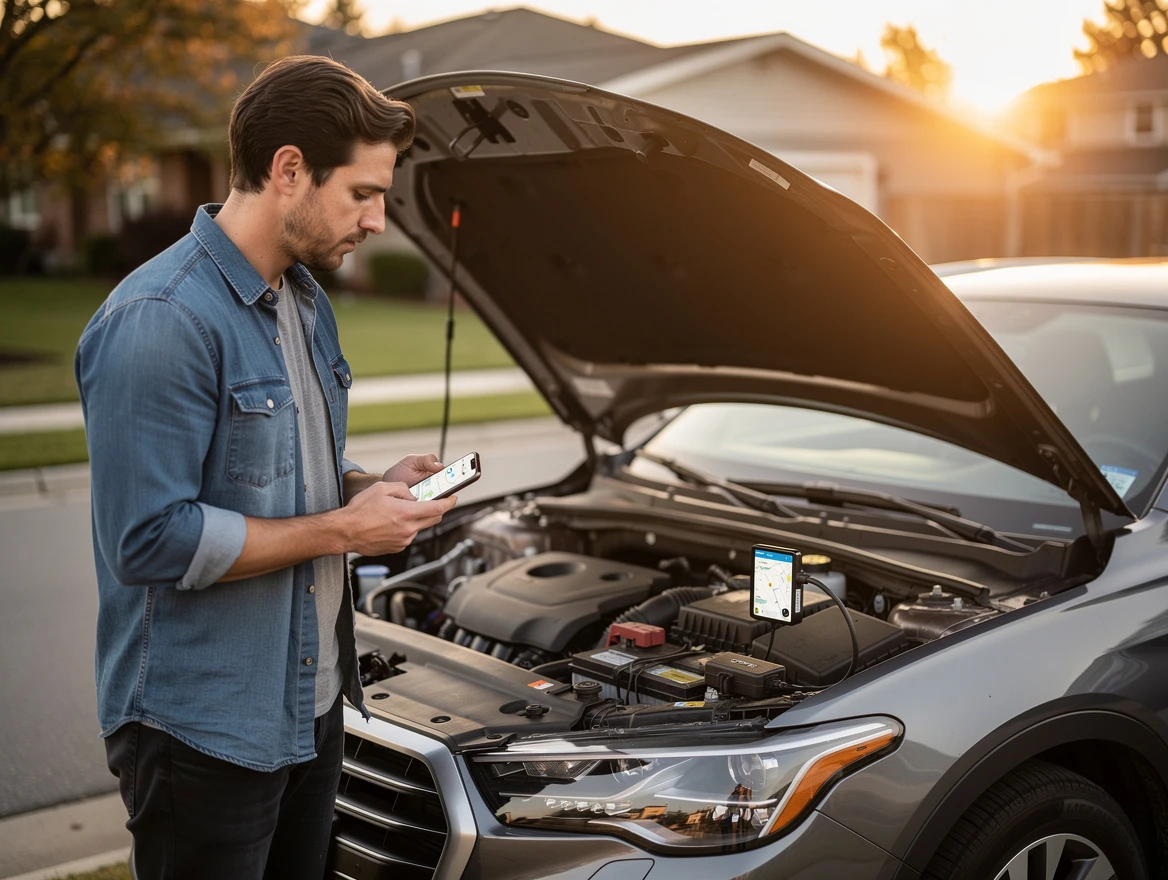
It is a common belief that cutting the power completely blinds a tracking system. While it renders the device's ability to 'ping' indefinitely much harder, modern hardware is built to be resilient against this specific threat. Many devices will log the exact GPS coordinates and time of the battery disconnection, which acts as a permanent record of the incident.
Is Shielding Effective?
Shielding, such as using a Faraday bag, is far more effective at blocking GPS signals than merely disconnecting a battery. Since many trackers now have sophisticated internal power, simple disconnection is rarely enough to stop the tracking entirely. The primary defense against theft remains a combination of a reliable tracking system and ownership documents that are clearly tied to your identity.
For those looking to make sure their vehicles are registered correctly, managing your Montana LLC Vehicle Registration can be a wise move for asset protection. It provides a clear framework that simplifies ownership disputes if your vehicle is ever recovered after a theft attempt.
The Importance of Regular System Checks
We recommend testing your tracker once a quarter by disconnecting your battery to see how the system behaves. This allows you to verify that the 'power disconnect' alerts are functioning as expected and that the internal backup battery is still holding a sufficient charge. Our records show that attention to detail, such as checking documentation and device readiness, is vital for a smooth ownership experience (internal data, rolling last 90 days, n=33).
Frequently Asked Questions
Will my GPS tracker send an alert if the battery is cut?
Yes, most modern hardwired GPS trackers are designed to detect a voltage drop. When the primary vehicle battery is disconnected, the device uses its internal capacitor or backup battery to send an immediate alert to your linked device, notifying you of the power loss.
How long does the backup battery last?
It varies by device. Simple OBDII trackers may only hold a charge for one to four hours, whereas professional hardwired trackers can sustain operation for up to 48 hours in a power-saving mode. Dedicated magnetic asset trackers are different and can last for weeks because they do not rely on vehicle power at all.
Can a tracker still record movement without vehicle power?
If the device has an internal battery and a cellular modem, it can continue to record movement and report location even after the vehicle battery is removed. The device will stop tracking only when its own internal battery is fully depleted or if it loses its connection to the cellular network.
What is the most effective way to prevent GPS tampering?
Using a device with a long-lasting internal battery and a tamper alert system is the best approach. Additionally, concealing the device deep within the vehicle's chassis, rather than plugging it into an easily accessible OBDII port, makes it much harder for someone to identify or remove the device.
Do I need to change my tracker settings to improve backup power?
Yes, you can often adjust your reporting interval. If you are concerned about security, setting the device to report less frequently when it detects it is running on battery power can extend the life of the tracker's internal battery, keeping the device online for longer during an emergency.
Start Your Registration Today, No Hidden Fees
Ready to move forward with your vehicle paperwork? We provide the expertise you need to handle complex registrations efficiently. Start Your Registration Today →
Understanding how your equipment behaves when the power goes out is a crucial part of vehicle ownership. Whether you are safeguarding a daily driver or a specialized recreational vehicle, staying informed helps you keep your assets secure. Always consult with your device manufacturer's manual for the specific backup battery capabilities of your tracking unit.
| Device Type | Backup Battery Life | Reporting Frequency |
| Hardwired Pro | 12-48 Hours | Real-time (High) |
| Plug-and-Play (OBDII) | 1-4 Hours | Periodic |
| Magnetic Asset Tracker | Up to 3 Months | Variable |