Can You Replace an Electric Vehicle's Battery With a Bigger One?
Can you replace an electric vehicle's battery with a bigger one? Find the technical, legal, and practical realities of upgrading your EV battery pack today.
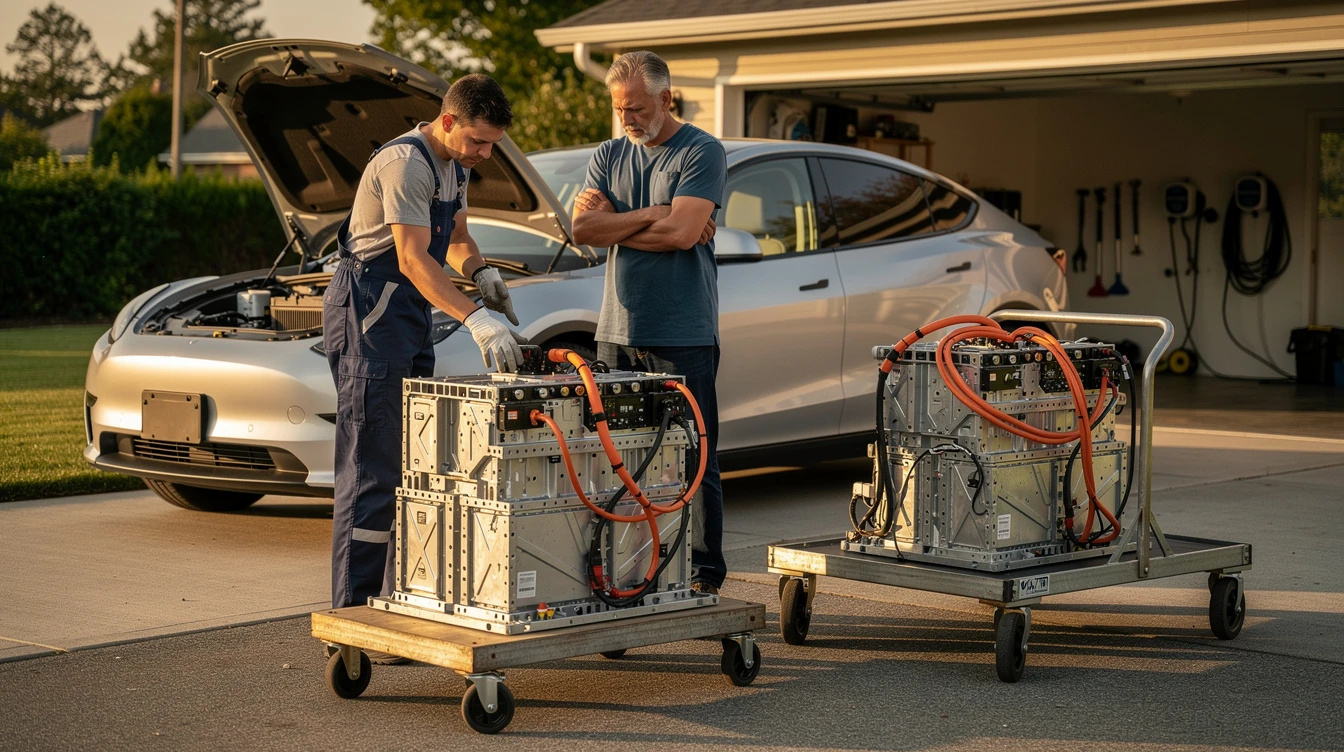
Upgrading an Electric Vehicle's Battery is Technically Possible but Often Impractical
While you can technically replace an electric vehicle's battery with a bigger one, the process is rarely a simple plug-and-play modification. Most modern electric vehicle battery systems are integrated into the vehicle's structural chassis and communicate via complex software protocols that prevent mismatched hardware from functioning safely, effectively making a direct upgrade an engineering challenge rather than a standard service procedure.
Get Started With Your Registration Needs →
The core of the issue lies in the proprietary nature of battery management systems (BMS). Even if you manage to physically fit a larger battery pack into the chassis, the car's internal computer must recognize the new energy storage capacity to manage thermal regulation, range estimation, and power delivery. Without specific software updates from the manufacturer, which are generally not provided for aftermarket modifications, the vehicle will likely refuse to start or enter a safety mode that limits performance.
Physical and Structural Constraints
Electric vehicle manufacturers design the battery pack to be an integral part of the vehicle's structural integrity. Replacing a factory pack with a larger, heavier unit often requires significant modifications to the subframe and mounting points. Adding excessive weight beyond the vehicle's original engineering specifications can degrade suspension performance, increase tire wear, and potentially impact the vehicle's safety rating in the event of a collision.
Software and Communication Integration
Modern vehicles use Controller Area Network (CAN) bus protocols to manage communication between components. When you alter the battery capacity, the car's computer expects specific signals regarding energy density and output. If these signals do not align with the original vehicle configuration, error codes will appear. Solving these software conflicts usually requires deep access to the proprietary diagnostic tools that only the manufacturer or authorized service centers possess.
Understanding Registration Implications
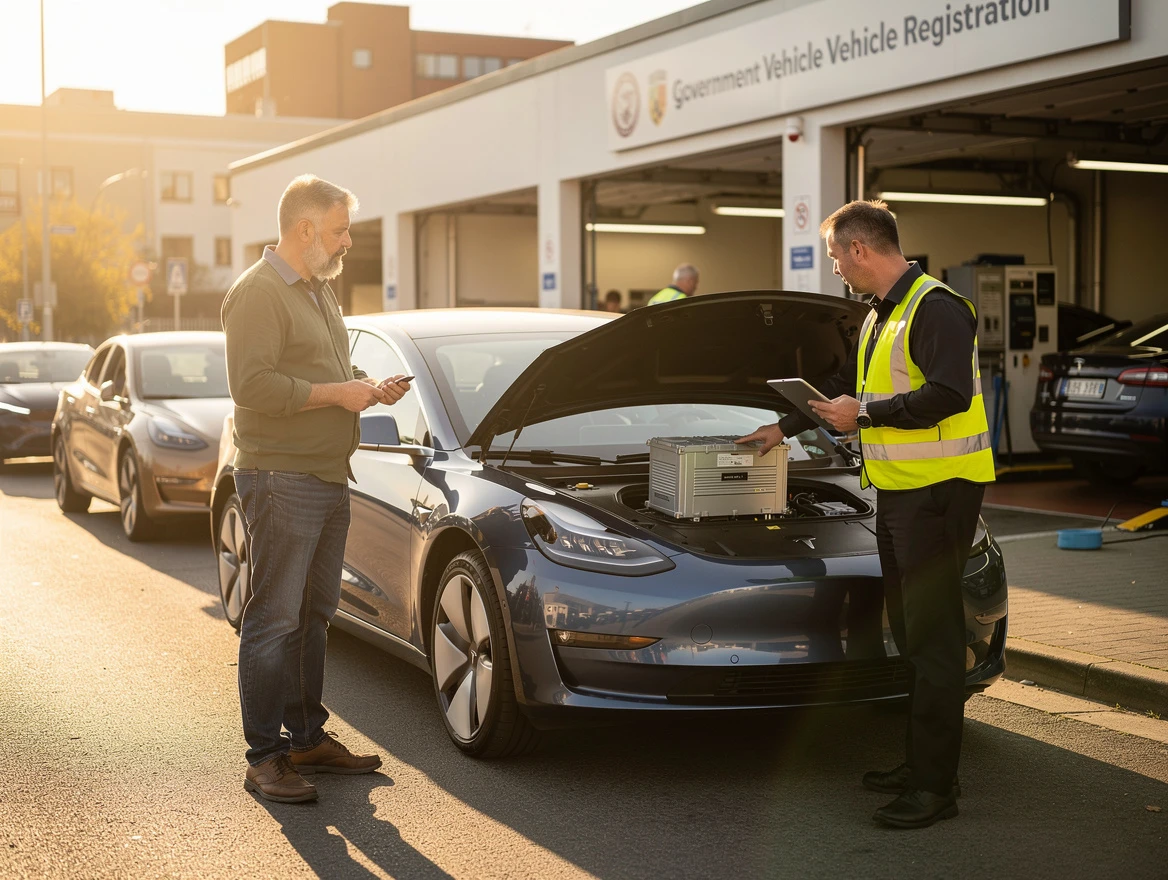
When you significantly modify a vehicle's propulsion system, the registration and street-legal status of the asset can change in certain jurisdictions. While your car may still be technically street-legal, changing the core powertrain components may require updated documentation or inspections, especially if you move between states. Understanding how your vehicle is titled is essential, particularly if you are moving or relocating your primary residence.
Ready to register your vehicle?
Join thousands of vehicle owners who use Dirt Legal to handle their registration quickly.
Dirt Legal has helped 80,000+ vehicle orders to date (internal data, lifetime through current month, n=5,901)
If you have questions about how vehicle title records reflect these types of hardware changes, you can look into our our VIN check service to see how your vehicle is documented in national databases. Maintaining accurate records is critical. For those dealing with complex title issues or attempting to keep a vehicle registered while performing major upgrades, our Montana LLC Services provide a stable framework for your assets.
Why Title Accuracy Matters
When major components are swapped, the VIN remains the primary identifier for your vehicle. If you fail to keep your registration current or if the title does not accurately reflect the vehicle's status, you may encounter issues when attempting to sell the car or renew your registration in the future. Proper documentation is a pillar of responsible vehicle ownership.
Managing Out-of-State Registration
Many owners choose to register their vehicle in jurisdictions that accommodate unique ownership situations. Whether you are dealing with a classic car build or a modern EV modification, having a clear and recognized title is the first step in ensuring your project remains on the road.
| Consideration | Impact | Complexity |
|---|---|---|
| Physical Fitment | High | Difficult |
| Software Compatibility | Critical | Extremely Difficult |
| Insurance Premiums | Variable | Moderate |
| Resale Value | Negative | High Impact |
See How We Can Help With Your Street-Legal Vehicle registration assistance services →
Common Challenges with EV Battery Upgrades
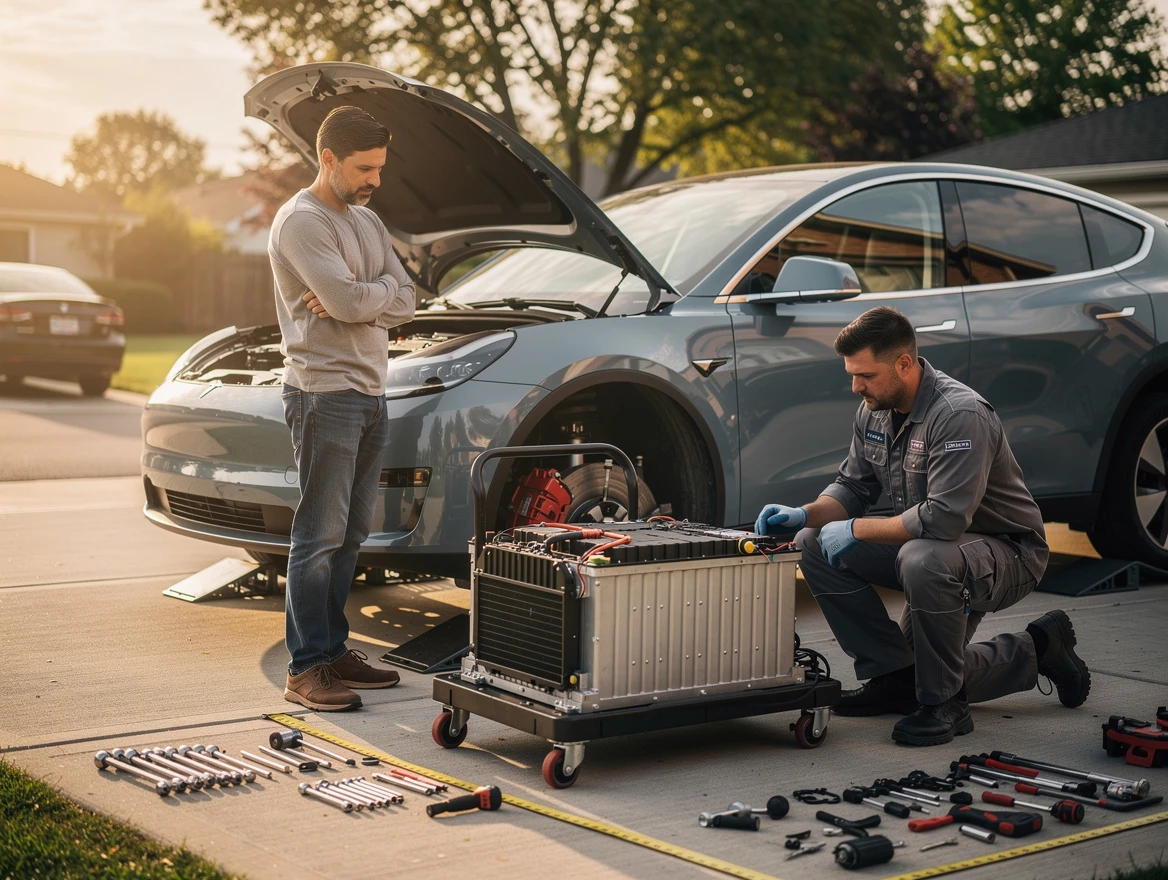
Beyond the technical hurdles, owners often find that the cost of sourcing a larger, OEM-grade battery pack is prohibitive. A new battery often costs nearly as much as a used vehicle itself. Add in the labor costs for specialized electrical work, and the project rarely makes financial sense for the average driver.
Safety and Fire Risks
Lithium-ion batteries are volatile. Improperly integrated packs or custom cooling systems can lead to thermal runaway events. Manufacturers spend years testing their battery systems for fire safety, whereas aftermarket modifications often bypass these rigorous testing protocols. This is a primary reason why most reputable repair shops will decline to work on custom battery pack installations.
Warranty and Liability Concerns
Modifying a high-voltage system will immediately void any existing manufacturer warranties on the drivetrain and electrical components. if the vehicle causes damage due to an electrical failure after an unauthorized modification, insurance companies may deny claims based on the non-factory nature of the vehicle's propulsion system. You are assuming the full risk of the modification every time you drive.
Frequently Asked Questions About EV Batteries
Can I just swap a Tesla battery for a bigger one?
Tesla and other major EV manufacturers lock their battery systems to specific vehicle software. You cannot simply drop a larger pack into an existing Tesla because the software will recognize the hardware mismatch and disable the drivetrain for safety. Attempting this typically results in a 'bricked' vehicle that requires dealer intervention to restore.
What is the most common reason for vehicle registration rejections?
Based on our recent data, the most frequent reason documents come back for correction is Odometer compliance (internal data, rolling last 90 days, n=33). Ensuring your mileage is tracked and reported correctly is just as important as the physical condition of the car.
Are there any third-party companies that offer battery upgrades?
There are some specialized research companies attempting to create battery replacement modules, but they are not yet mainstream or reliable for daily drivers. Most current 'upgrades' are limited to replacing worn-out cells with cells of the same original capacity, rather than increasing the range.
Does a battery swap change my vehicle's title?
In most states, a battery swap is considered a maintenance task, not a permanent change to the vehicle's body or VIN, so it generally does not change the title status. However, if the modification is so extensive that it fundamentally alters the vehicle type, you might be required to re-title it as a 'specially constructed' vehicle.
Is it better to just buy a new EV with a longer range?
In almost every case, yes. The depreciation hit you take by buying a new vehicle with higher factory range is typically less than the cost and risk associated with attempting an aftermarket battery pack modification. You gain the reliability of factory-certified engineering and a full warranty.
Start Your Registration Today, No Hidden Fees
While the prospect of expanding your electric vehicle's range through a larger battery pack is an attractive concept, the technological barriers imposed by manufacturers and the inherent safety risks make it a project reserved for professional engineers rather than casual enthusiasts. If you are struggling with registration or title issues, or if you need to register a vehicle after a project build, our team is ready to help you work through the process efficiently.