Driving Without Registration in NC: Rules and What to Do Next
Wondering if you can drive without registration in North Carolina after a car delivery? Get the facts on state laws, grace periods, and your next steps today.
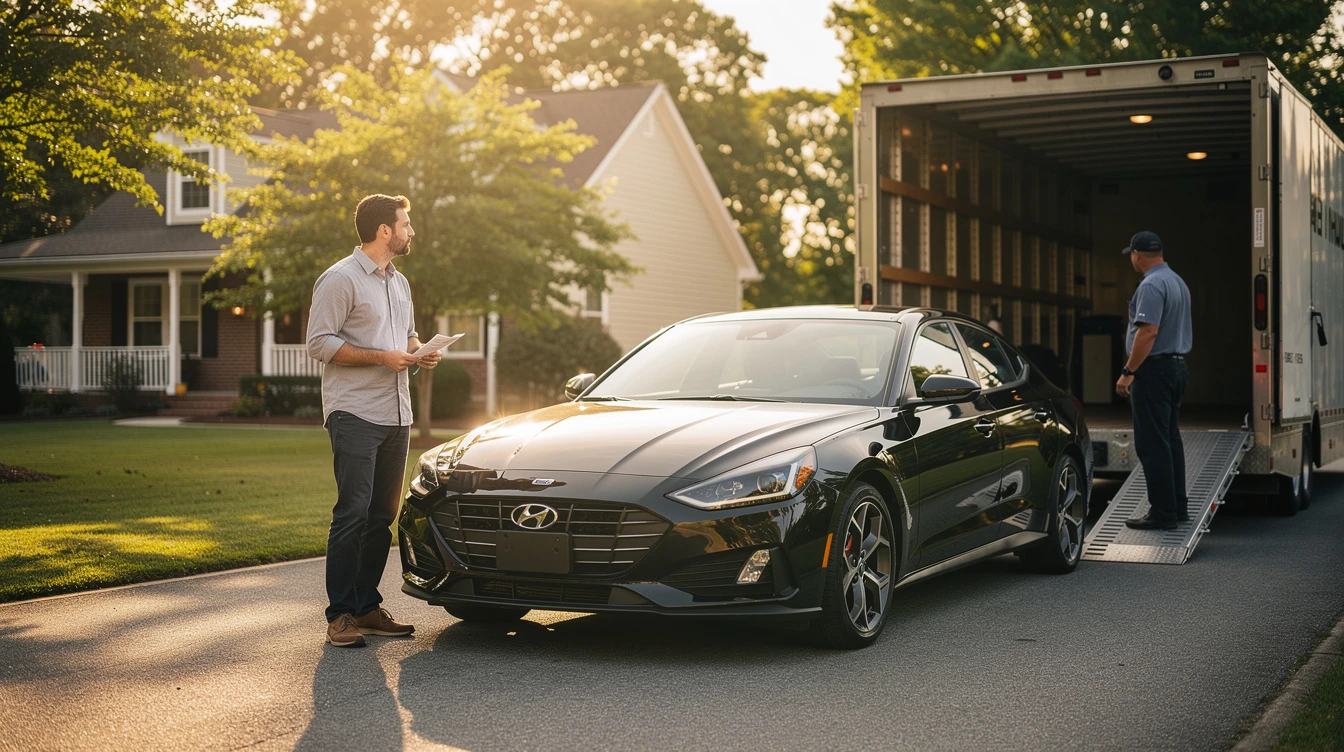
You cannot legally drive a vehicle on public roads in North Carolina without valid, current registration. If a car was recently delivered to your residence, it must be properly titled and registered through the North Carolina Division of Motor Vehicles before you can operate it on any state highway or city street.
Is Driving Without Registration Ever Permitted in North Carolina?
In North Carolina, the law requires that every motor vehicle operated on public roadways possess a valid license plate and current registration. There is no grace period for driving an unregistered vehicle, regardless of whether it was recently purchased, delivered via a transport service like Smart Auto Move, or gifted.
Operating a vehicle without these documents exposes you to significant risks, including vehicle impoundment, heavy fines, and potential criminal charges. Law enforcement officers monitor registration status constantly, and your lack of documentation will be immediately apparent during any traffic stop or via automated license plate reader systems.
What Does the North Carolina Registration Process Require?
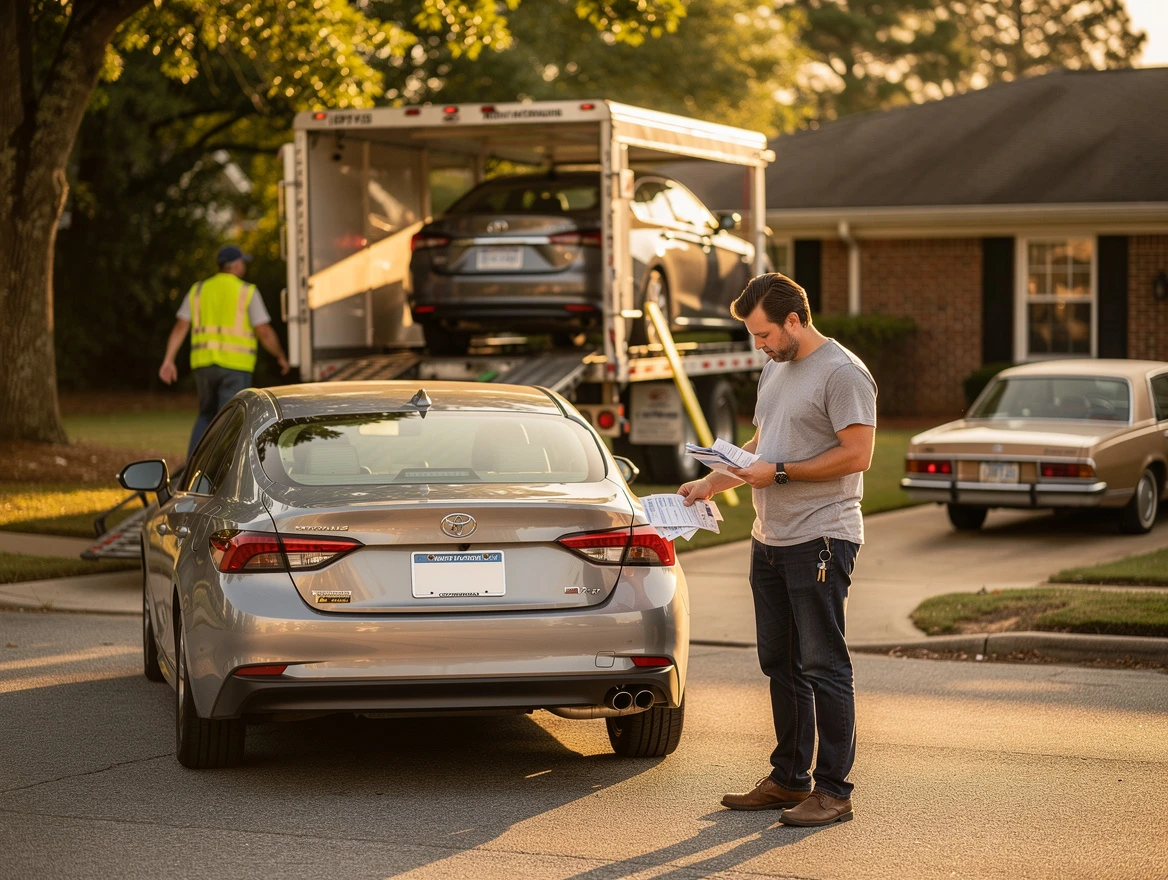
To register your vehicle in North Carolina, you must complete the application process at a local license plate agency. You will need to provide proof of ownership, valid North Carolina liability insurance, and the required fees.
Ready to register your vehicle?
Join thousands of vehicle owners who use Dirt Legal to handle their registration quickly.
Specifically, the process typically involves these steps:
- Providing the original, signed-over Certificate of Title or Manufacturer's Certificate of Origin.
- Presenting a valid North Carolina driver's license or state-issued ID.
- Submitting a completed application for title and registration.
- Paying the applicable highway use tax, which is calculated based on the value of the vehicle.
- Showing proof of current liability insurance coverage from a company licensed to operate within the state.
A more detailed breakdown of ownership documentation requirements is available in What Is the Best Proof of Vehicle Ownership? A Complete Document Guide. Understanding these documents beforehand saves significant time during your office visit.
If you find that your title is missing or incomplete, you may need to look into What Makes a Vehicle Title Invalid? Warning Signs Every Owner Should Know. Dealing with title issues early is crucial because you cannot complete the North Carolina registration process with an invalid or incorrectly signed document.
Skip the Paperwork, Let Us Handle It ->
Comparing Registration Costs and Timelines

Registration fees vary significantly based on the vehicle type, weight, and local municipality requirements. North Carolina utilizes a combination of registration fees and highway use taxes rather than a standard sales tax, which can impact your total out-of-pocket costs at the time of initial filing.
| Requirement | North Carolina | Montana LLC |
|---|---|---|
| Sales/Highway Tax | 3% of vehicle value | 0% |
| Processing Time | Standard DMV queues | Remote processing |
| Office Visit | Required | Not required |
| Insurance Proof | NC specific policy | Accepts most policies |
For those looking for alternatives, many owners choose the Montana LLC Vehicle Registration route. Dirt Legal has helped 80,000+ vehicle orders to date. The most frequent reason documents come back for correction is Odometer compliance (internal data, rolling last 90 days, n=38), which is why working with a professional service helps minimize these delays.
How Do You Get Your Vehicle to the DMV Safely?
Since you cannot drive an unregistered vehicle to the DMV, you must plan ahead for the transport of your car. If the vehicle is non-functional or unregistered, you should arrange for a trailer or a professional towing service to move it to the local office.
Alternatively, you may inquire about temporary transit permits if your specific situation qualifies under North Carolina law. These permits allow you to move the vehicle for limited purposes, such as an inspection or registration appointment, but they are not a substitute for full registration.
Can I use my old plates from a different car?
You cannot use license plates from a previous vehicle on a new one unless you have officially transferred the registration to the new car through the North Carolina DMV. Simply moving the physical tag to a new vehicle without completing the transfer filing will result in citations.
What if my vehicle is from out of state?
Out-of-state vehicles must undergo a physical VIN inspection in North Carolina before they can be registered. This ensures the vehicle's identification numbers match the submitted ownership documentation, preventing title fraud and protecting subsequent buyers.
How long does the registration process take?
If you have all your documents ready, the registration process at a North Carolina license plate agency is usually completed in one visit. However, if your documents are missing information, such as incorrect odometer readings or missing signatures, your application will be delayed until the items are corrected.
What is the penalty for driving without registration?
Driving without registration in North Carolina typically results in a fine and the potential seizure of the vehicle. In many cases, you may be issued a citation that requires you to show proof of corrected registration to the court, but the initial ticket is a serious matter that impacts your driving record.
Is there a way to avoid a DMV trip for registration?
North Carolina generally requires an in-person visit to process new vehicle titles and registrations. While some renewals can be handled online, initial titling and first-time registration require the presentation of original documents at a local office. We manage the out-of-state paperwork with our paperwork support if you choose to look at other registration options.